Lauxaniidae: taxon details and analytics
- Domain
- Kingdom
- Animalia
- Phylum
- Arthropoda
- Class
- Insecta
- Order
- Diptera
- Family
- Lauxaniidae
- Genus
- Species
- Scientific Name
- Lauxaniidae
Summary description from Wikipedia:
Lauxaniidae
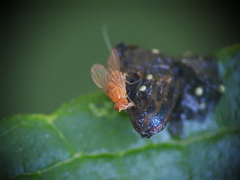
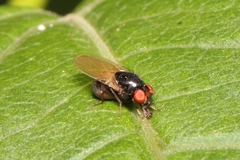
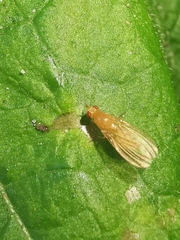
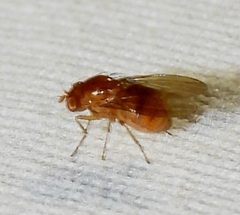
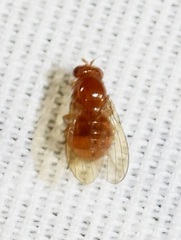
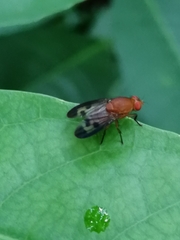
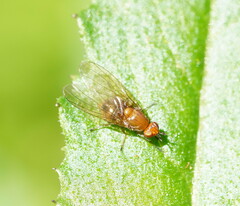
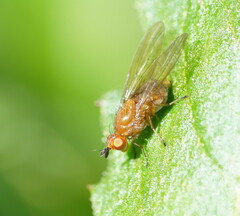
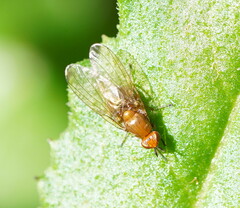
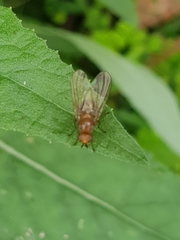
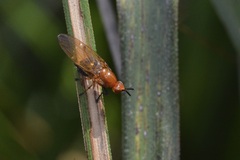
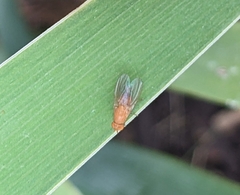
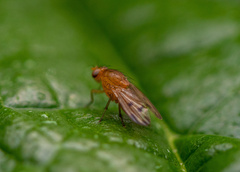
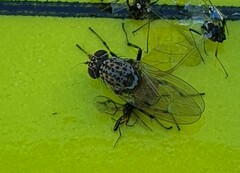
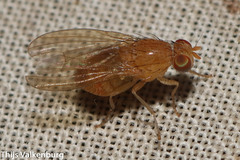
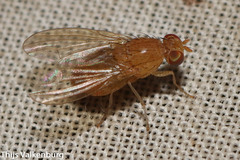
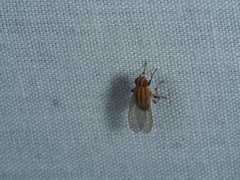
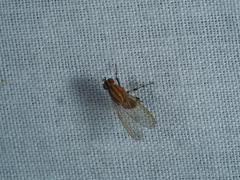
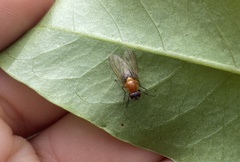
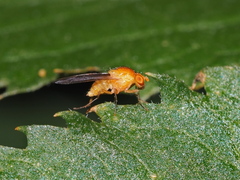
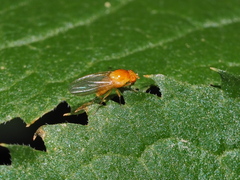
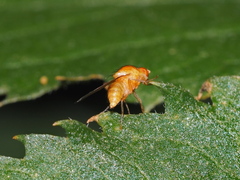
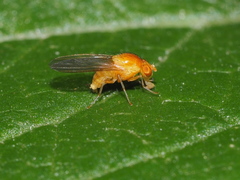
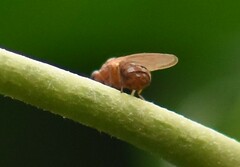
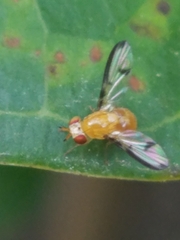
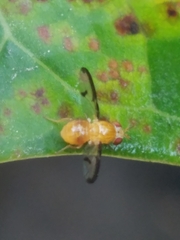
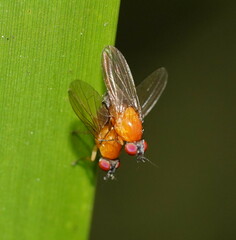
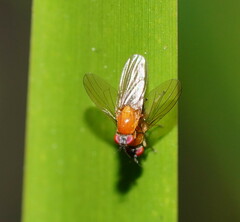
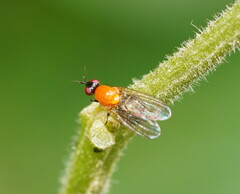
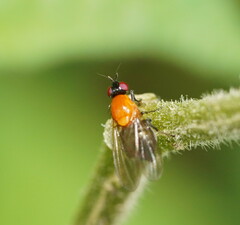
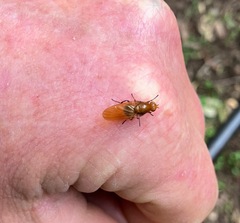
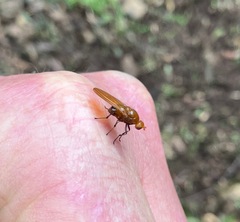
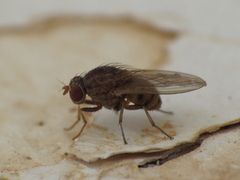
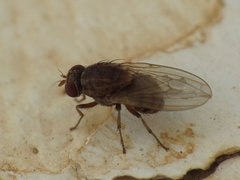
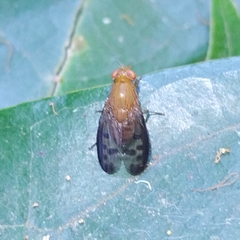
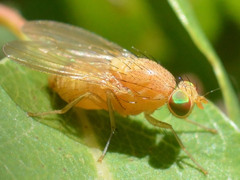
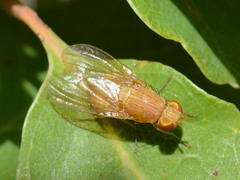
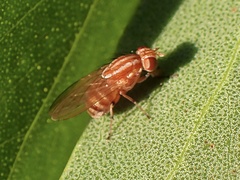
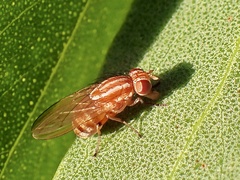
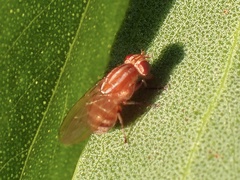
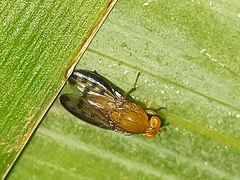
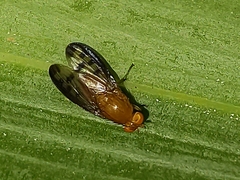
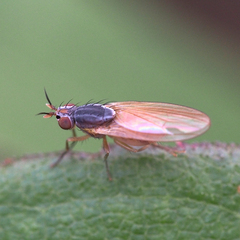
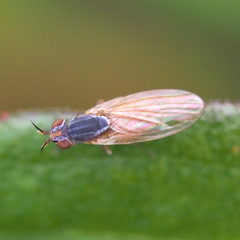
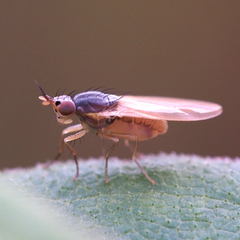
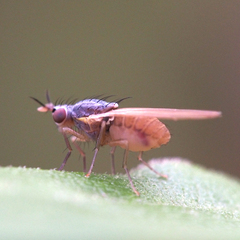
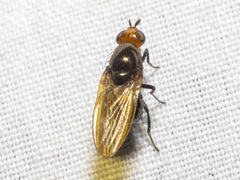
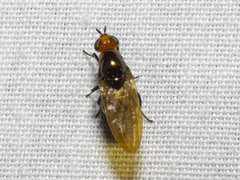
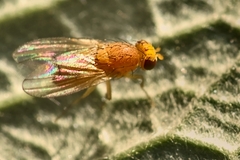
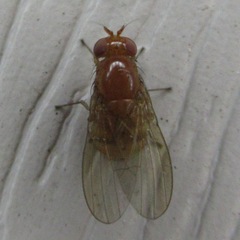
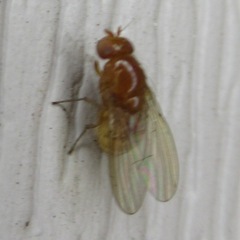
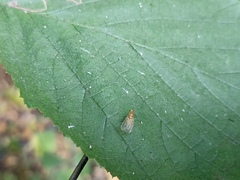
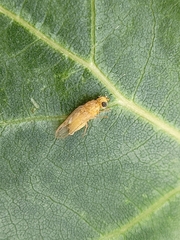
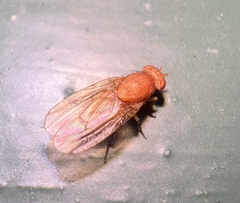
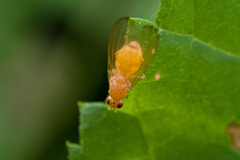
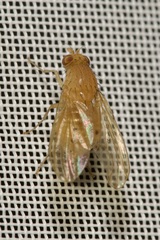
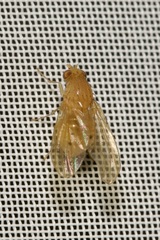
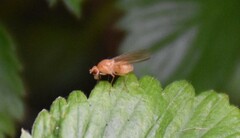
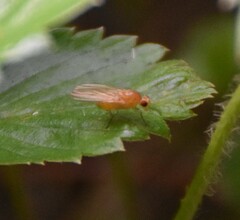
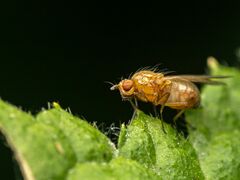
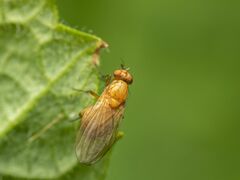
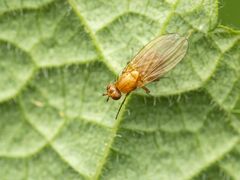
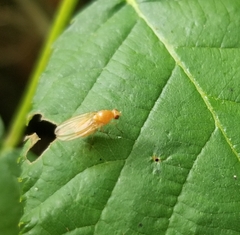
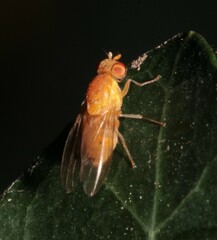
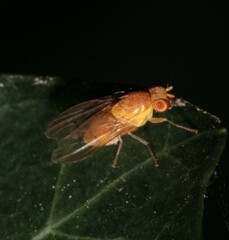
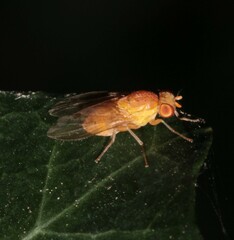
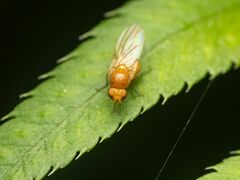
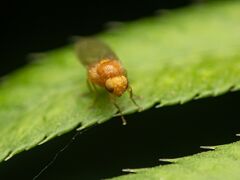
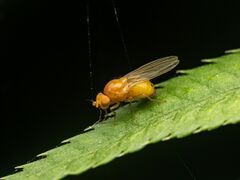
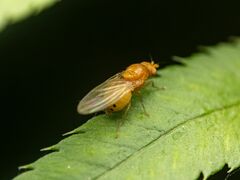
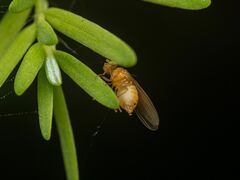
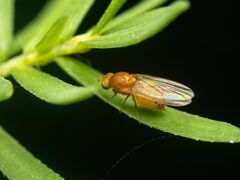
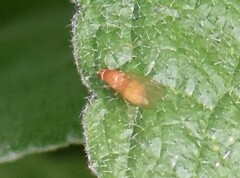
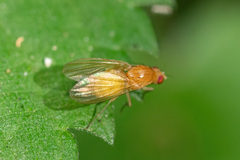
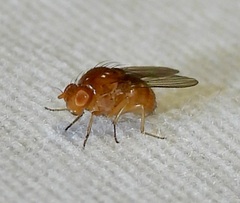
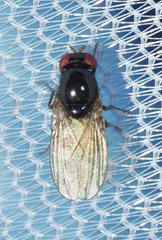
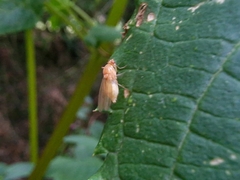
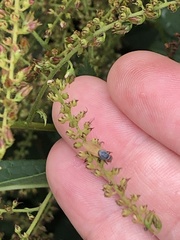
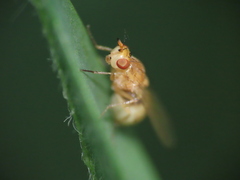
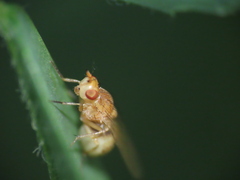
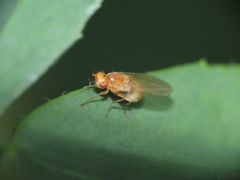
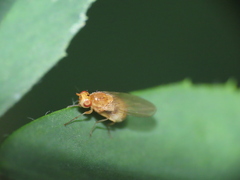
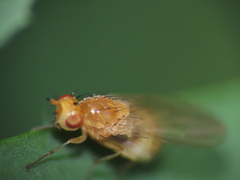
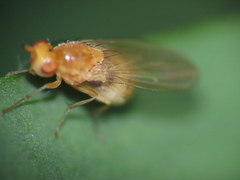
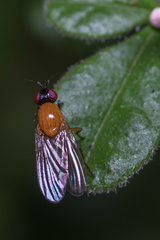
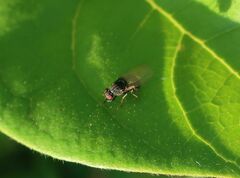
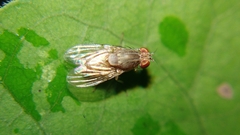
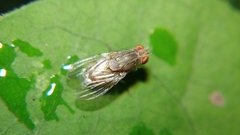
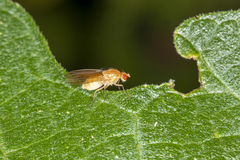
The Lauxaniidae are a family of acalyptrate flies. They generally are small flies (length 7 mm or less) with large compound eyes that often are brightly coloured in life, sometimes with characteristic horizontal stripes, such as in Cestrotus species. Many species have variegated patterns on their wings, but in contrast they generally do not have variegated bodies, except for genera such as Cestrotus, whose camouflage mimics lichens or the texture of granitic rocks.
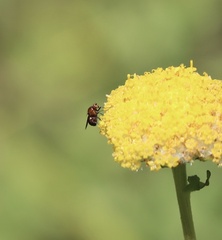
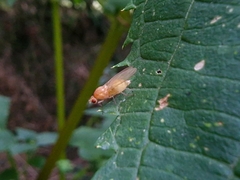
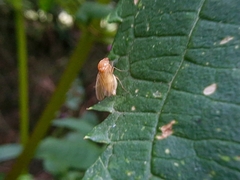
Some 1800 species of Lauxaniidae have been described and they comprise some 126 genera. The family has a cosmopolitan distribution, most of the species occurring in tropical regions of Asia and the Americas; relatively few species occur in Afrotropical regions, and Lauxaniid species diversity declines strongly towards the more temperate regions; for example fewer than 200 European species have been described. Most species inhabit forests, where the adults usually are found sitting on leaves of the understory. They are far less common in open country, such as grassland habitats.
...Lauxaniidae in languages:
- Afrikaans
- Klipvlieë
- Bokmål
- løvfluer
- Chinese
- 縞蠅科
- Czech
- stínomilkovití
- English
- Lauxaniid Flies
- German
- Polierfliegen
- German
- Faulfliegen
- Hungarian
- pudvalégyfélék
- Japanese
- シマバエ科
- Korean
- 큰날개파리과
- Lithuanian
- Girinukės
- Polish
- Kalnicowate
- Russian
- Перегнойницы
- Swedish
- Lövflugor
- Thai
- วงศ์ แมลงวันเลาก์ซานิด
- Ukrainian
- Лауксанієві мухи
- Ukrainian
- Лауксаніїди
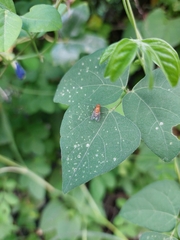
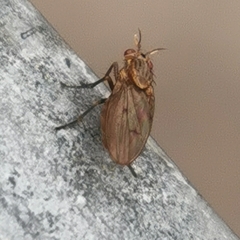
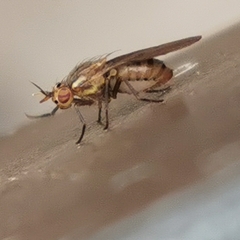
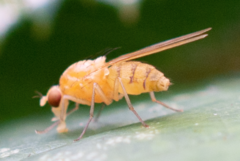
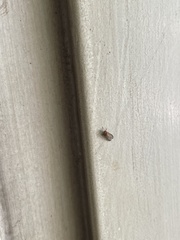
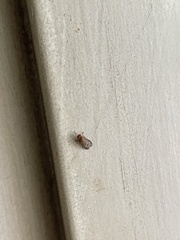
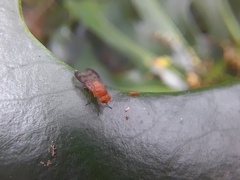
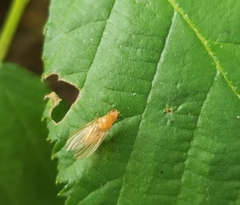
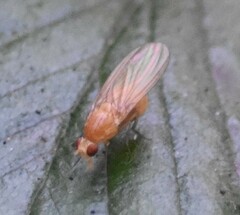
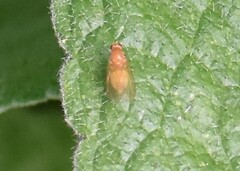
Images from inaturalist.org observations:
We recommend you sign up for this excellent, free service.
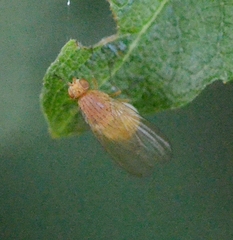
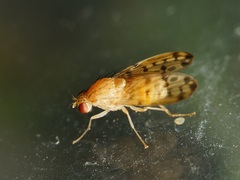
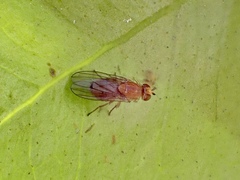
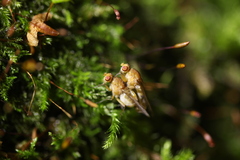
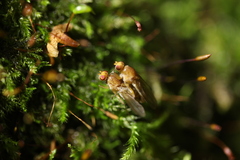
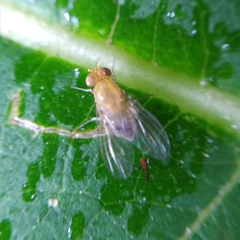
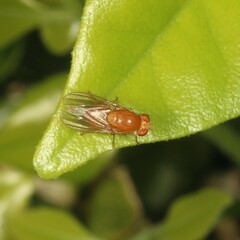
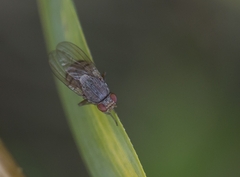
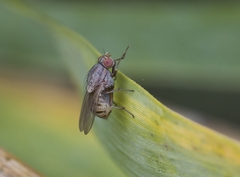
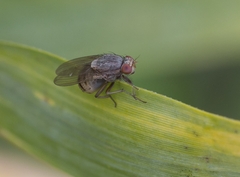
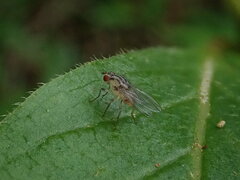
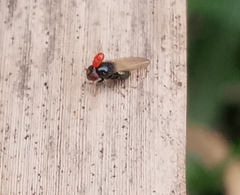
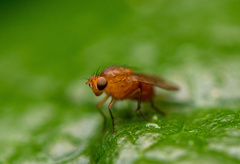
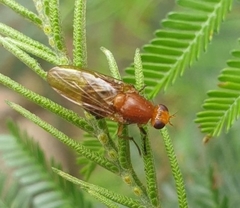
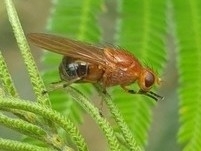
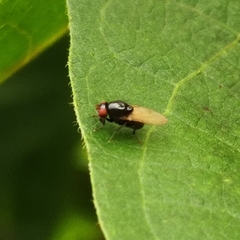
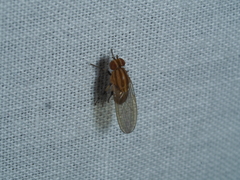


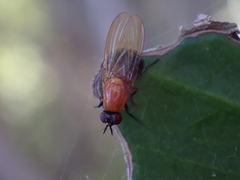
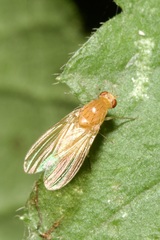
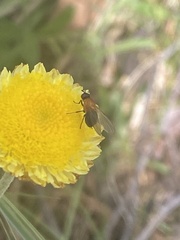
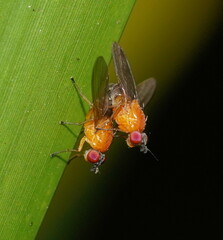
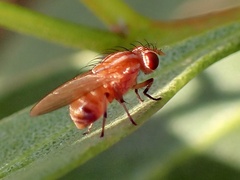
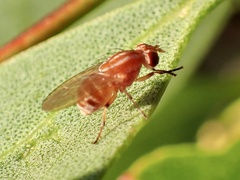
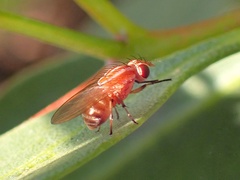
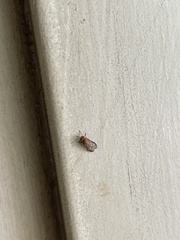

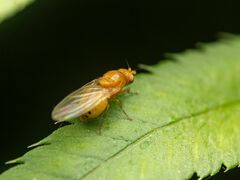
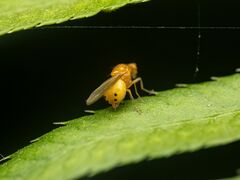
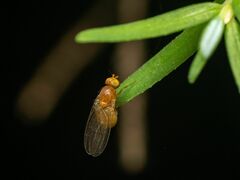
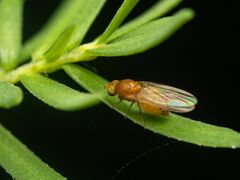
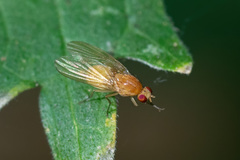
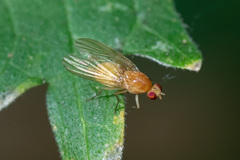
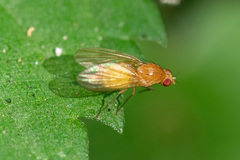
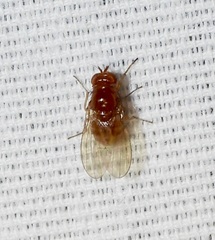

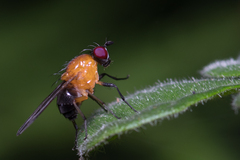
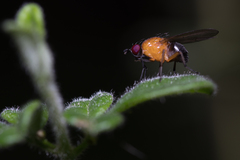
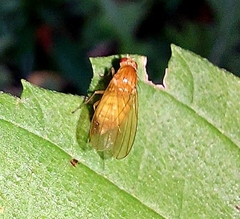
Parent Taxon
Sibling Taxa
Child Taxa
- Allominettia
- Aulogastromyia
- Australinina
- Baliopteridion
- Cainohomoneura
- Calliopum
- Camptoprosopella
- Celypholauxania
- Cephaloconus
- Cerataulina
- Ceratolauxania
- Cestrotus
- Chaetocoelia
- Chaetominettia
- Cnemacantha
- Depressa
- Dioides
- Drepanephora
- Dryomyzothea
- Dyticomyia
- Eurychoromyiinae
- Eusapromyza
- Evertomyia
- Griphoneura
- Homoneura
- Homoneurinae
- Incurviseta
- Kerteszomyia
- Lauxania
- Lauxaniinae
- Lauxanostegana
- Luzonomyza
- Marmarodeceia
- Meiosimyza
- Melanina
- Melanomyza
- Melinomyia
- Mettinia
- Minettia
- Mycterella
- Neodecia
- Neogriphoneura
- Neominettia
- Neoxangelina
- Noeetomima
- Noonamyia
- Oncodometopus
- Pachycerina
- Pachyopella
- Paracestrotus
- Paranomina
- Peplominettia
- Peplomyza
- Phobeticomyia
- Physegenua
- Physoclypeus
- Poecilohetaerella
- Poecilohetaerus
- Poecilolycia
- Poecilominettia
- Procrita
- Prosamyza
- Prosopomyia
- Prosopophorella
- Protrigonometopus
- Pseudocalliope
- Pseudogriphoneura
- Pseudolyciella
- Rhagadolyra
- Sapromyzosoma
- Sciasminettia
- Sciasmomyia
- Scutominettia
- Setulina
- Siphonophysa
- Spathecerus
- Steganolauxania
- Steganopsis
- Tanyura
- Teratolauxania
- Tetroxyrhina
- Tricholauxania
- Triconopsis
- Trigonometopsis
- Trigonometopus
- Trisapromyza
- Trypetisoma
- Wawu
- Xangelina
- Xenochaetina
- Xenopterella
- Zargopsinettia
Top Observation Places
- Pinetown
- Gent
- Montréal
- Itagüí
- Envigado
- Coral Gables
- Prague
- Freiburg
- York
- Tepic
- Xalapa de Enríquez
- Luxembourg
- George
- Kassel
- Lisbon
- Khoroshëvo-Mnevniki
- Ramenki
- Troparëvo
- Shchukino
- Obruchevo
- Fili
- Pokrovskoye-Streshnëvo
- Santa Cruz
- Braunschweig
- Köln
- Nippes
- Anderlecht
- Ixelles
- Saint-Gilles
- Davis
- Victoria
- Cambridge
- Wellington
- Thāne
- Santo Tomé
- Copenhagen
- San Rafael
- West Raleigh
- Cary
- Belgrano
- Colegiales
- Towson
- Tlalpan
- Magdalena Contreras
- Tallahassee
- New Orleans
- San Jose
- Warsaw
- Mokotów
- Praga Południe