Lithobates clamitans: taxon details and analytics
- Domain
- Kingdom
- Animalia
- Phylum
- Chordata
- Class
- Amphibia
- Order
- Anura
- Family
- Ranidae
- Genus
- Lithobates
- Species
- Lithobates clamitans
- Scientific Name
- Lithobates clamitans
Summary description from Wikipedia:
Lithobates clamitans
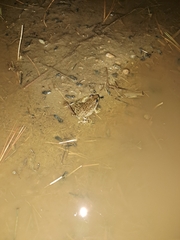
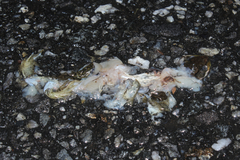
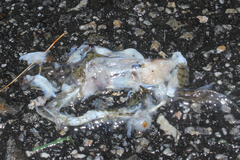
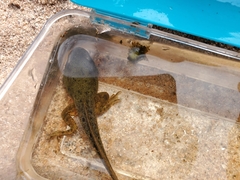
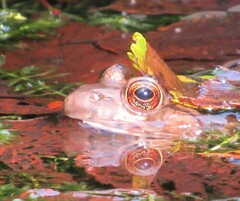
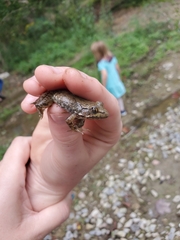
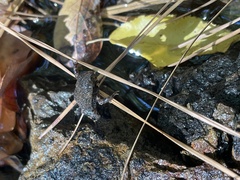
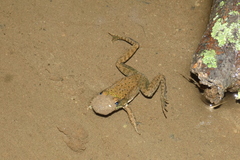
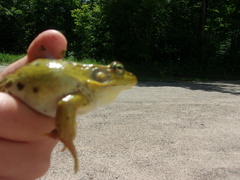
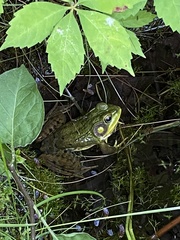
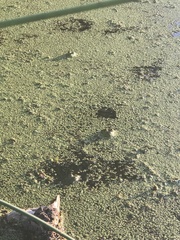
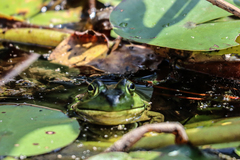
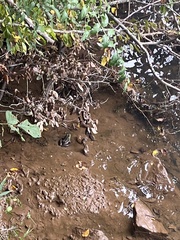
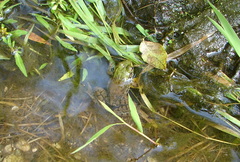
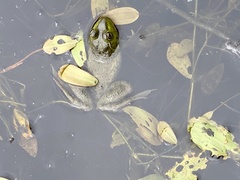
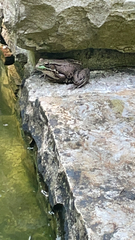
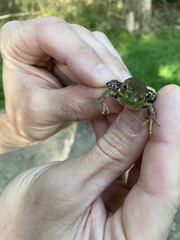
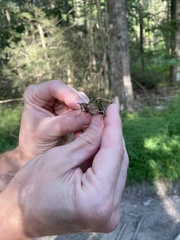
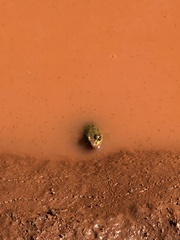
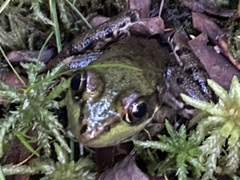
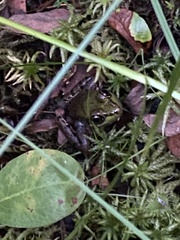
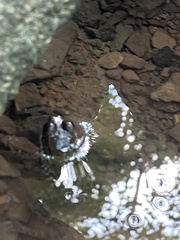
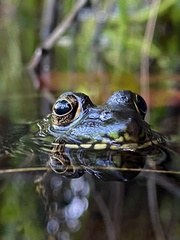
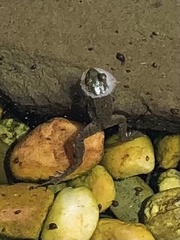
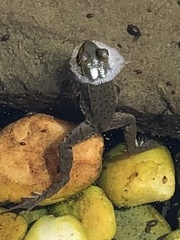
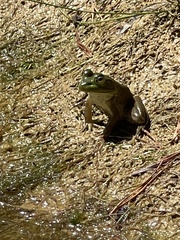
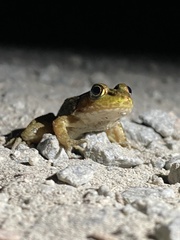
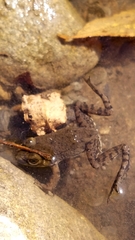
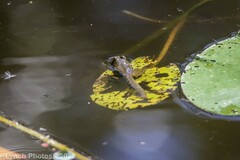
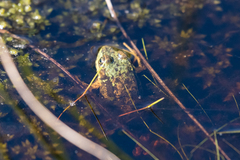
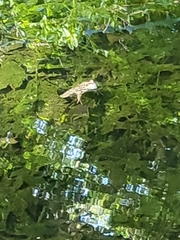
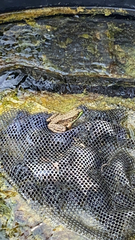
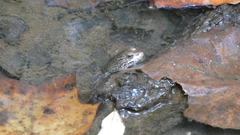
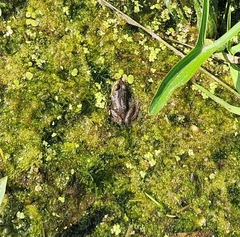
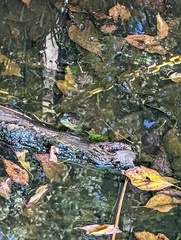
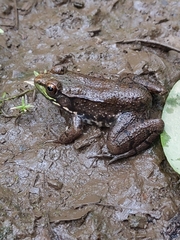
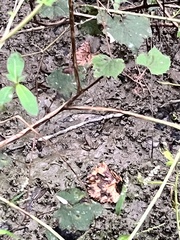
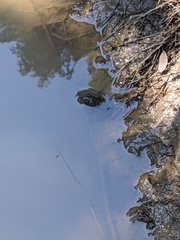
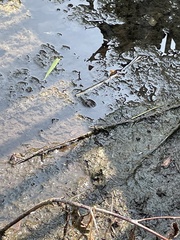
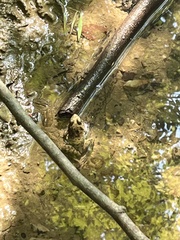
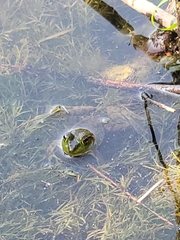
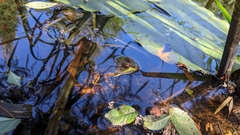
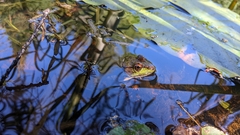
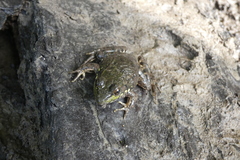
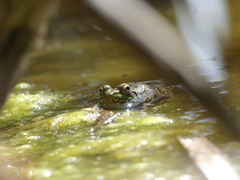
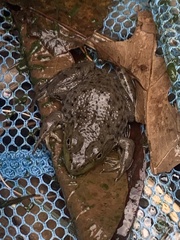
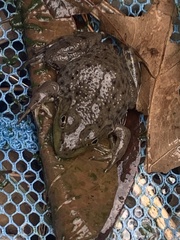
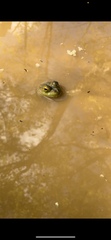
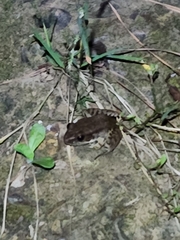
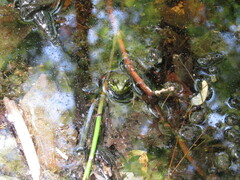
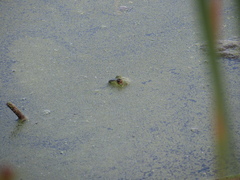
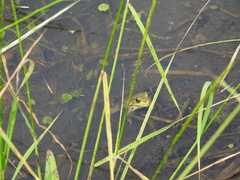
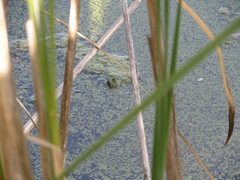
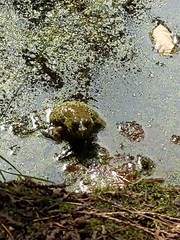
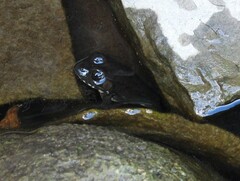
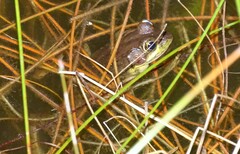
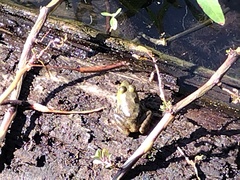
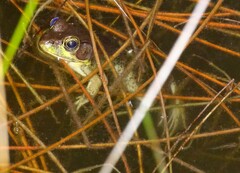
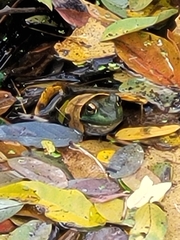
Lithobates clamitans or Rana clamitans, commonly known as the green frog, is a species of frog native to eastern North America. The two subspecies are the bronze frog and the northern green frog.
These frogs, as described by their name, typically have varying degrees of green heads. These frogs display significant acts of territoriality, with males being the primary actors. Male green frogs use this technique against other male frogs in addition to other intruders that might have interest in nearing their territory. Territoriality also plays a role in mating, as females favor males who are strong in this field and exhibit strong mating calls. Male green frogs use four different types of breeding calls to attract potential female mates. Predators of the eggs of green frogs include beetles, water bugs, and water scorpions. Adult frogs are typically threatened by several types of birds.
...Lithobates clamitans in languages:
- Arabic
- ضفدع أخضر
- Chinese
- 青銅蛙
- Czech
- skokan křiklavý
- Dutch
- Schreeuwkikker
- English
- Green Frog
- English
- North American Green Frog
- English
- Northern Green Frog
- English
- Bronze Frog
- French
- Grenouille verte américaine
- French
- Grenouille verte
- German
- Schreifrosch
- Italian
- Rana verde americana
- Portuguese
- Rã-verde-americana
- Portuguese
- Rã-verde-do-norte
- Russian
- Крикливая лягушка
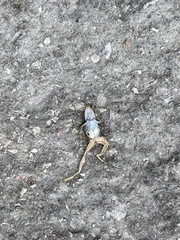
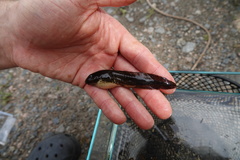
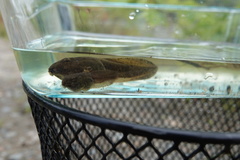
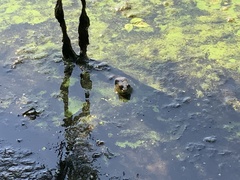
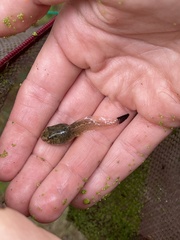
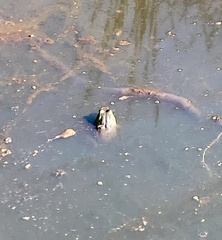
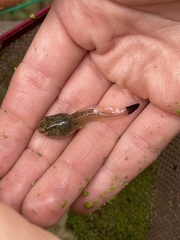
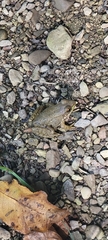
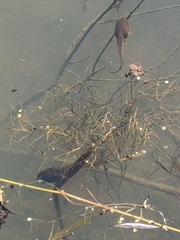
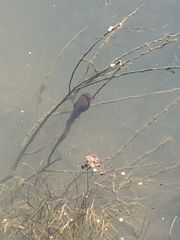
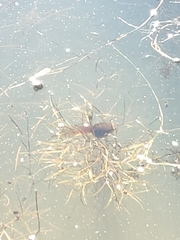
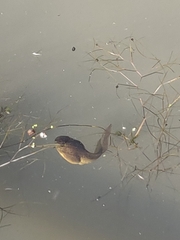
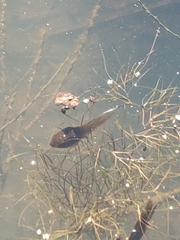
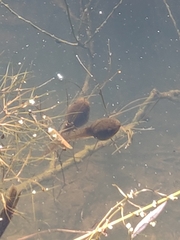
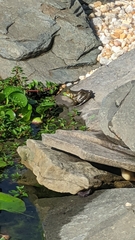
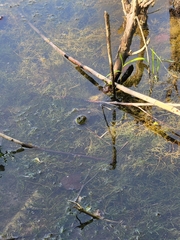
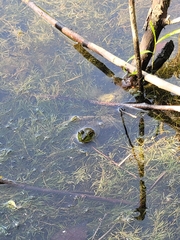
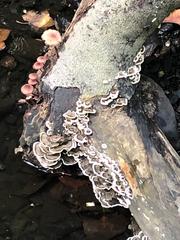
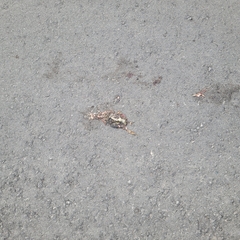
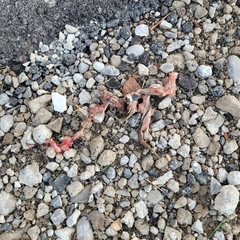
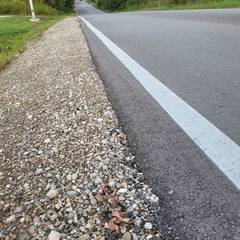
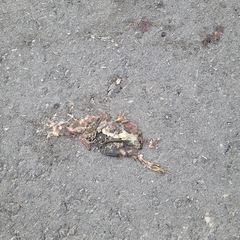
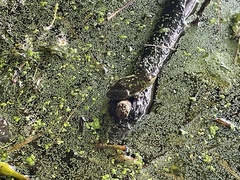
Images from inaturalist.org observations:
We recommend you sign up for this excellent, free service.

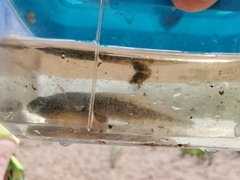
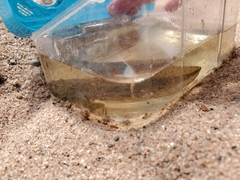
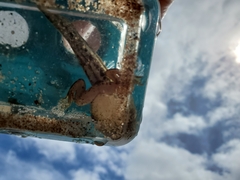
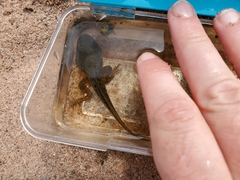



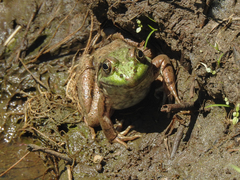


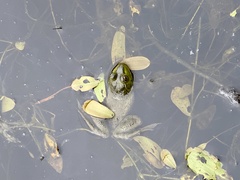
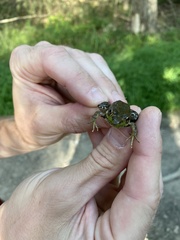
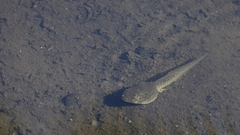
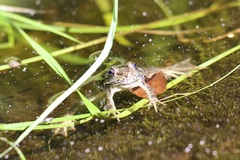
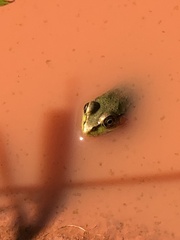
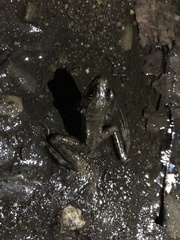
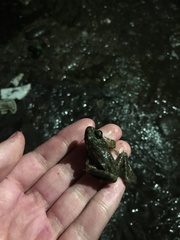
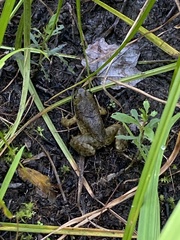
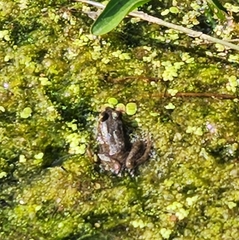
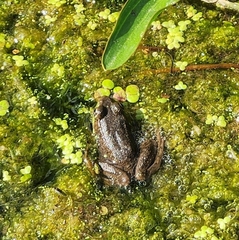
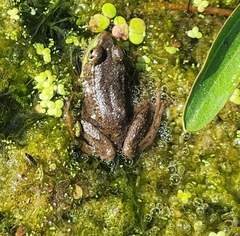
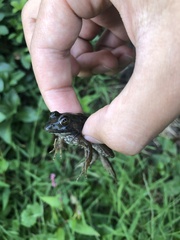

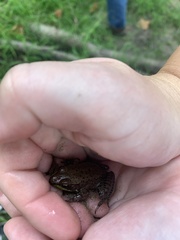
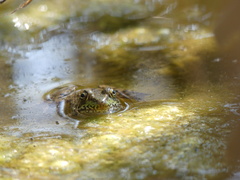




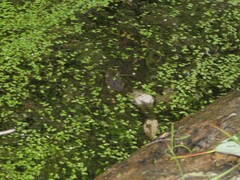
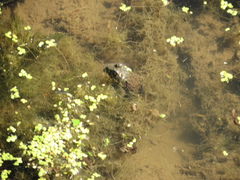
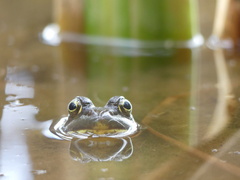
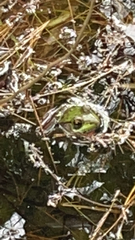
Parent Taxon
Sibling Taxa
- Lithobates areolatus
- Lithobates berlandieri
- Lithobates blairi
- Lithobates brownorum
- Lithobates bwana
- Lithobates capito
- Lithobates catesbeianus
- Lithobates chichicuahutla
- Lithobates chiricahuensis
- Lithobates clamitans
- Lithobates dunni
- Lithobates fisheri
- Lithobates forreri
- Lithobates grylio
- Lithobates heckscheri
- Lithobates johni
- Lithobates juliani
- Lithobates kauffeldi
- Lithobates lemosespinali
- Lithobates lenca
- Lithobates macroglossa
- Lithobates maculatus
- Lithobates magnaocularis
- Lithobates megapoda
- Lithobates miadis
- Lithobates montezumae
- Lithobates neovolcanicus
- Lithobates okaloosae
- Lithobates omiltemanus
- Lithobates onca
- Lithobates palmipes
- Lithobates palustris
- Lithobates pipiens
- Lithobates psilonota
- Lithobates pueblae
- Lithobates pustulosus
- Lithobates septentrionalis
- Lithobates sevosus
- Lithobates sierramadrensis
- Lithobates spectabilis
- Lithobates sphenocephalus
- Lithobates sylvaticus
- Lithobates tarahumarae
- Lithobates taylori
- Lithobates tlaloci
- Lithobates vaillanti
- Lithobates vibicarius
- Lithobates virgatipes
- Lithobates warszewitschii
- Lithobates yavapaiensis
- Lithobates zweifeli
Top Observation Places
- Jonesboro
- Cedar Rapids
- Murfreesboro
- Auburn
- West Lynchburg
- Peoria
- North Peoria
- Fort Wayne
- Athens
- St. John's
- Toledo
- Lexington
- Tallahassee
- Lafayette
- Sarnia
- Utica
- Duluth
- Lafayette
- North Bay
- Chattanooga
- Moncton
- Scranton
- Appleton
- Virginia Beach
- Rockford
- Columbia
- Green Bay
- Newport News
- Johnson City
- Kingsport
- Huntsville
- Dayton
- Kettering
- Carmel
- Kalamazoo
- Gary
- Nashville
- Franklin
- The Woodlands
- Conroe
- Spring
- Knoxville
- Portland
- Pittsburgh
- Fredericton
- Richmond
- Gainesville
- Asheville
- Chilliwack
- Bloomington