Muscicapa: taxon details and analytics
- Domain
- Kingdom
- Animalia
- Phylum
- Chordata
- Class
- Aves
- Order
- Passeriformes
- Family
- Muscicapidae
- Genus
- Muscicapa
- Species
- Scientific Name
- Muscicapa
Summary description from Wikipedia:
Muscicapa
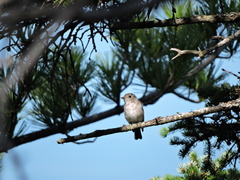
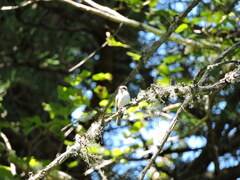
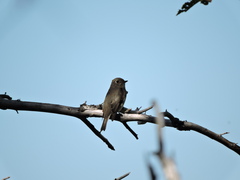
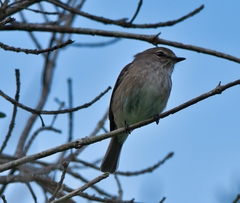
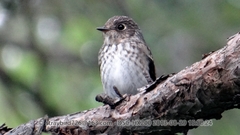
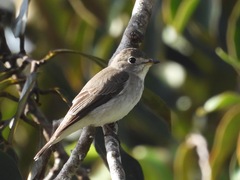
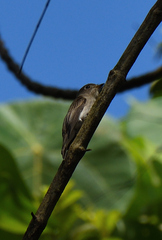
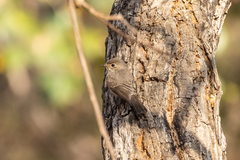
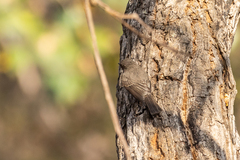
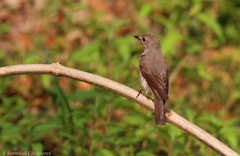
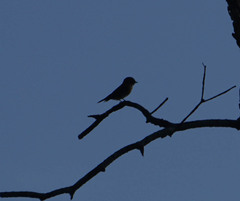
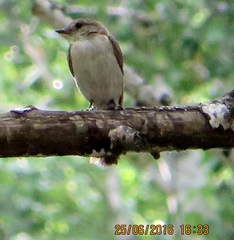
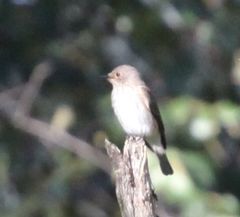
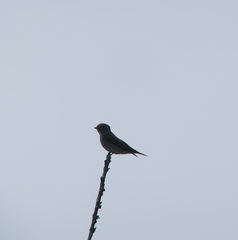
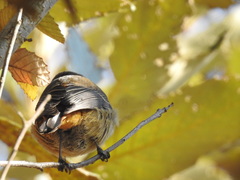
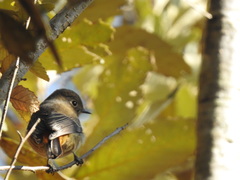
Muscicapa is a genus of passerine birds belonging to the Old World flycatcher family Muscicapidae, and therein to the typical flycatchers of subfamily Muscicapinae. They are widespread across Europe, Africa and Asia with most species occurring in forest and woodland habitats. Several species are migratory, moving south from Europe and northern Asia for the winter.
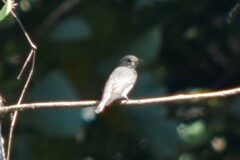
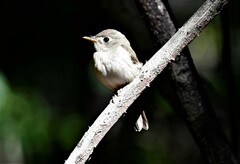
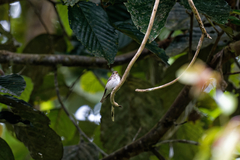
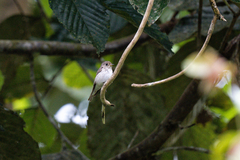
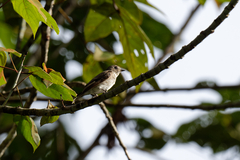
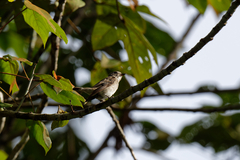
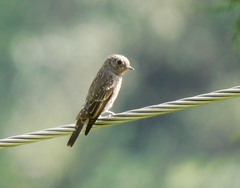
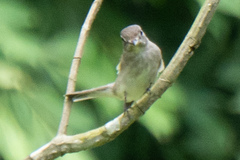
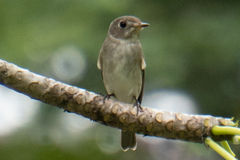
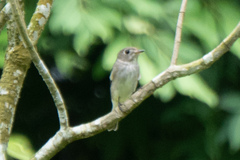
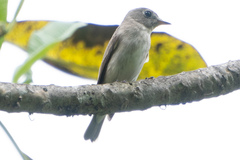
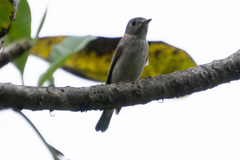
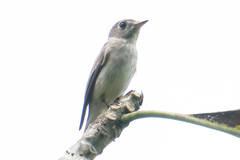
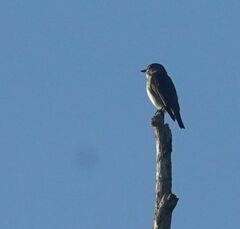
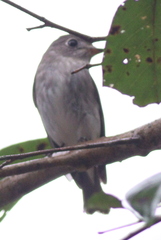
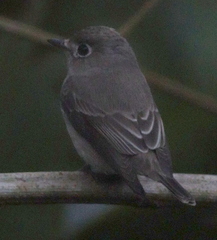
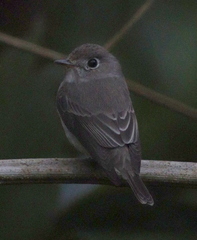
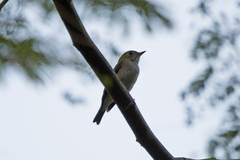
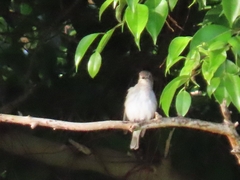
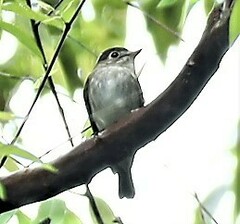
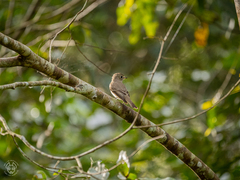
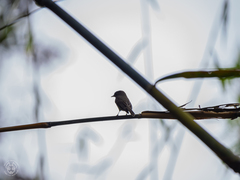
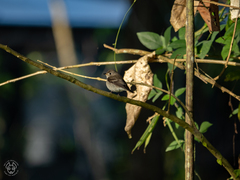
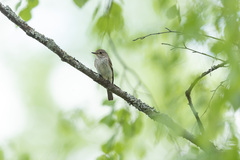
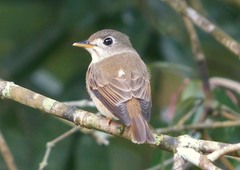
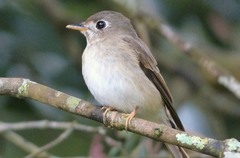
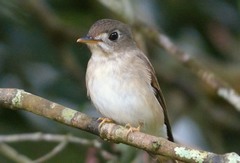
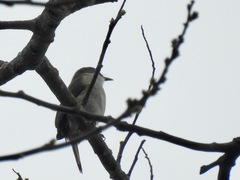
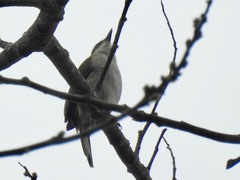
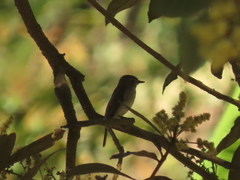
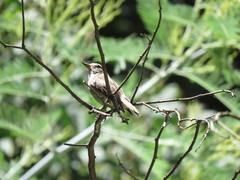
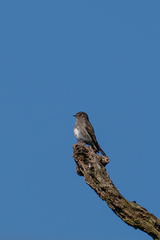
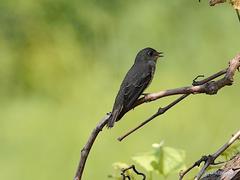
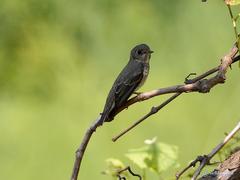
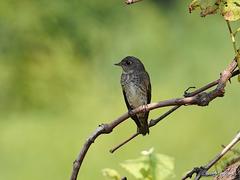
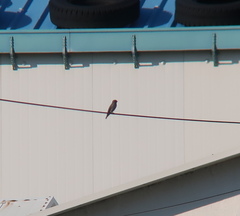
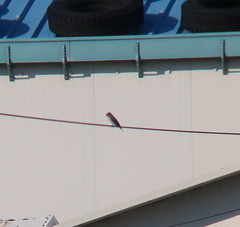
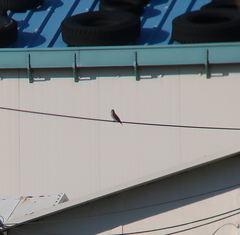
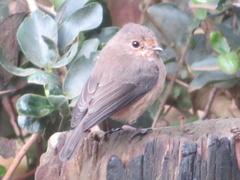
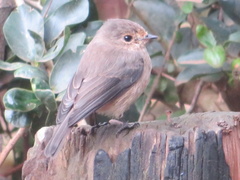
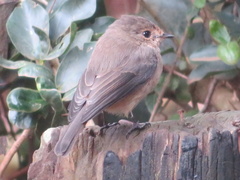
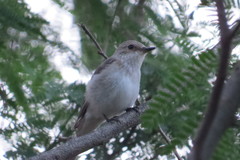
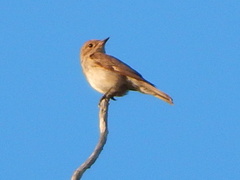
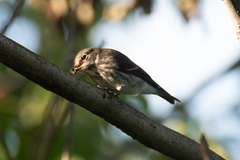
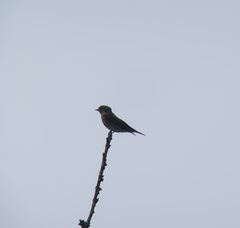
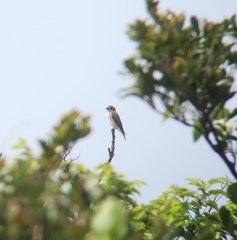
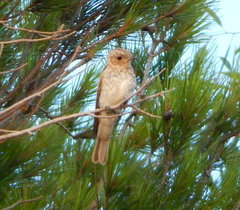
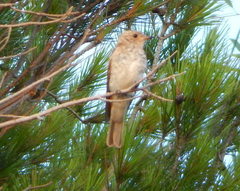
They are small birds, 9 to 15 cm (3.5 to 5.9 in) in length. They have a large head, short tail and a flattened bill, broader at the base. Their plumage is mostly drab brown or grey and rather plain. Young birds tend to be more spotted or mottled.
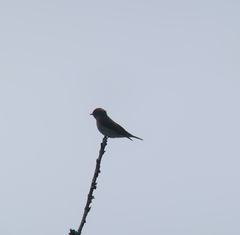
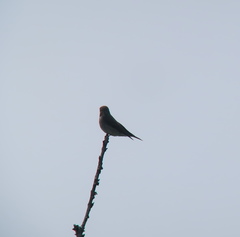
Muscicapa flycatchers typically feed on flying insects which are caught by sallying out from an exposed perch. The nest is usually cup-shaped and built on a tree branch but some African species nest in tree holes.
...Muscicapa in languages:
- Bokmål
- Typiske gråfluesnappere
- Czech
- lejsek
- English
- Muscicapa Flycatchers
- English
- Typical Plain Flycatchers
- Finnish
- harmaasiepot
- German
- Echte Fliegenschnäpper
- Japanese
- サメビタキ属
- Korean
- 솔딱새속
- Modern Greek
- Μυγοχάφτης
- Modern Greek
- Μυιοθηρίδες
- Russian
- Настоящие мухоловки
- Thai
- นกจับแมลงสีน้ำตาล นกจับแมลงสีคล้ำ ฯลฯ
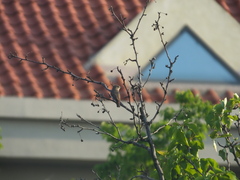
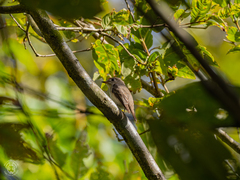
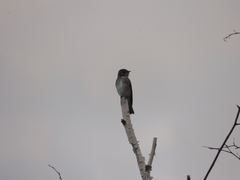
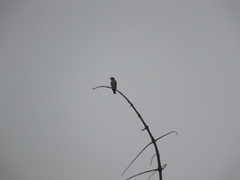
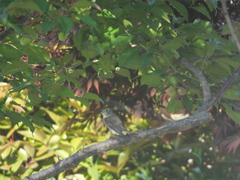
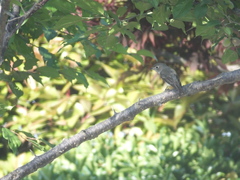
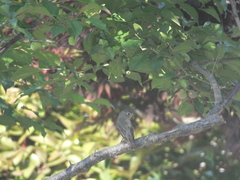
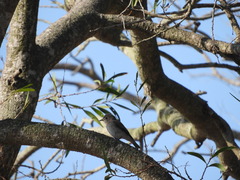
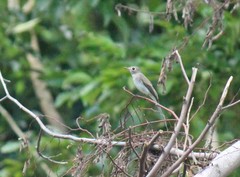
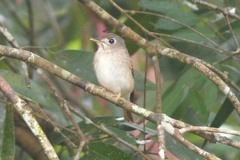
Images from inaturalist.org observations:
We recommend you sign up for this excellent, free service.
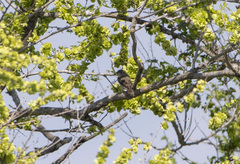
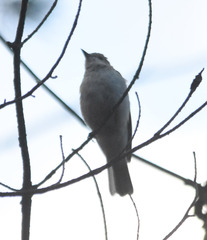
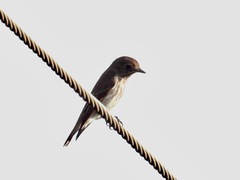
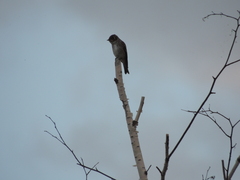
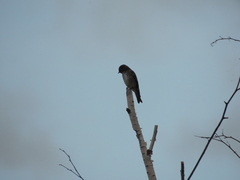
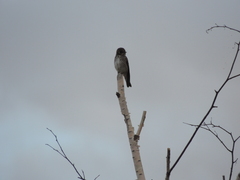
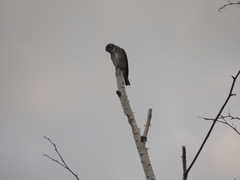
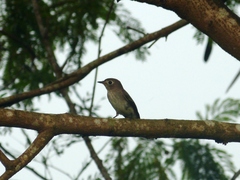
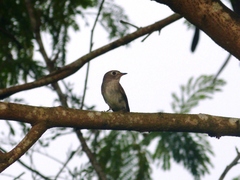
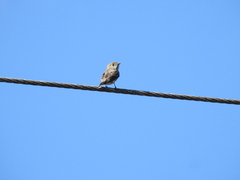
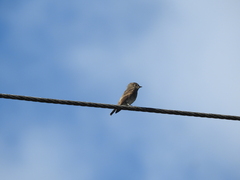
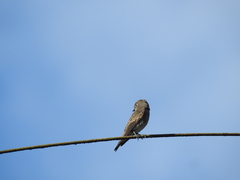
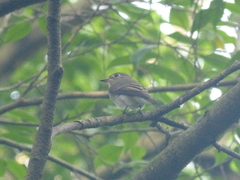
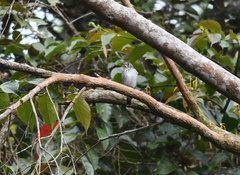
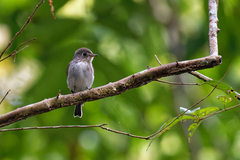
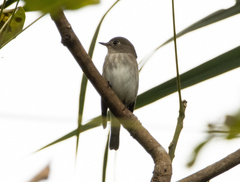
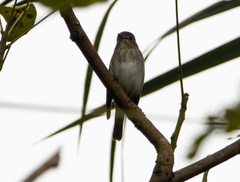
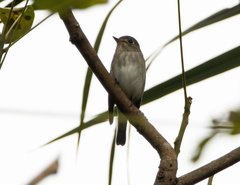
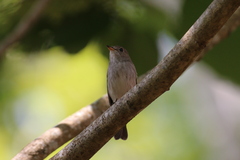
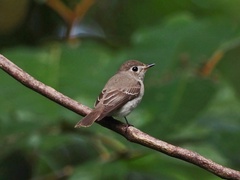
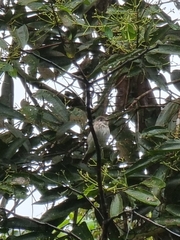
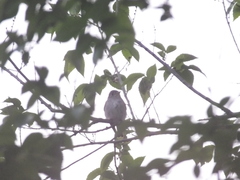
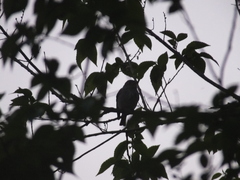
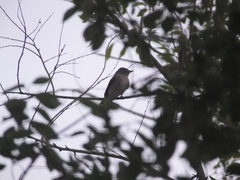
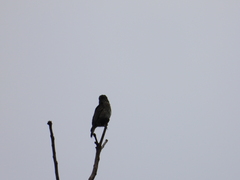
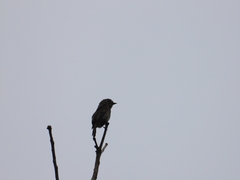
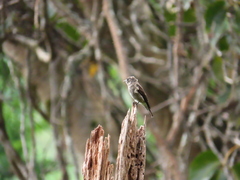
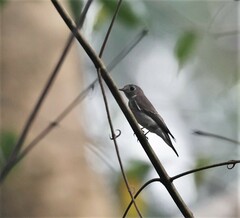
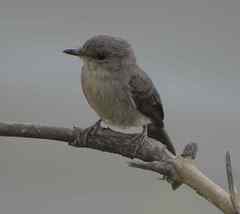
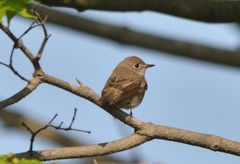
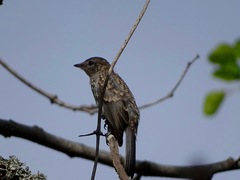
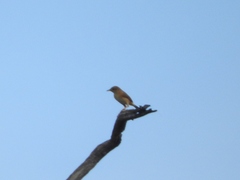
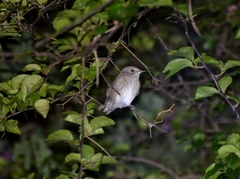
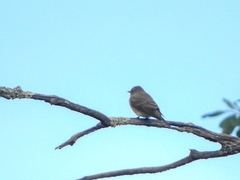
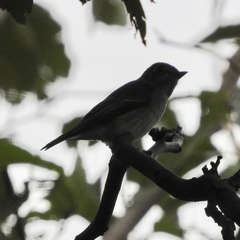
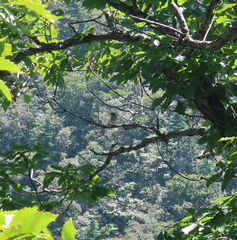
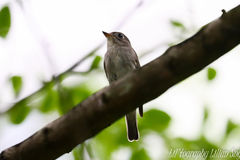
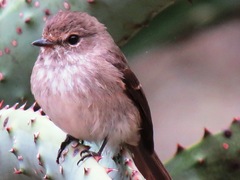
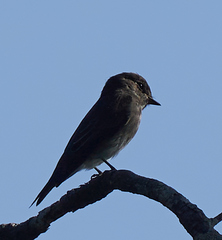
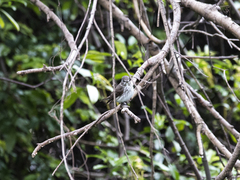
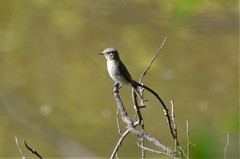
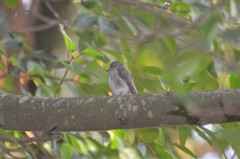
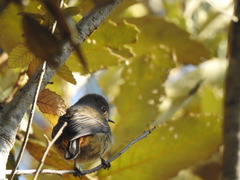
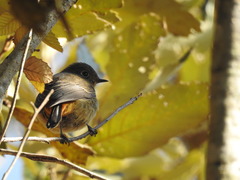
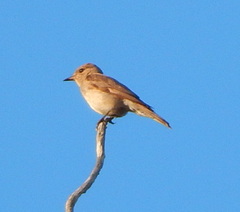
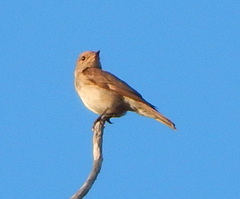
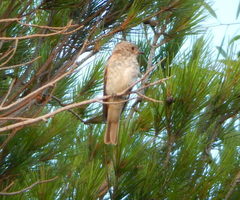
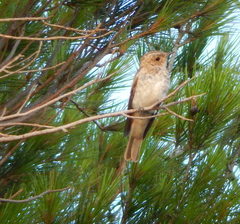
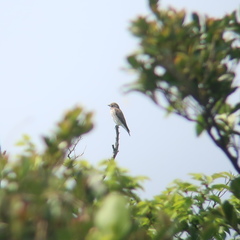
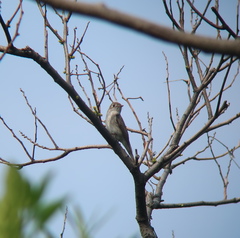
Parent Taxon
Sibling Taxa
- Agricola
- Alethe
- Anthipes
- Brachypteryx
- Bradornis
- Calliope
- Campicoloides
- Cercotrichas
- Chamaetylas
- Cichladusa
- Cinclidium
- Copsychus
- Cossypha
- Cossyphicula
- Cyanoptila
- Cyornis
- Emarginata
- Enicurus
- Erithacus
- Eumyias
- Ficedula
- Fraseria
- Heinrichia
- Heteroxenicus
- Humblotia
- Irania
- Larvivora
- Leonardina
- Luscinia
- Melaenornis
- Monticola
- Muscicapa
- Myiomela
- Myophonus
- Myrmecocichla
- Niltava
- Oenanthe
- Phoenicurus
- Pinarochroa
- Pinarornis
- Pogonocichla
- Saxicola
- Sheppardia
- Sholicola
- Stiphrornis
- Swynnertonia
- Tarsiger
- Thamnolaea
- Vauriella
- Xenocopsychus