Mycetophilidae: taxon details and analytics
- Domain
- Kingdom
- Animalia
- Phylum
- Arthropoda
- Class
- Insecta
- Order
- Diptera
- Family
- Mycetophilidae
- Genus
- Species
- Scientific Name
- Mycetophilidae
Summary description from Wikipedia:
Mycetophilidae
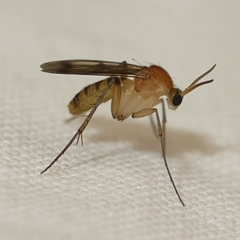
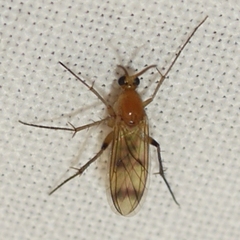
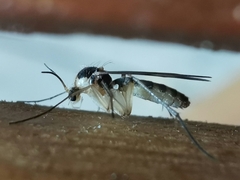
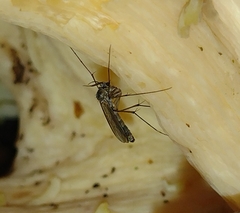
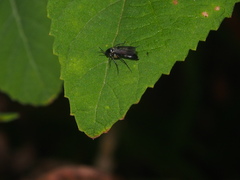
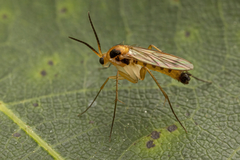
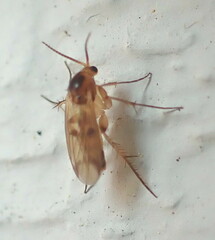
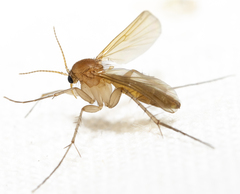
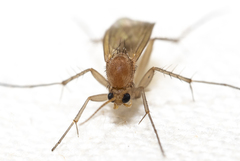
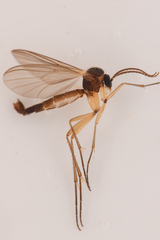
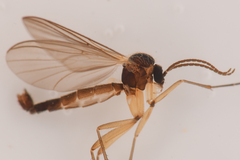
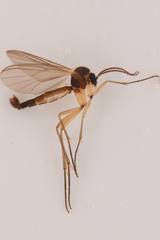
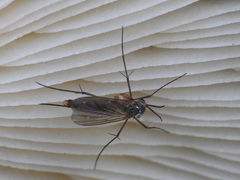
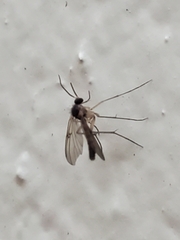
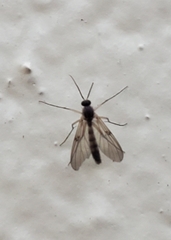
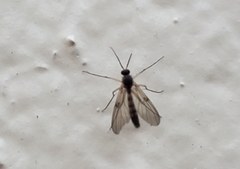
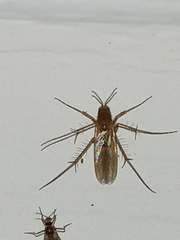
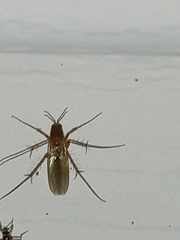
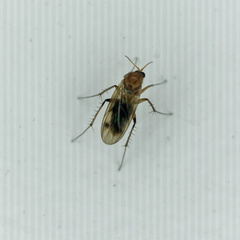
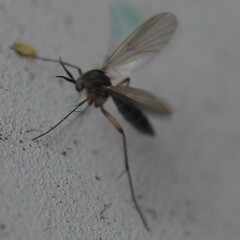
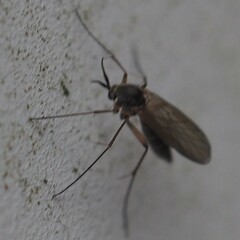
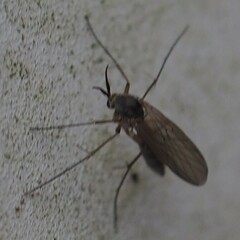
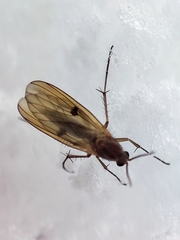
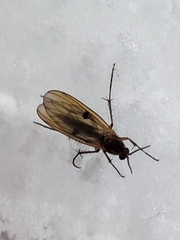
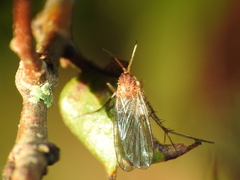
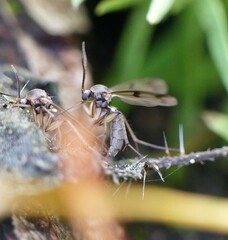
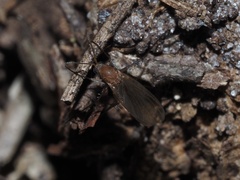
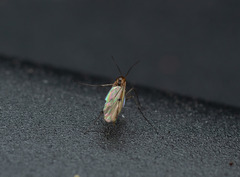
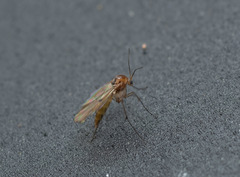
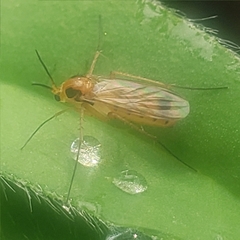
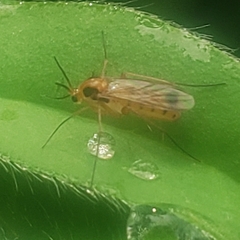
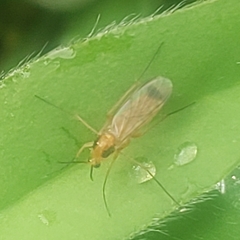
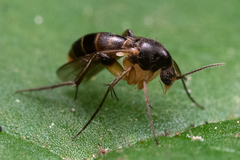
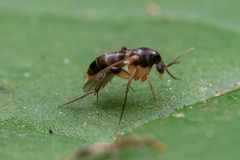
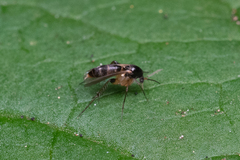
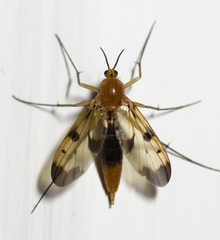
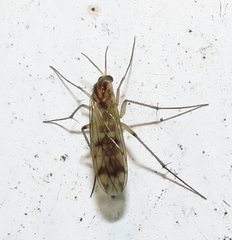
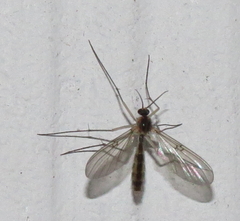
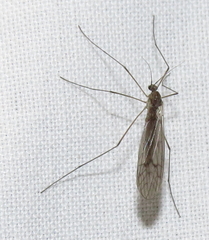
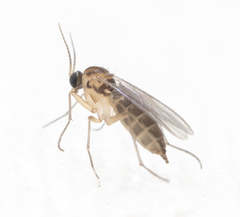
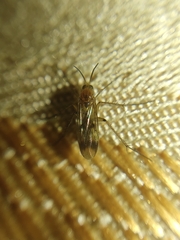
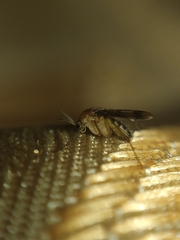
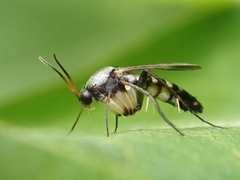
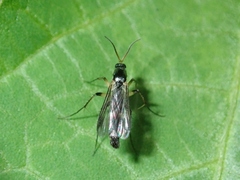
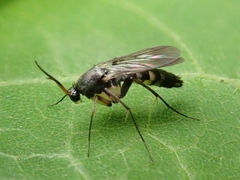
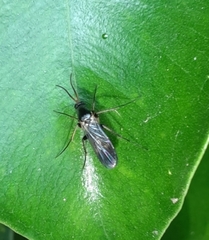
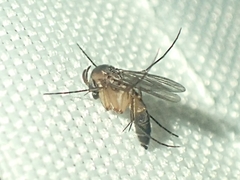
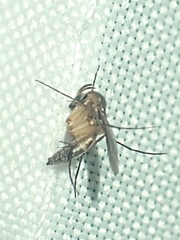
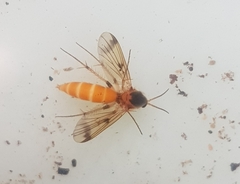
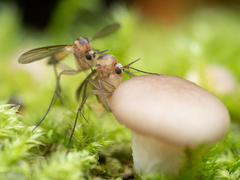
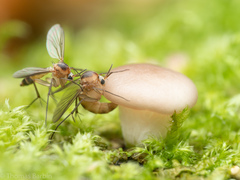
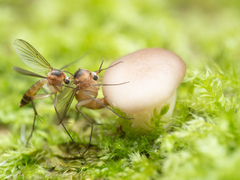
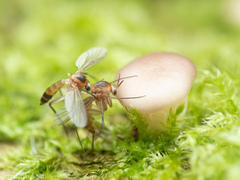
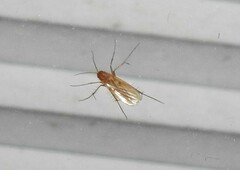
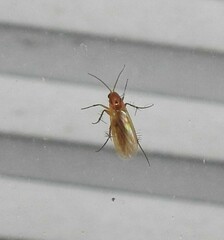
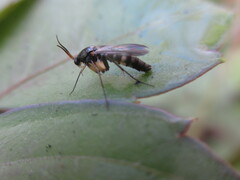
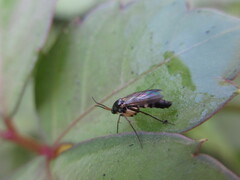
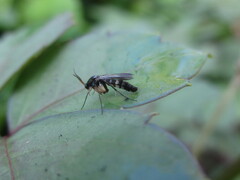
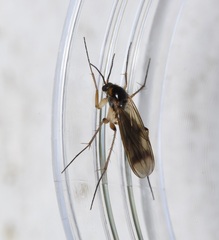
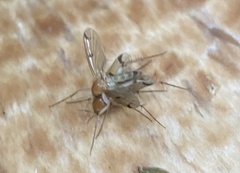
Mycetophilidae is a family of small flies, forming the bulk of those species known as fungus gnats. About 3000 described species are placed in 150 genera, but the true number of species is undoubtedly much higher. They are generally found in the damp habitats favoured by their host fungi and sometimes form dense swarms.
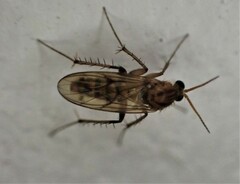
Adults of this family can usually be separated from other small flies by the strongly humped thorax, well-developed coxae, and often spinose legs, but identification within the family between genera and species generally requires close study of microscopic features such as subtle differences in wing venation and variation in chaetotaxy and genitalia. The terrestrial larvae usually feed on fungi, especially the fruiting bodies, but also spores and hyphae, but some species have been recorded on mosses and liverworts. The larvae of some species, while still being associated with fungi, are at least partly predatory. Some species are attracted to the fungus smell of Jack-in-the-Pulpit, fall into their inflorescences and accomplish their pollination.
...Mycetophilidae in languages:
- Bokmål
- soppmygg
- Chinese
- 蕈蚋科 (菌蚊科)
- Czech
- bedlobytkovití
- English
- Fungus Gnats
- Finnish
- aitosienisääsket
- Finnish
- Sienisääsket
- German
- Pilzmücken
- Hungarian
- gombamuslicák
- Japanese
- キノコバエ科
- Korean
- 버섯파리과
- Lithuanian
- Grybiniai uodukai
- Modern Greek
- Μυκητοφιλίδες
- Russian
- Грибные комары
- Swedish
- svampmyggor
- Ukrainian
- Власне грибні комарики
- Ukrainian
- Грибницеві комарики
- Ukrainian
- Міцетофіліди
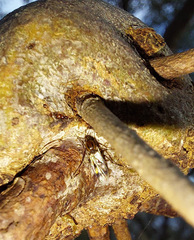
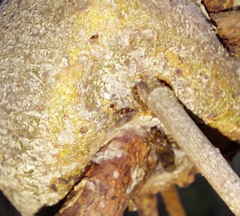
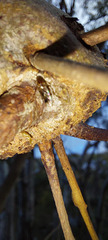
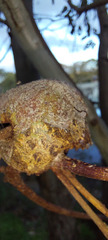
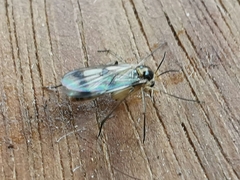
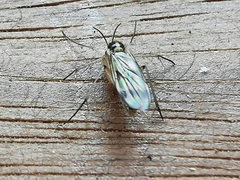
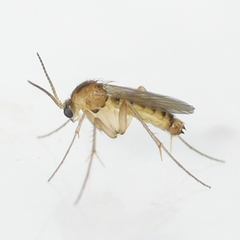
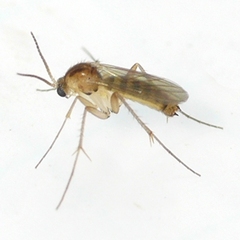
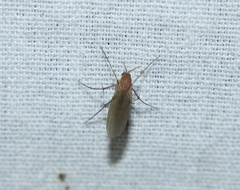
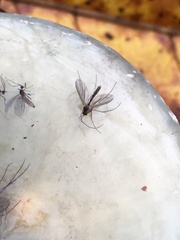
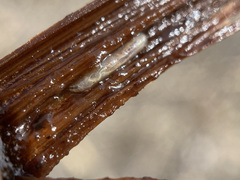
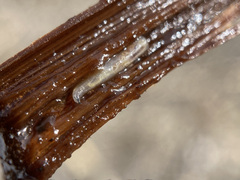
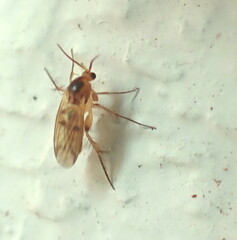
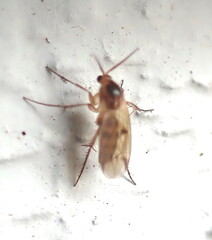
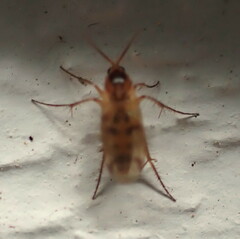
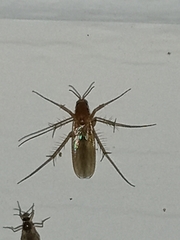
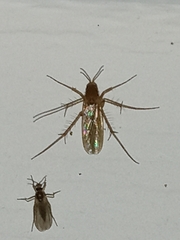
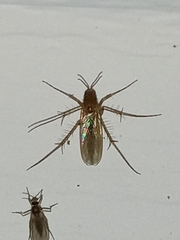
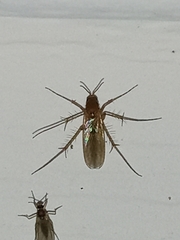
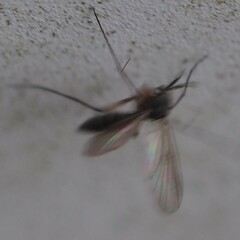
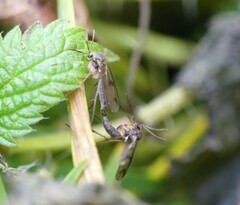
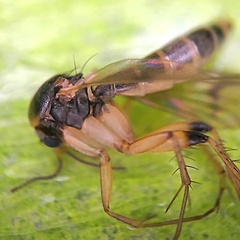
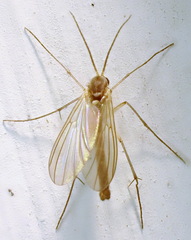
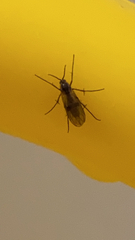
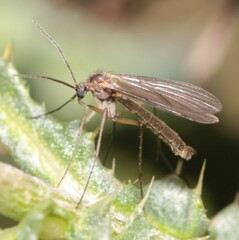
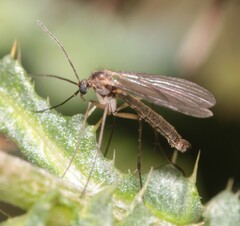
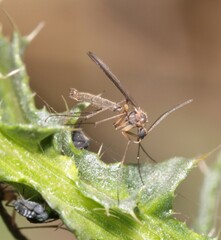
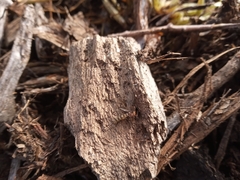
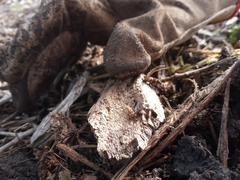
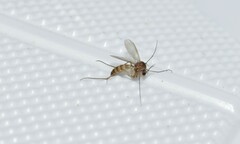
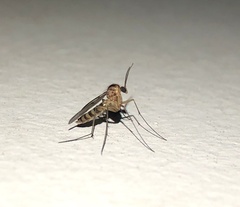
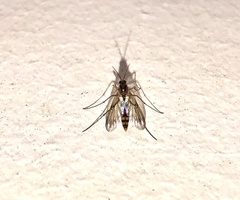
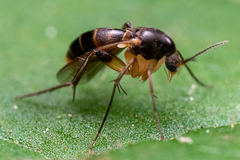
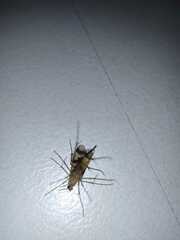
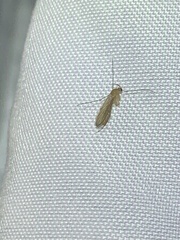
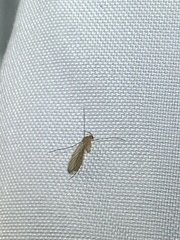
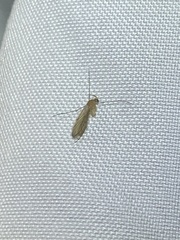
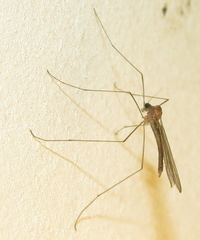
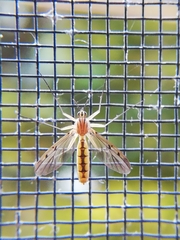
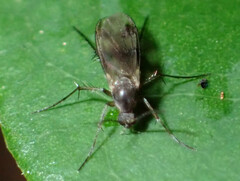
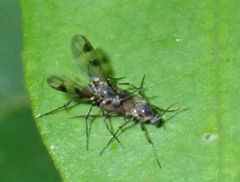
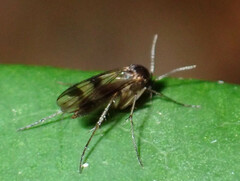
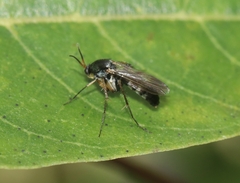
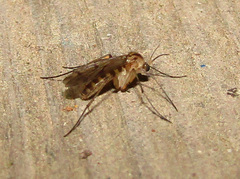
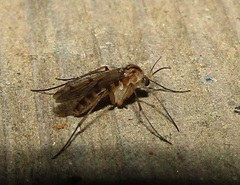
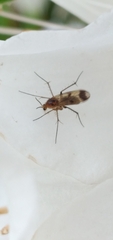
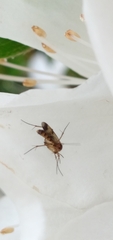
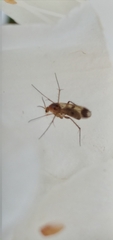
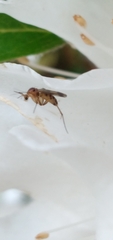
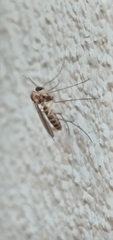
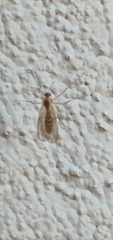
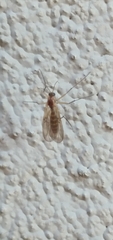
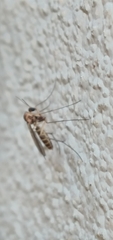
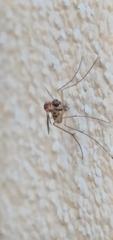
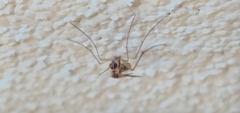
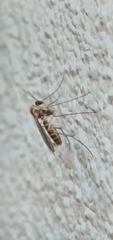
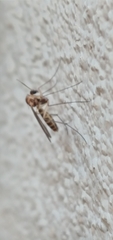
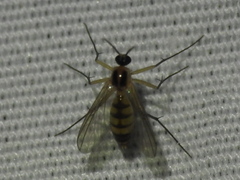
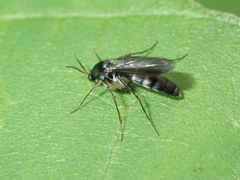
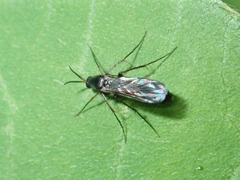
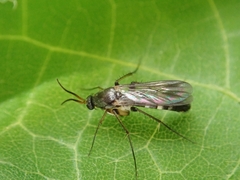
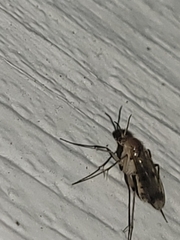
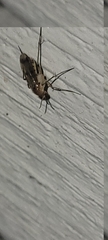
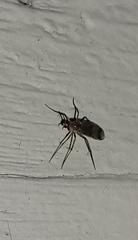
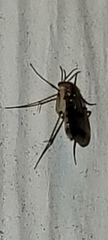
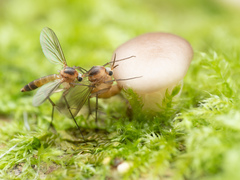
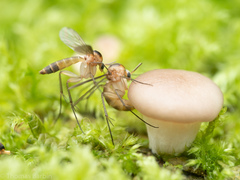
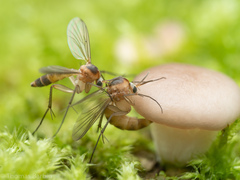
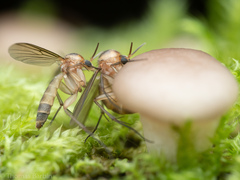
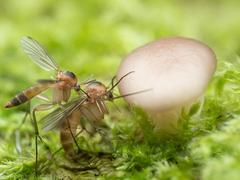
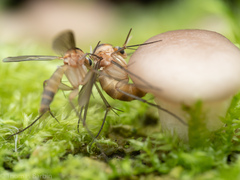
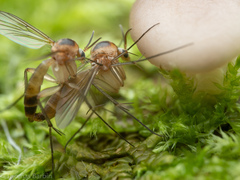
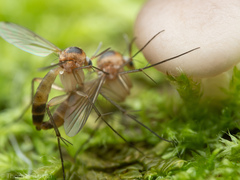
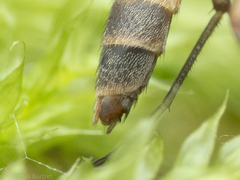
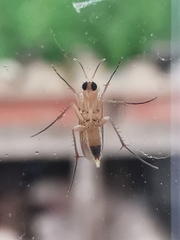
Images from inaturalist.org observations:
We recommend you sign up for this excellent, free service.
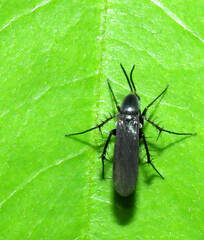
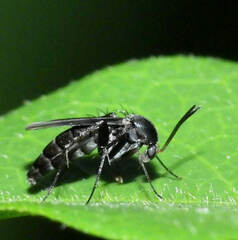
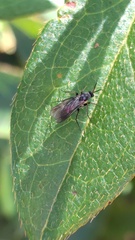
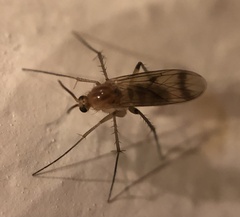
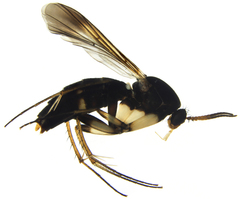
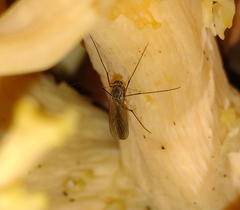
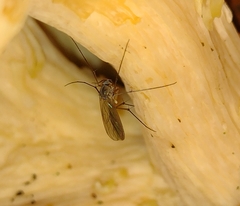
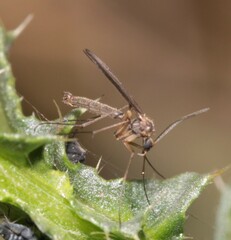
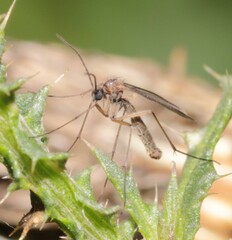
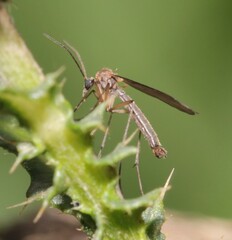
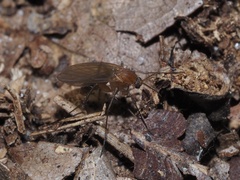

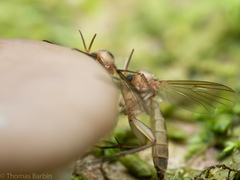
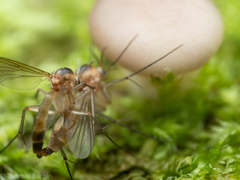
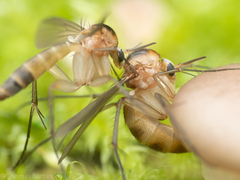
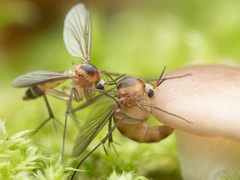
Parent Taxon
Sibling Taxa
Child Taxa
- Acnemia
- Acomoptera
- Aglaomyia
- Allactoneura
- Allodia
- Allodiopsis
- Anaclileia
- Anatella
- Anomalomyia
- Apolephthisa
- Asynaphleba
- Austrosynapha
- Azana
- Baeopterogyna
- Boletina
- Clastobasis
- Coelophthinia
- Creagdhubhia
- Ctenoceridion
- Dinempheria
- Dynatosoma
- Dziedzickia
- Epicypta
- Exechia
- Exechiopsis
- Garrettella
- Gnoriste
- Gnoristinae
- Greenomyia
- Grzegorzekia
- Hadroneura
- Impleta
- Leiinae
- Macrobrachius
- Manota
- Manotinae
- Megalopelma
- Megophthalmidia
- Monoclona
- Morganiella
- Mycetophila
- Mycetophilinae
- Mycomyiella
- Mycomyinae
- Myrosia
- Neoaphelomera
- Neoclastobasis
- Neotrizygia
- Neuratelia
- Notolopha
- Novakia
- Palaeodocosia
- Paracerotelion
- Paratinia
- Parempheriella
- Parvicellula
- Phronia
- Phthinia
- Platurocypta
- Polylepta
- Pseudexechia
- Pseudobrachypeza
- Pseudorymosia
- Ralytupa
- Saigusaia
- Schizocyttara
- Sciophilinae
- Speolepta
- Stigmatomeria
- Synapha
- Synplasta
- Syntemna
- Tarnania
- Taxicnemis
- Tetragoneura
- Trichoterga
- Zygomyia
Top Observation Places
- Fort Worth
- Waterloo
- Odintsovo
- Vancouver
- Berlin
- Kreuzberg
- Friedrichshain
- Mitte
- Wedding
- Moabit
- Lawrence
- Upland
- Royal Oak
- New Brunswick
- Levoberezhnyy
- Hamden
- Redwood City
- Victoria
- El Cajon
- La Mesa
- Raleigh
- West Raleigh
- Ellicott City
- Berkeley
- Walnut Creek
- Toronto
- Willowdale
- Waterfront Communities-The Island
- Willowdale East
- Dunedin
- San Jose
- New York City
- Brooklyn
- Manhattan
- The Bronx
- Jersey City
- Yonkers
- East Flatbush
- Washington Heights
- Astoria
- Borough Park
- Sunset Park
- Harlem
- East Harlem
- Elmhurst
- Bushwick
- Gravesend
- Corona
- Fordham
- Flatbush