Myrmeleon formicarius: taxon details and analytics
- Domain
- Kingdom
- Animalia
- Phylum
- Arthropoda
- Class
- Insecta
- Order
- Neuroptera
- Family
- Myrmeleontidae
- Genus
- Myrmeleon
- Species
- Myrmeleon formicarius
- Scientific Name
- Myrmeleon formicarius
Summary description from Wikipedia:
Myrmeleon formicarius
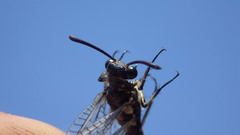
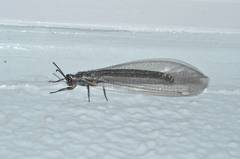
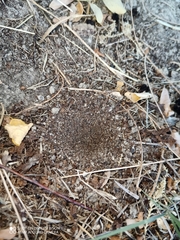
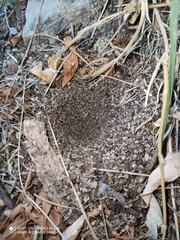
Myrmeleon formicarius is a species of antlion native to Belgium and other parts of Europe. It is known to be present in the Genk nature reserve Opglabbekerzavel in 2020, according to the species inventory prepared for the city by the ecological study/advice company Mieco-effect.
According to the European Environment Agency, this species has not yet been assessed by the IUCN and as such lacks an official conservation threat status. Despite there being little species-specific information available online, the Encyclopædia Britannica describes it as "the best known of the 65 described species" of antlions.
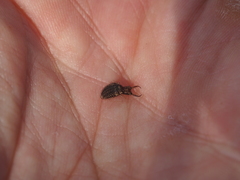
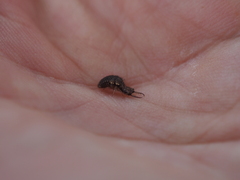
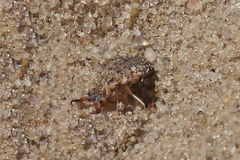
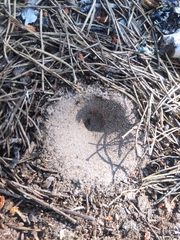
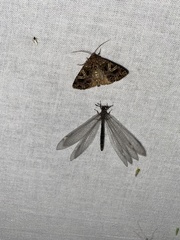
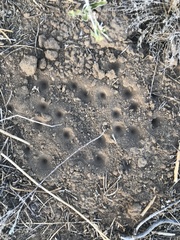
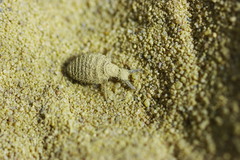
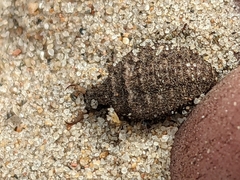
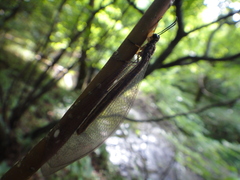
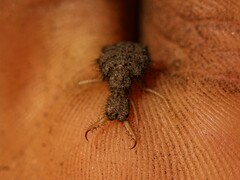
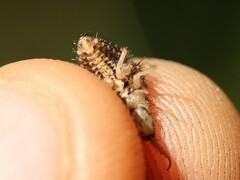
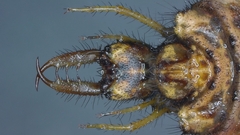
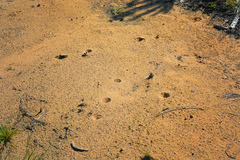
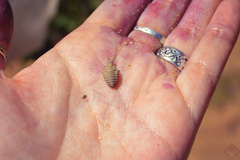
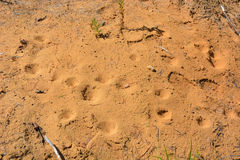
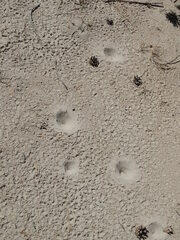
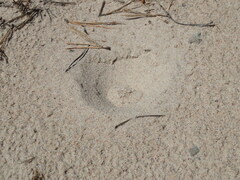
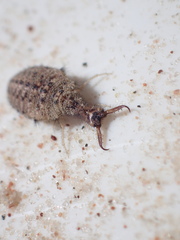
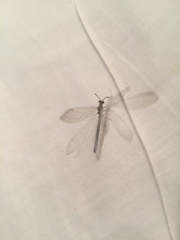
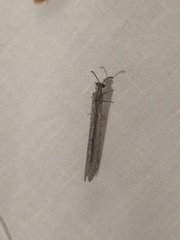
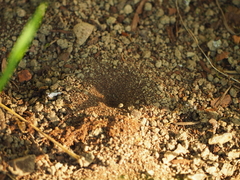
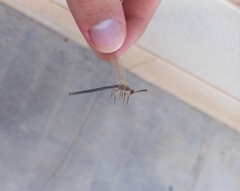
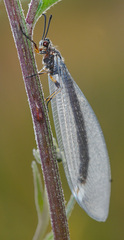
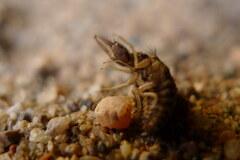
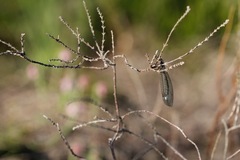
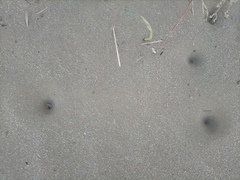
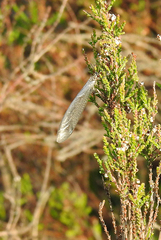
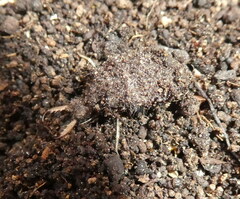
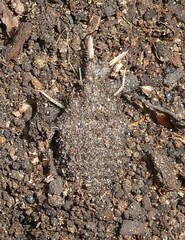
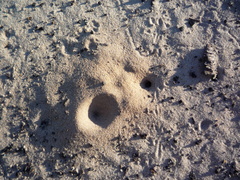
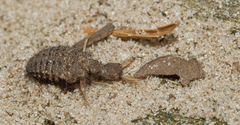
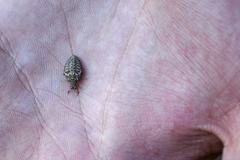
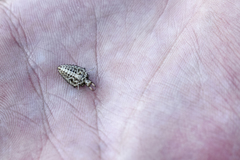
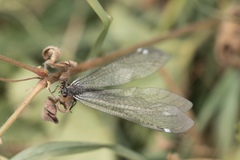
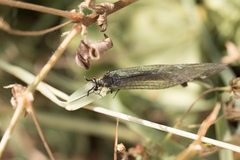
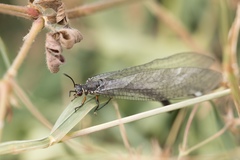
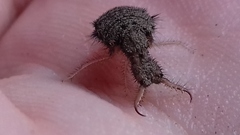
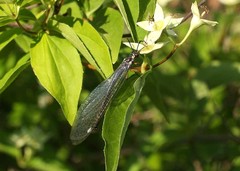
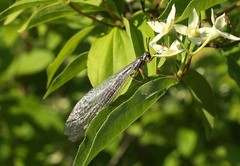
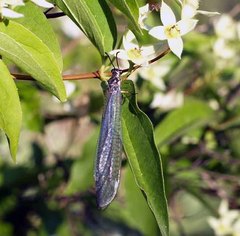
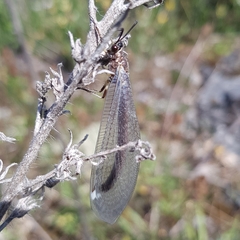
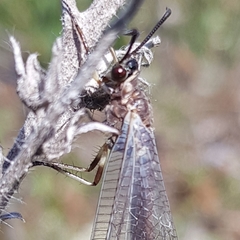
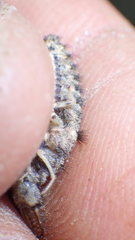
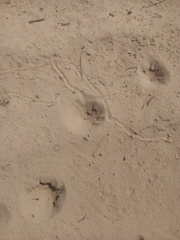
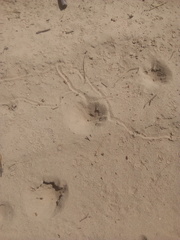
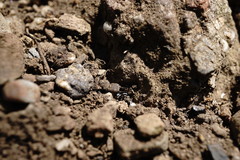
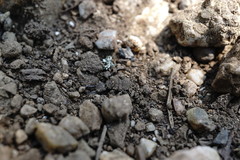
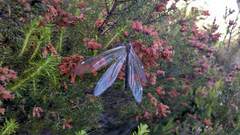
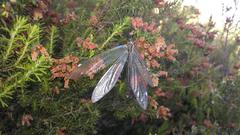
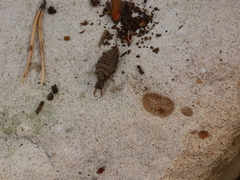
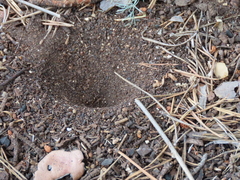
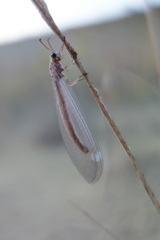
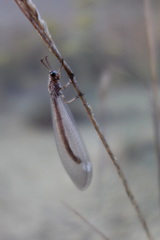
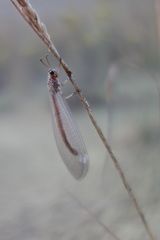
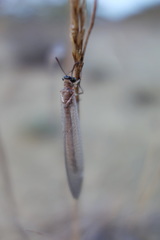
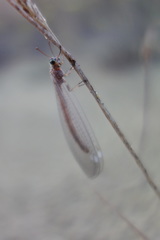
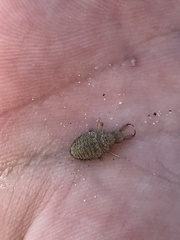
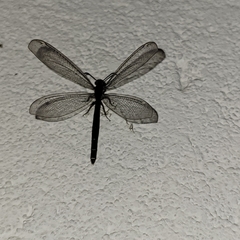
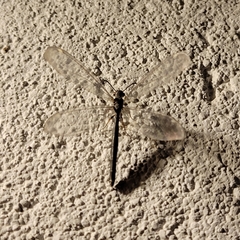
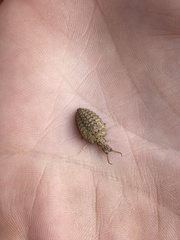
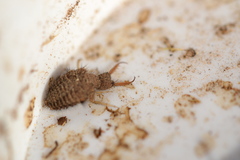
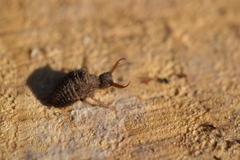
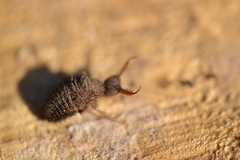
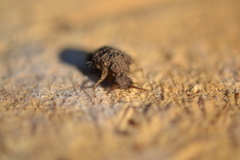
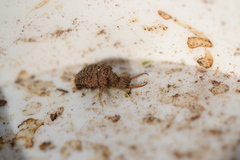
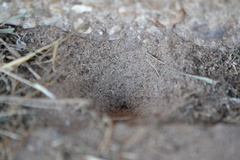
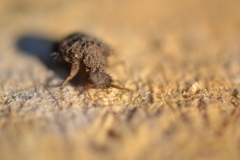
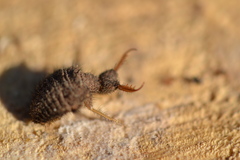
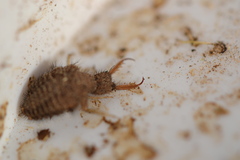
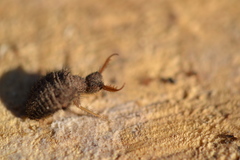
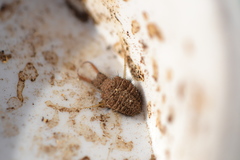
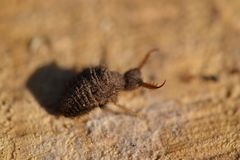
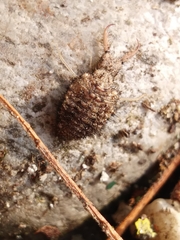
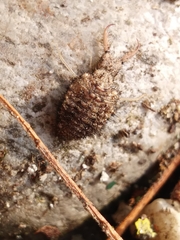
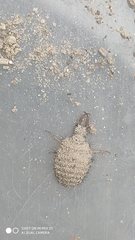
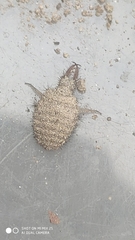
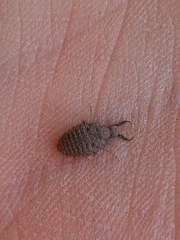
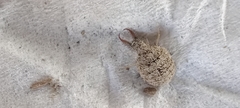
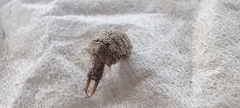
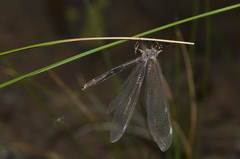
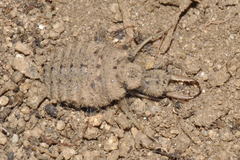
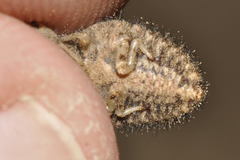
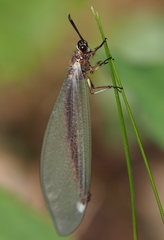
It has been suggested that there is a great deal of confusion in the distinction of individuals between M. formicarius and Euroleon nostras. The easiest hallmark of M. formicarius larvae is its largely black head, but this can easily be mis-seen due to fine humus/substrate particles clinging to their many head hairs. For adults, the lack of black flecks in their wing colours is an identifying feature.
A 2020 study by Wu et al., sequenced their mitochondrial genome and found that they are most closely related to Myrmeleon immanis, another antlion species.
The common name of M. formicarius in Dutch is Zwartkopmierenleeuw, which translates to "Blackhead antlion".
...Myrmeleon formicarius in languages:
- Bokmål
- skogmaurløve
- Czech
- mravkolev běžný
- Danish
- Stor myreløve
- Dutch
- Zwartkopmierenleeuw
- Estonian
- Harilik sipelgakiil
- Finnish
- aitomuurahaiskorento
- French
- Fourmilion commun
- German
- Gewöhnliche Ameisenjungfer
- Japanese
- コウスバカゲロウ
- Korean
- 애명주잠자리
- Lithuanian
- Paprastasis Skruzdžių Liūtas
- Polish
- Mrówkolew pospolity
- Russian
- Муравьиный Лев
- Swedish
- vanlig myrlejonslända
- Ukrainian
- Мурашиний лев звичайний
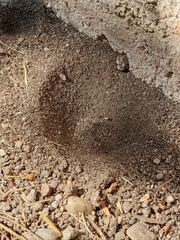
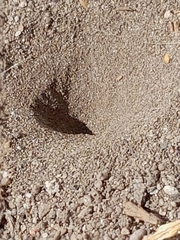
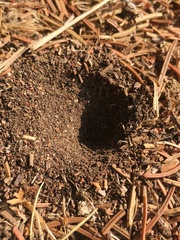
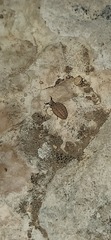
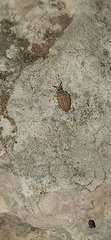
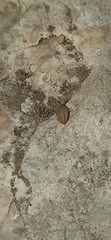
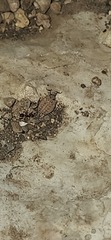
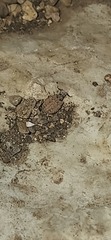
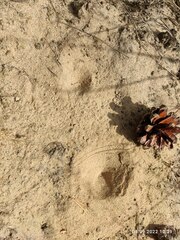
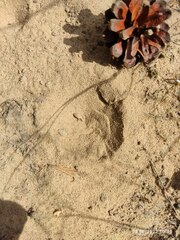
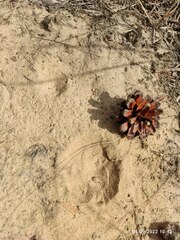
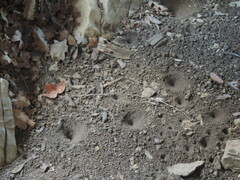
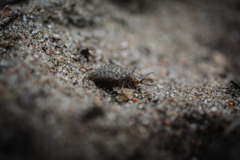
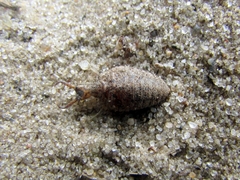
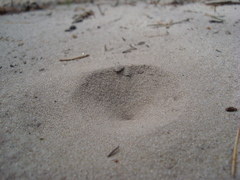
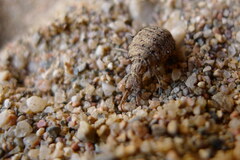
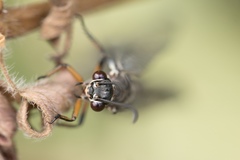
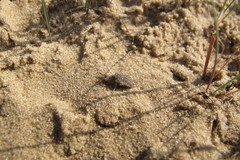
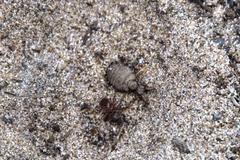
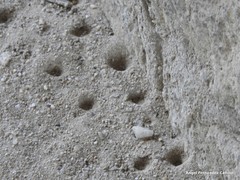
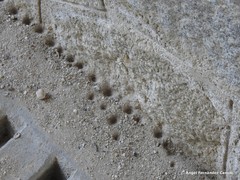
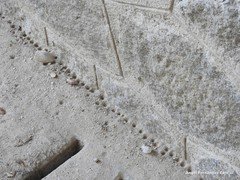
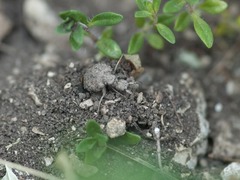
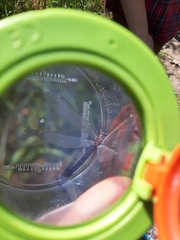
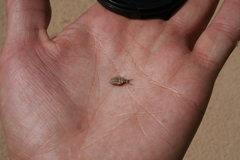
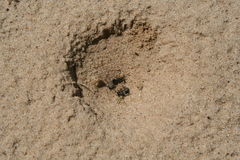
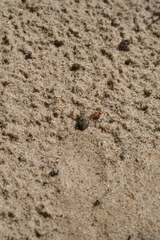
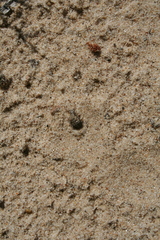
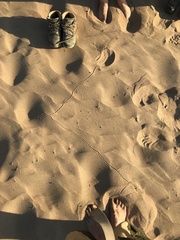
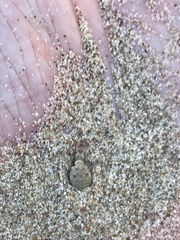
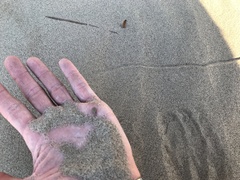
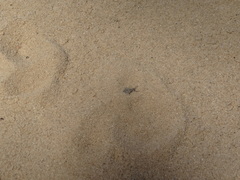
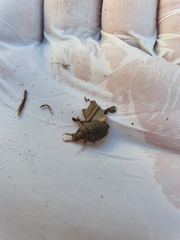
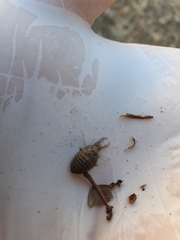
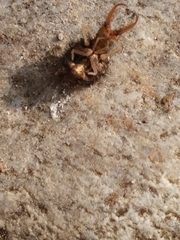
Images from inaturalist.org observations:
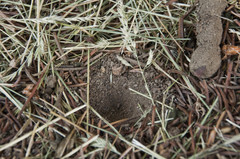
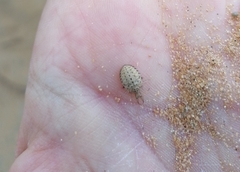
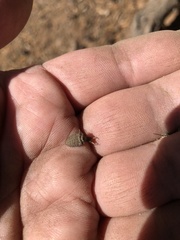
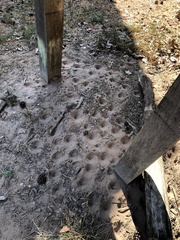
We recommend you sign up for this excellent, free service.
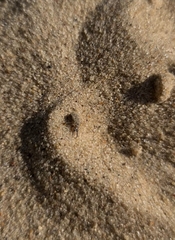
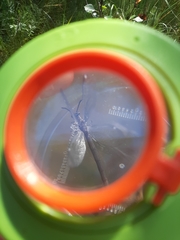
Parent Taxon
Sibling Taxa
- Myrmeleon acer
- Myrmeleon alcestris
- Myrmeleon almohadarum
- Myrmeleon almoharadum
- Myrmeleon alternans
- Myrmeleon alticola
- Myrmeleon alticolus
- Myrmeleon amicus
- Myrmeleon arizonicus
- Myrmeleon bimaculatus
- Myrmeleon bore
- Myrmeleon brasiliensis
- Myrmeleon californicus
- Myrmeleon circulis
- Myrmeleon croceicollis
- Myrmeleon crudelis
- Myrmeleon dampfi
- Myrmeleon doralice
- Myrmeleon erythrocephalus
- Myrmeleon exitialis
- Myrmeleon ferrugineipennis
- Myrmeleon formicarius
- Myrmeleon fuscus
- Myrmeleon gerlindae
- Myrmeleon hyalinus
- Myrmeleon immaculatus
- Myrmeleon immanis
- Myrmeleon inconspicuus
- Myrmeleon insertus
- Myrmeleon insperatus
- Myrmeleon laemargus
- Myrmeleon lanceolatus
- Myrmeleon lethifer
- Myrmeleon littoralis
- Myrmeleon mariaemathildae
- Myrmeleon medialis
- Myrmeleon melanurus
- Myrmeleon mexicanus
- Myrmeleon mobilis
- Myrmeleon neocaledonicus
- Myrmeleon nigromarginatus
- Myrmeleon obscurus
- Myrmeleon orestes
- Myrmeleon pallescens
- Myrmeleon persimilis
- Myrmeleon perspicuus
- Myrmeleon pictifrons
- Myrmeleon picturatus
- Myrmeleon pseudohyalinus
- Myrmeleon punctinervis
- Myrmeleon quinquemaculatus
- Myrmeleon rusticus
- Myrmeleon solers
- Myrmeleon stigmalis
- Myrmeleon taiwanensis
- Myrmeleon texanus
- Myrmeleon timidus
- Myrmeleon trifasciata
- Myrmeleon trifasciatus
- Myrmeleon trivialis
- Myrmeleon uniformis
- Myrmeleon wangi
- Nehornius