Nepenthes lowii: taxon details and analytics
- Domain
- Kingdom
- Plantae
- Phylum
- Tracheophyta
- Class
- Magnoliopsida
- Order
- Caryophyllales
- Family
- Nepenthaceae
- Genus
- Nepenthes
- Species
- Nepenthes lowii
- Scientific Name
- Nepenthes lowii
Summary description from Wikipedia:
Nepenthes lowii
Nepenthes lowii (), commonly called Low's pitcher plant, is a tropical pitcher plant endemic to Borneo. It is named after Hugh Low, who discovered it on Mount Kinabalu. This species is perhaps the most unusual in the genus, being characterised by its strongly constricted upper pitchers, which bear a greatly reduced peristome and a reflexed lid with numerous bristles on its lower surface.
...Nepenthes lowii in languages:
- English
- Low's pitcher plant
- English
- Shrew-Poo Pitcher Plant
- Japanese
- シビンウツボ
- Russian
- Непентес Лоу
Images from inaturalist.org observations:
We recommend you sign up for this excellent, free service.
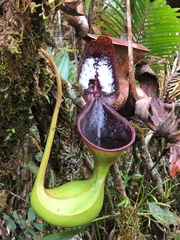
©gim-siew_tan, some rights reserved (CC-BY-NC)
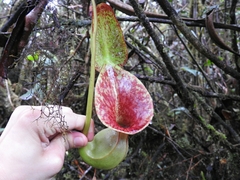
©Subir B. Shakya, some rights reserved (CC-BY-NC)
©Subir B. Shakya, some rights reserved (CC-BY-NC)
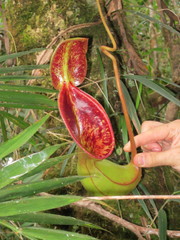
©Andy J. Boyce, some rights reserved (CC-BY-NC)
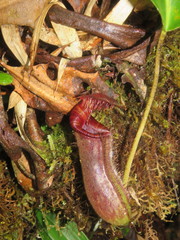
©teresap, some rights reserved (CC-BY-NC)
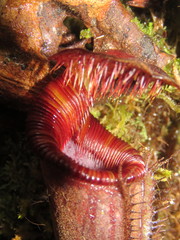
©teresap, some rights reserved (CC-BY-NC)
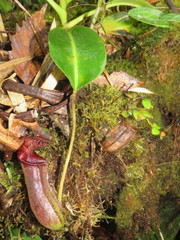
©teresap, some rights reserved (CC-BY-NC)
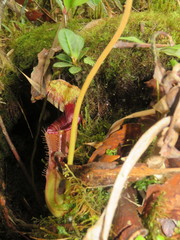
©teresap, some rights reserved (CC-BY-NC)
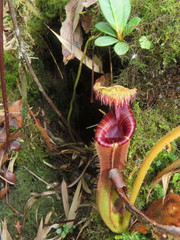
©teresap, some rights reserved (CC-BY-NC)
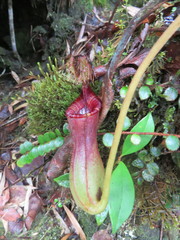
©teresap, some rights reserved (CC-BY-NC)
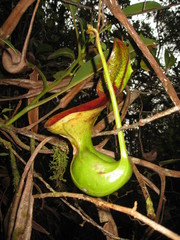
©M. A. Naturalist, some rights reserved (CC-BY-NC)
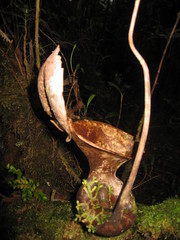
©M. A. Naturalist, some rights reserved (CC-BY-NC)
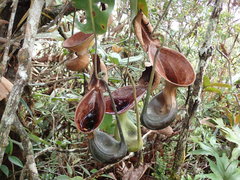
©Arlo Hinckley, some rights reserved (CC-BY-NC)
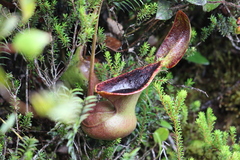
©Manuel Ruedi, some rights reserved (CC-BY-NC)
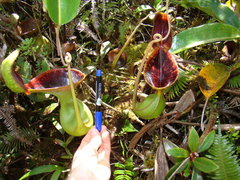
©Bert Harris, some rights reserved (CC-BY-NC)
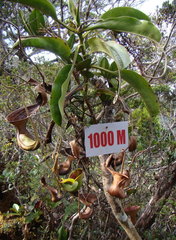
©Bert Harris, some rights reserved (CC-BY-NC)
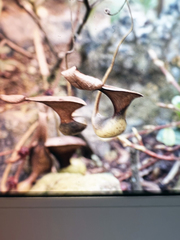
©Jonathan M, some rights reserved (CC-BY-NC)
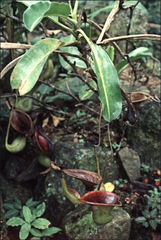
©Ken Harris EntSocVic, some rights reserved (CC-BY-NC)
Parent Taxon
Sibling Taxa
- Nepenthes abalata
- Nepenthes abgracilis
- Nepenthes adnata
- Nepenthes aenigma
- Nepenthes alata
- Nepenthes alata × ventricosa
- Nepenthes albomarginata
- Nepenthes alfredoi
- Nepenthes alzapan
- Nepenthes ampullaria
- Nepenthes andamana
- Nepenthes appendiculata
- Nepenthes argentii
- Nepenthes aristolochioides
- Nepenthes armin
- Nepenthes attenboroughii
- Nepenthes barcelonae
- Nepenthes bellii
- Nepenthes benstonei
- Nepenthes berbulu
- Nepenthes biak
- Nepenthes bicalcarata
- Nepenthes bokorensis
- Nepenthes bongso
- Nepenthes boschiana
- Nepenthes burbidgeae
- Nepenthes burkei
- Nepenthes campanulata
- Nepenthes ceciliae
- Nepenthes chang
- Nepenthes chaniana
- Nepenthes cid
- Nepenthes clipeata
- Nepenthes copelandii
- Nepenthes cornuta
- Nepenthes dactylifera
- Nepenthes danseri
- Nepenthes deaniana
- Nepenthes densiflora
- Nepenthes diabolica
- Nepenthes diatas
- Nepenthes distillatoria
- Nepenthes dubia
- Nepenthes edwardsiana
- Nepenthes ephippiata
- Nepenthes epiphytica
- Nepenthes erucoides
- Nepenthes eustachya
- Nepenthes extincta
- Nepenthes eymae
- Nepenthes faizaliana
- Nepenthes flava
- Nepenthes fractiflexa
- Nepenthes fusca
- Nepenthes gantungensis
- Nepenthes glabrata
- Nepenthes glandulifera
- Nepenthes graciliflora
- Nepenthes gracilis
- Nepenthes gracillima
- Nepenthes gymnamphora
- Nepenthes halmahera
- Nepenthes hamata
- Nepenthes hamiguitanensis
- Nepenthes harauensis
- Nepenthes hemsleyana
- Nepenthes hirsuta
- Nepenthes hispida
- Nepenthes holdenii
- Nepenthes hurrelliana
- Nepenthes inermis
- Nepenthes insignis
- Nepenthes izumiae
- Nepenthes jacquelineae
- Nepenthes jamban
- Nepenthes justinae
- Nepenthes kampotiana
- Nepenthes kerrii
- Nepenthes khasiana
- Nepenthes kitanglad
- Nepenthes klossii
- Nepenthes krabiensis
- Nepenthes kuchingensis
- Nepenthes kurata
- Nepenthes lamii
- Nepenthes lavicola
- Nepenthes leonardoi
- Nepenthes leyte
- Nepenthes lingulata
- Nepenthes longiptera
- Nepenthes lowii
- Nepenthes macfarlanei
- Nepenthes macrophylla
- Nepenthes macrovulgaris
- Nepenthes madagascariensis
- Nepenthes mantalingajanensis
- Nepenthes mapuluensis
- Nepenthes maryae
- Nepenthes masoalensis
- Nepenthes maxima
- Nepenthes merrilliana
- Nepenthes micramphora
- Nepenthes mikei
- Nepenthes mindanaoensis
- Nepenthes minima
- Nepenthes mira
- Nepenthes mirabilis
- Nepenthes mollis
- Nepenthes monticola
- Nepenthes muluensis
- Nepenthes murudensis
- Nepenthes naga
- Nepenthes naquiyuddinii
- Nepenthes negros
- Nepenthes neoguineensis
- Nepenthes nigra
- Nepenthes northiana
- Nepenthes ovata
- Nepenthes palawanensis
- Nepenthes paniculata
- Nepenthes pantaronensis
- Nepenthes papuana
- Nepenthes parvula
- Nepenthes pectinata
- Nepenthes peltata
- Nepenthes pervillei
- Nepenthes petiolata
- Nepenthes philippinensis
- Nepenthes pilosa
- Nepenthes pitopangii
- Nepenthes platychila
- Nepenthes pulchra
- Nepenthes pyriformis
- Nepenthes rafflesiana
- Nepenthes rajah
- Nepenthes ramispina
- Nepenthes ramos
- Nepenthes reinwardtiana
- Nepenthes rhombicaulis
- Nepenthes rigidifolia
- Nepenthes robcantleyi
- Nepenthes rowanae
- Nepenthes samar
- Nepenthes sanguinea
- Nepenthes saranganiensis
- Nepenthes sibuyanensis
- Nepenthes singalana
- Nepenthes smilesii
- Nepenthes spathulata
- Nepenthes spectabilis
- Nepenthes stenophylla
- Nepenthes stenophylla × veitchii
- Nepenthes sumagaya
- Nepenthes sumatrana
- Nepenthes suratensis
- Nepenthes talaandig
- Nepenthes talangensis
- Nepenthes tboli
- Nepenthes tenax
- Nepenthes tentaculata
- Nepenthes tenuis
- Nepenthes thai
- Nepenthes thorelii
- Nepenthes tobaica
- Nepenthes tomoriana
- Nepenthes treubiana
- Nepenthes truncata
- Nepenthes ultra
- Nepenthes undulatifolia
- Nepenthes veitchii
- Nepenthes ventricosa
- Nepenthes vieillardii
- Nepenthes villosa
- Nepenthes vogelii
- Nepenthes weda
- Nepenthes zakriana
- Nepenthes zygon
- Nepenthes × alisaputrana
- Nepenthes × cincta
- Nepenthes × harryana
- Nepenthes × hookeriana
- Nepenthes × kinabaluensis
- Nepenthes × neglecta
- Nepenthes × trichocarpa
- Nepenthes × trusmadiensis