Parnassia: taxon details and analytics
- Domain
- Kingdom
- Plantae
- Phylum
- Tracheophyta
- Class
- Magnoliopsida
- Order
- Celastrales
- Family
- Celastraceae
- Genus
- Parnassia
- Species
- Scientific Name
- Parnassia
Summary description from Wikipedia:
Parnassia
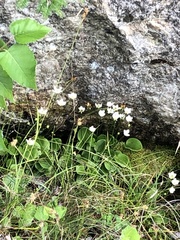
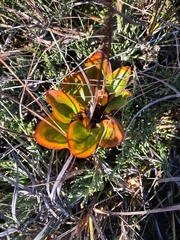
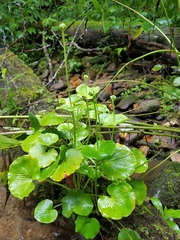
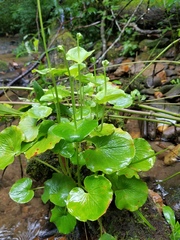
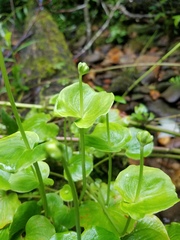
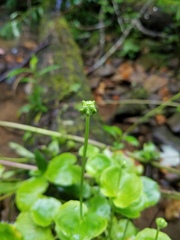
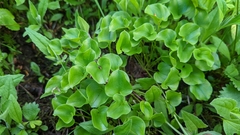
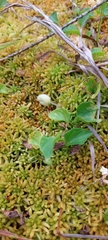
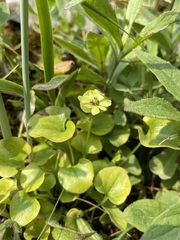
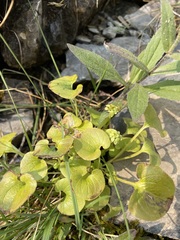
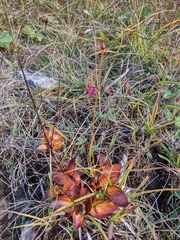
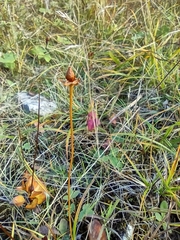
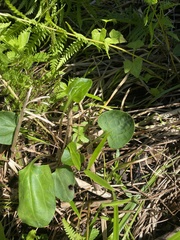
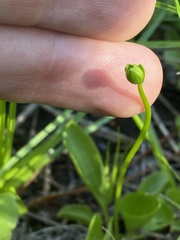
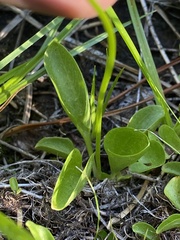
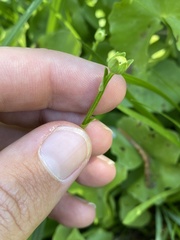
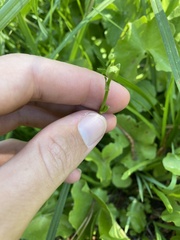
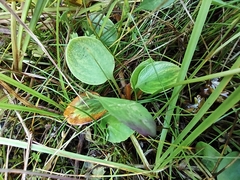
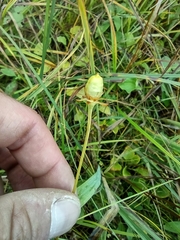
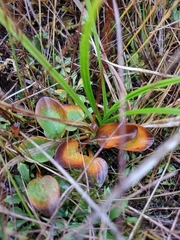
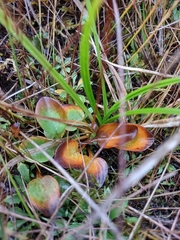
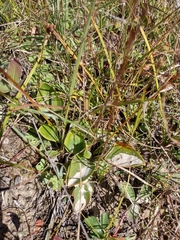
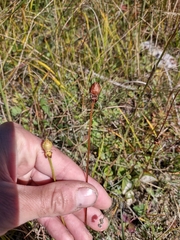
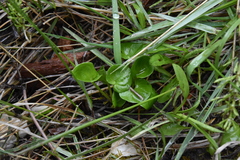
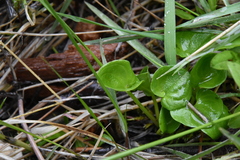
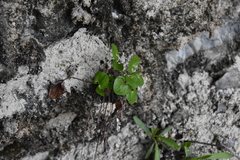
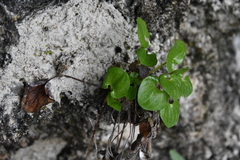
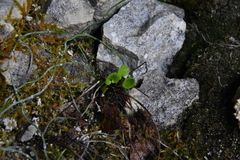
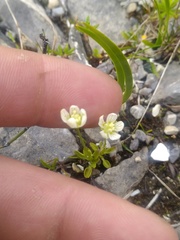
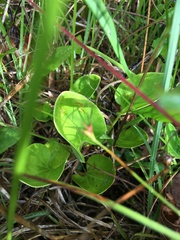
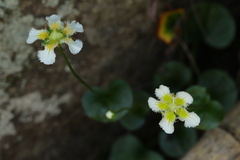
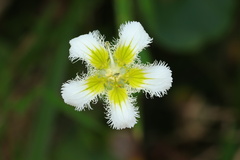
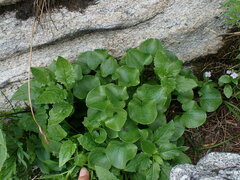
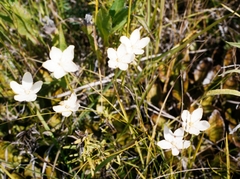
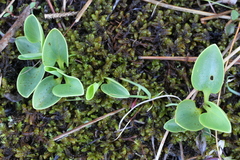
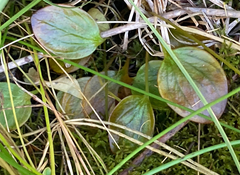
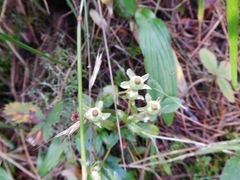
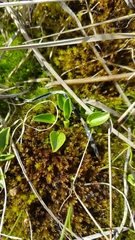
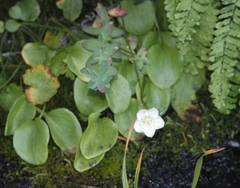
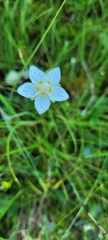
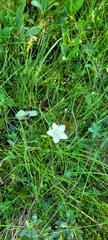
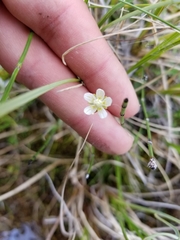
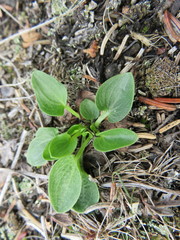
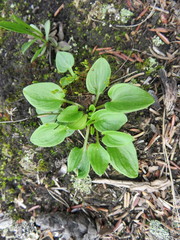
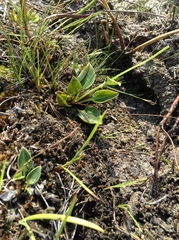
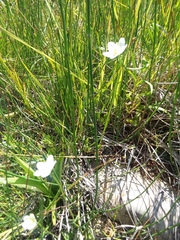
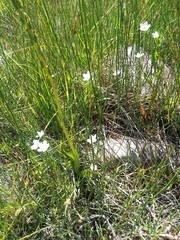
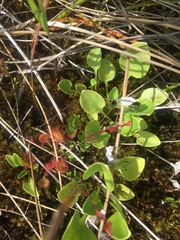
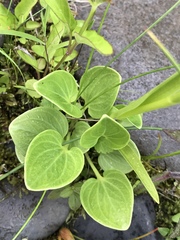
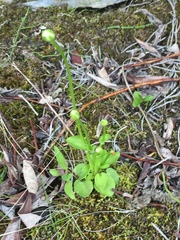
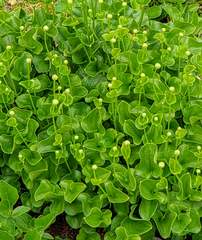
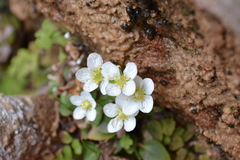
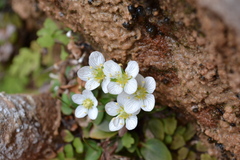
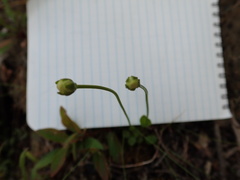
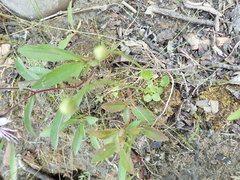
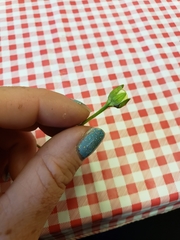
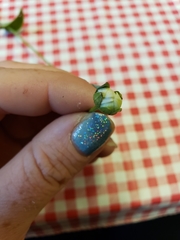
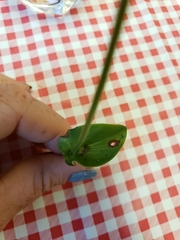
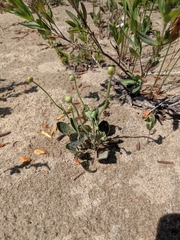
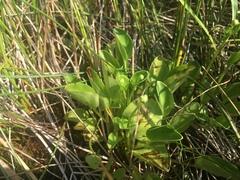
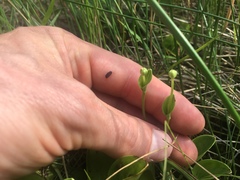
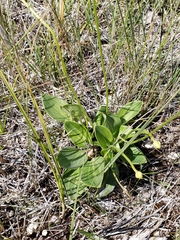
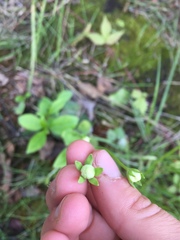
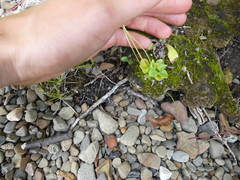
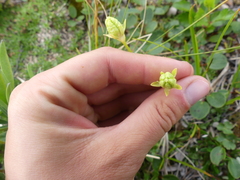
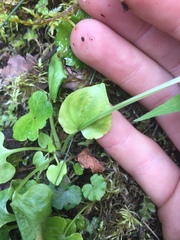
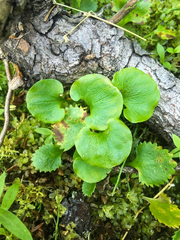
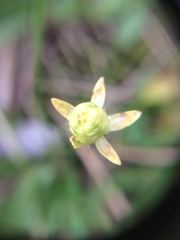
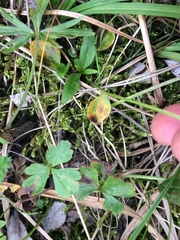
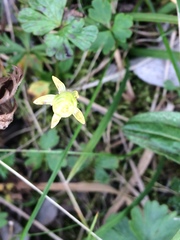
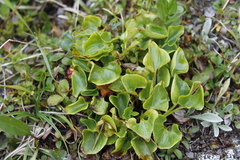
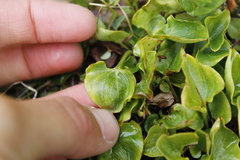
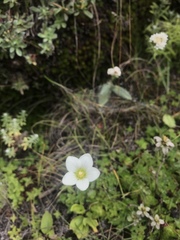
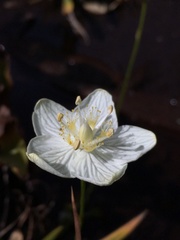
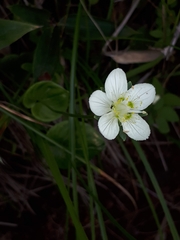
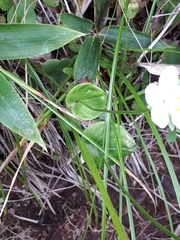
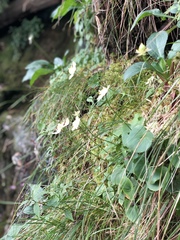
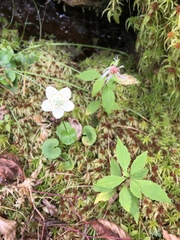
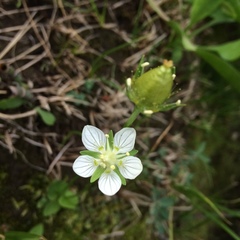
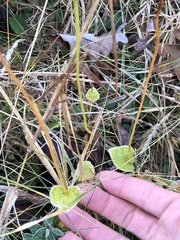
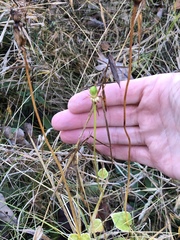
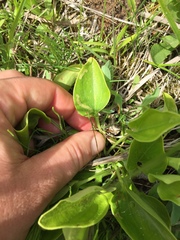
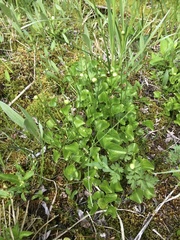
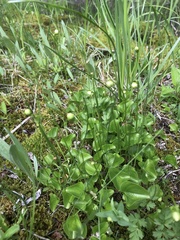
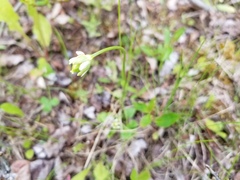
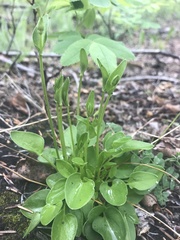
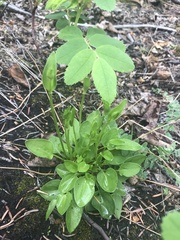
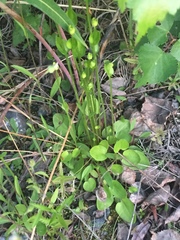
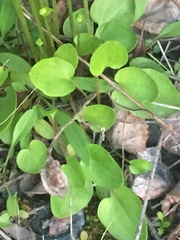
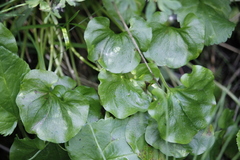
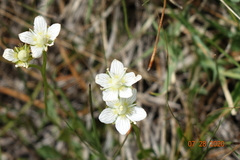
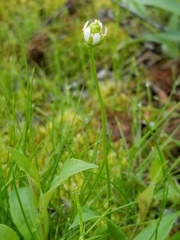
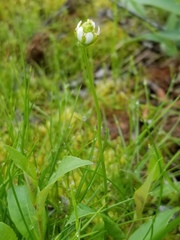
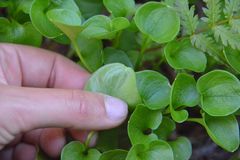
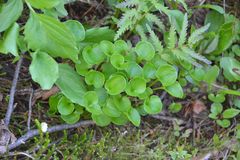
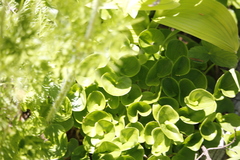
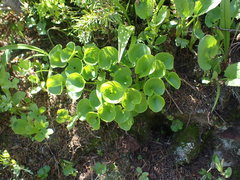
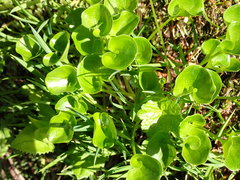
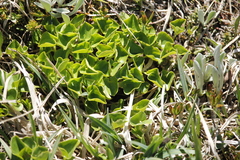
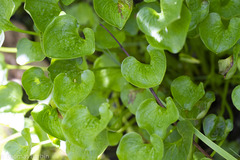
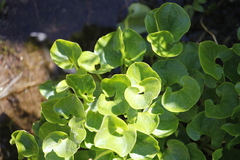
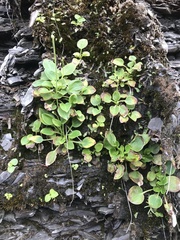
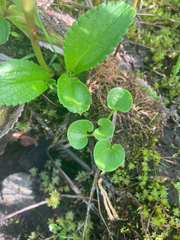
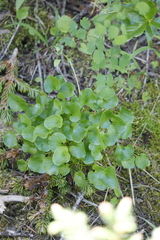
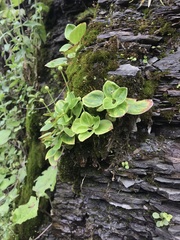
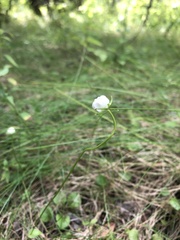
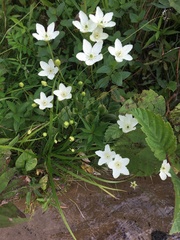
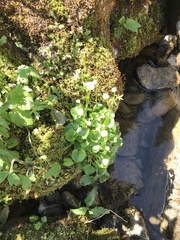
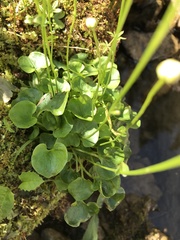
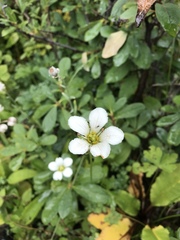
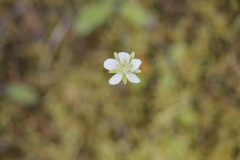
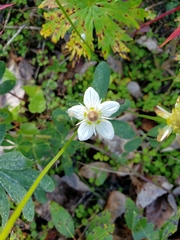
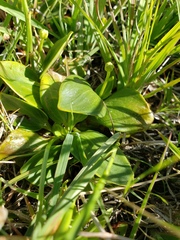
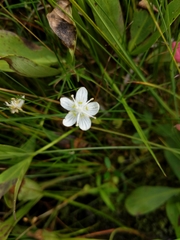
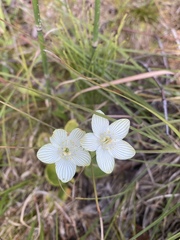
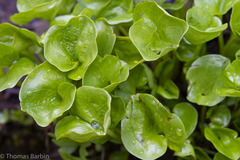
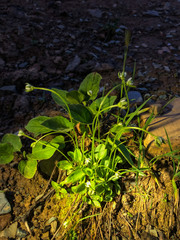
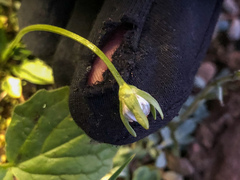
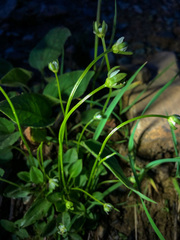
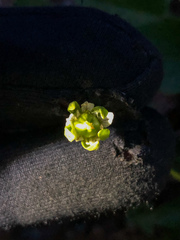
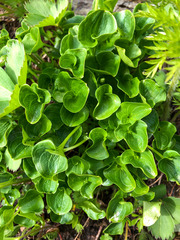
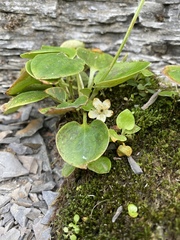
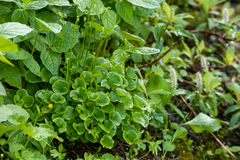
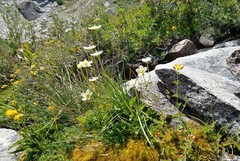
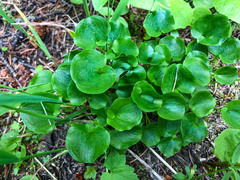
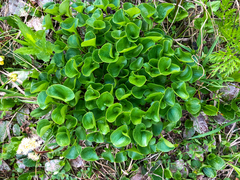
The genus Parnassia, also known as grass of Parnassus or bog-stars, are flowering plants now placed in the family Celastraceae, formerly classified in Parnassiaceae or Saxifragaceae. The plants occur in arctic and alpine habitats, as well as in dune systems and fens, swamps, wet meadows, open seepage areas, moist woods, and across the Northern Hemisphere. It is actually not a grass, but an herbaceous dicot. The stalk of the plant can reach up to 200 millimeters (8 in), the leaves up to 100 mm (4 in) and the petals can be up to 36 mm (1.4 in) wide. The flower has five white petals with light green venation. There are five stamens alternating with 5 much divided staminodes tipped with drop-like false nectaries which (along with the visual cue of veins) attract pollinating flies and bees.
Some species are often found in wet calcareous habitats with low fertility, low canopy cover, and high plant diversity. Parnassia glauca is considered to be an indicator species of fens in New York State. Such habitats are often becoming rare, and so species of Parnassia may have high conservation value. For example Parnassia palustris is threatened and legally protected in Michigan while Parnassia caroliniana is considered imperiled in North Carolina.
...Parnassia in languages:
- Chinese
- 梅花草屬
- Czech
- tolije
- Danish
- Leverurtslægten
- English
- grass of Parnassus
- Finnish
- vilukot
- German
- Herzblätter
- German
- Herzblatt
- Japanese
- ウメバチソウ属
- Korean
- 물매화속
- Polish
- dziewięciornik
- Russian
- Белозор
- Swedish
- slåtterblommor
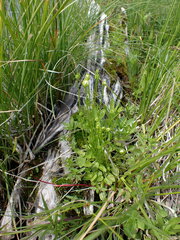
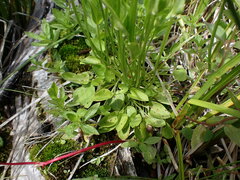
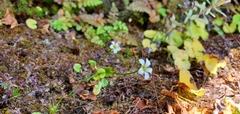
Images from inaturalist.org observations:
We recommend you sign up for this excellent, free service.
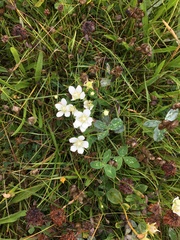

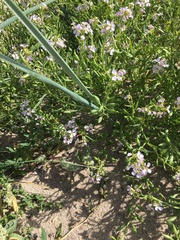
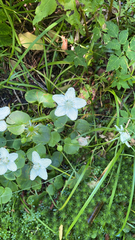
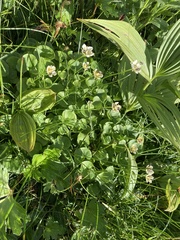
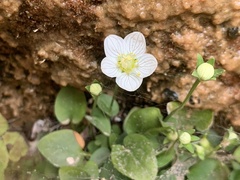
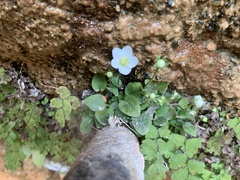
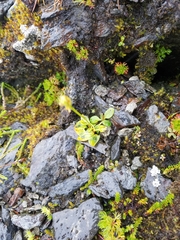
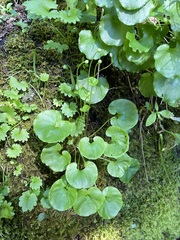

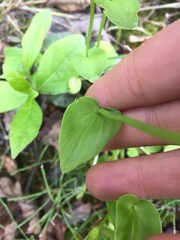
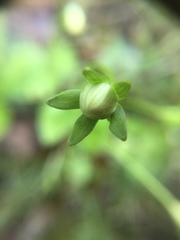
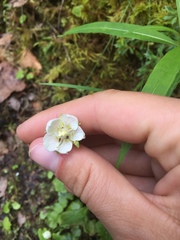
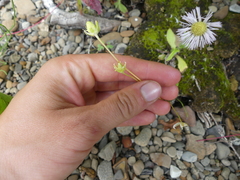
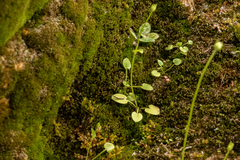
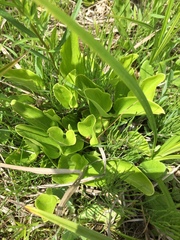
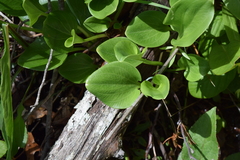
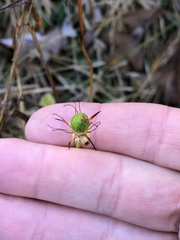

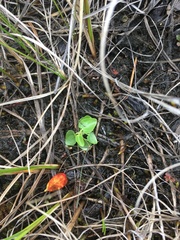
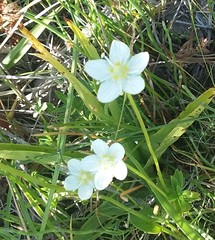
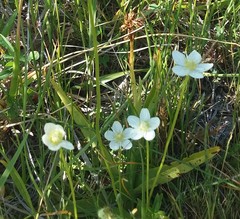
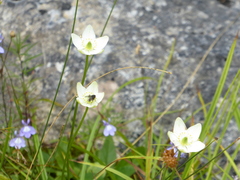
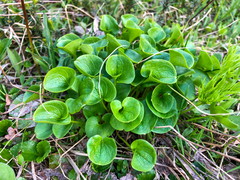
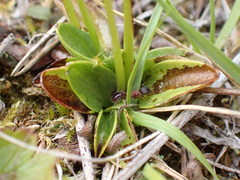
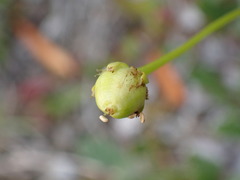
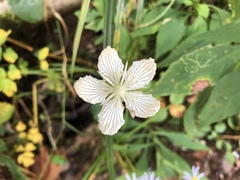
Parent Taxon
Sibling Taxa
Child Taxa
- Parnassia alpicola
- Parnassia amoena
- Parnassia asarifolia
- Parnassia bifolia
- Parnassia brevistyla
- Parnassia cabulica
- Parnassia cacuminum
- Parnassia caroliniana
- Parnassia chinensis
- Parnassia cirrata
- Parnassia cooperi
- Parnassia crassifolia
- Parnassia davidii
- Parnassia delavayi
- Parnassia epunctulata
- Parnassia esquirolii
- Parnassia faberi
- Parnassia farreri
- Parnassia filchneri
- Parnassia fimbriata
- Parnassia foliosa
- Parnassia gansuensis
- Parnassia glauca
- Parnassia grandifolia
- Parnassia guilinensis
- Parnassia kotzebuei
- Parnassia kumaonica
- Parnassia labiata
- Parnassia laxmannii
- Parnassia longipetala
- Parnassia lutea
- Parnassia monochorifolia
- Parnassia mysorensis
- Parnassia nubicola
- Parnassia obovata
- Parnassia omeiensis
- Parnassia oreophila
- Parnassia palustris
- Parnassia parviflora
- Parnassia perciliata
- Parnassia petitmenginii
- Parnassia procul
- Parnassia pusilla
- Parnassia scaposa
- Parnassia siamensis
- Parnassia submysorensis
- Parnassia tenella
- Parnassia tibetana
- Parnassia townsendii
- Parnassia trinervis
- Parnassia wightiana
- Parnassia xinganensis
- Parnassia yui
- Parnassia yunnanensis