Peganum harmala: taxon details and analytics
- Domain
- Kingdom
- Plantae
- Phylum
- Tracheophyta
- Class
- Magnoliopsida
- Order
- Sapindales
- Family
- Nitrariaceae
- Genus
- Peganum
- Species
- Peganum harmala
- Scientific Name
- Peganum harmala
Summary description from Wikipedia:
Peganum harmala
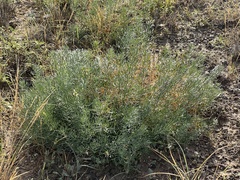
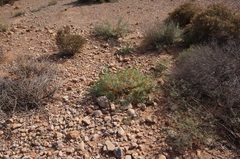
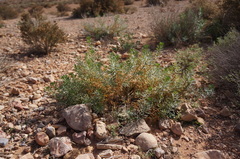
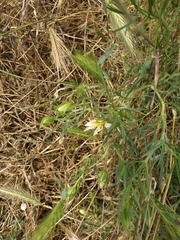
Peganum harmala, commonly called wild rue, Syrian rue, African rue, esfand or espand, or harmel (among other similar pronunciations and spellings), is a perennial, herbaceous plant, with a woody underground rootstock, of the family Nitrariaceae, usually growing in saline soils in temperate desert and Mediterranean regions. Its common English-language name came about because of a resemblance to rue (to which it is not related). Its seeds contain a high concentration (at least 5.9% by weight) of diverse beta-carboline alkaloids.
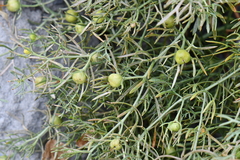
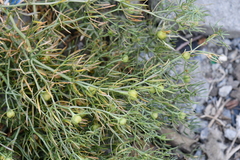
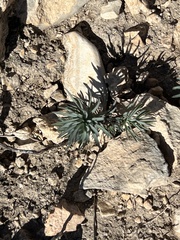
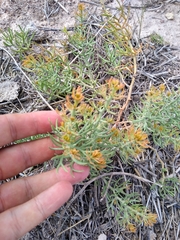
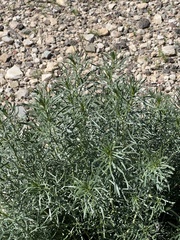
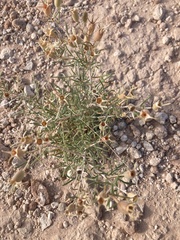
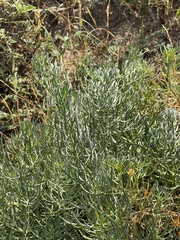
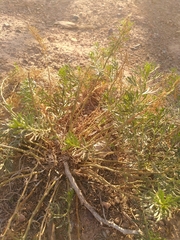
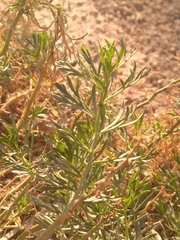
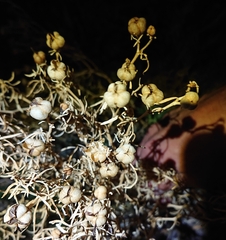
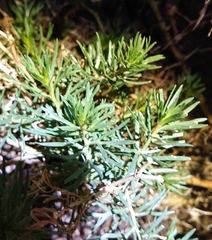
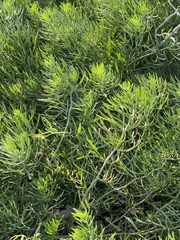
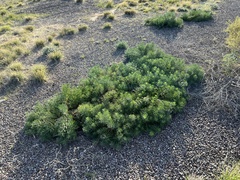
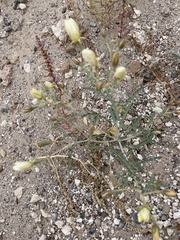
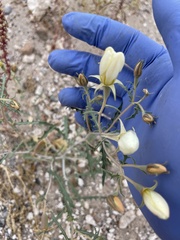
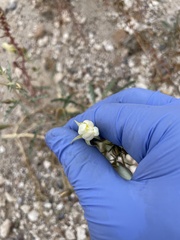
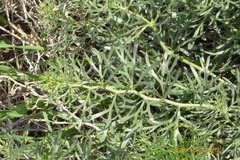
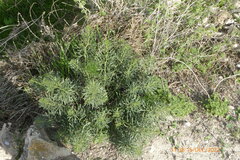
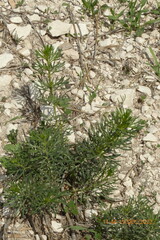
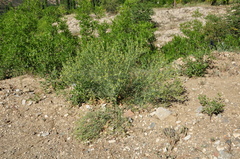
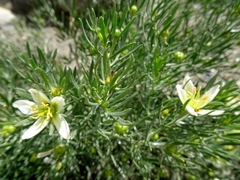
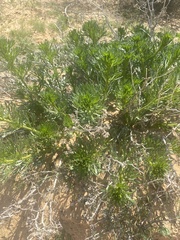
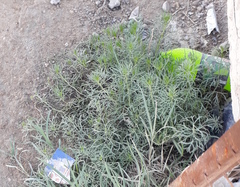
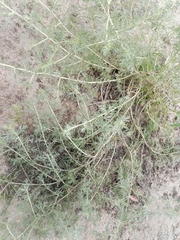
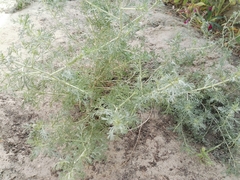
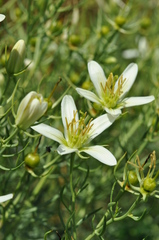
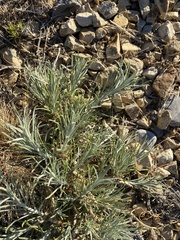
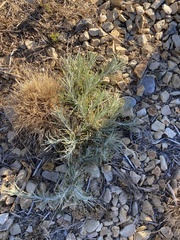
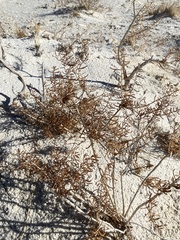
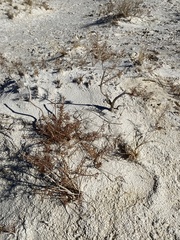
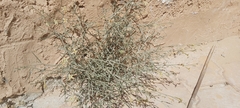
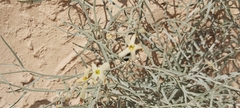
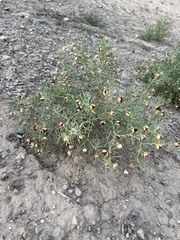
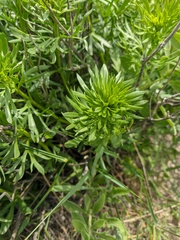
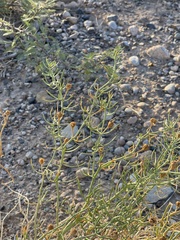
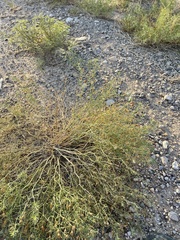
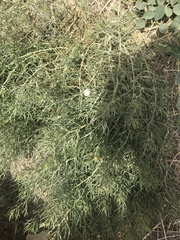
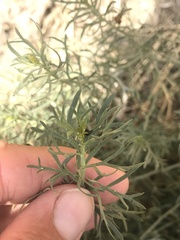
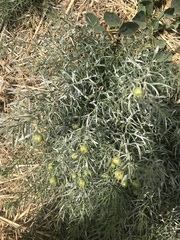
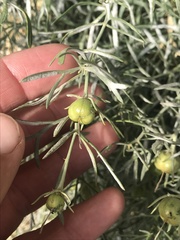
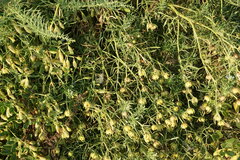
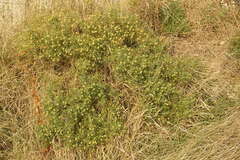
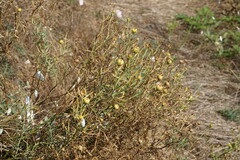
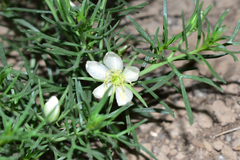
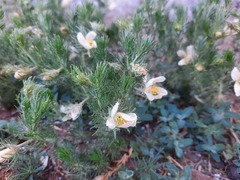
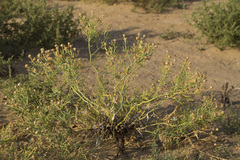
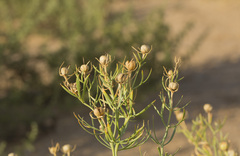
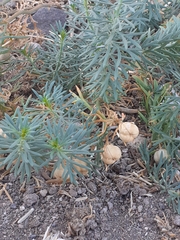
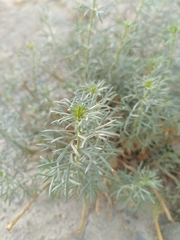
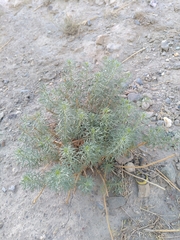
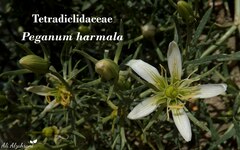
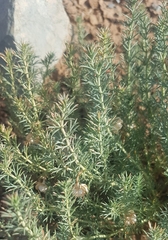
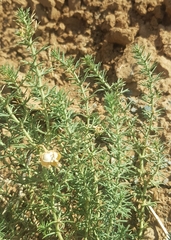
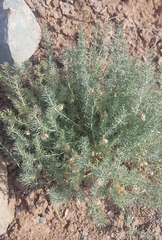
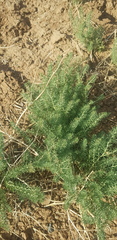
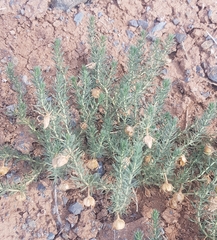
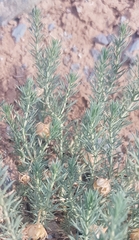
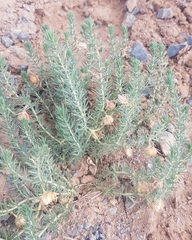
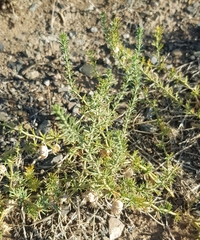
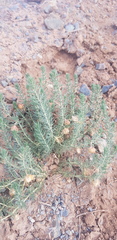
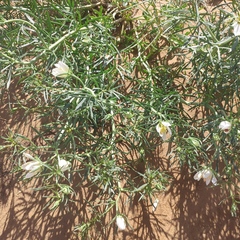
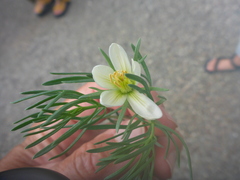
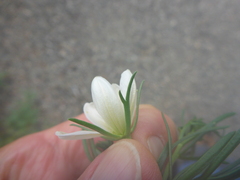
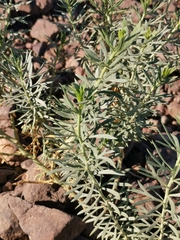
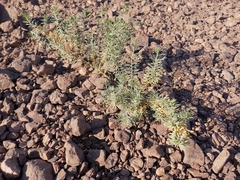
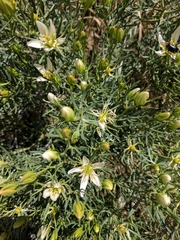
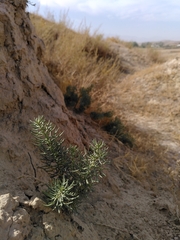
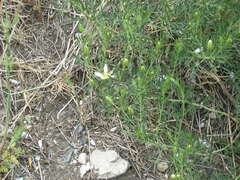
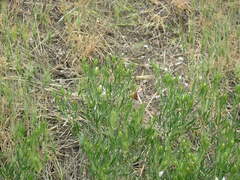
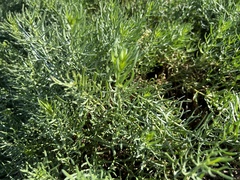
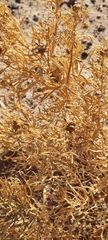
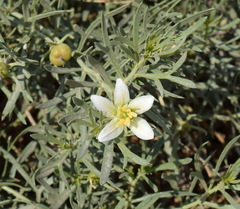
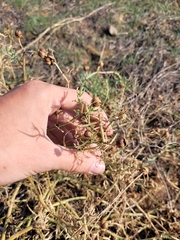
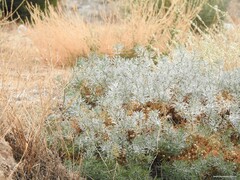
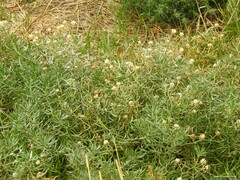
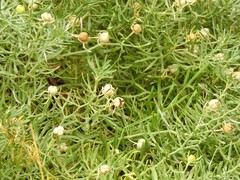
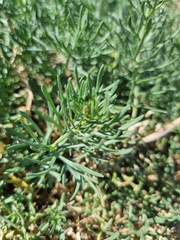
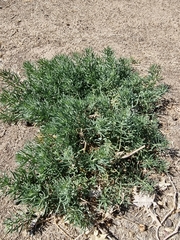
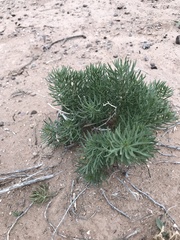
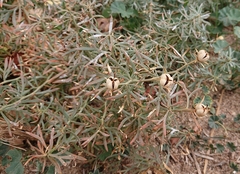
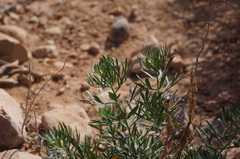
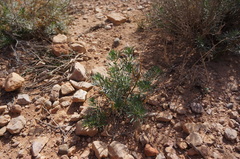
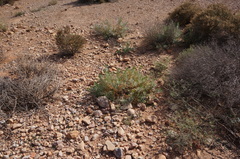
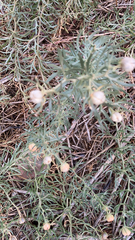
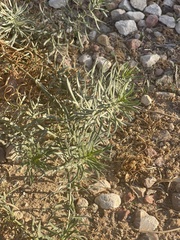
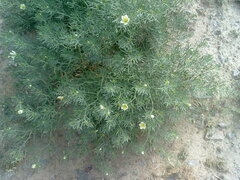
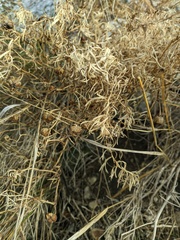
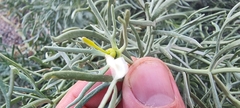
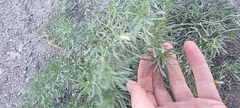
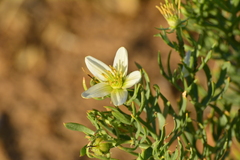
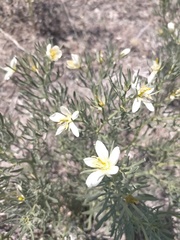
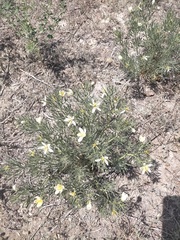
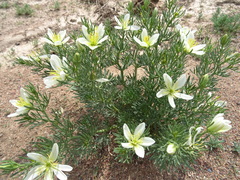
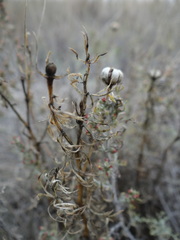
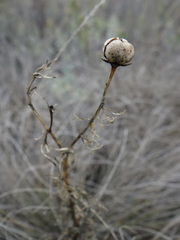
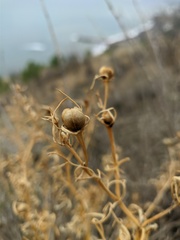
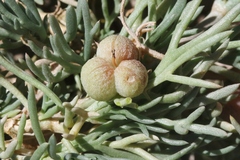
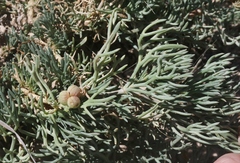
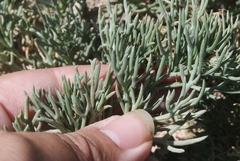
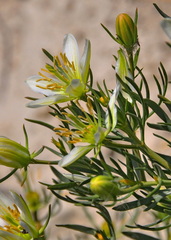
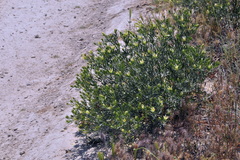
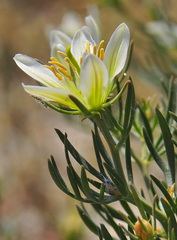
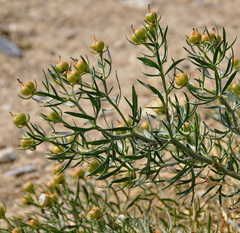
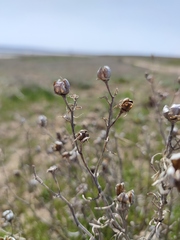
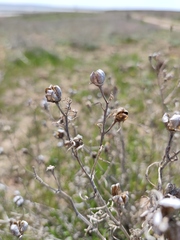
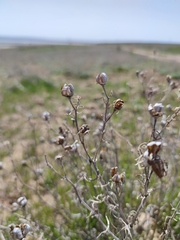
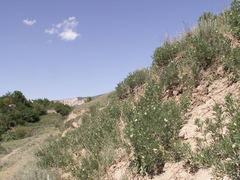
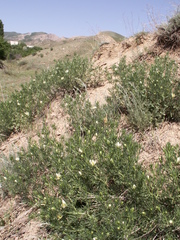
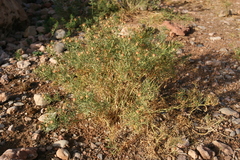
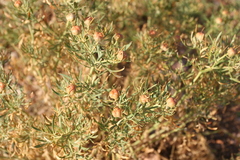
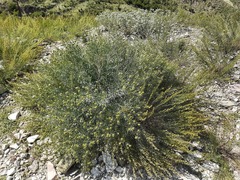
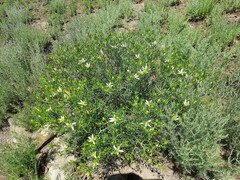
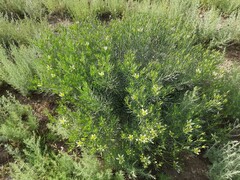
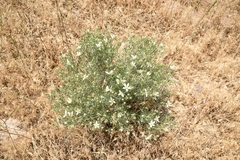
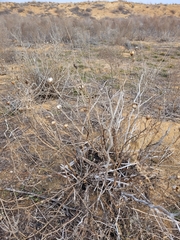
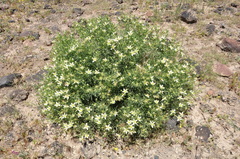
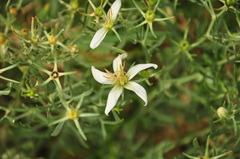
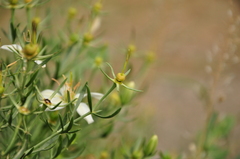
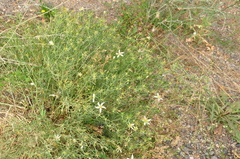
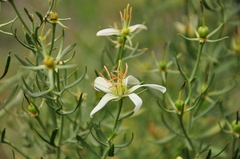
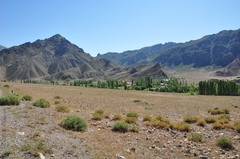
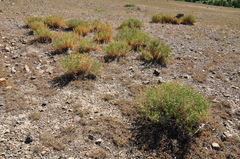
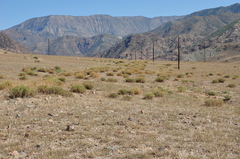
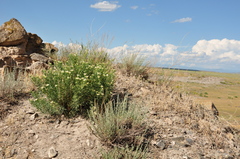
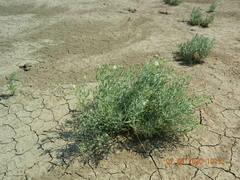
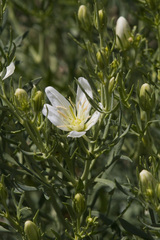
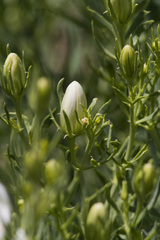
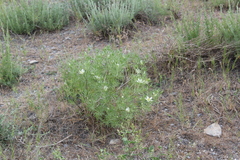
It has deep roots and a strong smell, finely divided leaves, white flowers rich in alkaloids, and small seed capsules containing numerous dark, oily seeds. It is native to a vast region across North Africa, southern and eastern Europe, the Middle East, Central Asia, and parts of South and East Asia, and has been introduced to countries like South Africa, Mexico, France. It grows in dry, often saline or disturbed habitats, thriving from sea level to high elevations, is pollinated mainly by insects (especially honey bees), disperses seeds mostly by dispersal vectors or human activity, and hosts a specialized beetle (Thamnurgus pegani) proposed for its biological control.
Some scholars have associated it with the sacred plant called soma or haoma in ancient Indo-Iranian texts and it has been described under various names by classical and medieval sources, with archaeological evidence suggesting its ritual use dating back to at least the 2nd century BCE. It was first described and illustrated in the 16th century by Rembert Dodoens and later classified by botanists such as Gaspard Bauhin and Carl Linnaeus. It has several recognized varieties distinguished by morphological traits and geographic distribution, with lectotype designations refined over time to clarify its taxonomy.
In the United States, it is banned or regulated as a noxious weed in several states requiring eradication, while internationally, possession and sale of the plant or its psychoactive alkaloids are illegal or controlled in several countries, including France, Finland, Canada, and Australia. It is used as a dye, incense, and in traditional medicine. It is also toxic to livestock and difficult to eradicate.
...Peganum harmala in languages:
- Arabic
- حرمل شائع
- Chinese
- 駱駝蓬
- Czech
- harmala stepní
- Danish
- Hermelrude
- English
- African rue
- English
- Syrian rue
- English
- harmel
- English
- esfand
- English
- aspand
- English
- wild rue
- English
- harmal peganum
- French
- harmal
- French
- Rue de Syrie
- German
- Steppenraute
- Hebrew
- שבר לבן
- Italian
- Pegano
- Japanese
- ペガヌム・ハルマラ
- Russian
- Гармала обыкновенная
- Swedish
- harmelbuske
- Turkish
- üzerlik
- Ukrainian
- Гармала звичайна
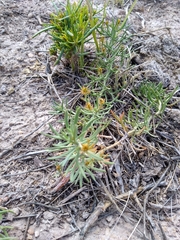
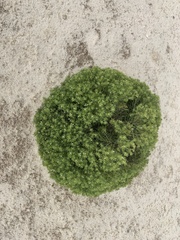
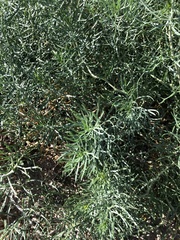
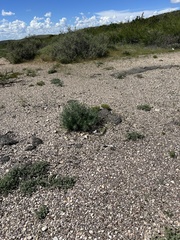
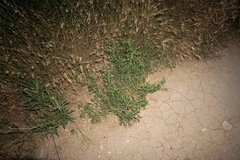
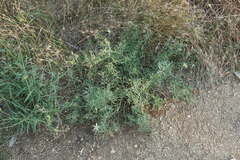
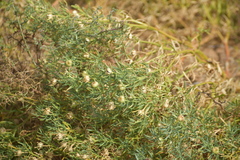
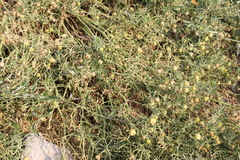
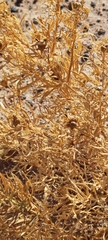
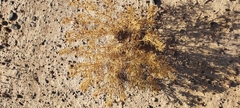
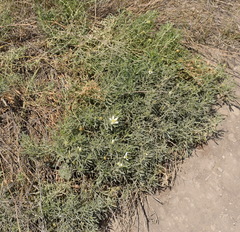
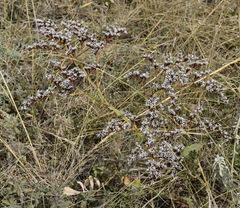
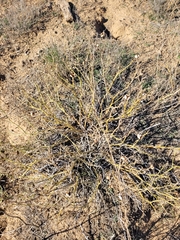
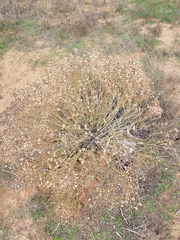
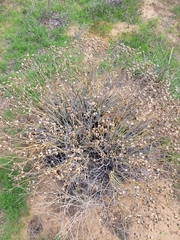
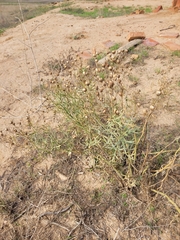
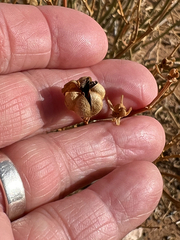
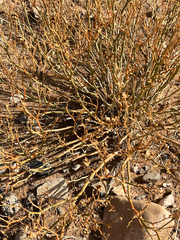
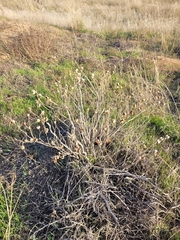
Images from inaturalist.org observations:
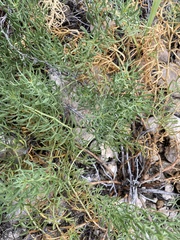
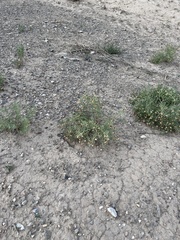
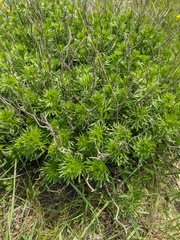
We recommend you sign up for this excellent, free service.