Phellinus igniarius: taxon details and analytics
- Domain
- Kingdom
- Fungi
- Phylum
- Basidiomycota
- Class
- Agaricomycetes
- Order
- Hymenochaetales
- Family
- Hymenochaetaceae
- Genus
- Phellinus
- Species
- Phellinus igniarius
- Scientific Name
- Phellinus igniarius
Summary description from Wikipedia:
Phellinus igniarius
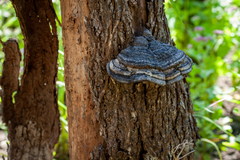
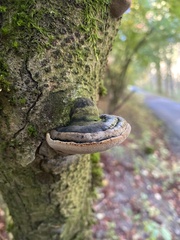
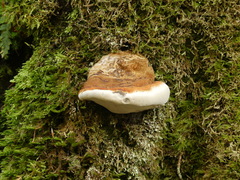
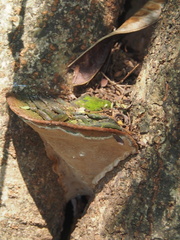
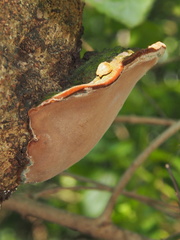
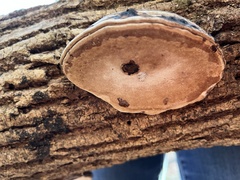
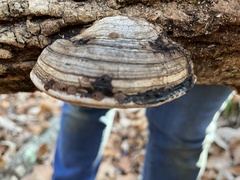
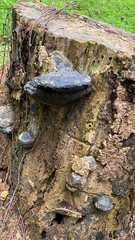
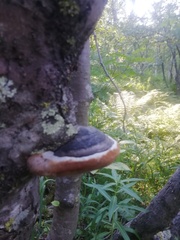
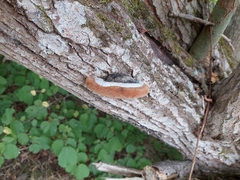
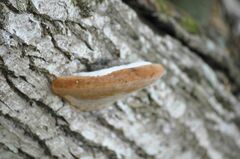
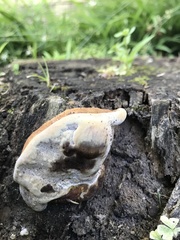
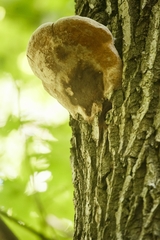
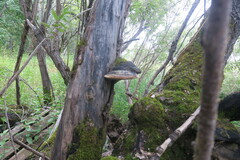
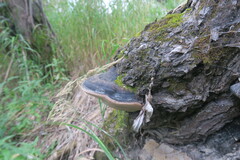
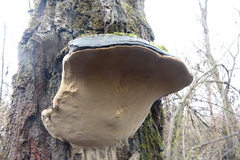
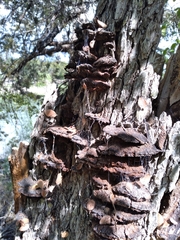
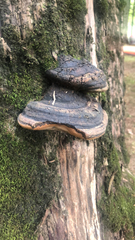
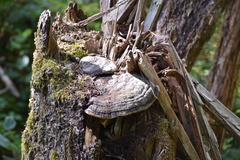
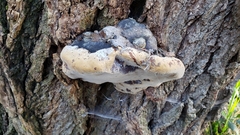
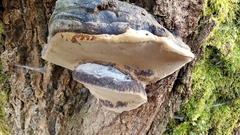
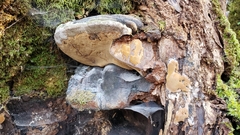
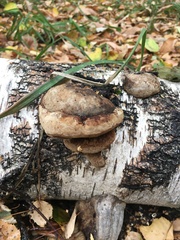
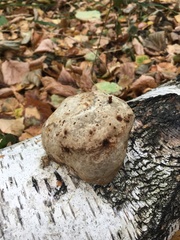
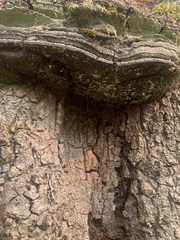
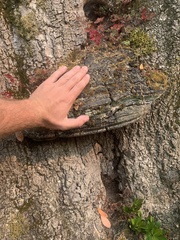
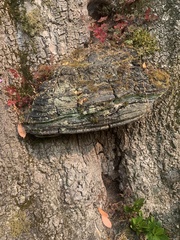
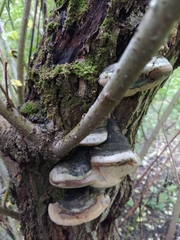
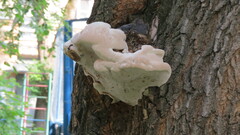
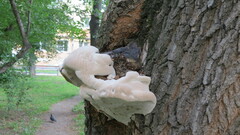
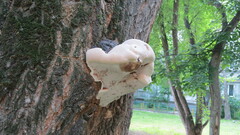
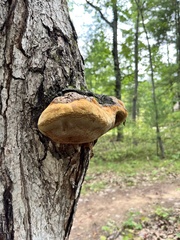
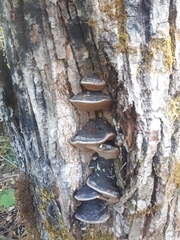
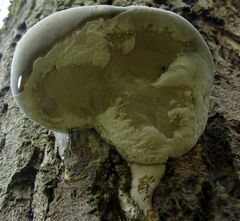
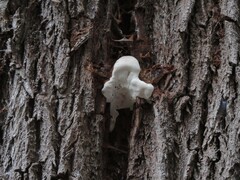
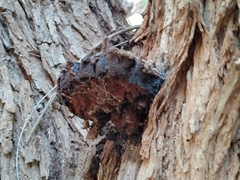
Phellinus igniarius (syn. Phellinus trivialis), commonly known as the willow bracket, fire sponge, false tinder polypore, punk ash polypore, or false tinder conk, is a fungus of the family Hymenochaetaceae. Like other members of the genus of Phellinus, it lives by saprotrophic nutrition, in which the lignin and cellulose of a host tree is degraded and is a cause of white rot.
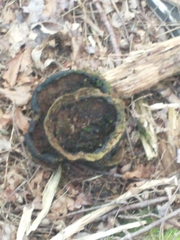
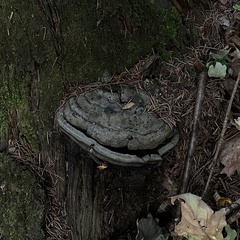
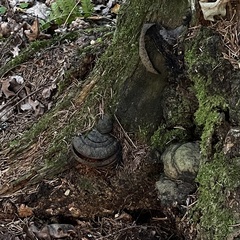
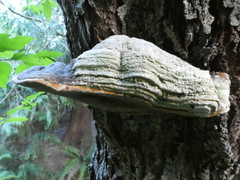
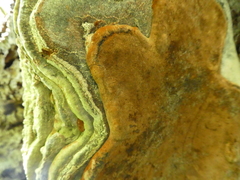
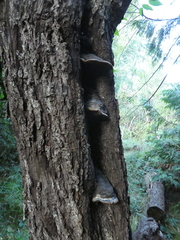
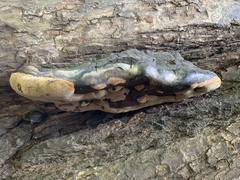
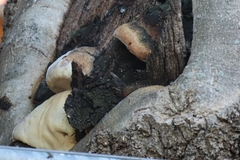
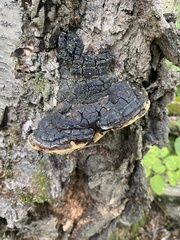
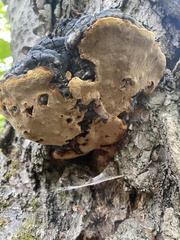
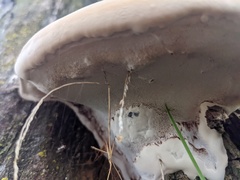
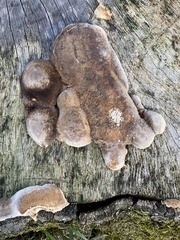
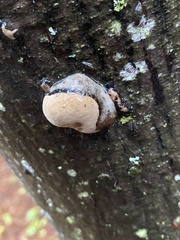
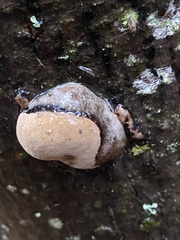
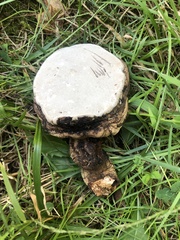
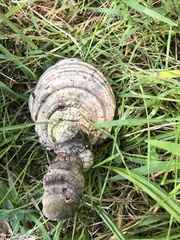
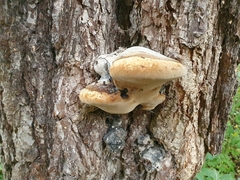
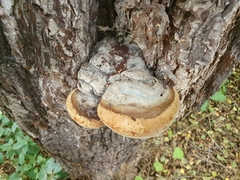
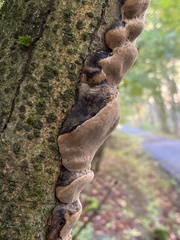
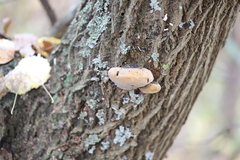
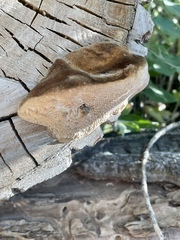
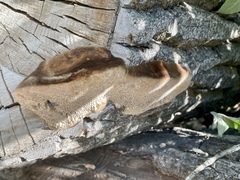
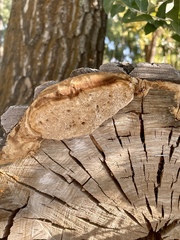
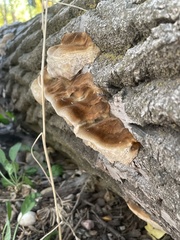
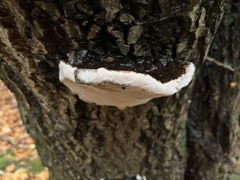
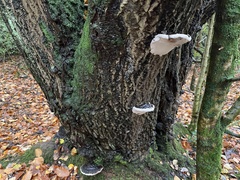
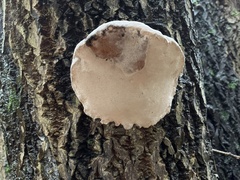
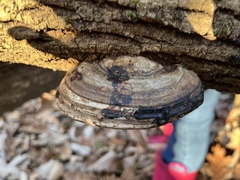
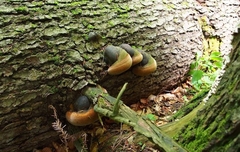
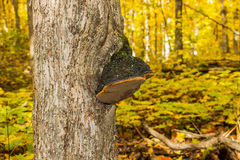
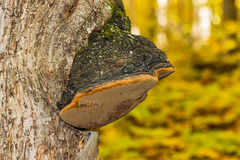
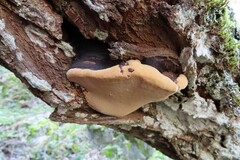
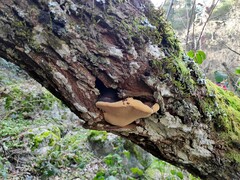
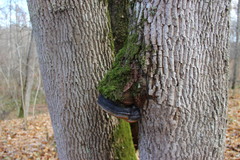
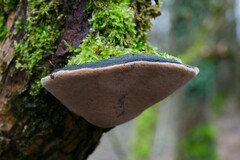
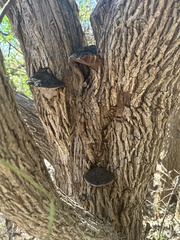
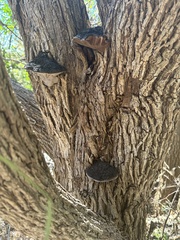
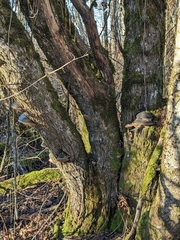
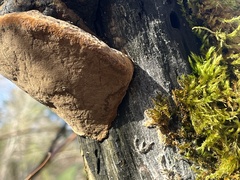
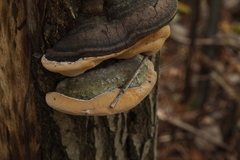
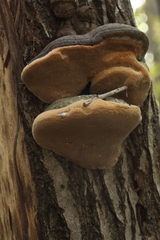
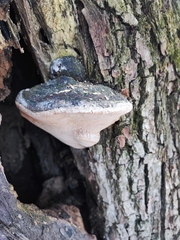
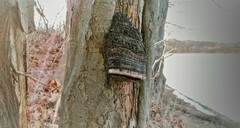
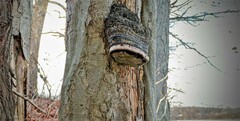
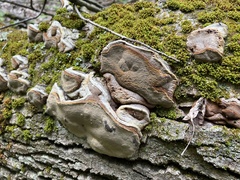
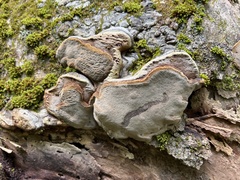
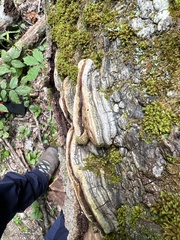
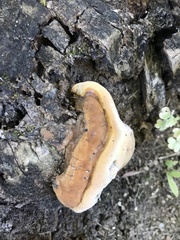
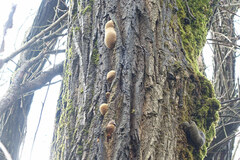
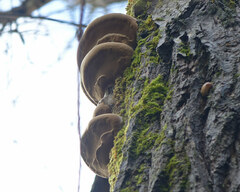
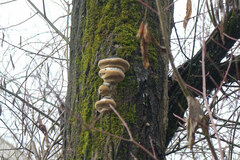
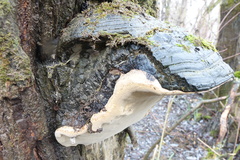
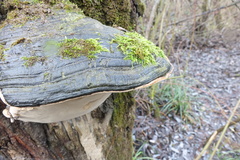
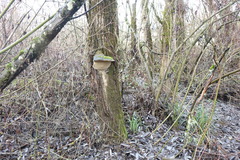
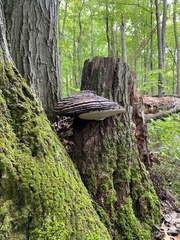
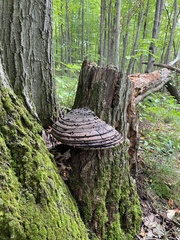
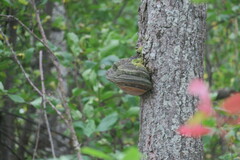
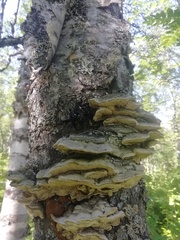
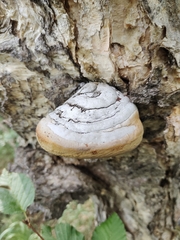
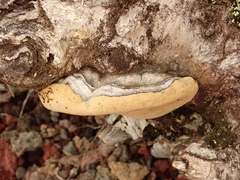
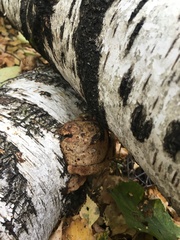
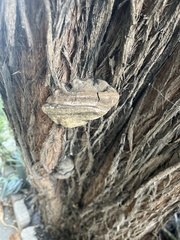
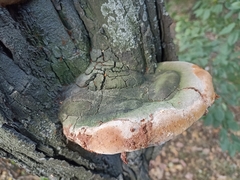
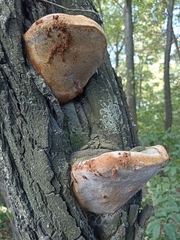
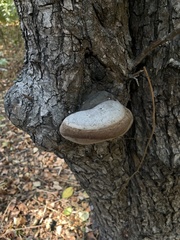
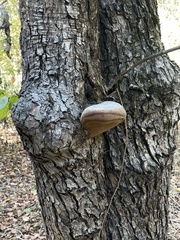
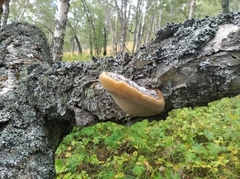
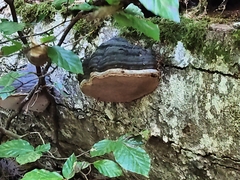
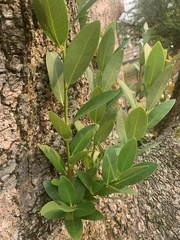
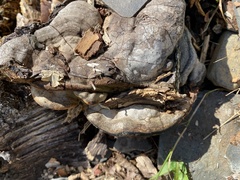
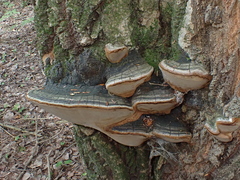
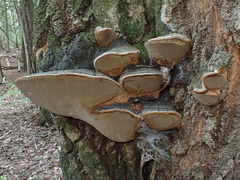
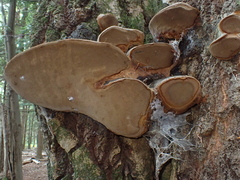
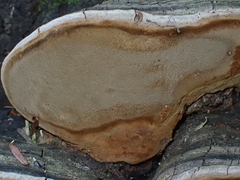
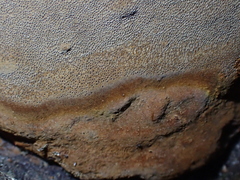
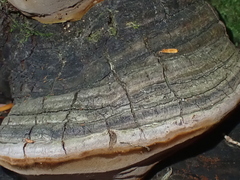
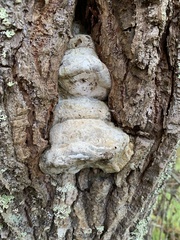
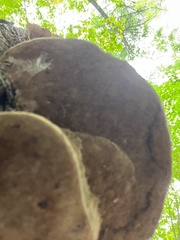
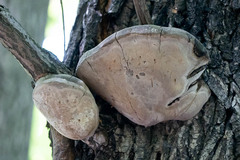
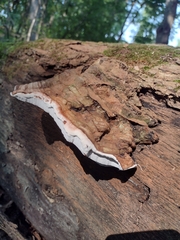
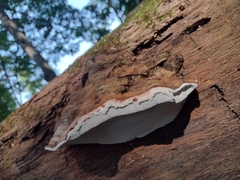
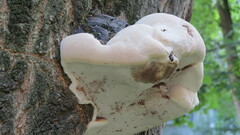
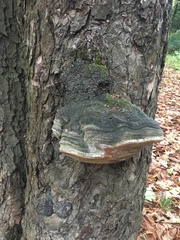
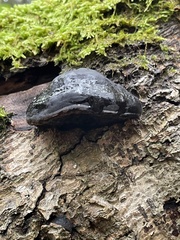
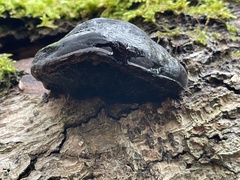
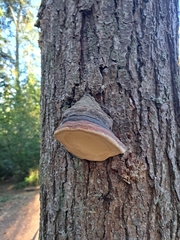
The fungus forms perennial fruiting bodies that rise as woody-hard, hoof or disc-shaped brackets from the bark of the infested living tree or dead log. The tree species is often willow but it may be commonly found on birch and alder and other broad leafed trees. The top is covered with a dark, often cracked crust, a stem is present only in its infancy. Unlike most fungi, it has a hard woody consistency and may persist for many years, building a new surface layer each year.
...Phellinus igniarius in languages:
- Bokmål
- seljeildkjuke
- Chinese
- 火木層孔菌
- Czech
- ohňovec obecný
- Danish
- Almindelig ildporesvamp
- Dutch
- Echte vuurzwam
- English
- Willow Bracket
- Estonian
- Tuletaelik
- Finnish
- Arinakääpä
- French
- Faux amadouvier
- French
- Carie du tronc des feuillus
- German
- Gemeiner Feuerschwamm
- Hungarian
- Parázstapló
- Japanese
- キコブタケ
- Lithuanian
- Kietoji kempinė
- Polish
- Czyreń ogniowy
- Russian
- Трутовик ложный
- Swedish
- Eldticka
- Ukrainian
- Трутовик несправжній
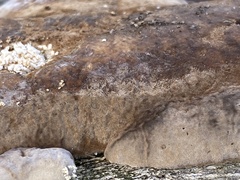
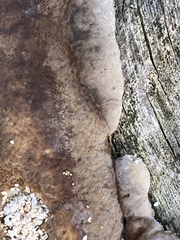
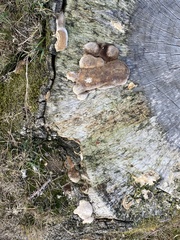
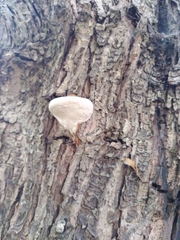
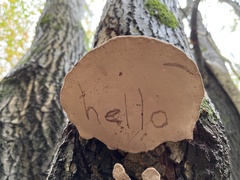
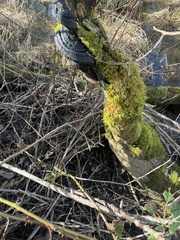
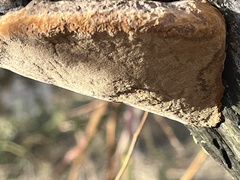
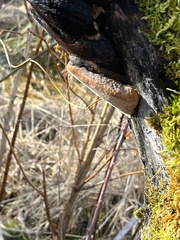
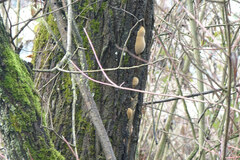
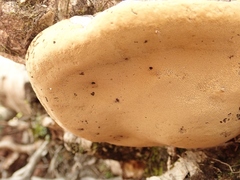
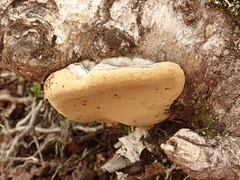
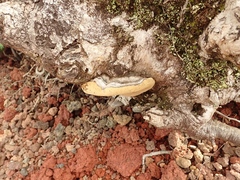
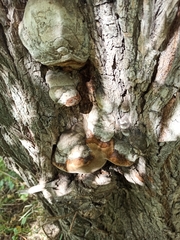
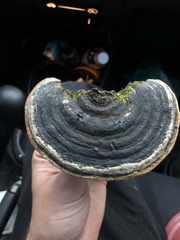
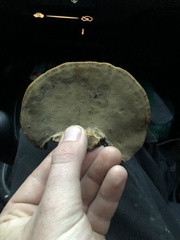
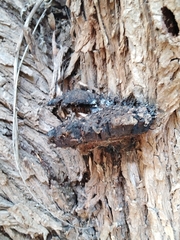
Images from inaturalist.org observations:
We recommend you sign up for this excellent, free service.



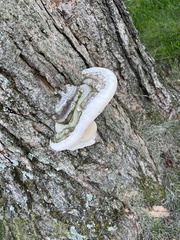
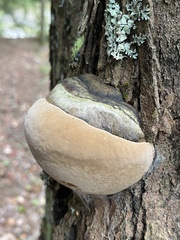
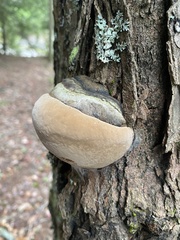
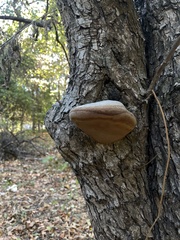
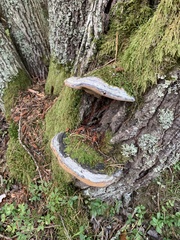
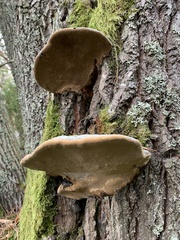
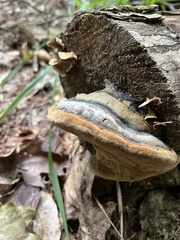
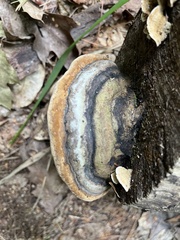
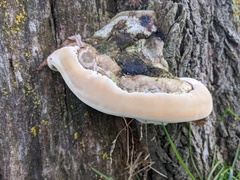
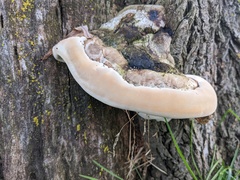
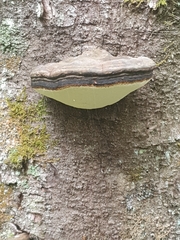
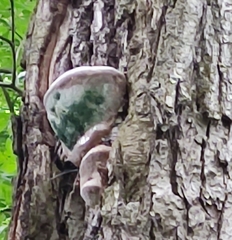
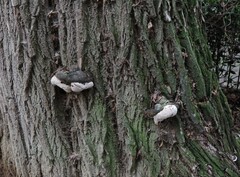
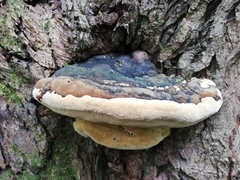
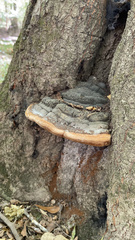
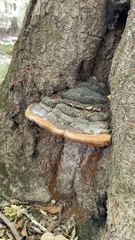
Parent Taxon
Sibling Taxa
- Phellinus abietis
- Phellinus alni
- Phellinus arctostaphyli
- Phellinus artemisiae
- Phellinus badius
- Phellinus betulinus
- Phellinus caryophylli
- Phellinus chaquensis
- Phellinus chrysoloma
- Phellinus cinereus
- Phellinus crocatus
- Phellinus dingleyae
- Phellinus ellipsoideus
- Phellinus everhartii
- Phellinus ferrugineovelutinus
- Phellinus formosanus
- Phellinus glaucescens
- Phellinus goethartii
- Phellinus grenadensis
- Phellinus hoehnelii
- Phellinus igniarius
- Phellinus kamahi
- Phellinus laevigatus
- Phellinus livescens
- Phellinus lundellii
- Phellinus macgregorii
- Phellinus nigricans
- Phellinus nothofagi
- Phellinus occidentalis
- Phellinus orientoasiaticus
- Phellinus ostricolor
- Phellinus overholtsii
- Phellinus palmicola
- Phellinus piceinus
- Phellinus pomaceoides
- Phellinus pomaceus
- Phellinus populicola
- Phellinus prunicola
- Phellinus punctatiformis
- Phellinus quercinus
- Phellinus ralunensis
- Phellinus resupinatus
- Phellinus roseocinereus
- Phellinus sancti-georgii
- Phellinus sarcites
- Phellinus setulosus
- Phellinus shaferi
- Phellinus spiculosus
- Phellinus sublaevigatus
- Phellinus syringeus
- Phellinus tawhai
- Phellinus tremulae
- Phellinus xeranticus
Top Observation Places
- Århus
- Kirov
- Bristol
- Towson
- Toronto
- Voskresensk
- Bielany
- Bemowo
- Orekhovo-Zuyevo
- Warrington
- Manchester
- Salford
- Kaunas
- Wolverhampton
- Brno
- Stockholm
- Södermalm
- Kungsholmen
- Vasastan
- Petropavlovsk-Kamchatsky
- Shrewsbury
- Eugene
- Sammamish
- Yekaterinburg
- Olympia
- Zwickau
- Nepean
- Huyton
- Tula
- Donaustadt
- Floridsdorf
- Vilnius
- Minsk
- Frankfurt am Main
- Gießen
- Allen
- Prague
- Smila
- Kyiv
- Austin
- Vancouver
- Burnaby
- Shoreline
- Zheleznogorsk
- Victoria
- Helsinki
- Espoo
- Vantaa
- Moscow
- Mar’ino