Physcia: taxon details and analytics
- Domain
- Kingdom
- Fungi
- Phylum
- Ascomycota
- Class
- Lecanoromycetes
- Order
- Caliciales
- Family
- Physciaceae
- Genus
- Physcia
- Species
- Scientific Name
- Physcia
Summary description from Wikipedia:
Physcia
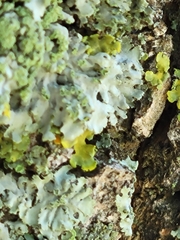
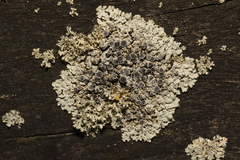
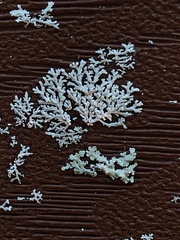
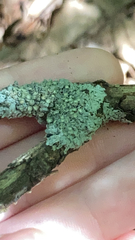
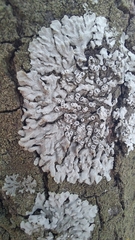
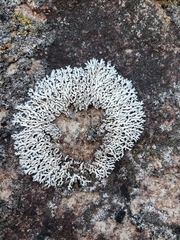
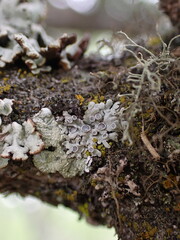
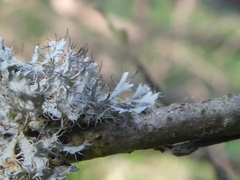
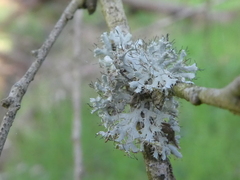
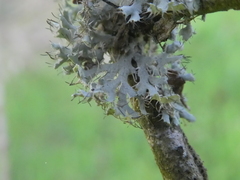
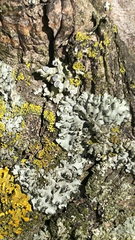
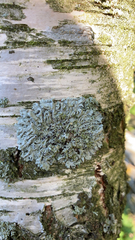
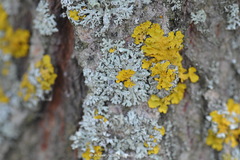
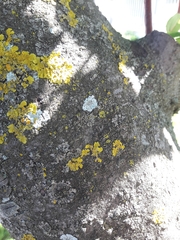
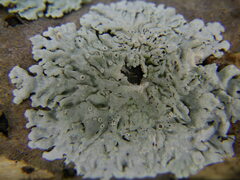
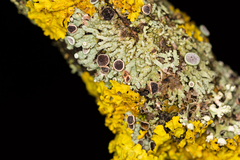
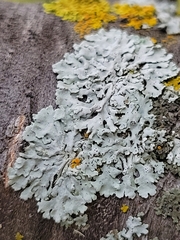
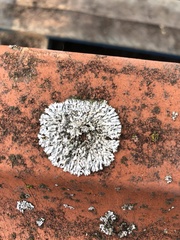
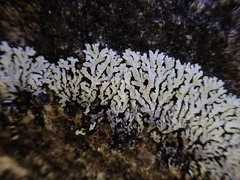
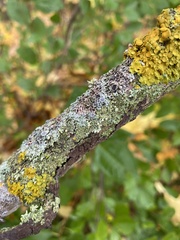
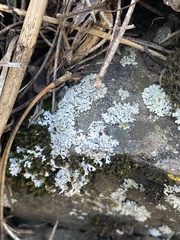
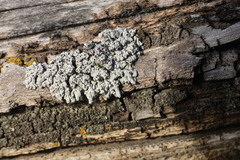
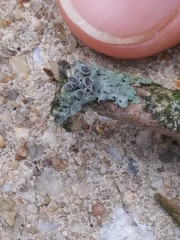
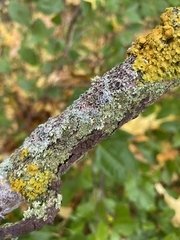
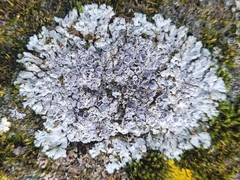
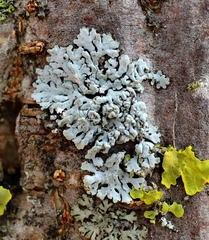
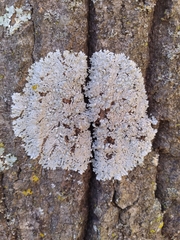
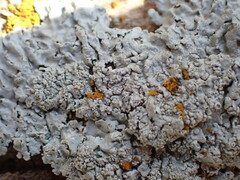
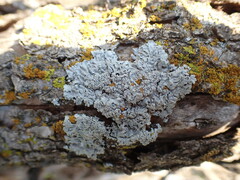
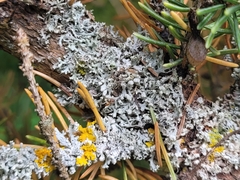
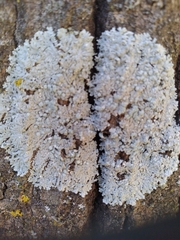
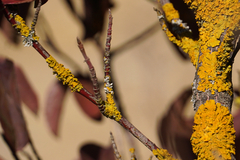
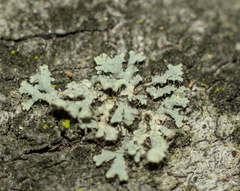
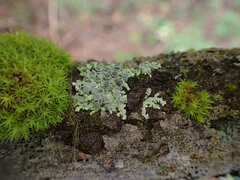
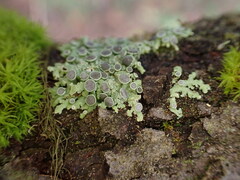
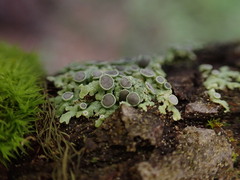
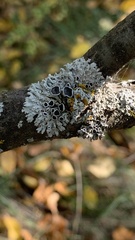
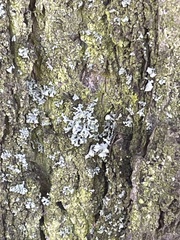
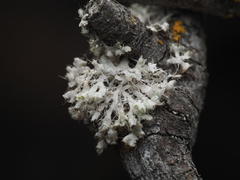
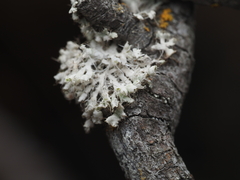
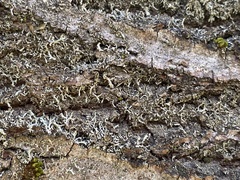
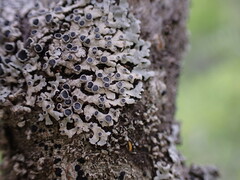
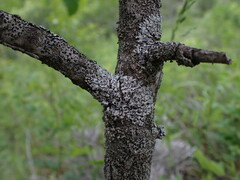
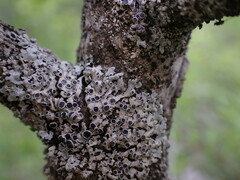
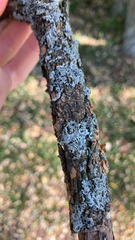
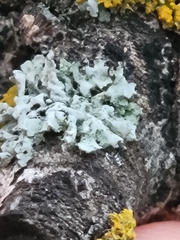
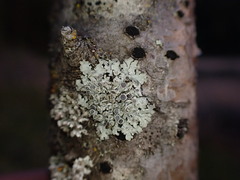
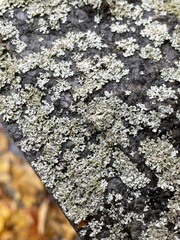
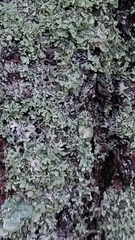
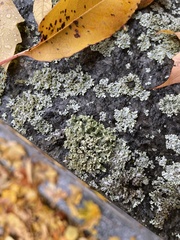
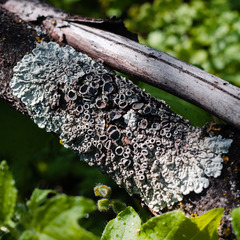
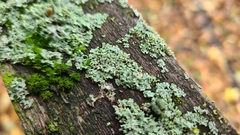
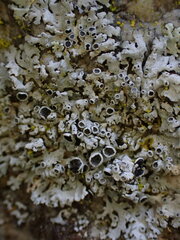
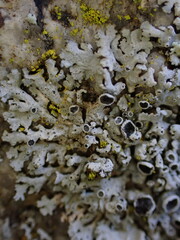
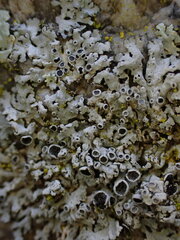
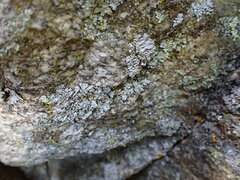
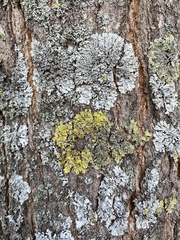
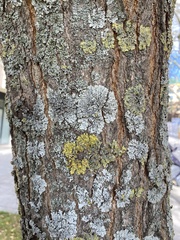
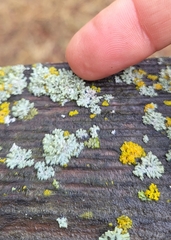
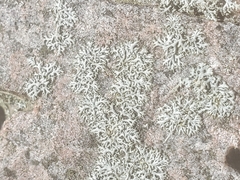
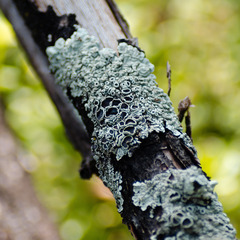
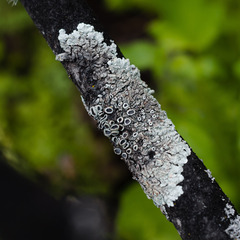
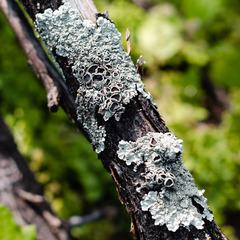
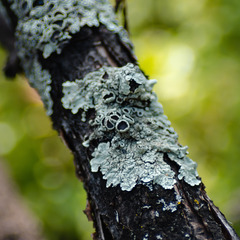
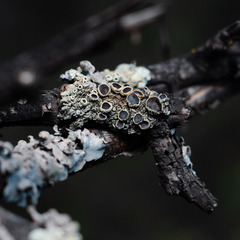
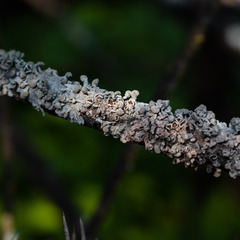
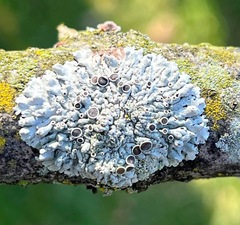
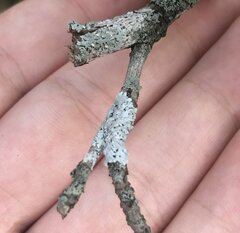
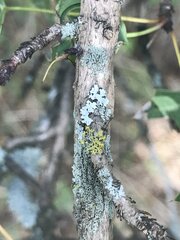
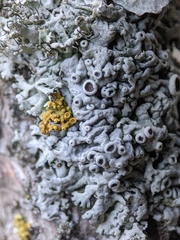
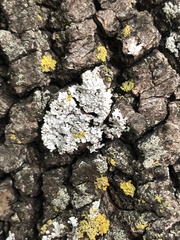
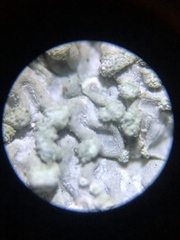
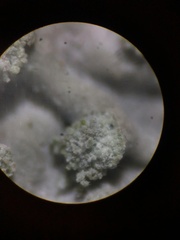
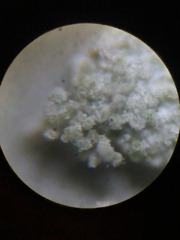
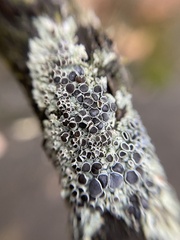
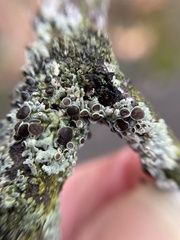
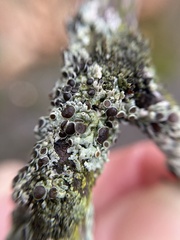
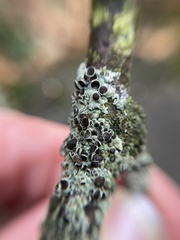
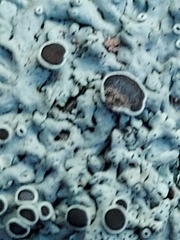
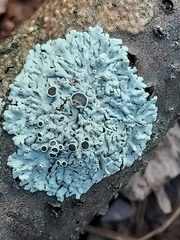
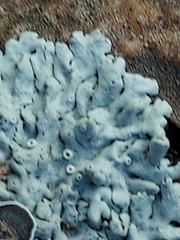
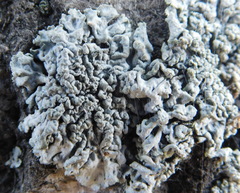
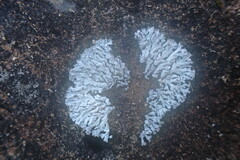
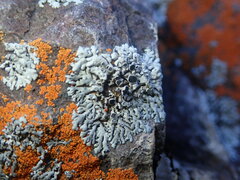
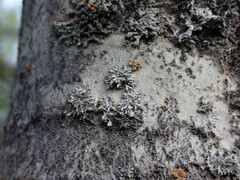
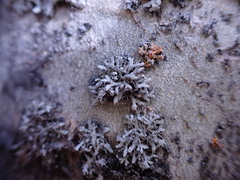
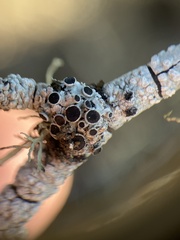
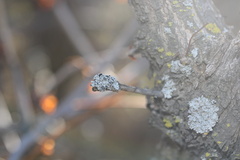
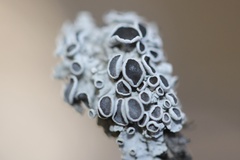
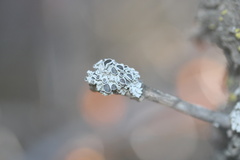
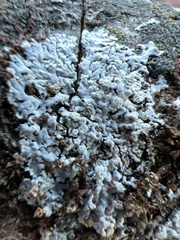
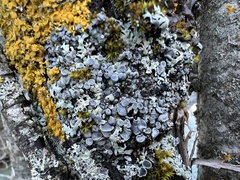
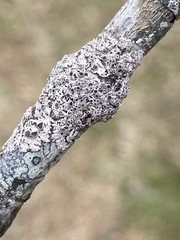
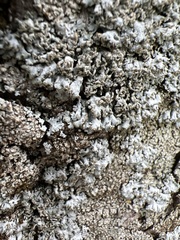
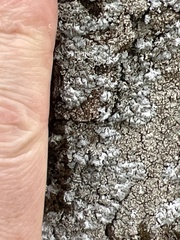
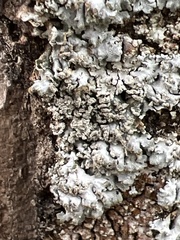
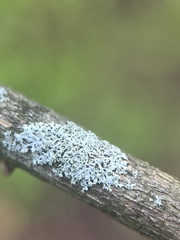
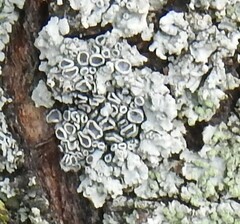
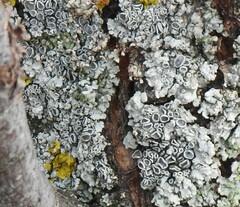
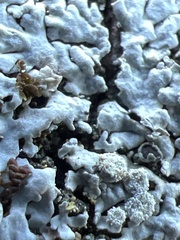
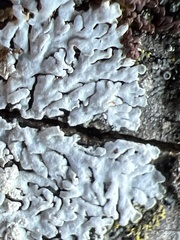
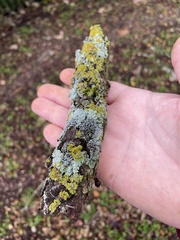
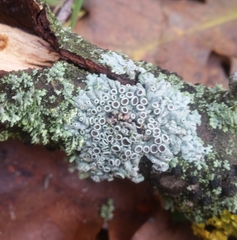
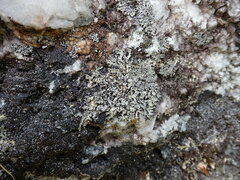
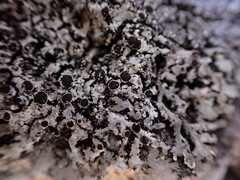
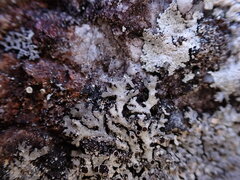
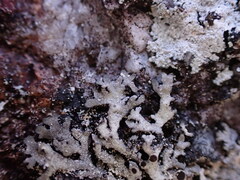
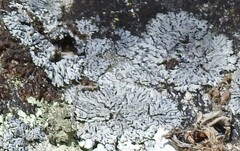
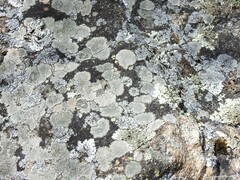
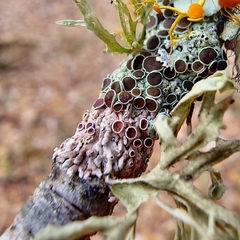
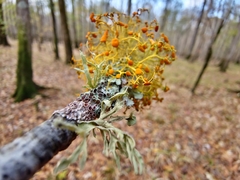
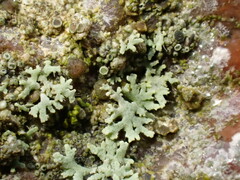
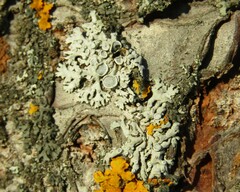
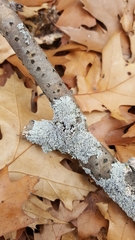
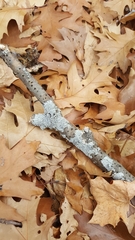
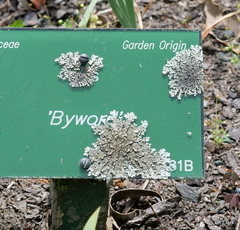
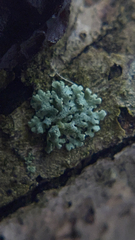
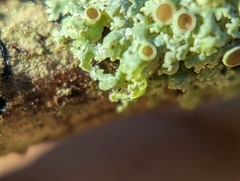
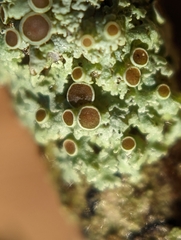
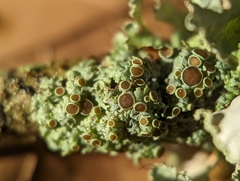
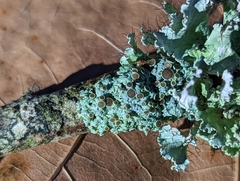
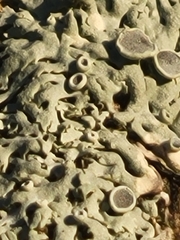
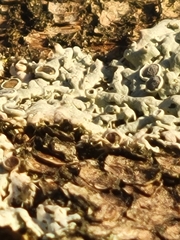
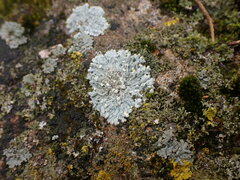
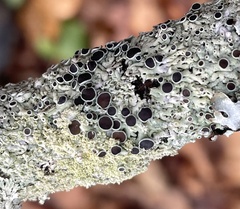
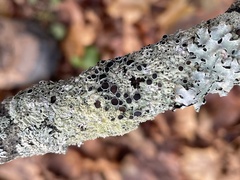
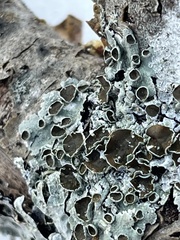
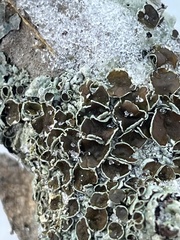
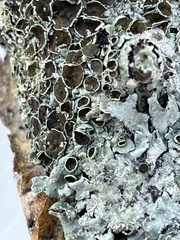
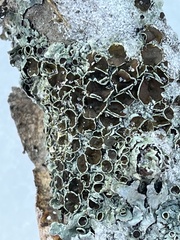
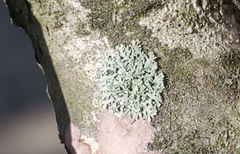
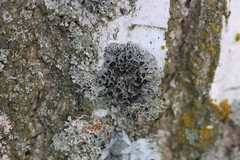
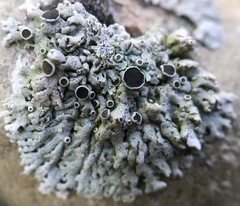
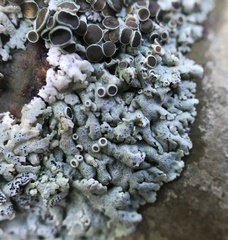
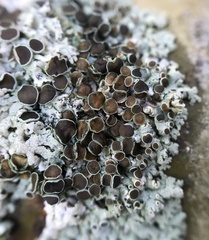
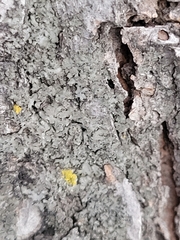
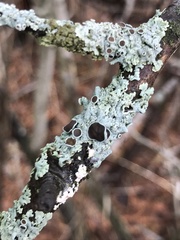
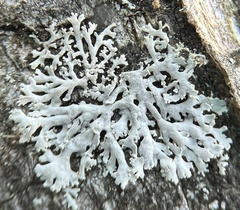
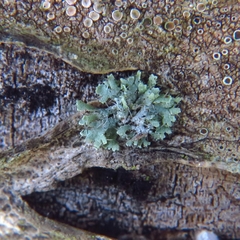
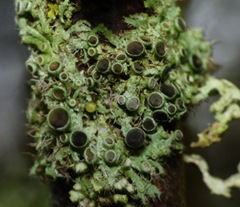
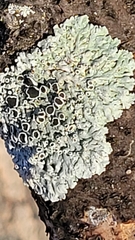
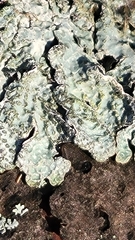
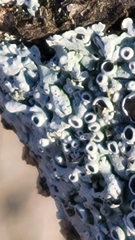
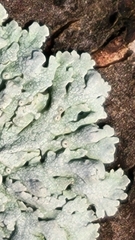
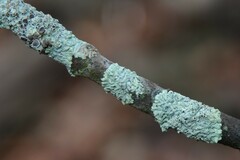
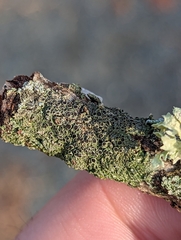
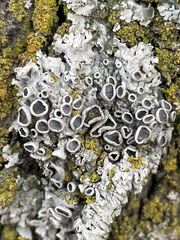
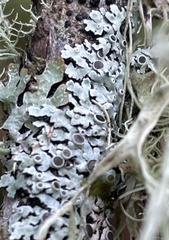
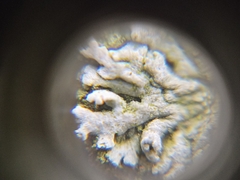
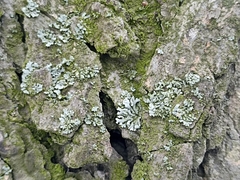
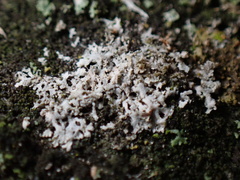
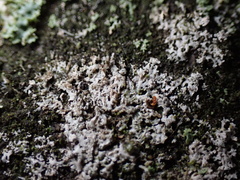
Physcia is a genus of lichen-forming fungi in the family Physciaceae. The widely distributed genus contains about 80 species. The genus is cosmopolitan, and has been extensively studied in various regions in the past several decades, with significant biodiversity in South America identified as a central diversity hotspot. Physcia species are foliose, lobate lichens that grow with a loose to close appressed habit. Their upper surface is typically whitish, pale greenish, green-grey, or dark grey in colour. The thallus colour remains relatively unchanged when moistened. Physcia lichens typically grow on bark, on wood, or rock, although they have occasionally been recorded dwelling on man-made structures. They thrive in nutrient-rich environments and are expanding rapidly in urban areas of the United Kingdom previously affected by SO2 pollution.
The main characteristics that separate Physcia from similar genera in the same order, including Dirinaria, Heterodermia, Hyperphyscia, Kashiwadia, Phaeophyscia, and Pyxine, are the distinct morphology of its ascospores (brown and two-celled), its somewhat cylindrical pycnoconidia (asexual reproductive structures), and the presence of the chemical atranorin in the upper cortex. Physcia has been divided into sections based on morphological and chemical characters, such as the presence or absence of cilia on the thallus margins and K+ (yellow) spot test reaction in the cortex.
The genus Physcia was formally established by André Michaux in 1805, who elevated it from a section within the genus Lichen as originally outlined by Johann Christian Daniel von Schreber in 1791. Over the years, the genus has been divided into various sections based on characters such as hypothecium colour, presence of cilia, thallus spotting, and chemical reactions, with significant contributions from taxonomists like Edvard August Vainio in 1890 and Roland Moberg, who in 1977 and later in 1986, refined the infrageneric classification of this diverse genus.
Numerous lichenicolous fungi are known to colonise Physcia species include those with species epithets reflecting their ecological ties to this host, such as Bryostigma epiphyscium and Xanthoriicola physciae. Infections by these fungi can cause distinct physical symptoms useful for identification, such as the gall formations by Syzygospora physciacearum and the orange discolouration by Marchandiomyces auranticus. Additionally, the long cilia of Physcia adscendens, which confer velcro-like attachment capabilities to the thallus of this species, are used by birds in nest building. Some Physcia species have been employed in biomonitoring studies of air quality.
...Physcia in languages:
- Chinese
- 蜈蚣衣屬
- Czech
- Terčovník
- Danish
- Rosetlav
- Dutch
- Vingermos
- English
- rosette lichens
- Estonian
- rosettsamblikud
- Finnish
- sinilaakajäkälät
- German
- Schwielenflechten
- Japanese
- ムカデゴケ属
- Korean
- 지네지의속
- Lithuanian
- Žiauberė
- Polish
- obrost
- Russian
- Фисция
- Swedish
- rosettlavar
- Thai
- สาวน้อยกระโปรงบาน ฯลฯ
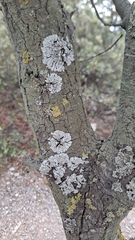
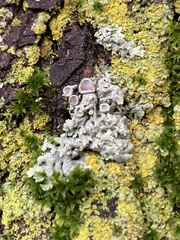
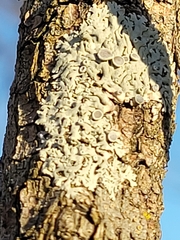
Images from inaturalist.org observations:
We recommend you sign up for this excellent, free service.

Parent Taxon
Sibling Taxa
Child Taxa
- Physcia abuensis
- Physcia adscendens
- Physcia affixa
- Physcia aipolia
- Physcia aipolioides
- Physcia alba
- Physcia albata
- Physcia albinea
- Physcia alnophila
- Physcia americana
- Physcia atrostriata
- Physcia austrostellaris
- Physcia biziana
- Physcia caesia
- Physcia clementei
- Physcia convexa
- Physcia convexella
- Physcia crispa
- Physcia dakotensis
- Physcia decorticata
- Physcia dilatata
- Physcia dimidiata
- Physcia dubia
- Physcia duplicorticata
- Physcia erosula
- Physcia erumpens
- Physcia flammula
- Physcia halei
- Physcia hispida
- Physcia integrata
- Physcia jackii
- Physcia krogiae
- Physcia leptalea
- Physcia magnussonii
- Physcia melanocarpoides
- Physcia mexicana
- Physcia millegrana
- Physcia montana
- Physcia nashii
- Physcia neglecta
- Physcia neogaea
- Physcia nubila
- Physcia obscura
- Physcia phaea
- Physcia poncinsii
- Physcia pseudospeciosa
- Physcia pumilior
- Physcia sinuosa
- Physcia solistella
- Physcia sorediosa
- Physcia stellaris
- Physcia subalbinea
- Physcia subtilis
- Physcia synthalea
- Physcia tenella
- Physcia tenellula
- Physcia tenuis
- Physcia thomsoniana
- Physcia tribacia
- Physcia tribacioides
- Physcia undulata
- Physcia venustula
- Physcia verdonii
- Physcia villosula
- Physcia vitii
- Physcia zuluensis
Top Observation Places
- Aalst
- York
- New Haven
- West Haven
- Fayetteville
- Stockholm
- Vasastan
- Davis
- Tartu
- Oslo
- Iowa City
- Olomouc
- Wellington
- Arden-Arcade
- Sheffield
- Zwickau
- Paris
- Neuilly-sur-Seine
- Ivry-sur-Seine
- Maisons-Alfort
- Asheville
- Clermont-Ferrand
- Kettering
- Cambridge
- Folkestone
- Darmstadt
- Reykjavík
- Sydney
- West Hartford
- Shrewsbury
- Copenhagen
- Frederiksberg
- Hvidovre
- Pasadena
- Levittown
- Edmonton
- Peterborough
- Dudley
- Stourbridge
- Halesowen
- Kingston
- San Antonio
- Ann Arbor
- Oviedo
- Niagara Falls
- North Richland Hills
- Kirovo-Chepetsk
- Guelph
- Providence
- Warwick