Phytolacca sandwicensis: taxon details and analytics
- Domain
- Kingdom
- Plantae
- Phylum
- Tracheophyta
- Class
- Magnoliopsida
- Order
- Caryophyllales
- Family
- Phytolaccaceae
- Genus
- Phytolacca
- Species
- Phytolacca sandwicensis
- Scientific Name
- Phytolacca sandwicensis
Summary description from Wikipedia:
Phytolacca sandwicensis
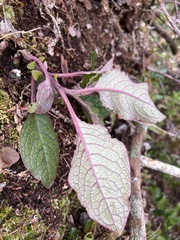
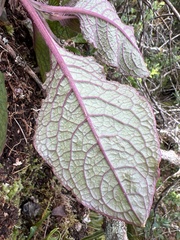
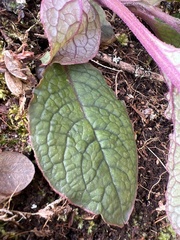
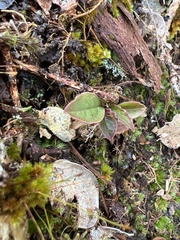
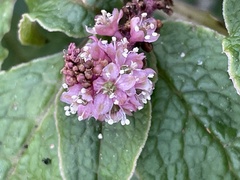
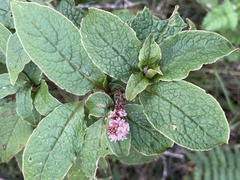
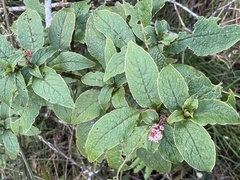
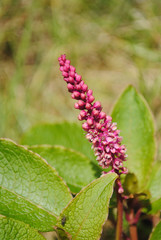
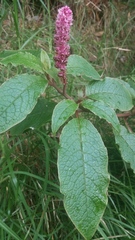
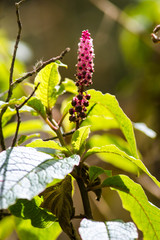
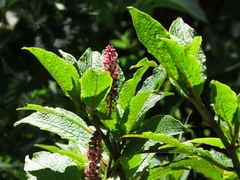
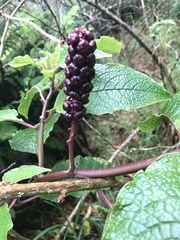
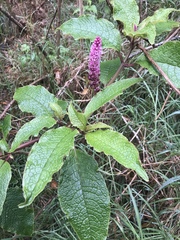
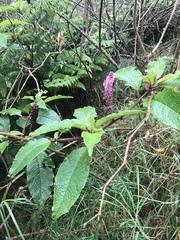
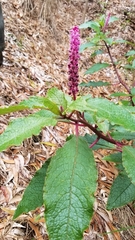
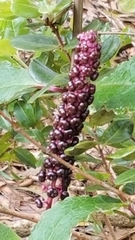
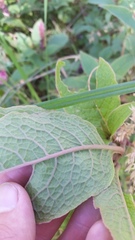
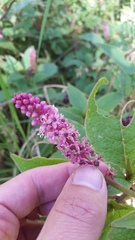
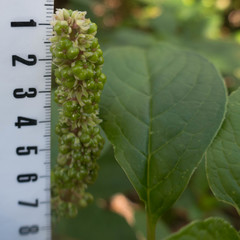
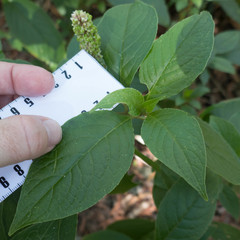
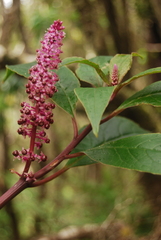
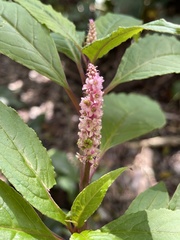
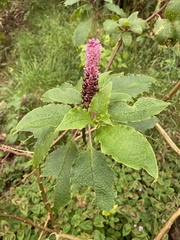
Phytolacca sandwicensis, also known as Hawai'i pokeweed, is a member of the Phytolaccaceae family and is a flowering and fruit bearing species endemic to the Hawaiian Islands, where it is found on Kauaʻi, Oʻahu, Molokaʻi, Maui, and Hawaiʻi. Locally it is referred to as pōpolo kū mai and/or pōpolo. Pōpolo itself is a term for any Solanum species, which its berries resemble.
The genus Phytolacca has about 25 different species within it. They are commonly found in North America, South America, East Asia and New Zealand, with Phytolacca sandwicensis being the only species exclusively found in the Hawaiian Islands.
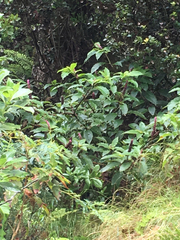
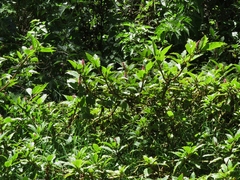
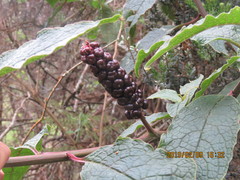
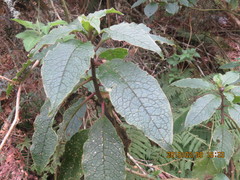
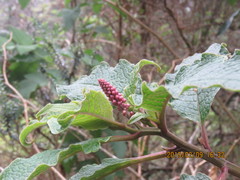
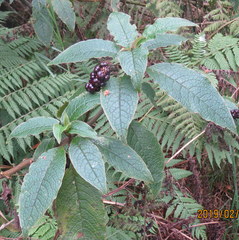
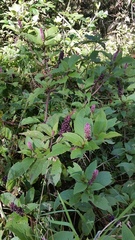
Hawai'i pokeweed can grow to a size of anywhere from 1 to greater than 3 feet in height and can spread to over 10 feet in diameter. This low and wide style of growing has made it an up-and-coming favorite for landscapers. The pokeweed has been used by the natives there for thousands of years. They would gather the berries of the plant and crush them to make a dark purplish dye for tattooing. The berries themselves are not consumable by humans or mammals, but birds have been able to adapt to combat the toxins which are emitted and do eat the fruits which aids in the process of seed dispersal. Phytolacca sandwicensis is often found in open areas or creek bottoms in wet forests at altitudes ranging from as low as 300 feet above sea level on up to 6500 feet above sea level.
...Phytolacca sandwicensis in languages:
- English
- Hawai'i pokeweed
- English
- Hawaii pokeweed
Images from inaturalist.org observations:
We recommend you sign up for this excellent, free service.
Parent Taxon
Sibling Taxa
- Phytolacca acinosa
- Phytolacca americana
- Phytolacca bogotensis
- Phytolacca dioica
- Phytolacca dodecandra
- Phytolacca heptandra
- Phytolacca heterotepala
- Phytolacca icosandra
- Phytolacca japonica
- Phytolacca latbenia
- Phytolacca meziana
- Phytolacca octandra
- Phytolacca polyandra
- Phytolacca pruinosa
- Phytolacca rivinoides
- Phytolacca rugosa
- Phytolacca sandwicensis
- Phytolacca sanguinea
- Phytolacca tetramera
- Phytolacca thyrsiflora