Polistes canadensis: taxon details and analytics
- Domain
- Kingdom
- Animalia
- Phylum
- Arthropoda
- Class
- Insecta
- Order
- Hymenoptera
- Family
- Vespidae
- Genus
- Polistes
- Species
- Polistes canadensis
- Scientific Name
- Polistes canadensis
Summary description from Wikipedia:
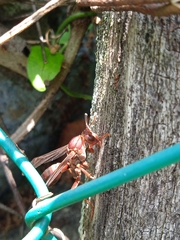
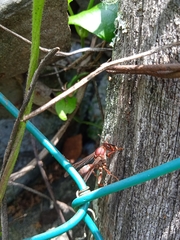
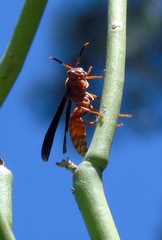
Polistes canadensis
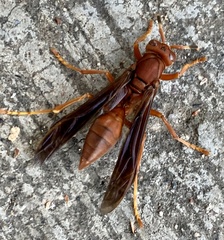
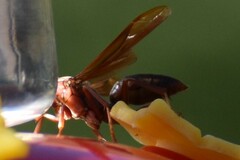
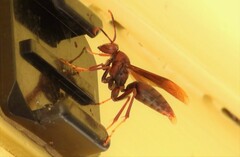
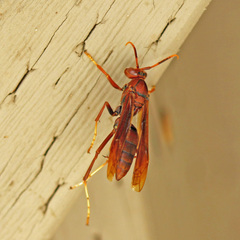
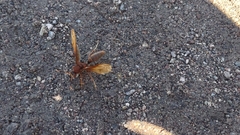
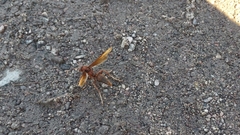
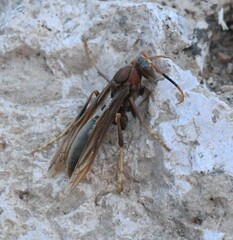
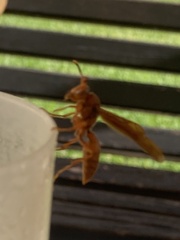
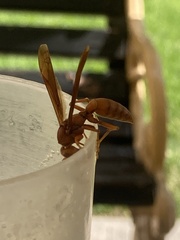
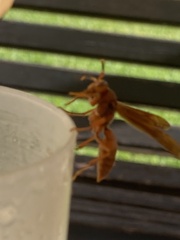
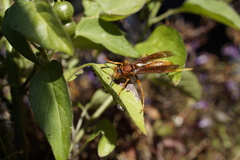
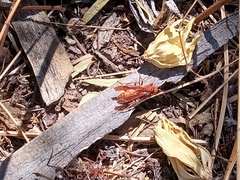
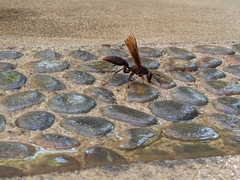
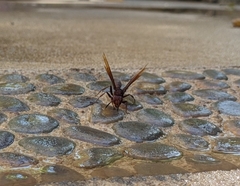
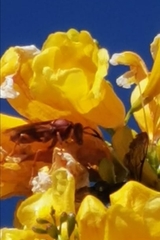
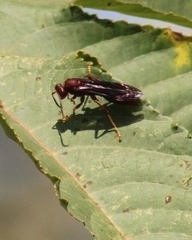
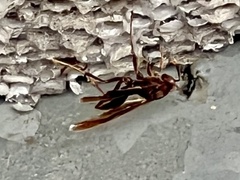
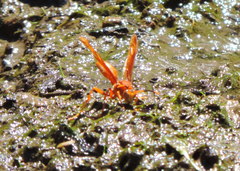
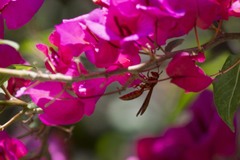
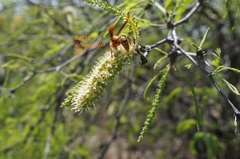
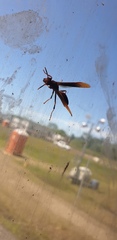
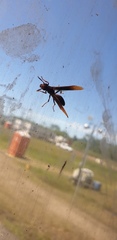
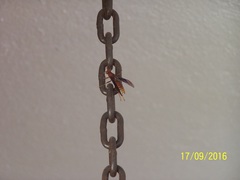
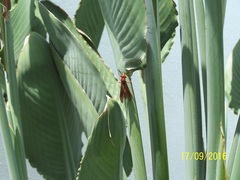
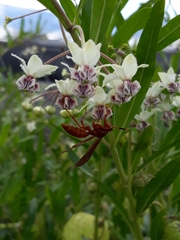
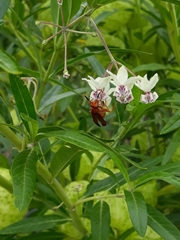
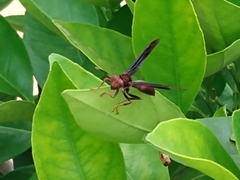
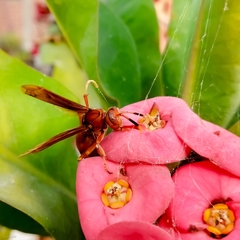
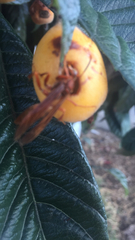
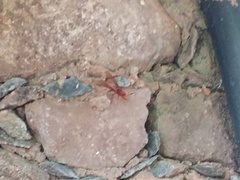
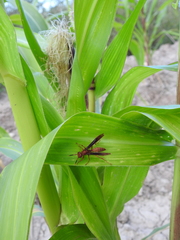
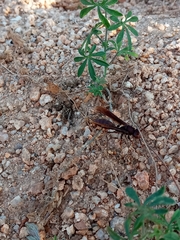
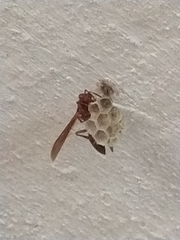
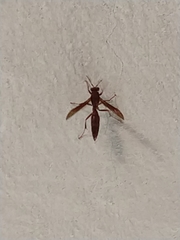
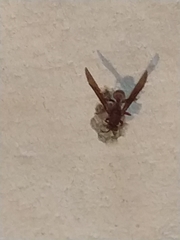
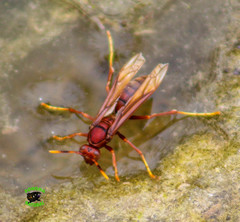
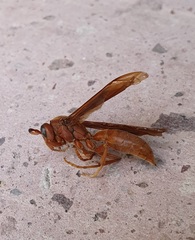
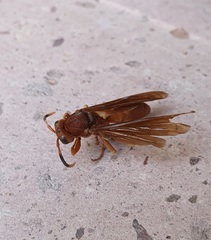
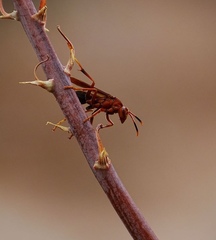
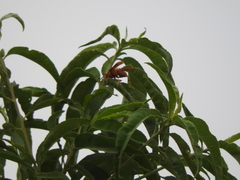
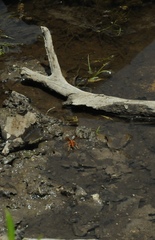
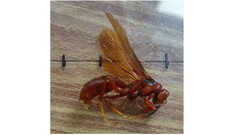
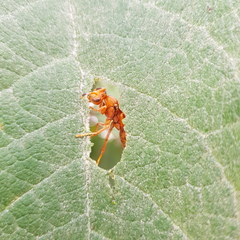
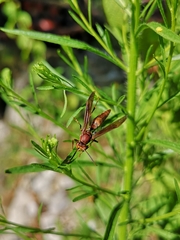
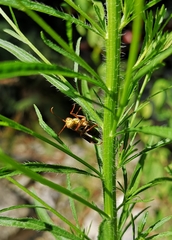
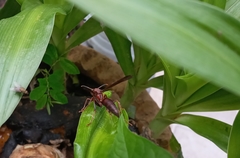
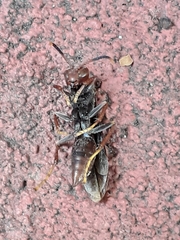
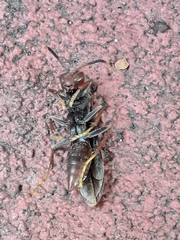
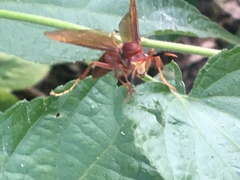
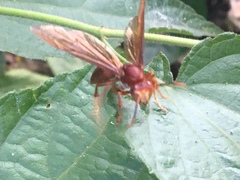
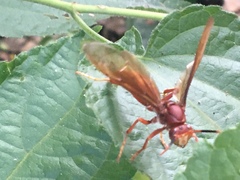
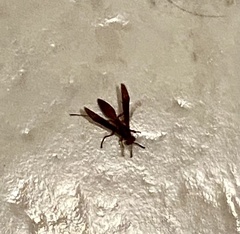
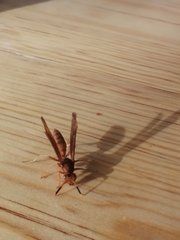
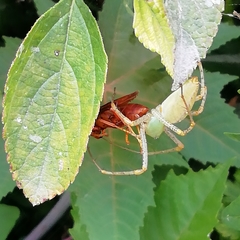
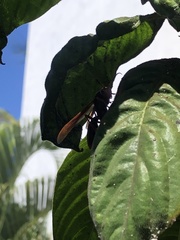
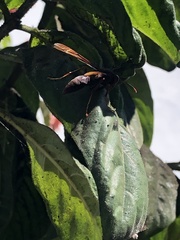
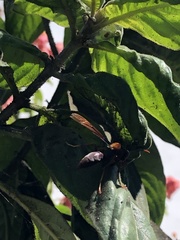
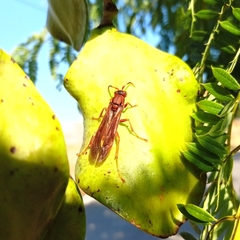
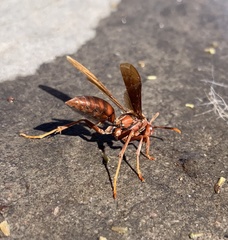
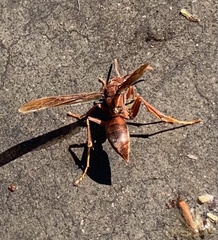
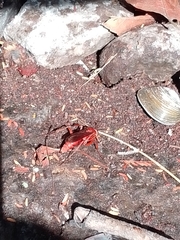
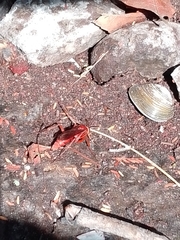
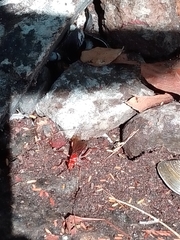
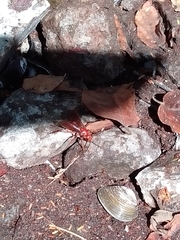
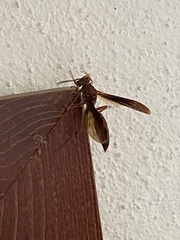
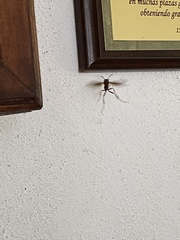
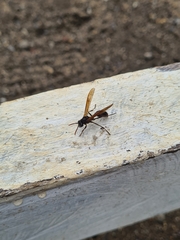
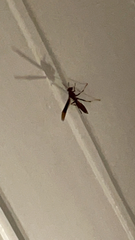
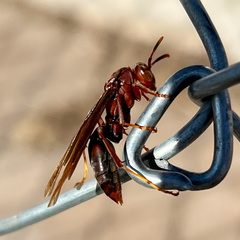
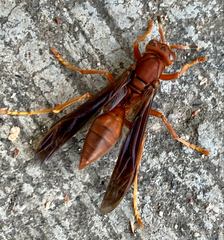
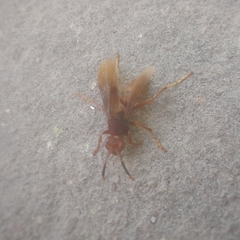
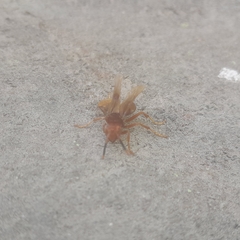
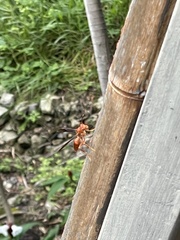
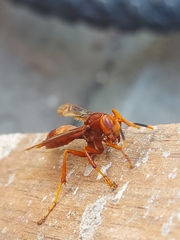
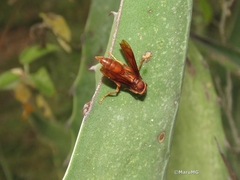
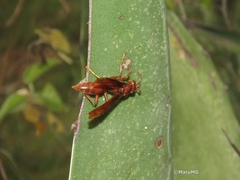
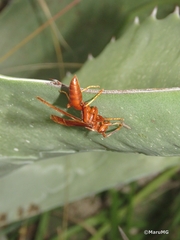
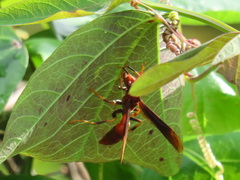
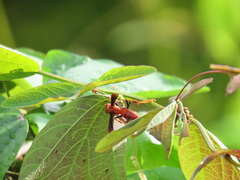
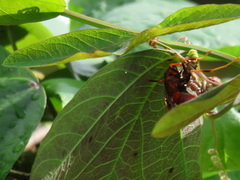
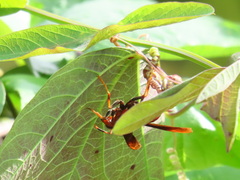
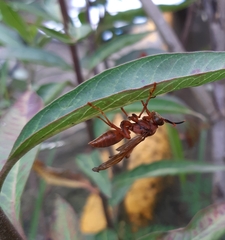
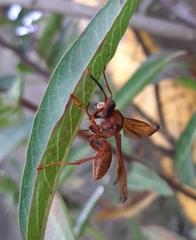
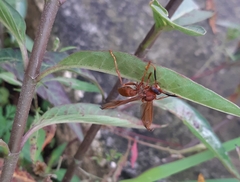
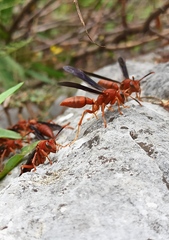
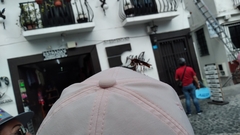
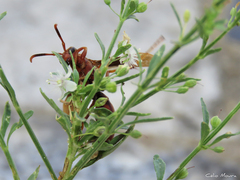
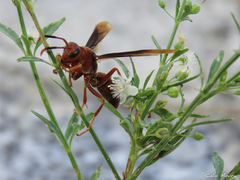
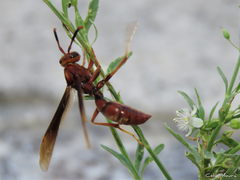
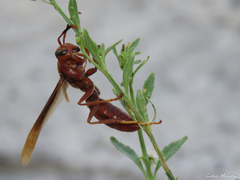
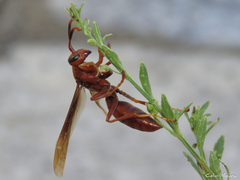
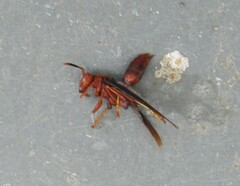
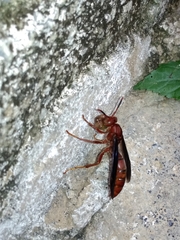
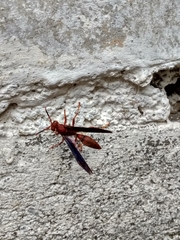
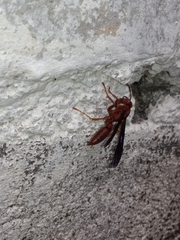
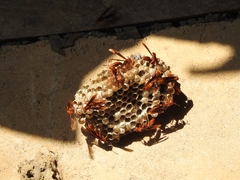
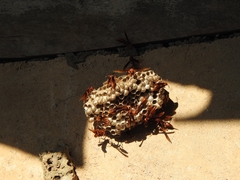
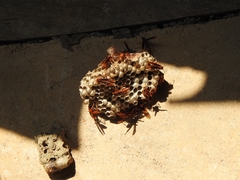
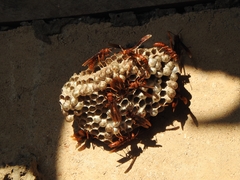
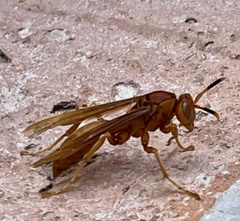
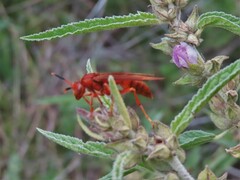
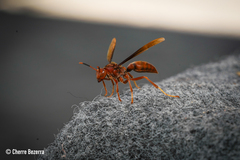
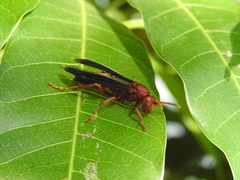
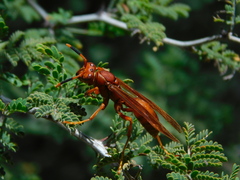
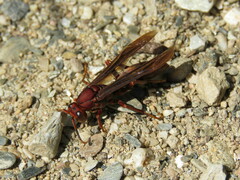
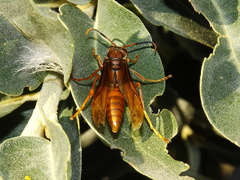
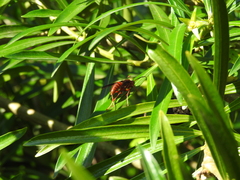
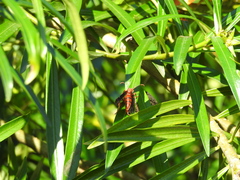
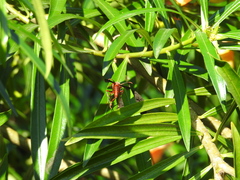
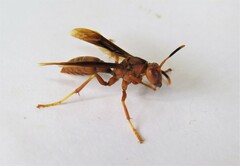
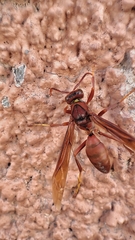
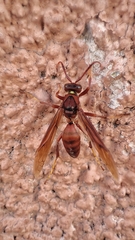
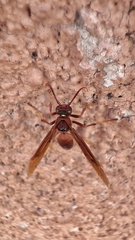
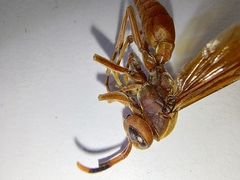
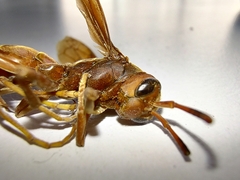
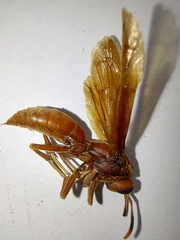
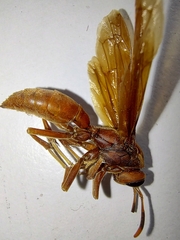
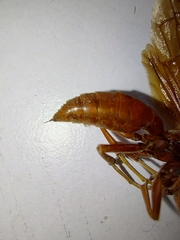
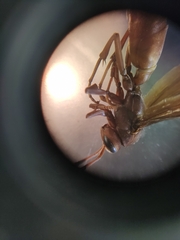
Polistes canadensis is a species of red paper wasp found in the Neotropical realm. It is a primitively eusocial wasp as a member of the subfamily Polistinae. A largely predatory species, it hunts for caterpillar meat to supply its colony, often supplementing its developing larvae with nectar. The most widely distributed American species of the genus Polistes, it colonizes multiple combs, which it rears year-round.
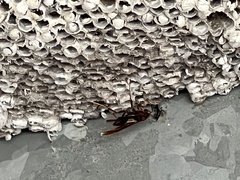
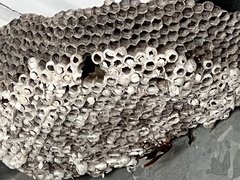
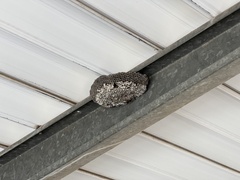
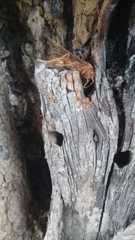
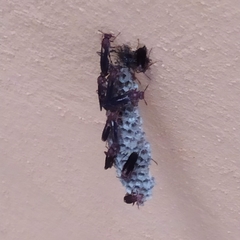
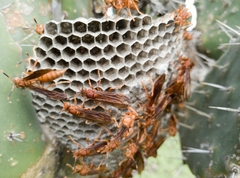
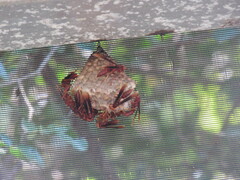
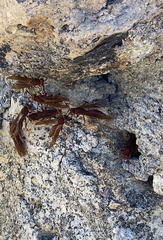
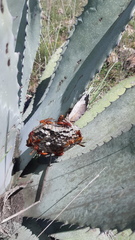
Emerging from hibernation in the spring, the females found nests built from plant material such as dry grass and dead wood. These nests are not covered with an envelope and feature hexagonal cells in which eggs are laid and larvae develop. The Polistes canadensis colony divides its colony among several combs and does not reuse these combs as a defense mechanism against parasites such as the tineid moth. On average, a single female queen with 9.1 foundresses usually initiates the construction of new combs and cells to form nests. The more foundresses in a colony, the more combs produced. On average, combs grow for 15.4 days and achieve a size of 30.8 cells. One female queen exercises absolute dominance over all other females, often using lateral abdominal vibrations and stroking to suppress the aggressive behavior of her nestmates.
While the queen handles all the nest reproduction, the subordinates work to care for, defend, and feed the nest instead. The divisions of labor within the nest correlate with the ages of Polistes canadensis. Aside from the female division of labor, male Polistes canadensis engage in two alternative mating tactics: the role of the territorial male (who chases away intruding patrollers) and the role of the patroller (who flies from tree to tree and does not chase other males). The study of the dominance relations within the Polistes canadensis has provided insight into the social organization that characterizes many social invertebrates.
...Polistes canadensis in languages:
- English
- Neotropical Red Paper Wasp
- Portuguese
- Marimbondo-caboclo
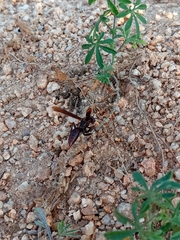
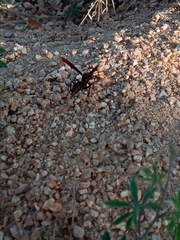
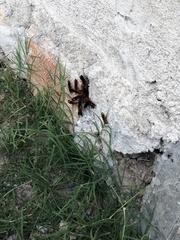
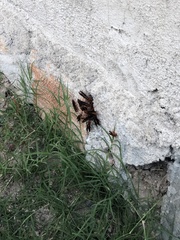
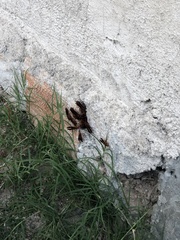
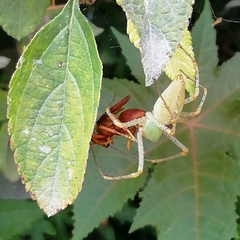
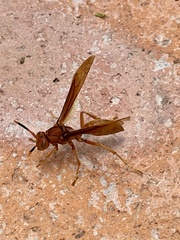
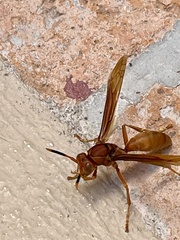
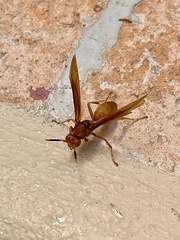
Images from inaturalist.org observations:
We recommend you sign up for this excellent, free service.



Parent Taxon
Sibling Taxa
- Polistes adelphus
- Polistes annularis
- Polistes apicalis
- Polistes arizonensis
- Polistes aterrimus
- Polistes bahamensis
- Polistes bequaertellus
- Polistes biguttatus
- Polistes binotatus
- Polistes brevifissus
- Polistes buyssoni
- Polistes canadensis
- Polistes cavapyta
- Polistes cavapytiformis
- Polistes comanchus
- Polistes consobrinus
- Polistes crinitus
- Polistes cubensis
- Polistes dominicus
- Polistes eburneus
- Polistes erythrocephalus
- Polistes exclamans
- Polistes ferreri
- Polistes franciscanus
- Polistes goeldii
- Polistes huacapistana
- Polistes incertus
- Polistes infuscatus
- Polistes instabilis
- Polistes kaibabensis
- Polistes lanio
- Polistes lineonotus
- Polistes maranonensis
- Polistes melanotus
- Polistes mexicanus
- Polistes minor
- Polistes myersi
- Polistes ninabamba
- Polistes notatipes
- Polistes oculatus
- Polistes penai
- Polistes peruvianus
- Polistes pseudoculatus
- Polistes ridleyi
- Polistes rufidens
- Polistes satan
- Polistes simillimus
- Polistes stabilinus
- Polistes veracrucis
- Polistes versicolor
- Polistes weyrauchorum
- Polistes xanthogaster