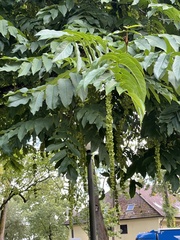
Pterocarya: taxon details and analytics
- Domain
- Kingdom
- Plantae
- Phylum
- Tracheophyta
- Class
- Magnoliopsida
- Order
- Fagales
- Family
- Juglandaceae
- Genus
- Pterocarya
- Species
- Scientific Name
- Pterocarya
Summary description from Wikipedia:
Pterocarya
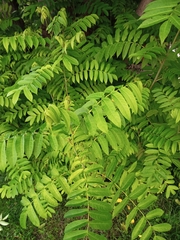
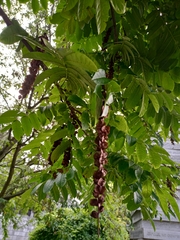
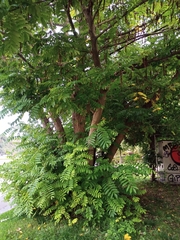
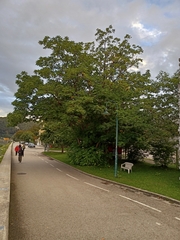
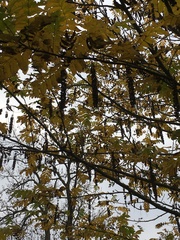
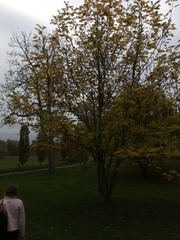
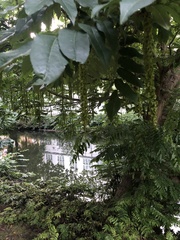
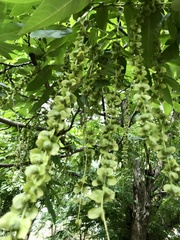
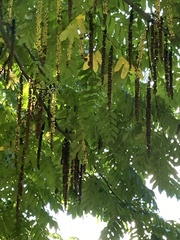
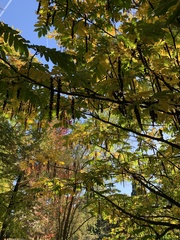
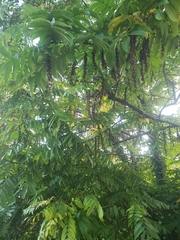
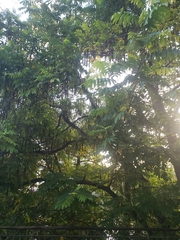
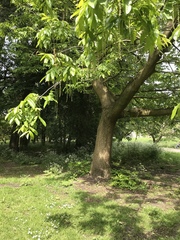
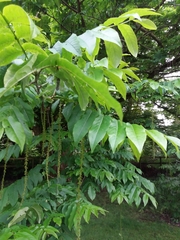
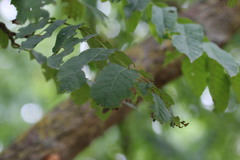
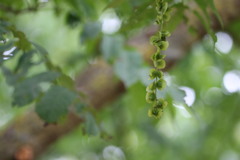
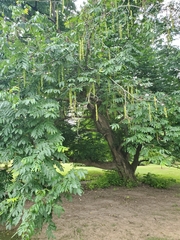
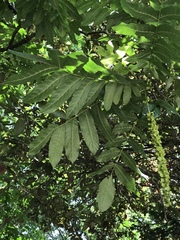
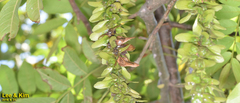
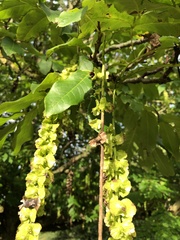
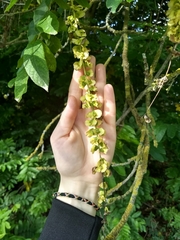
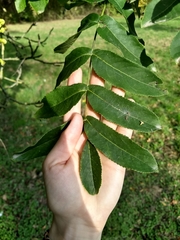
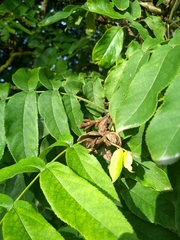
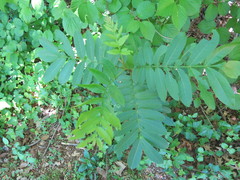
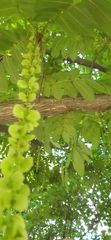
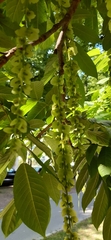
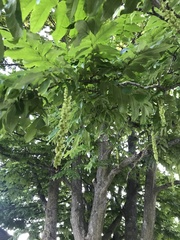
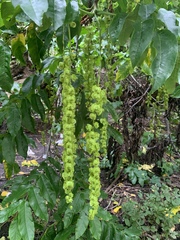
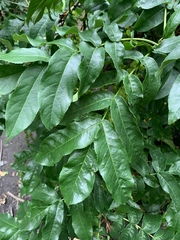
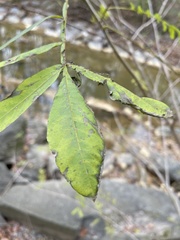
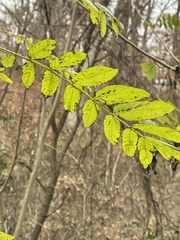
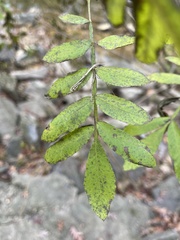
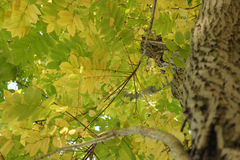
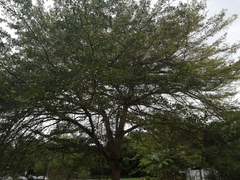
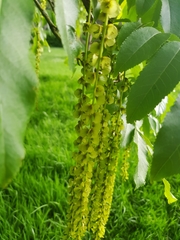
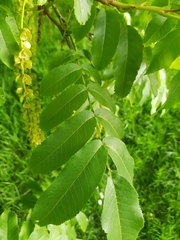
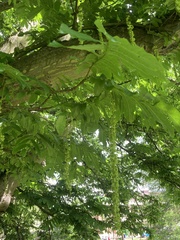
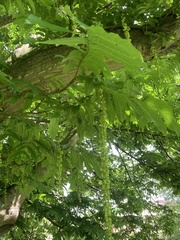
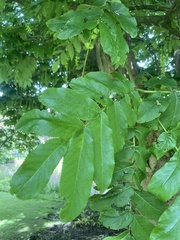
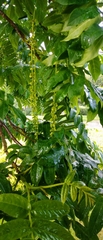
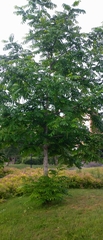
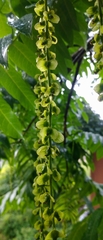
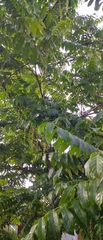
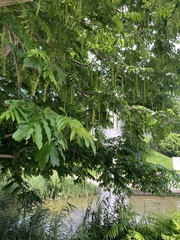
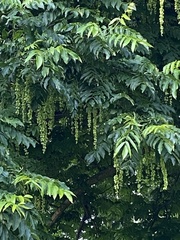
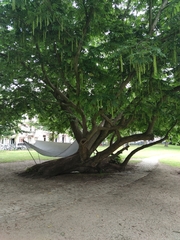
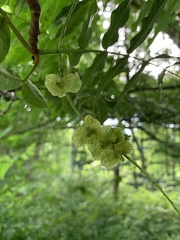
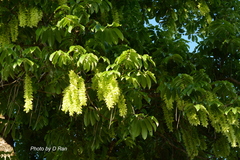
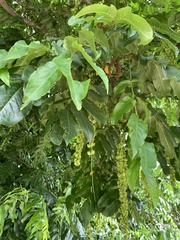
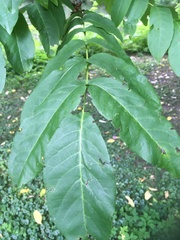
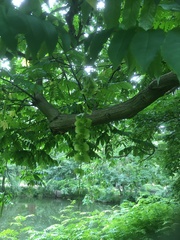
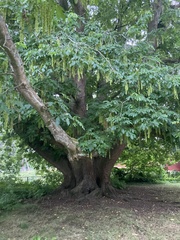
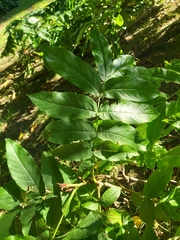
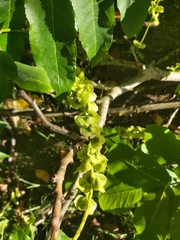
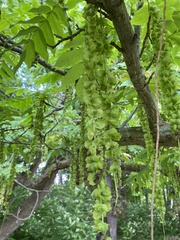
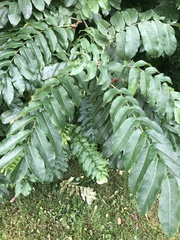
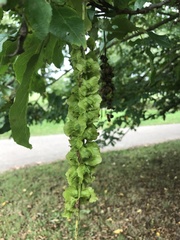
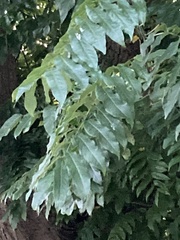
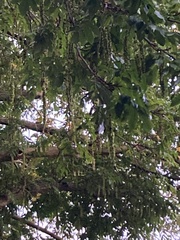
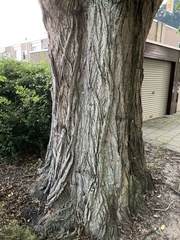
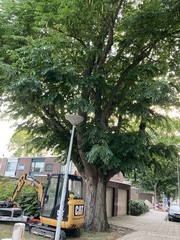
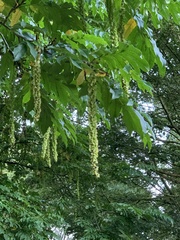
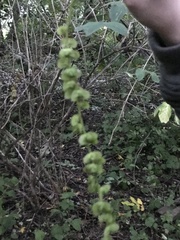
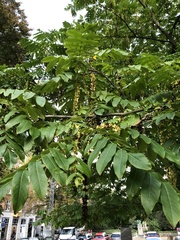
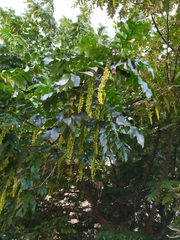
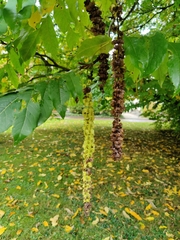
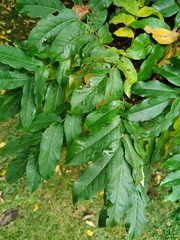
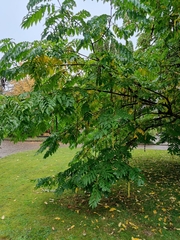
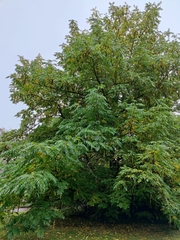
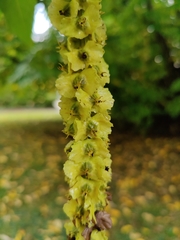
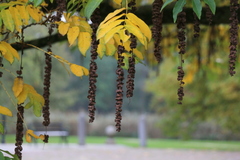
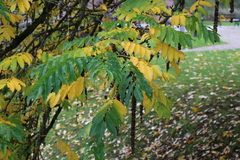
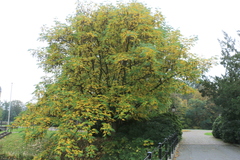
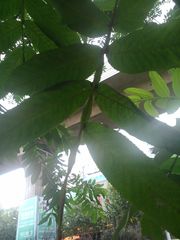
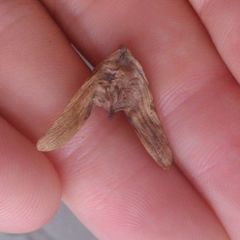
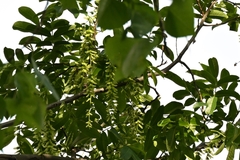
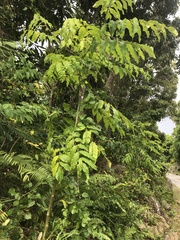
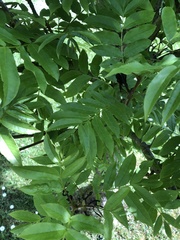
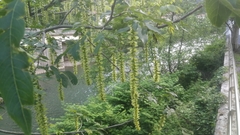
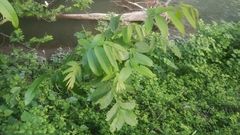
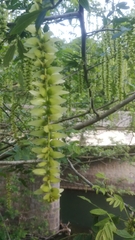
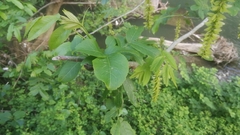
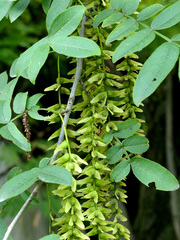
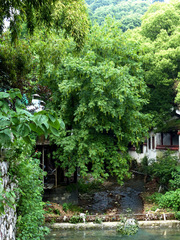
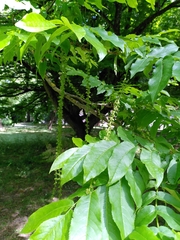
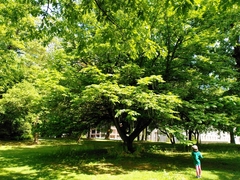
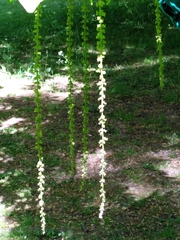
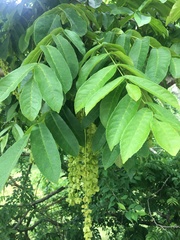
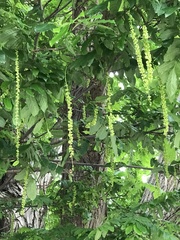
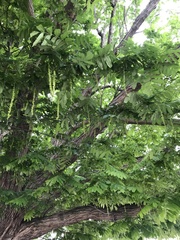
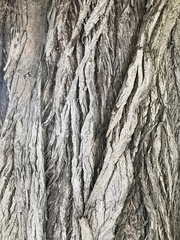
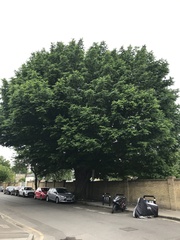
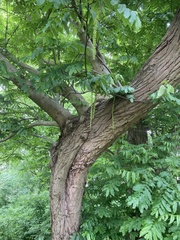
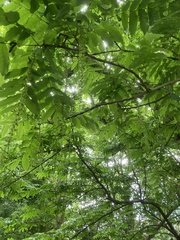
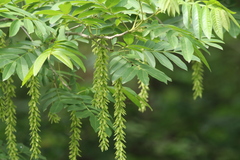
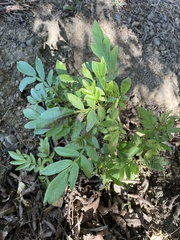
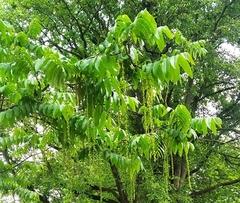
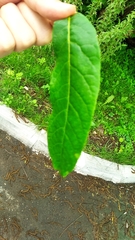
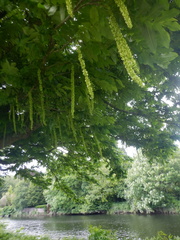
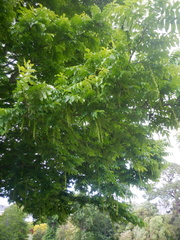
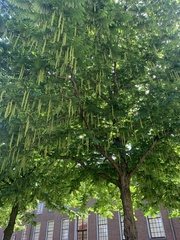
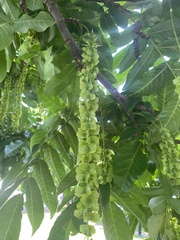
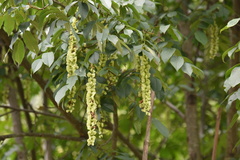
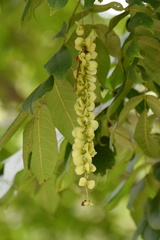
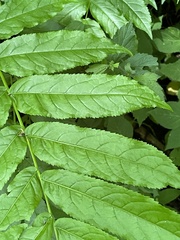
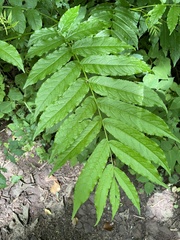
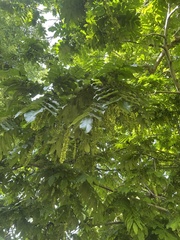
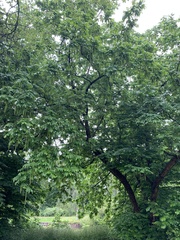
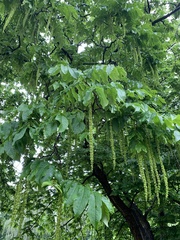
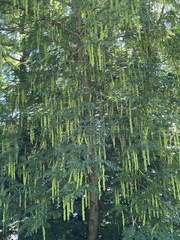
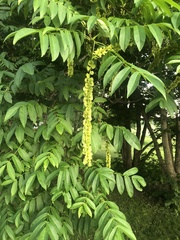
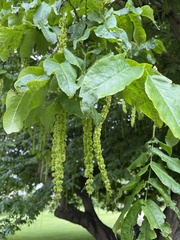
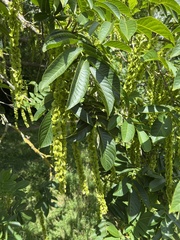
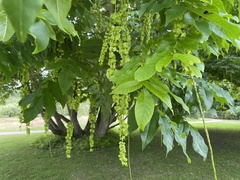
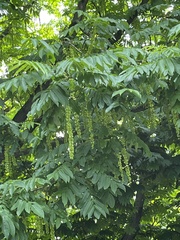
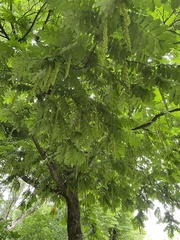
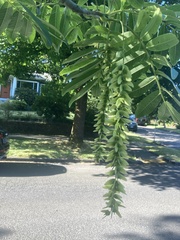
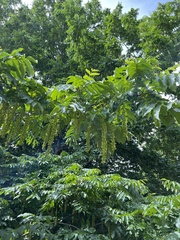
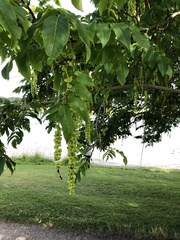
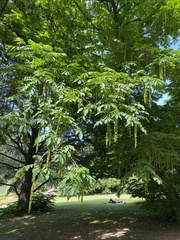
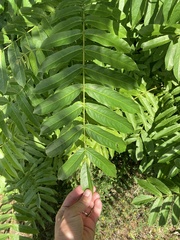
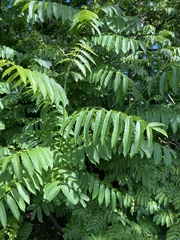
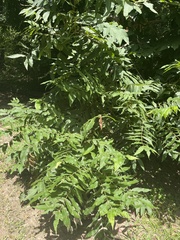
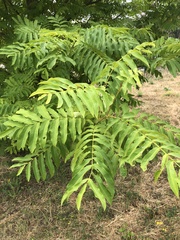
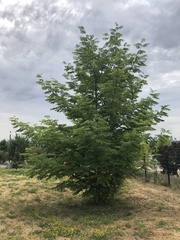
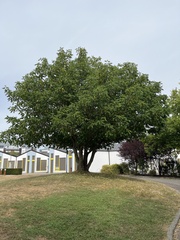
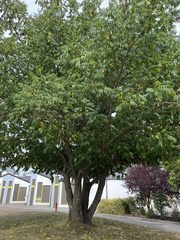
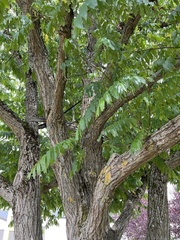
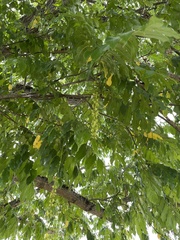
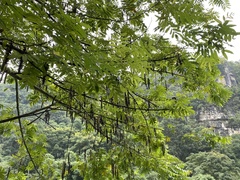
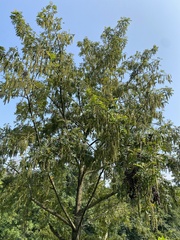
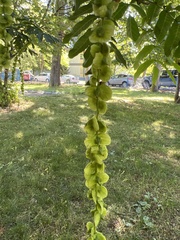
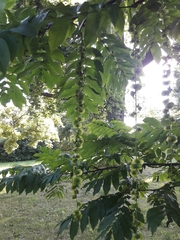
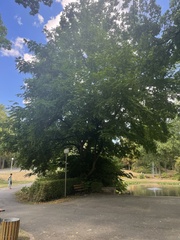
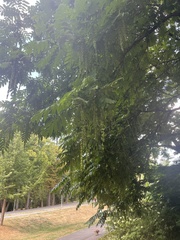
Pterocarya, often called wingnuts in English, are trees in the walnut family Juglandaceae. They are native to Asia and parts of Europe. The botanic name is from Ancient Greek πτερόν (pteron) "wing" + κάρυον (karyon) "nut". The genus is of particular scientific interest as a classic relict lineage, with a modern distribution disjunct between East Asia and the Caucasus–West Asian region, while its fossil record shows it was once widespread across much of the Northern Hemisphere. Many fossils are known from the New World and the genus survived in the New world till the Pliocene. Most species of wingnuts are large, fast-growing trees, often associated with riverbanks, floodplains, and moist temperate forests. They are characterized by pinnate leaves, monoecious flowers, and fruits with lateral wings that aid wind and water dispersal. Several species, such as Pterocarya stenoptera and Pterocarya fraxinifolia, are widely cultivated as ornamental or shade trees due to their graceful form and tolerance of wet soils.
...Pterocarya in languages:
- Chinese
- 楓楊屬
- Czech
- lapina
- Danish
- vingevalnød
- English
- Wingnuts
- Estonian
- tiibpähklipuud
- Finnish
- siipipähkinät
- Japanese
- サワグルミ属
- Korean
- 굴피나무속
- Swedish
- vingnötter
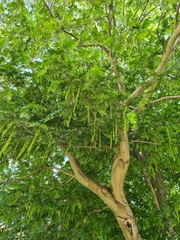
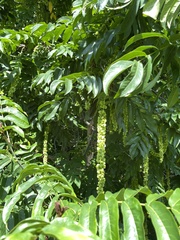
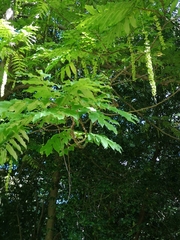
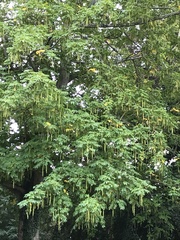
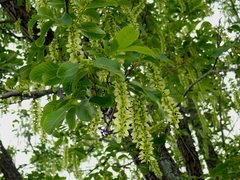
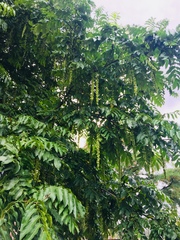
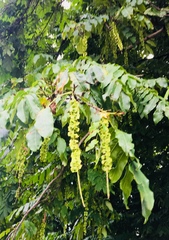
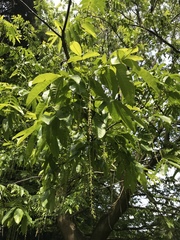
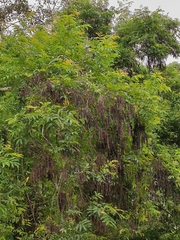
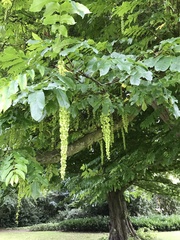
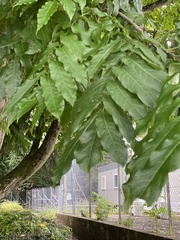
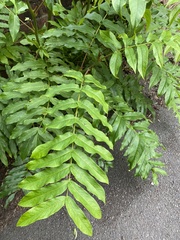
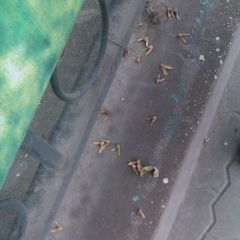
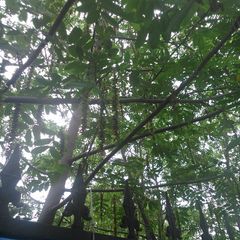
Images from inaturalist.org observations:
We recommend you sign up for this excellent, free service.