Pyrus ussuriensis: taxon details and analytics
- Domain
- Kingdom
- Plantae
- Phylum
- Tracheophyta
- Class
- Magnoliopsida
- Order
- Rosales
- Family
- Rosaceae
- Genus
- Pyrus
- Species
- Pyrus ussuriensis
- Scientific Name
- Pyrus ussuriensis
Summary description from Wikipedia:
Pyrus ussuriensis
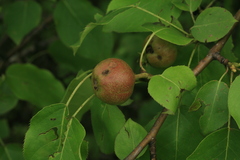
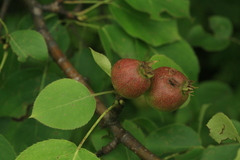
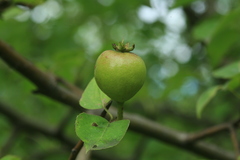
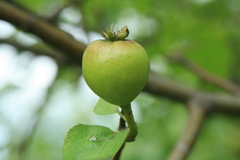
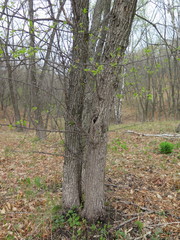
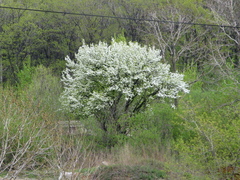
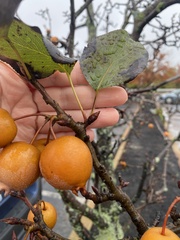
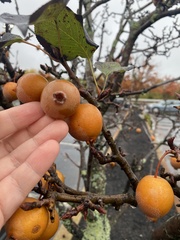
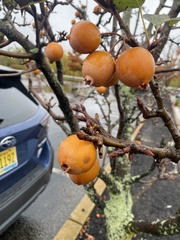
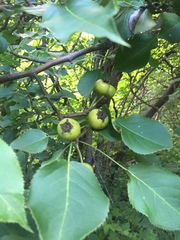
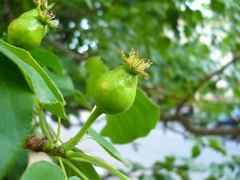
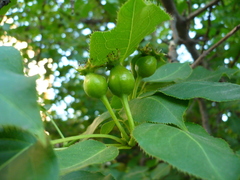
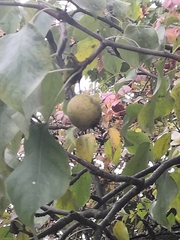
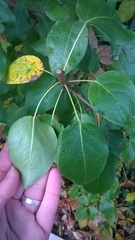
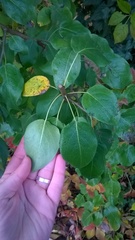
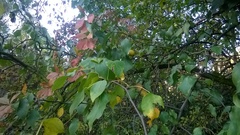
Pyrus ussuriensis, also known as the Ussurian pear, Harbin pear, and Manchurian pear, is a species of flowering plant in the family Rosaceae.
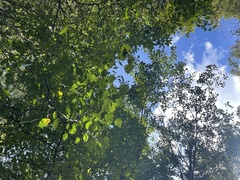
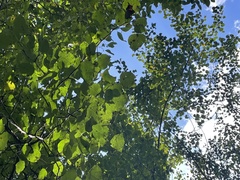
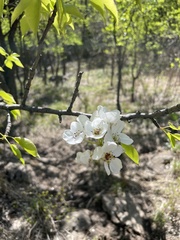
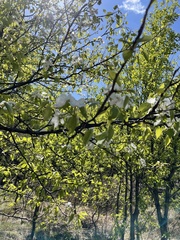
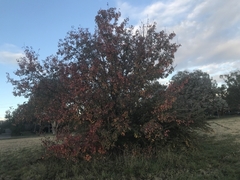
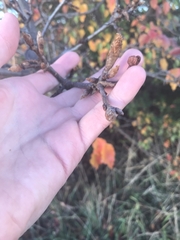
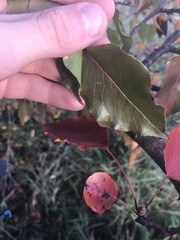
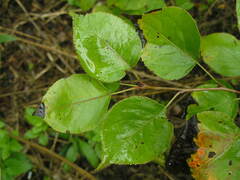
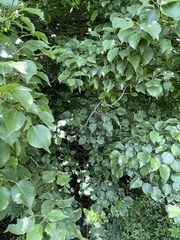
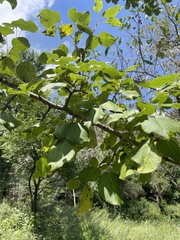
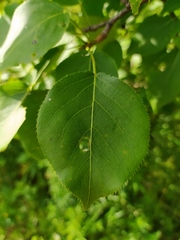
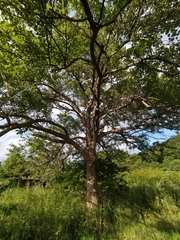
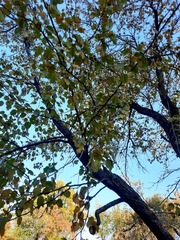
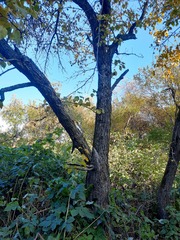
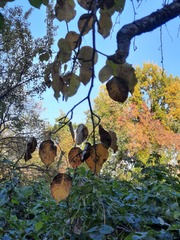
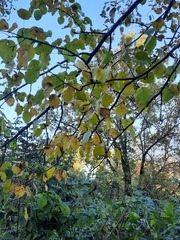
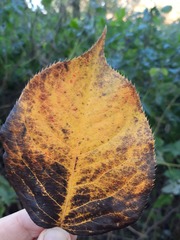
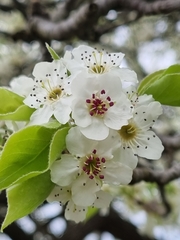
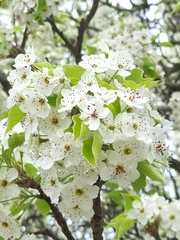
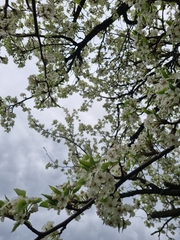
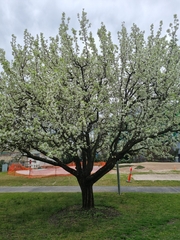
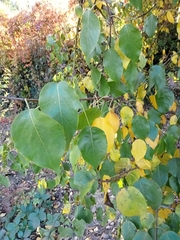
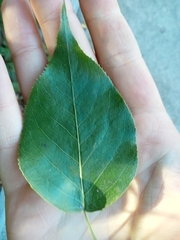
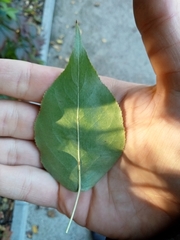
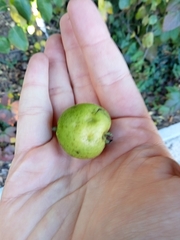
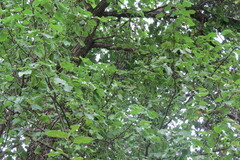
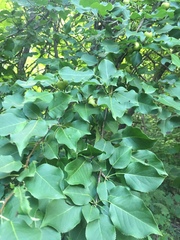
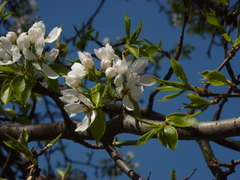
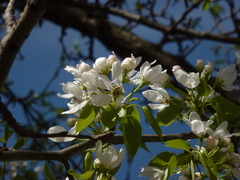
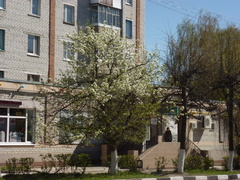
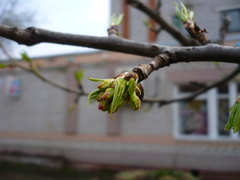
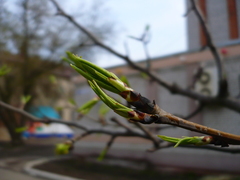
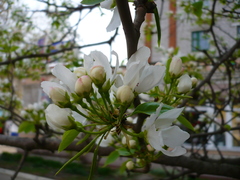
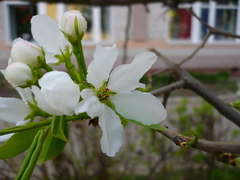
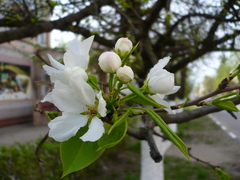
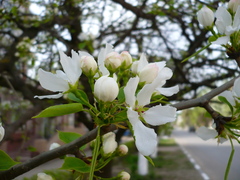
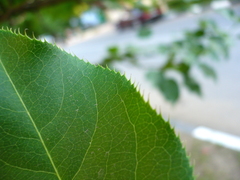
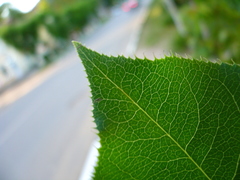
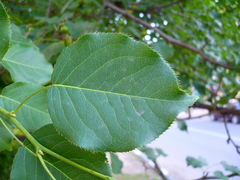
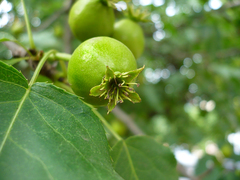
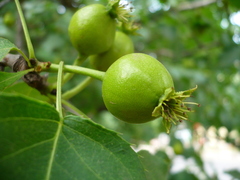
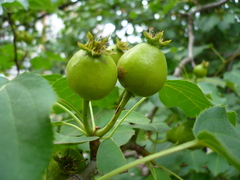
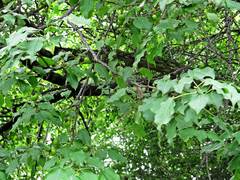
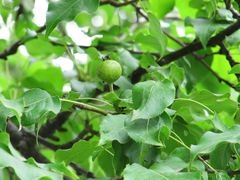
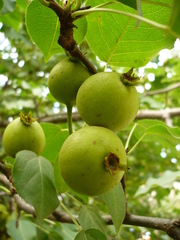
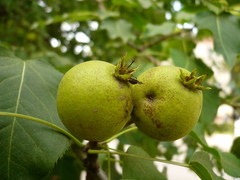
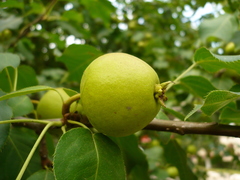
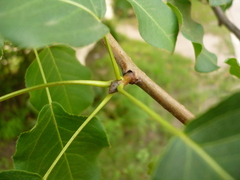
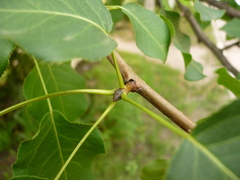
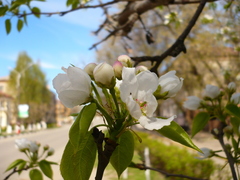
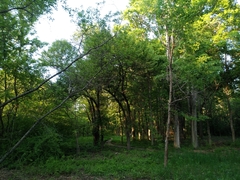
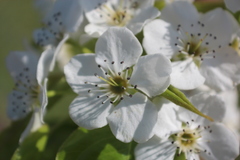
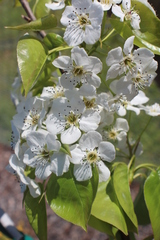
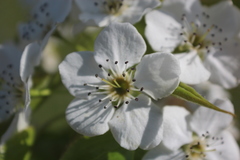
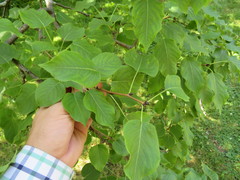
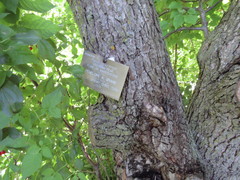
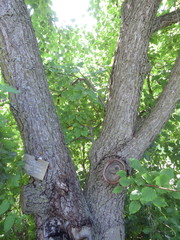
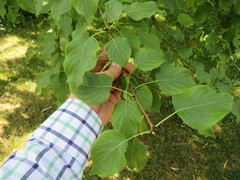
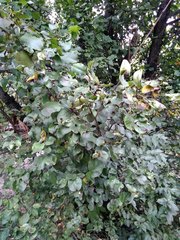
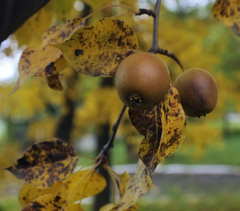
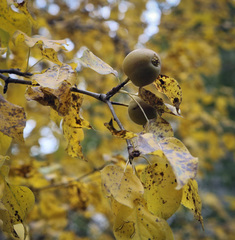
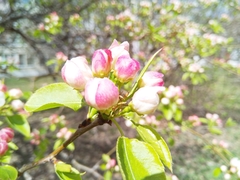
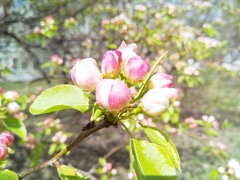
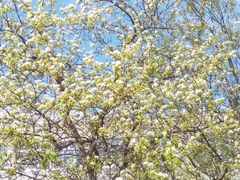
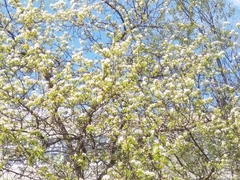
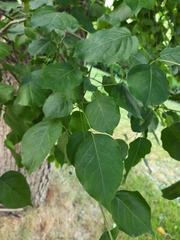
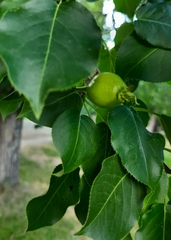
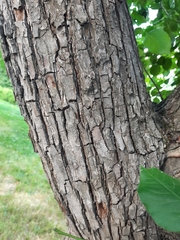
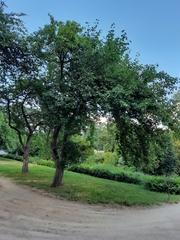
It is native to Korea, Japan, China, and the Ussuri River area of far eastern Russia. It has flowers in spring that are slightly pink when budding and then turn white. Buds are dark brown and have an alternating arrangement. The tree grows to a height of about 15 meters (49 ft) and prefers well-drained loam-type soils. It is considered the hardiest of all pears. When planted in milder climates, the trees have been known to be killed by freezes after they begin budding. Many species of birds and mammals feed upon the fruit of this species. Deer, mice, and rabbits are known to damage the trees. Leaves are dark green in spring and summer and turn dark red and gold in autumn. Products made from the fruits may prove more effective than commercial insecticides in killing ticks and mites. The fruits are not the tastiest of pears to humans, but the taste is better after a freeze and the juice tastes better. Crosses of this species with other pears produces tasty pears that grow in climates too cold for most pears.
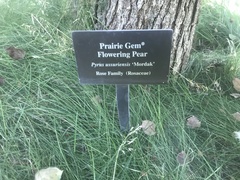
Cultivars include the 'Reli', 'Jinxiang', 'Hongbalixiang', 'Baibalixiang', 'Fuwuxiang', 'Qiuxiang', 'Fuanjianba', 'Longxiang', 'Guanhongxiao', 'Shanli24', 'Wuxiangli', 'Shatangli', 'Manyuanxiang', 'McDermand', and the Prairie Gem® Flowering Pear (cultivar ‘MorDak’). There are at least 108 compounds in the fruits that affect plant breeding and these show that P. ussuriensis cultivars fall into 4 groups.
...Pyrus ussuriensis in languages:
- Czech
- hrušeň ussurijská
- English
- Ussurian pear
- German
- Ussurische Birne
- Japanese
- ミチノクナシ
- Korean
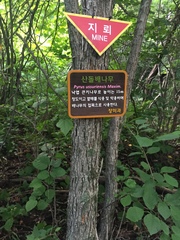
- 산돌배나무
- Russian
- Груша уссурийская
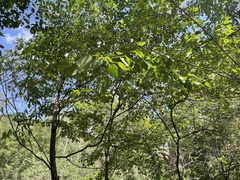
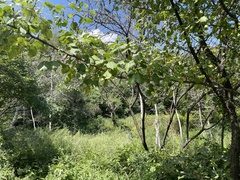
Images from inaturalist.org observations:
We recommend you sign up for this excellent, free service.
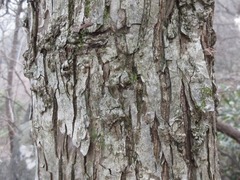
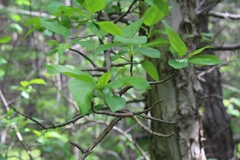
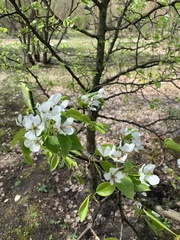
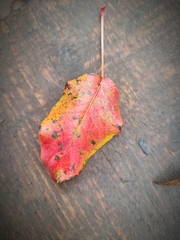

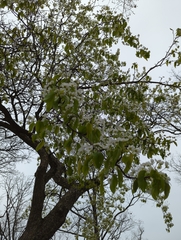
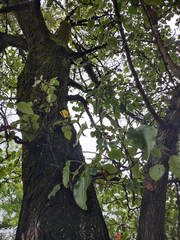
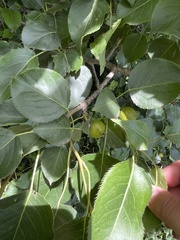
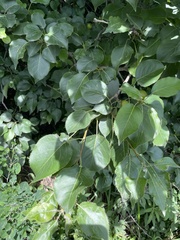
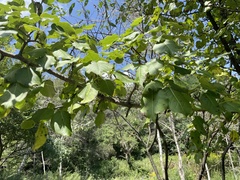
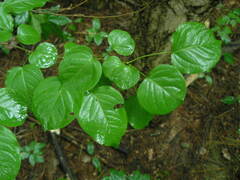
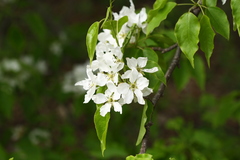
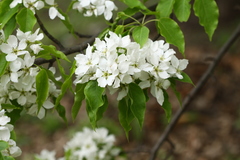
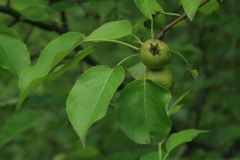
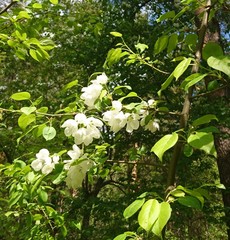
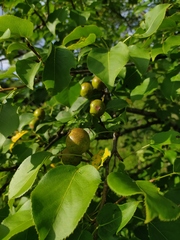
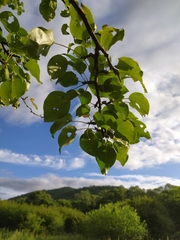
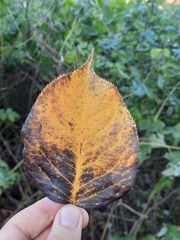
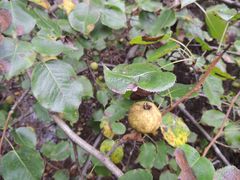
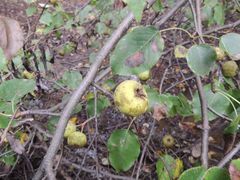
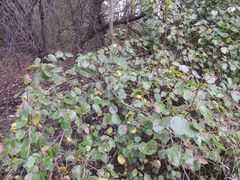
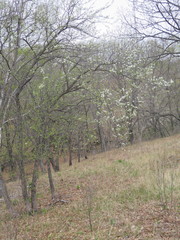
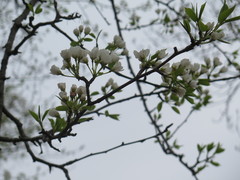
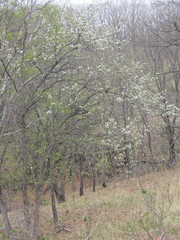
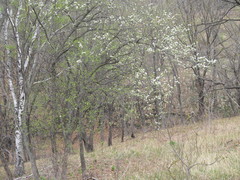

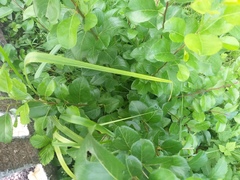
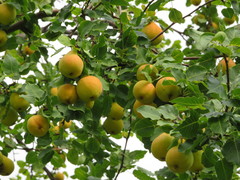
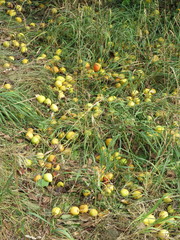
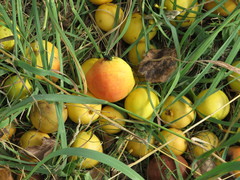

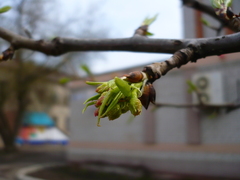
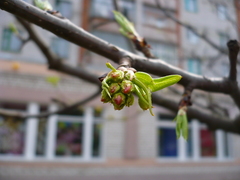
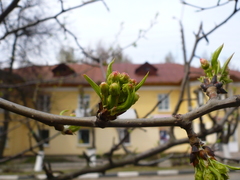
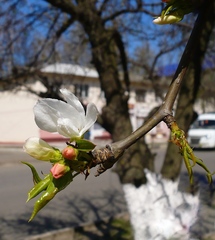

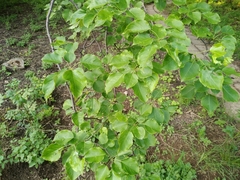
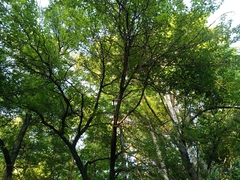
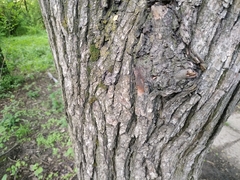
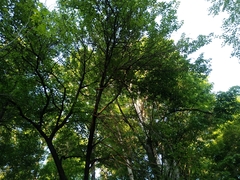
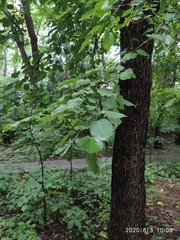
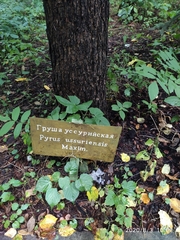
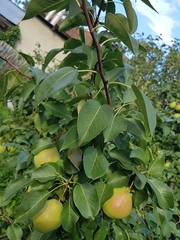
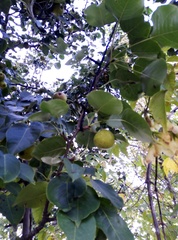
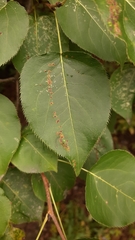
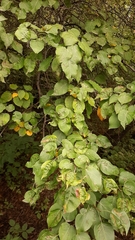
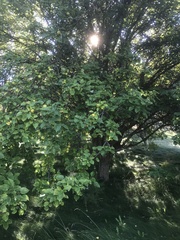
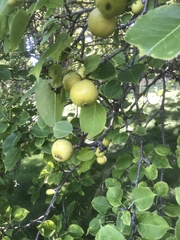
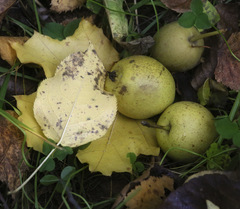
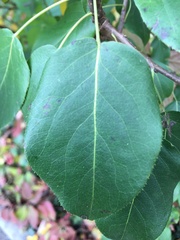
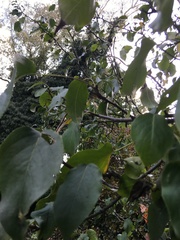
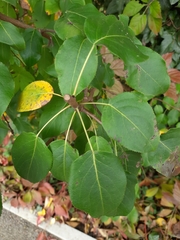
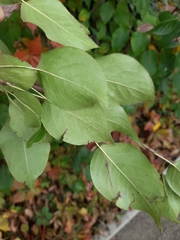
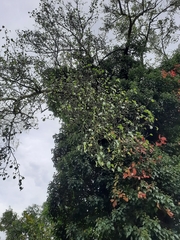
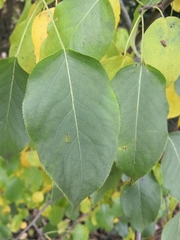
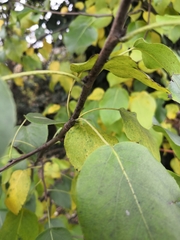
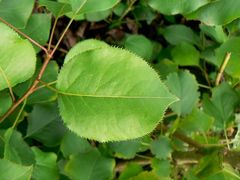
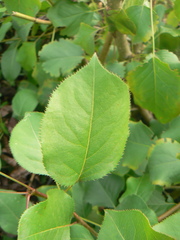
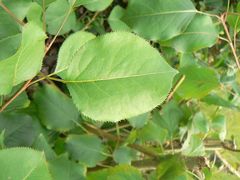
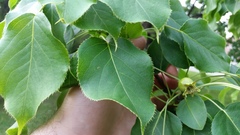
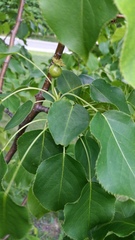
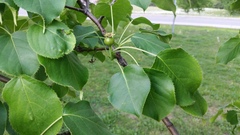
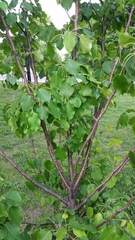
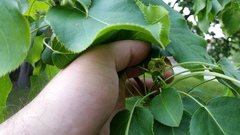
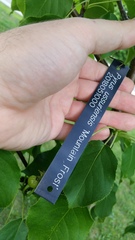
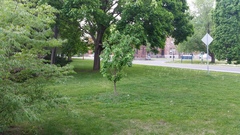
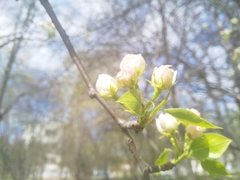
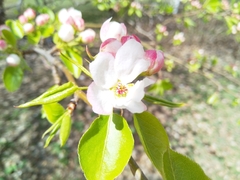
Parent Taxon
Sibling Taxa
- Pyrus austriaca
- Pyrus balansae
- Pyrus betulifolia
- Pyrus boissieriana
- Pyrus bourgaeana
- Pyrus bretschneideri
- Pyrus browiczii
- Pyrus bulgarica
- Pyrus cajon
- Pyrus calleryana
- Pyrus castribonensis
- Pyrus chosrovica
- Pyrus communis
- Pyrus cordata
- Pyrus daralagezi
- Pyrus elaeagrifolia
- Pyrus georgica
- Pyrus glabra
- Pyrus grossheimii
- Pyrus hajastana
- Pyrus hakkiarica
- Pyrus hopeiensis
- Pyrus kawakamii
- Pyrus korshinskyi
- Pyrus lindleyi
- Pyrus nivalis
- Pyrus oxyprion
- Pyrus pashia
- Pyrus phaeocarpa
- Pyrus prunifolia
- Pyrus pseudopashia
- Pyrus pulcherrima
- Pyrus pyrifolia
- Pyrus regelii
- Pyrus sachokiana
- Pyrus salicifolia
- Pyrus sicanorum
- Pyrus sinkiangensis
- Pyrus sosnovskyi
- Pyrus spinosa
- Pyrus syriaca
- Pyrus tadshikistanica
- Pyrus tamamschiannae
- Pyrus theodorovii
- Pyrus turcomanica
- Pyrus ussuriensis
- Pyrus vallis-demonis
- Pyrus xerophila