Randia moorei: taxon details and analytics
- Domain
- Kingdom
- Plantae
- Phylum
- Tracheophyta
- Class
- Magnoliopsida
- Order
- Gentianales
- Family
- Rubiaceae
- Genus
- Randia
- Species
- Randia moorei
- Scientific Name
- Randia moorei
Summary description from Wikipedia:
Randia moorei
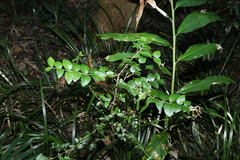
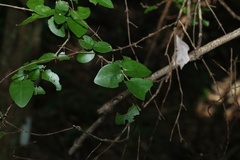
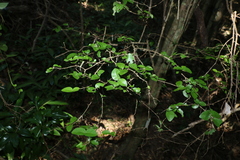
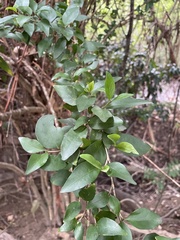
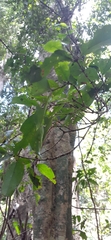
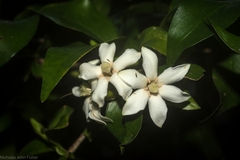
Randia moorei, commonly known as the spiny gardenia, is a rare Australian shrub growing in the far north eastern areas of the state of New South Wales and adjacent areas in Queensland. The habitat is subtropical rainforest north of Lismore.
Randia moorei was described by George Bentham in his Flora Australiensis in 1867. It is one of many plants named in honour of Charles Moore. Unlike several other Australian species, it was not transferred to the genus Atractocarpus, and remains in the genus Randia, historically a wastebasket taxon for the time being. New South Wales botanist Gwen Harden classified it in the genus Xeromphis.
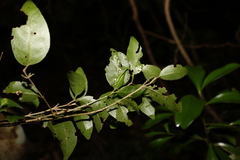
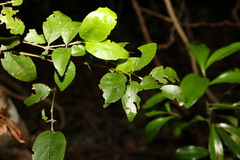
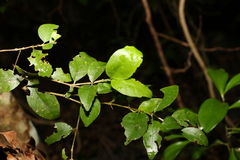
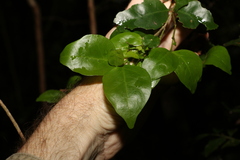
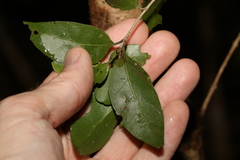
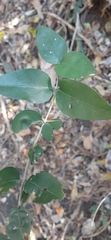
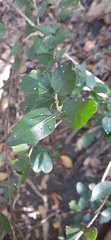
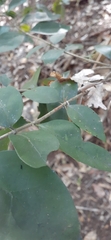
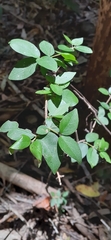
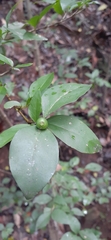
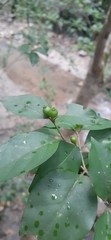
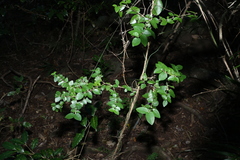
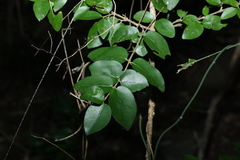
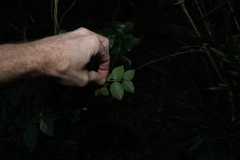
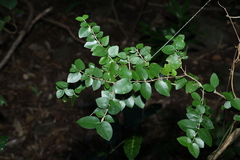
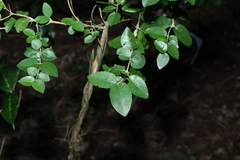
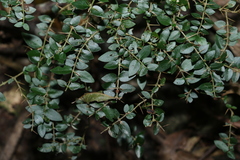
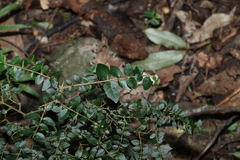
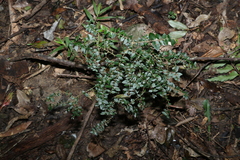
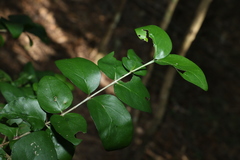
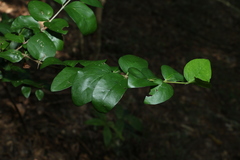
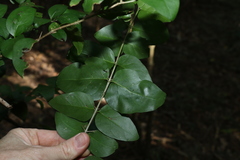
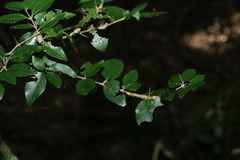
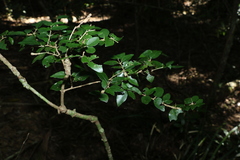
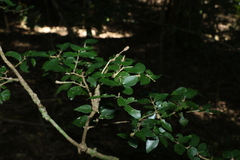
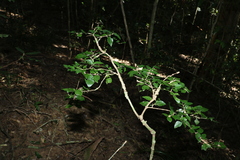
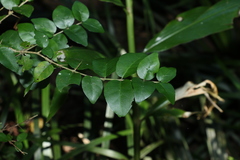
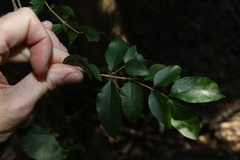
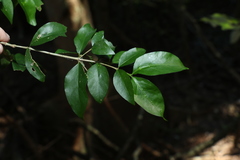
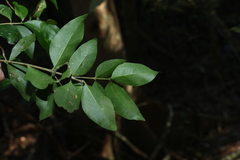
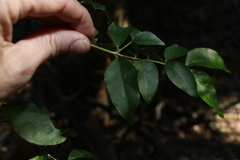
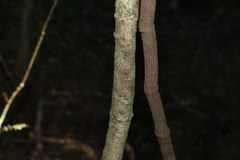
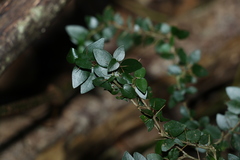
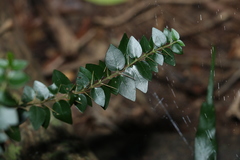
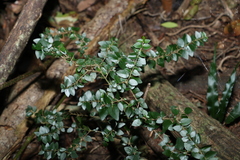
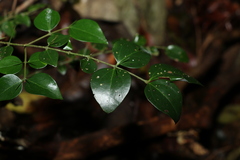
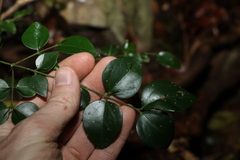
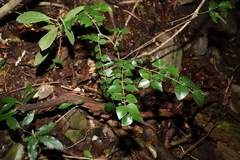
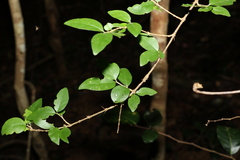
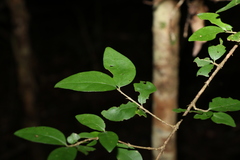
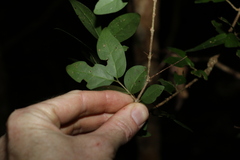
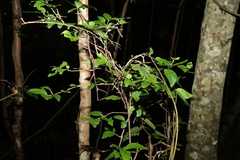
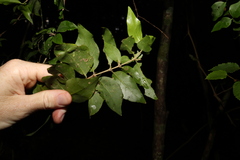
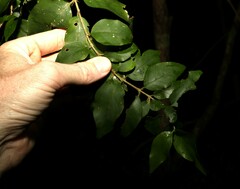
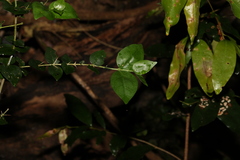
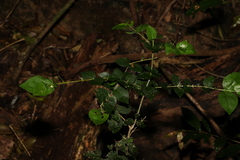
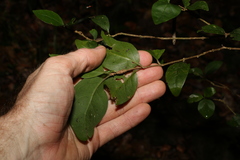
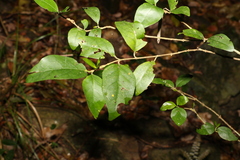
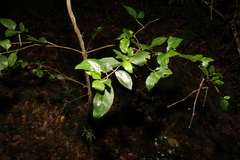
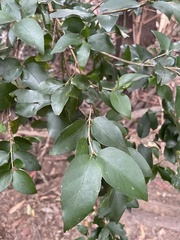
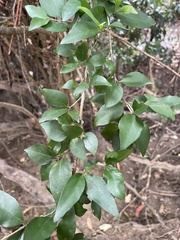
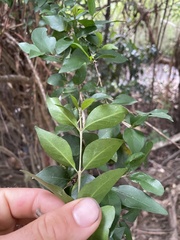
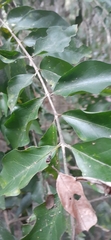
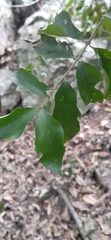
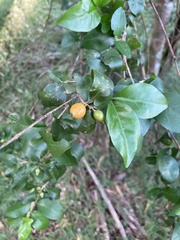
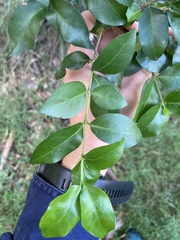
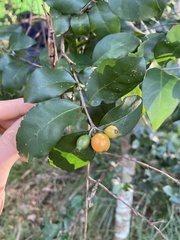
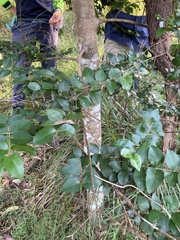
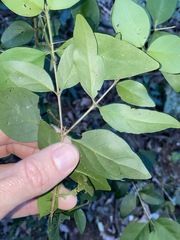
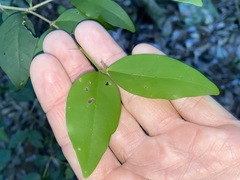
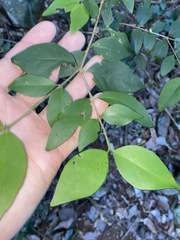
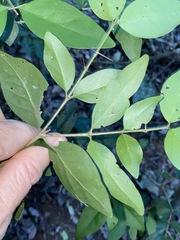
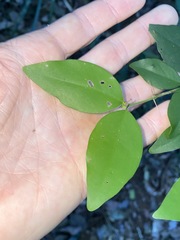
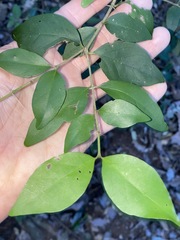
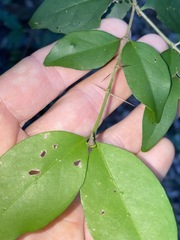
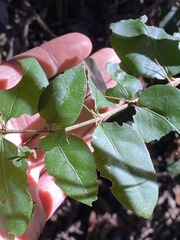
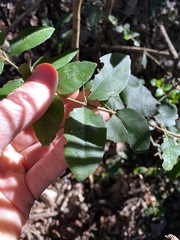
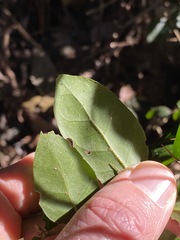
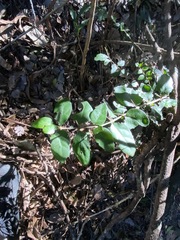
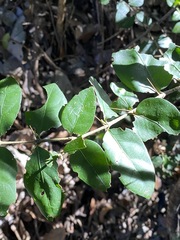
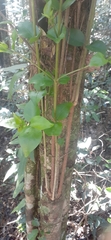
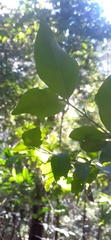
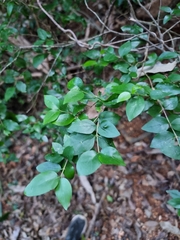
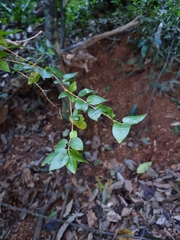
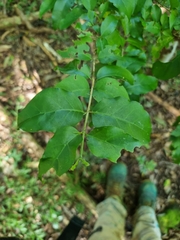
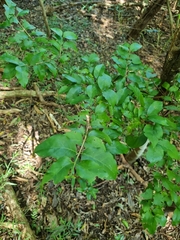
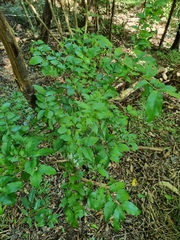
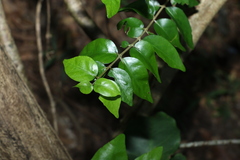
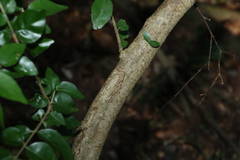
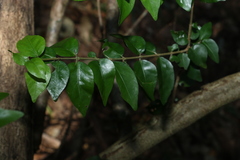
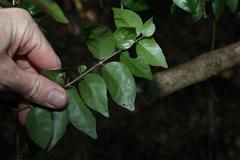
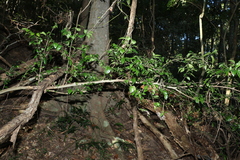
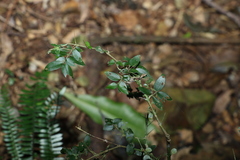
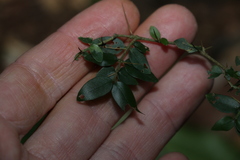
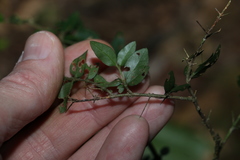
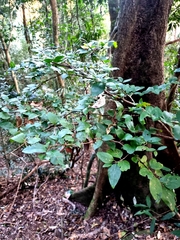
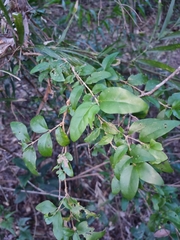
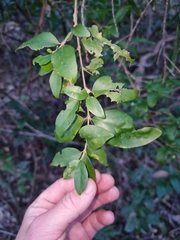
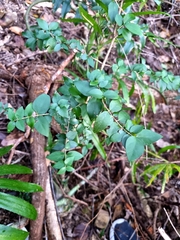
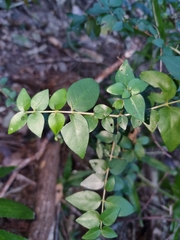
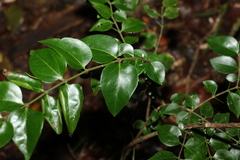
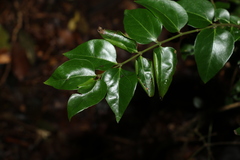
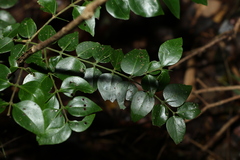
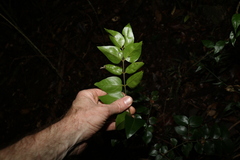
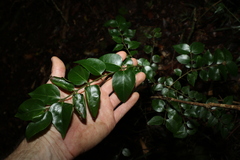
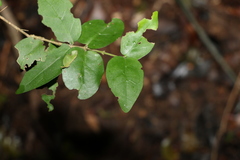
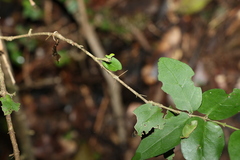
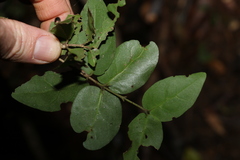
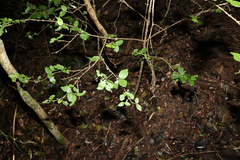
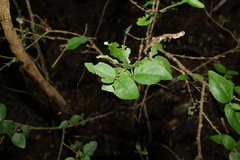
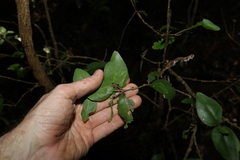
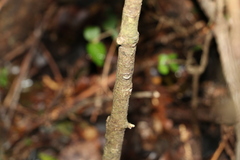
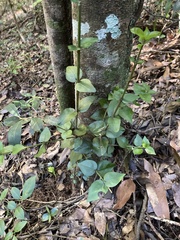
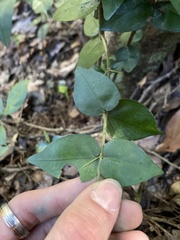
Growing as a shrub or small tree, Randia moorei reaches 8 m (25 ft) in height. Its roots can sucker if disturbed. There are often spines on the stems. Broadly oval, the leaves measure 2–6 cm (0.8–2.4 in) in length by 1–3 cm (0.4–1.4 in) wide, with a narrow tip. present. The fragrant flowers occur in groups of three at the ends or on the side of branchlets, and are followed by a round golden berry, measuring 0.6–0.9 cm long.
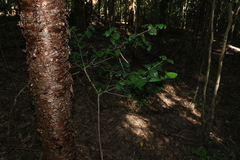
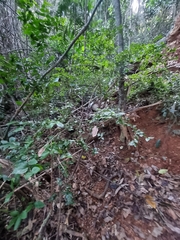
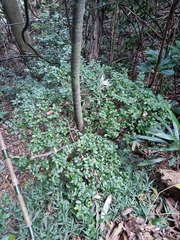
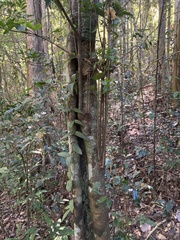
Randia moorei is found on basalt soils from Lismore in northern New South Wales north into the Gold Coast Hinterland. It is found in subtropical dry rainforest as an understory plant under hoop pine (Araucaria cunninghamii) and brush box (Lophostemon confertus), often along watercourses. Much of its habitat has been cleared for urban and agricultural development, such as banana plantations, as well as clearing for upgrading of the Pacific Highway.
To complicate matters, the spiny gardenia resembles the Cockspur Vine (Maclura cochinchinensis) and invasive small-leaved privet (Ligustrum sinense), so inadvertent removal is possible.
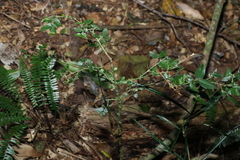
...Images from inaturalist.org observations:
We recommend you sign up for this excellent, free service.
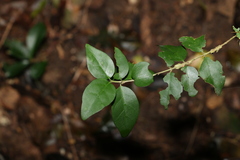
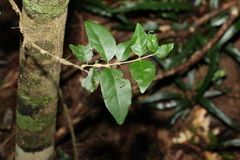
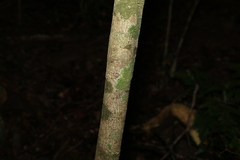
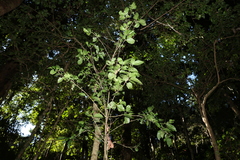
Parent Taxon
Sibling Taxa
- Randia aciculiflora
- Randia aculeata
- Randia altiscandens
- Randia alvarocamposii
- Randia armata
- Randia audasii
- Randia boliviana
- Randia brachysiphon
- Randia brenesii
- Randia brevituba
- Randia calycina
- Randia canescens
- Randia capitata
- Randia carlosiana
- Randia chiapensis
- Randia cinerea
- Randia colimensis
- Randia confusa
- Randia cookii
- Randia coronata
- Randia crucis
- Randia denticulata
- Randia dioica
- Randia dionisi
- Randia echinocarpa
- Randia erythrocarpa
- Randia ferox
- Randia genipifolia
- Randia genipoides
- Randia gentryi
- Randia grandifolia
- Randia guerrerensis
- Randia hebecarpa
- Randia heteromera
- Randia hidalgensis
- Randia hondensis
- Randia hypoleuca
- Randia induta
- Randia laetevirens
- Randia laevigata
- Randia laevigatoides
- Randia lanuginosa
- Randia longiloba
- Randia lonicerioides
- Randia lorenceana
- Randia malacocarpa
- Randia manglaris
- Randia matudae
- Randia mayana
- Randia mendozae
- Randia micracantha
- Randia mira
- Randia mixe
- Randia mollifolia
- Randia monantha
- Randia moorei
- Randia nelsonii
- Randia nicaraguensis
- Randia nitida
- Randia nodifolia
- Randia oaxacana
- Randia obcordata
- Randia obovata
- Randia ovalifolia
- Randia pascualii
- Randia petenensis
- Randia pittieri
- Randia portoricensis
- Randia pringlei
- Randia pterocarpa
- Randia pubistyla
- Randia pueblensis
- Randia retroflexa
- Randia sepium
- Randia serboi
- Randia simillima
- Randia sonorensis
- Randia spinifex
- Randia tetracantha
- Randia tetrandra
- Randia thurberi
- Randia tomatillo
- Randia truncata
- Randia tuberculosa
- Randia tubericollis
- Randia vazquezii
- Randia venezuelensis
- Randia veracruzana
- Randia xalapensis