Rugosa: taxon details and analytics
- Domain
- Kingdom
- Animalia
- Phylum
- Cnidaria
- Class
- Anthozoa
- Order
- Family
- Genus
- Species
- Scientific Name
- Rugosa
Summary description from Wikipedia:
Rugosa
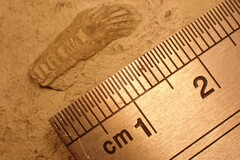
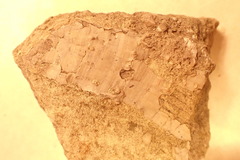
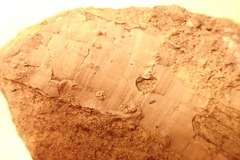
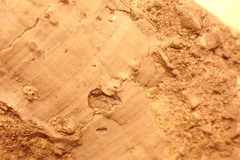
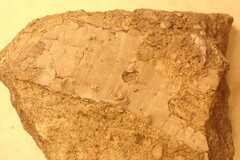
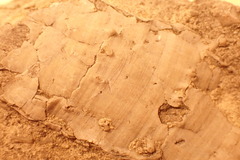
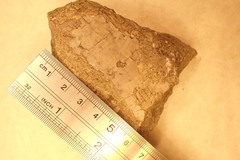
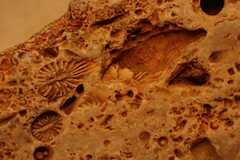
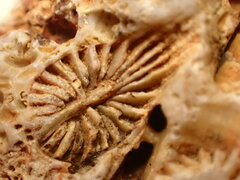
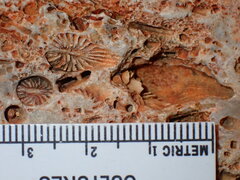
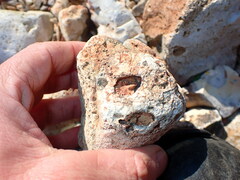
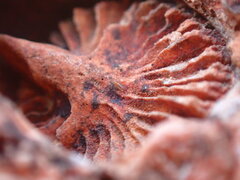
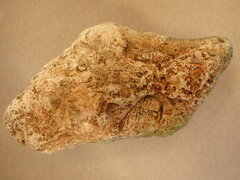
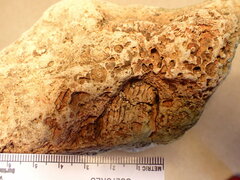
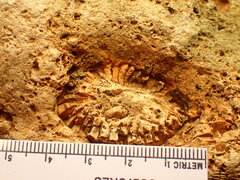
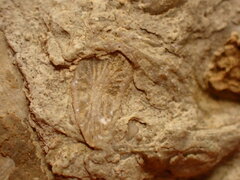
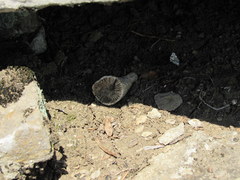
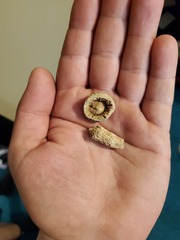
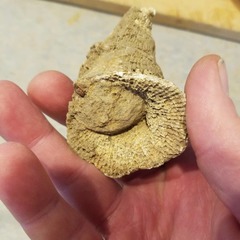
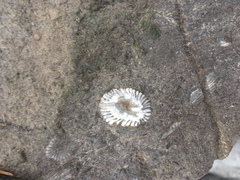
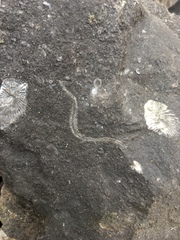
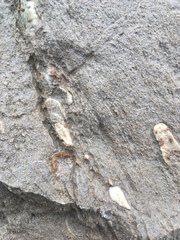
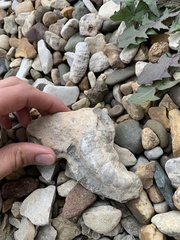
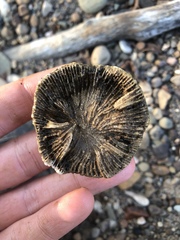
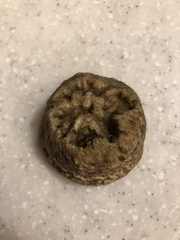
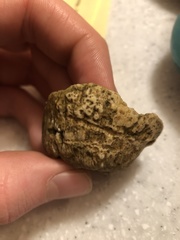
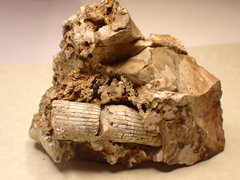
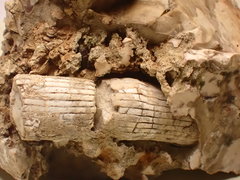
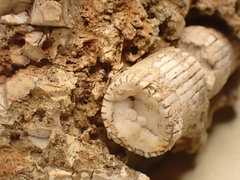
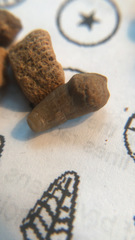
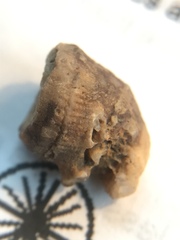
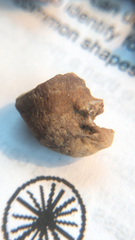
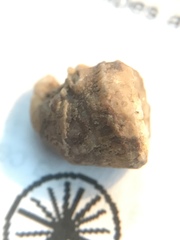
The Rugosa (rugose corals) are an extinct class of solitary or colonial corals that were abundant in Middle Ordovician to Late Permian seas.
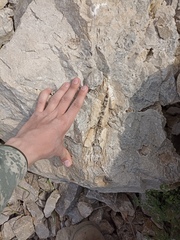
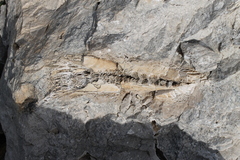
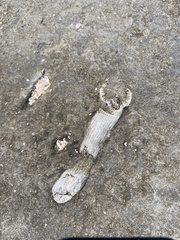
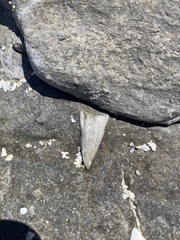
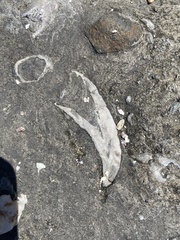
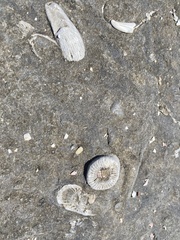
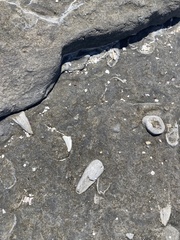
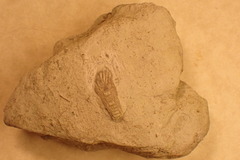
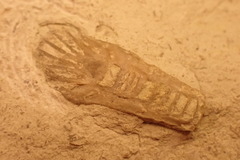
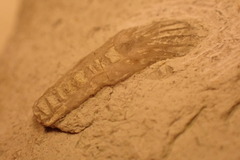
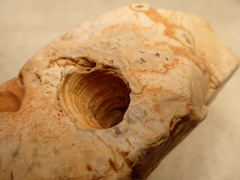
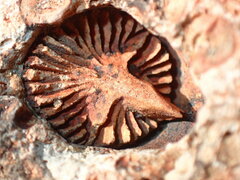
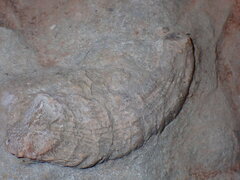
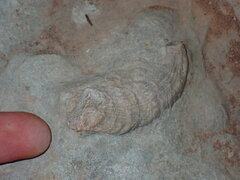
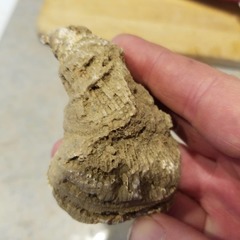
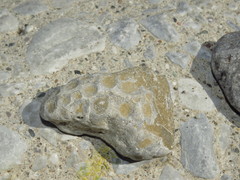
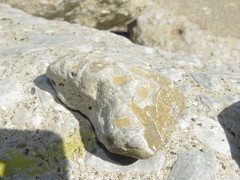
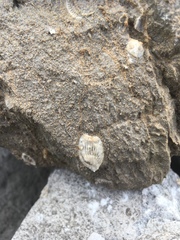
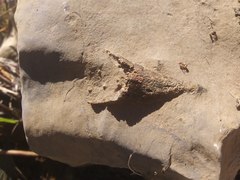
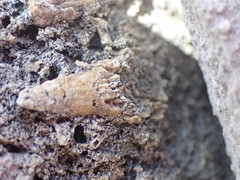
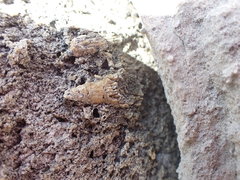
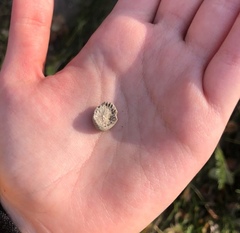
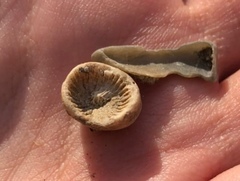
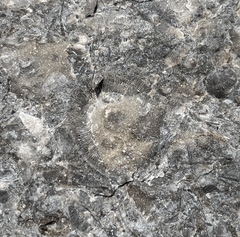
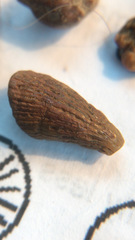
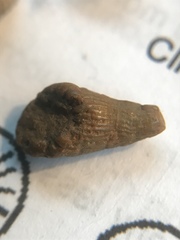
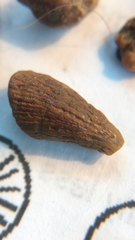
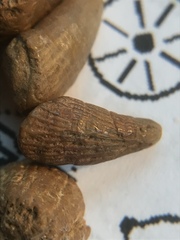
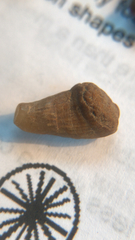
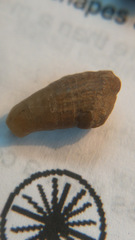
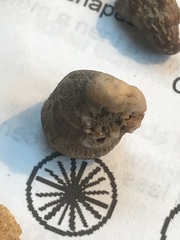
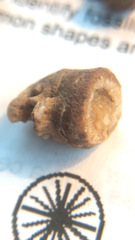
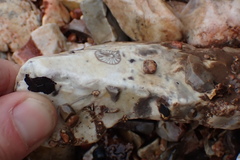
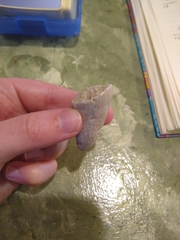
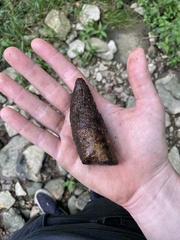
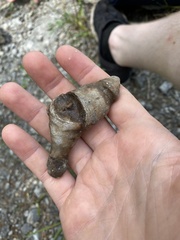
Solitary rugosans (e.g., Caninia, Lophophyllidium, Neozaphrentis, Streptelasma) are often referred to as horn corals because of their unique horn-shaped skeleton with a wrinkled, or rugose, wall. Some solitary rugosans reached nearly a meter (3 ft 3 in) in length. However, some species of rugose corals could form large colonies (e.g., Lithostrotion).
Rugose corals are known from their fossilized skeleton, made of calcite. Like modern corals (Scleractinia), rugose corals were invariably benthic, living on the sea floor or in a reef-framework. Some symbiotic rugose corals were endobionts of Stromatoporoidea (a type of extinct reef-building sponge), especially in the Silurian period. As with other cnidarians, it is presumed that these Palaeozoic corals possessed tentacles with stinging cells to capture prey. Technically they were carnivores, but prey-size was so small they are often referred to as microcarnivores.
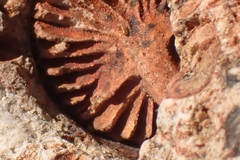
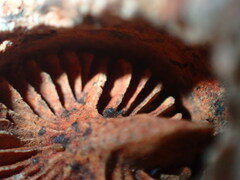
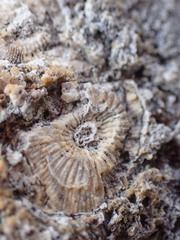
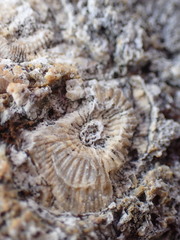
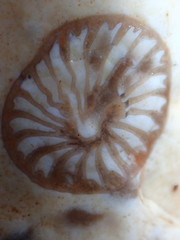
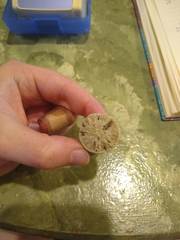
When radiating septa were present, they were usually in multiples of four, so rugose corals were historically known as Tetracorallia in contrast to modern Hexacorallia, where the colonial polyps generally have sixfold symmetry.
...Rugosa in languages:
- Czech
- koráli drsnatí
- English
- Horn Corals
- Russian
- Кораллы четырёхлучевые
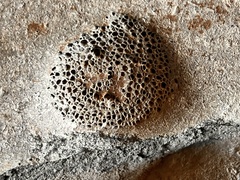
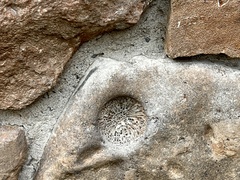
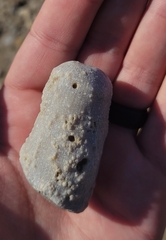
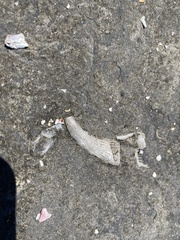
Images from inaturalist.org observations:
We recommend you sign up for this excellent, free service.