Sceliphron: taxon details and analytics
- Domain
- Kingdom
- Animalia
- Phylum
- Arthropoda
- Class
- Insecta
- Order
- Hymenoptera
- Family
- Sphecidae
- Genus
- Sceliphron
- Species
- Scientific Name
- Sceliphron
Summary description from Wikipedia:
Sceliphron
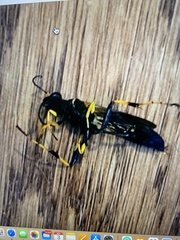
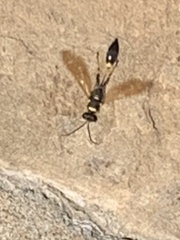
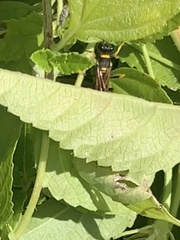
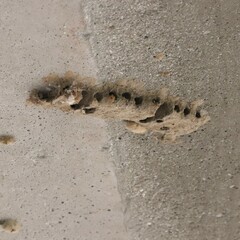
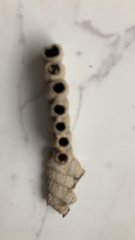
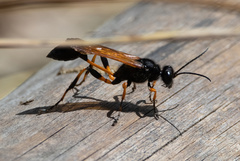
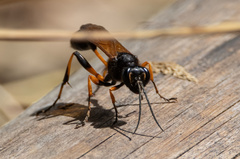
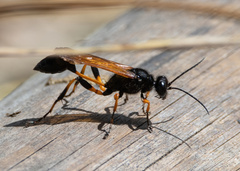
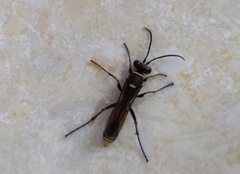
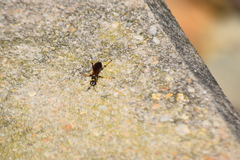
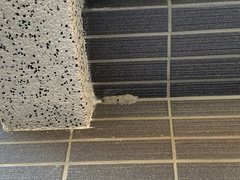
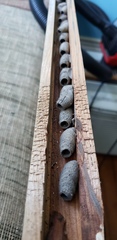
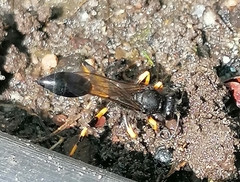
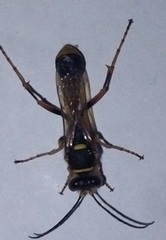
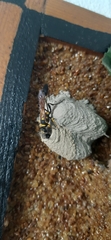
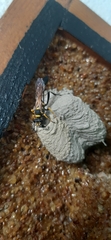
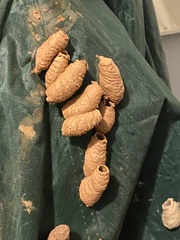
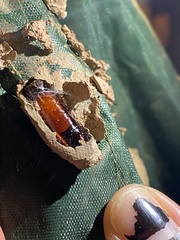
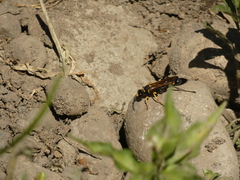
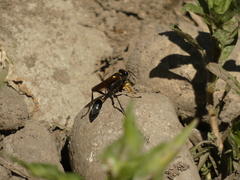
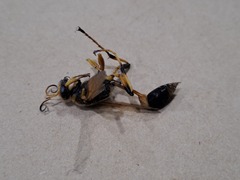
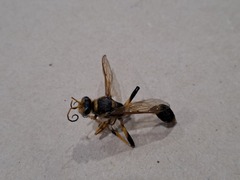
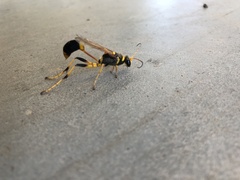
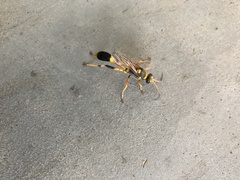
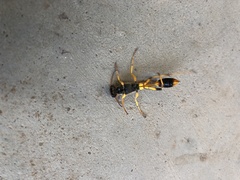
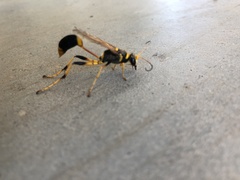
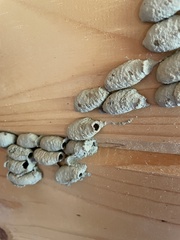
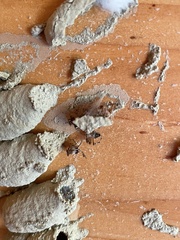
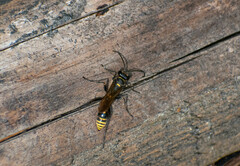
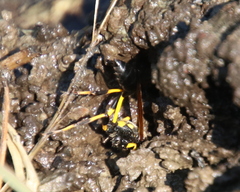
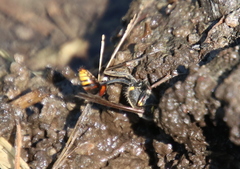
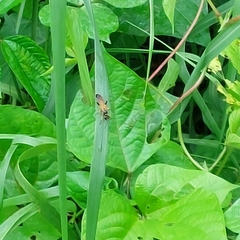
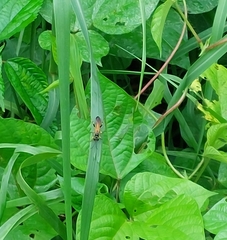
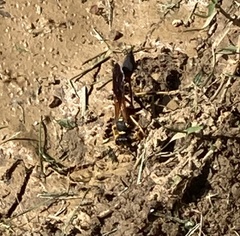
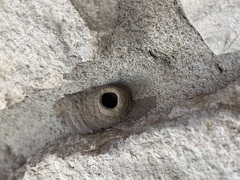
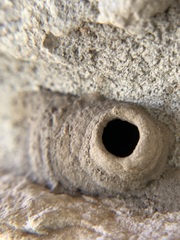
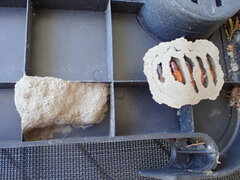
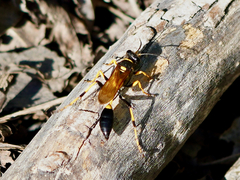
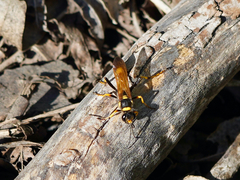
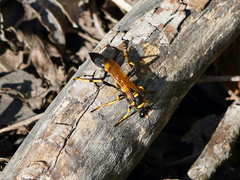
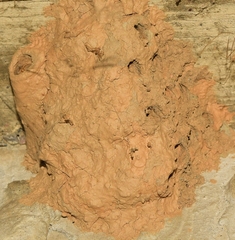
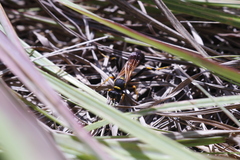
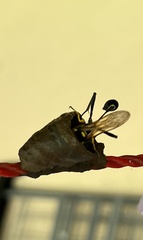
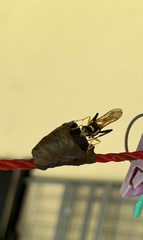
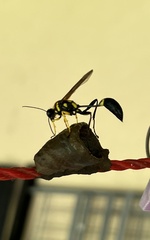
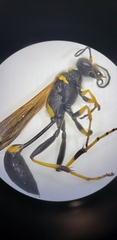
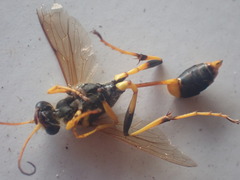
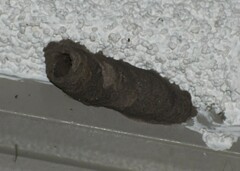
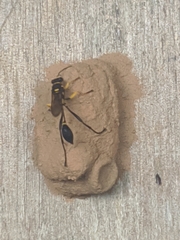
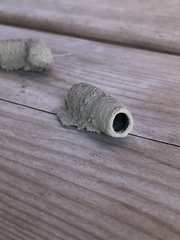
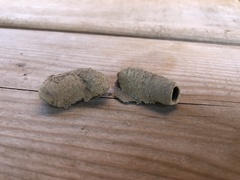
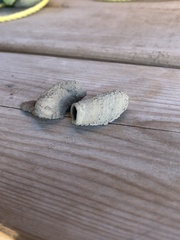
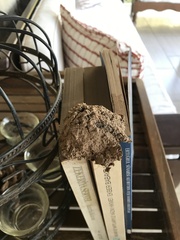
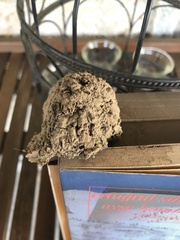
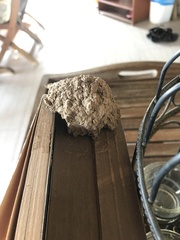
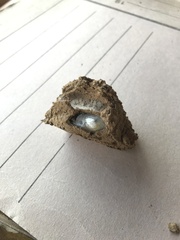
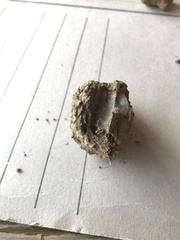
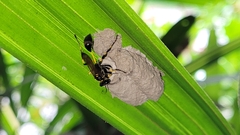
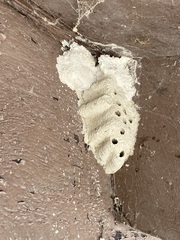
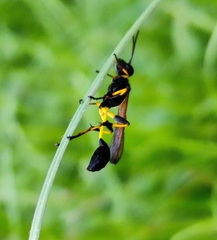
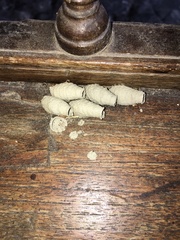
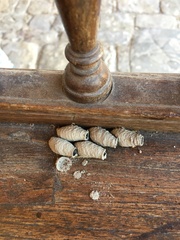
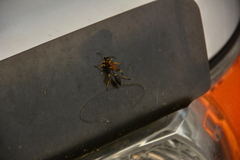
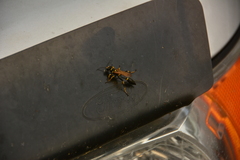
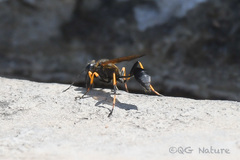
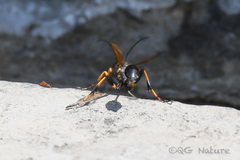
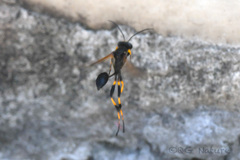
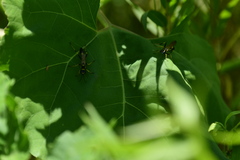
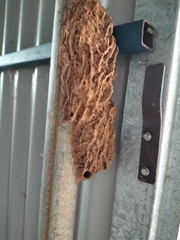
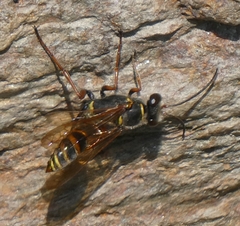
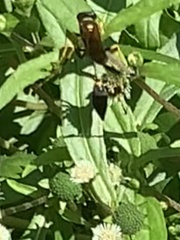
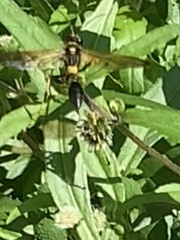
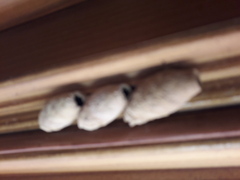
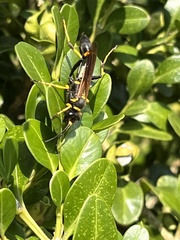
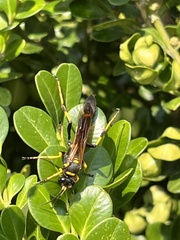
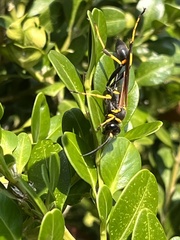
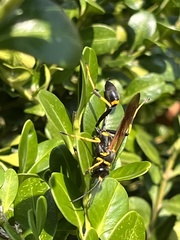
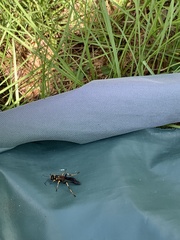
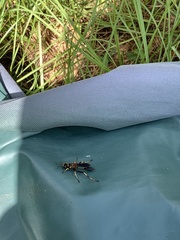
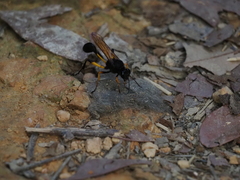
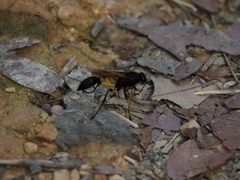
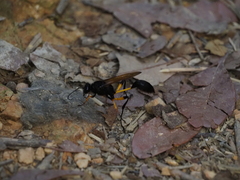
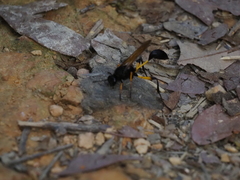
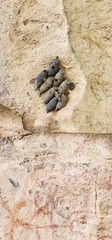
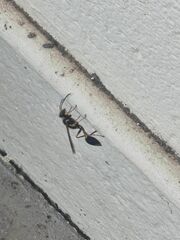
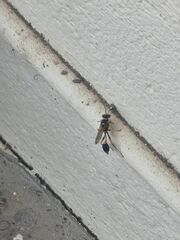
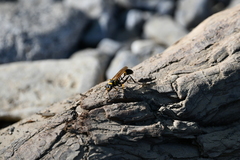
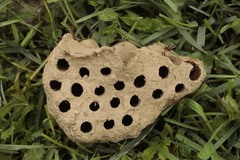
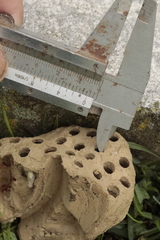
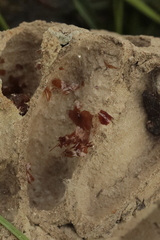
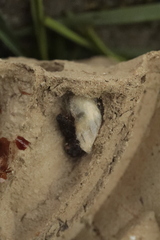
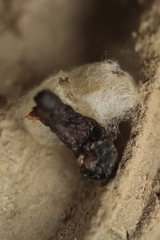
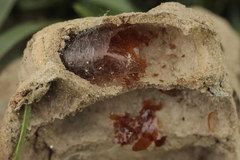
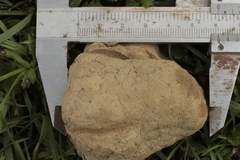
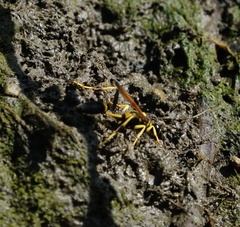
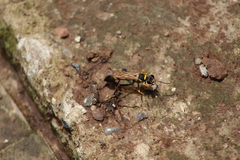
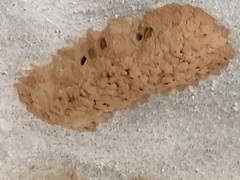
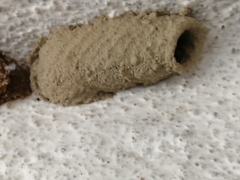
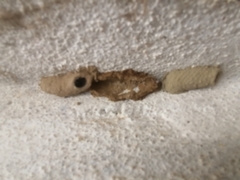
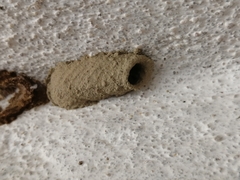
Sceliphron, also known as black-and-yellow mud dauber wasps or black mud-dauber wasps, is a genus of Hymenoptera of the Sphecidae family of wasps. They are solitary mud daubers and build nests made of mud. Nests are frequently constructed in shaded niches, often just inside of windows or vent openings, and it may take a female only a day to construct a cell requiring dozens of trips carrying mud. Females will add new cells one by one to the nest after each cell is provisioned. They provision these nests with spiders, such as crab spiders, orb-weaver spiders and jumping spiders in particular, as food for the developing larvae. Each mud cell contains one egg and is provided with several prey items. Females of some species lay a modest average of 15 eggs over their whole lifespan. Various parasites attack these nests, including several species of cuckoo wasps, primarily by sneaking into the nest while the resident mud dauber is out foraging.
As is the case with many insect genera, there are many tropical species. Some common temperate species include S. caementarium and S. curvatum.
Like other solitary wasps, Sceliphron species are not aggressive unless threatened. They are sometimes regarded as beneficial due to their control of spider populations, though the spiders themselves may be beneficial in controlling pest insects. Species such as Sceliphron curvatum are invasive in some parts of Europe, where they have been observed to rapidly increase their range in recent years.
...Sceliphron in languages:
- Afrikaans
- Swart-en-geel-pottebakkers
- Chinese
- 壁泥蜂屬
- English
- Black Mud-dauber Wasps
- English
- Slender Mud-dauber Wasps
- English
- Black-and-yellow Muddauber Wasps
- French
- Guêpes maçonnes
- Korean
- 노랑점나나니속
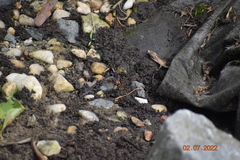
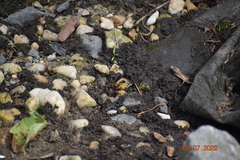
Images from inaturalist.org observations:
We recommend you sign up for this excellent, free service.
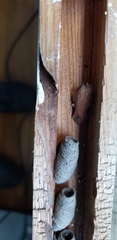
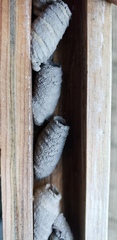
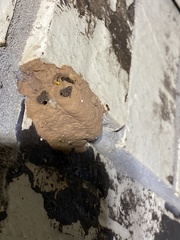
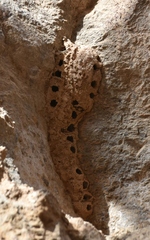
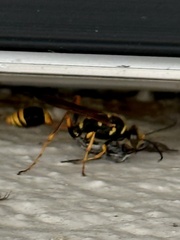
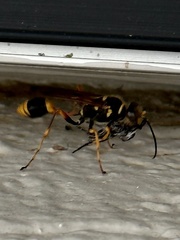
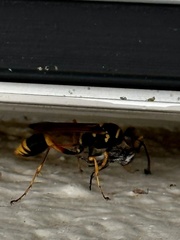
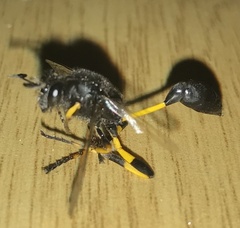
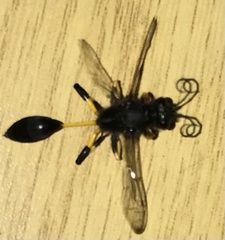
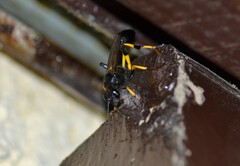
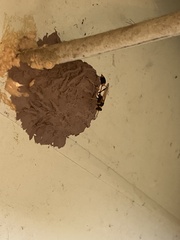
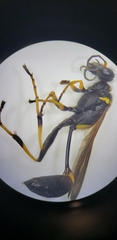
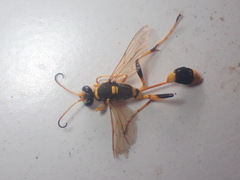
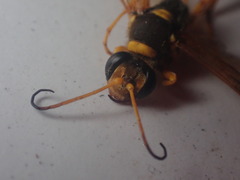
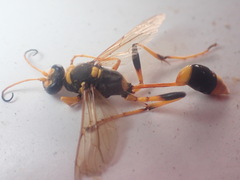

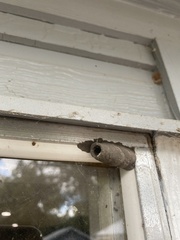
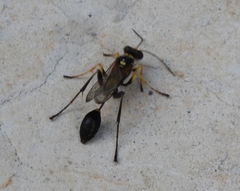
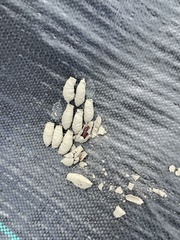
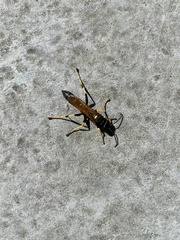
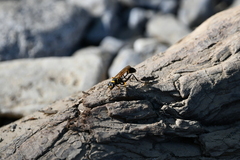
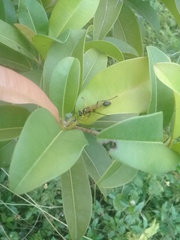
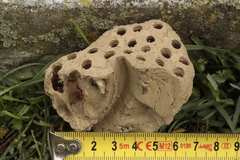
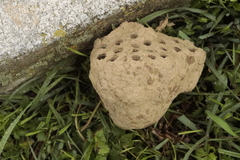
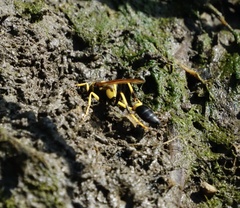
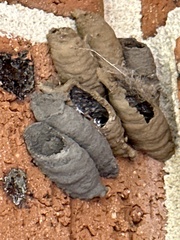
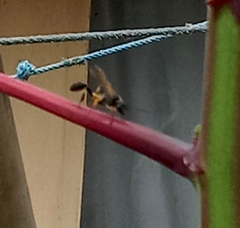


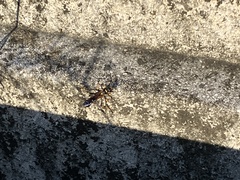
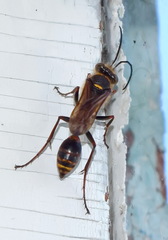
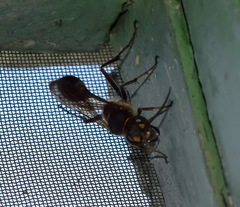
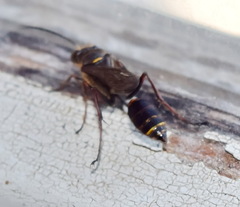
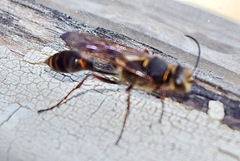
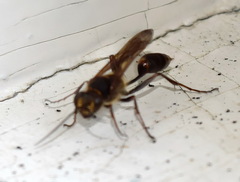
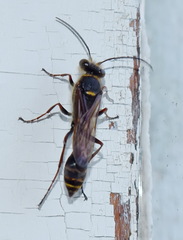
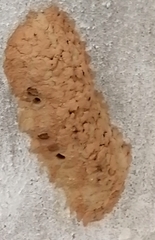
Parent Taxon
Sibling Taxa
Child Taxa
- Sceliphron arabs
- Sceliphron argentifrons
- Sceliphron asiaticum
- Sceliphron assimile
- Sceliphron aterrimus
- Sceliphron caementarium
- Sceliphron coromandelicum
- Sceliphron curvatum
- Sceliphron deforme
- Sceliphron destillatorium
- Sceliphron fasciatum
- Sceliphron fervens
- Sceliphron fistularium
- Sceliphron formosum
- Sceliphron fossuliferum
- Sceliphron funestum
- Sceliphron fuscum
- Sceliphron intrudens
- Sceliphron isaaci
- Sceliphron jamaicense
- Sceliphron javanum
- Sceliphron laetum
- Sceliphron leptogaster
- Sceliphron madraspatanum
- Sceliphron murarium
- Sceliphron neobilineatum
- Sceliphron paraintrudens
- Sceliphron pietschmanni
- Sceliphron quartinae
- Sceliphron rectum
- Sceliphron rufopictum
- Sceliphron seistaniensis
- Sceliphron shestakovi
- Sceliphron spirifex
- Sceliphron unifasciatum
Top Observation Places
- Waltham
- Florence
- Chicago
- West Town
- Hong Kong
- Victoria
- Tucson
- Cairns
- Portland
- Hollywood
- Koreatown
- Oakland
- Berkeley
- Tlalpan
- Tláhuac
- Magdalena Contreras
- Bellevue
- Kirkland
- Shoreline
- Richardson
- Washington
- Alexandria
- Silver Spring
- Monterrey
- Guadalupe
- San Nicolás de los Garza
- Jardines de la Silla (Jardines)
- Austin
- Depok
- Melati
- Godean
- Sleman
- Sydney
- Brisbane