Sisyrinchium dichotomum: taxon details and analytics
- Domain
- Kingdom
- Plantae
- Phylum
- Tracheophyta
- Class
- Liliopsida
- Order
- Asparagales
- Family
- Iridaceae
- Genus
- Sisyrinchium
- Species
- Sisyrinchium dichotomum
- Scientific Name
- Sisyrinchium dichotomum
Summary description from Wikipedia:
Sisyrinchium dichotomum
Sisyrinchium dichotomum is a rare species of flowering plant in the iris family known by the common names wishbone blue-eyed grass, white irisette, and reflexed blue-eyed grass. It is native to North Carolina and South Carolina in the United States, where fewer than ten populations remain in four counties. It is threatened by the loss and degradation of its habitat and is a federally listed endangered species of the United States.
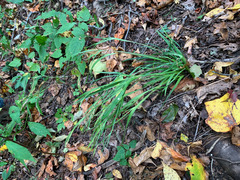
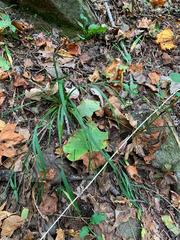
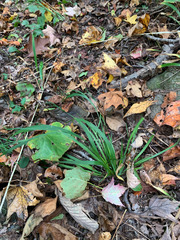
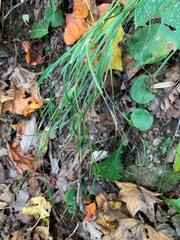
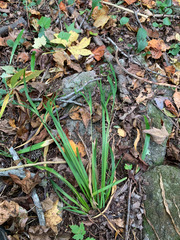
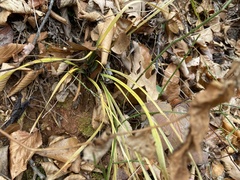
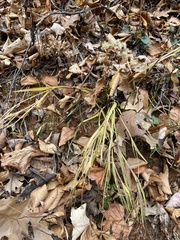
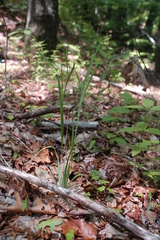
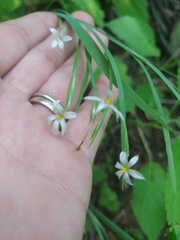
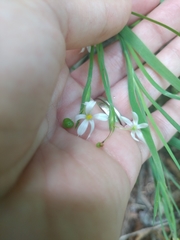
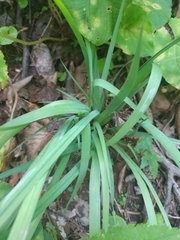
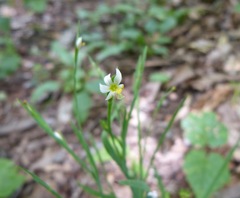
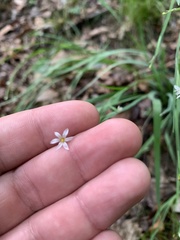
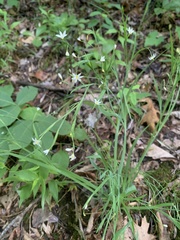
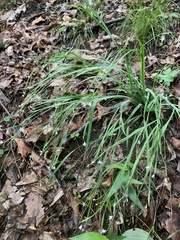
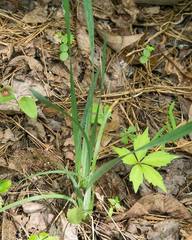
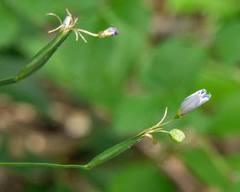
This plant is a perennial herb producing a clump of branching stems up to 40 centimeters tall with grasslike leaves. The solitary flower has six white tepals with yellow bases, each measuring up to 0.75 centimeters. The fruit is a spherical capsule roughly 0.2 to 0.3 centimeters long.
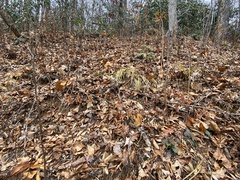
This species occurs in the Piedmont of North Carolina in Henderson, Polk, and Rutherford Counties, its distribution extending into Greenville County, South Carolina. There are about 30 occurrences making up 5 to 7 populations, the largest of which contains about 1000 individuals. The plant is limited to basic soils in clearings or the edges of wooded areas where there is little canopy cover. It grows in spots where there is thin or no leaf litter as well.
Many of the populations are threatened. They occur in areas that suffer disturbance, such as roadsides and cleared areas around power lines, and one is on private land slated to be cleared for construction. Two of the 30 occurrences are protected within Chimney Rock State Park.
Besides the threat of outright destruction through human activity, the plant faces other problems, including its habitat being seized by the invasion of introduced species of plants such as kudzu (Pueraria lobata) "the vine that ate the south", Japanese honeysuckle (Lonicera japonica), and Nepalese browntop (Microstegium vimineum). Though the plant can be damaged during disturbance in its habitat, it is adapted to some natural forms of disturbance, such as wildfire. A natural fire regime maintains the open clearings and thin litter layer that the plant requires. Other threats include herbicide use and erosion.
Although the plant was considered "fairly common" as recently as 1942, human activity has since made its habitat unsuitable throughout most of its range.
...Sisyrinchium dichotomum in languages:
- English
- White Irisette
- Russian
- Голубоглазка вильчатая
Images from inaturalist.org observations:
We recommend you sign up for this excellent, free service.
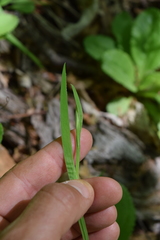
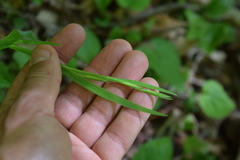
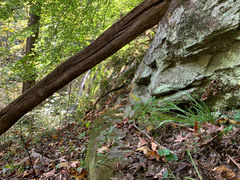
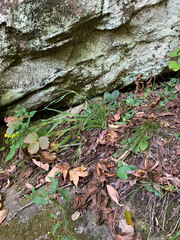
Parent Taxon
Sibling Taxa
- Cephalanthum
- Echthronema
- Hydastylus
- Morphanthus
- Rhizilineum
- Segetia
- Sisyrinchium
- Sisyrinchium abietum
- Sisyrinchium anadenicum
- Sisyrinchium anarosae
- Sisyrinchium andinopatagonicum
- Sisyrinchium annuum
- Sisyrinchium antucense
- Sisyrinchium aquidaunicum
- Sisyrinchium arguellesiae
- Sisyrinchium arrayanicum
- Sisyrinchium biflorum
- Sisyrinchium biforme
- Sisyrinchium binervatum
- Sisyrinchium breviarmium
- Sisyrinchium caespitificum
- Sisyrinchium calathinum
- Sisyrinchium calciphilum
- Sisyrinchium chaguaranicum
- Sisyrinchium chilense
- Sisyrinchium cholewae
- Sisyrinchium claritae
- Sisyrinchium conzattii
- Sisyrinchium coulterianum
- Sisyrinchium cylindrocarpium
- Sisyrinchium cyperellum
- Sisyrinchium dasyspathum
- Sisyrinchium deflexum
- Sisyrinchium deseadense
- Sisyrinchium dichotomum
- Sisyrinchium elegantulum
- Sisyrinchium elizabethiae
- Sisyrinchium ensigerum
- Sisyrinchium eserrulatum
- Sisyrinchium exalatum
- Sisyrinchium exilifolium
- Sisyrinchium firmifolium
- Sisyrinchium galapagense
- Sisyrinchium glaziovii
- Sisyrinchium gratissimum
- Sisyrinchium groenlandicum
- Sisyrinchium guanajuatense
- Sisyrinchium halophilum
- Sisyrinchium hintoniorum
- Sisyrinchium hirsutum
- Sisyrinchium hitchcockii
- Sisyrinchium hypsophilum
- Sisyrinchium igatimiense
- Sisyrinchium inclinatum
- Sisyrinchium intihuatanense
- Sisyrinchium itabiritense
- Sisyrinchium ivanii
- Sisyrinchium jacquelineanum
- Sisyrinchium johnstonii
- Sisyrinchium laetum
- Sisyrinchium laevigatum
- Sisyrinchium langloisii
- Sisyrinchium laterale
- Sisyrinchium latiusculum
- Sisyrinchium laxum
- Sisyrinchium longispathum
- Sisyrinchium luzula
- Sisyrinchium magnicapsulare
- Sisyrinchium maipoanum
- Sisyrinchium marchioides
- Sisyrinchium martense
- Sisyrinchium microbracteatum
- Sisyrinchium myrioflorum
- Sisyrinchium nembyense
- Sisyrinchium nigricans
- Sisyrinchium novoleonense
- Sisyrinchium obconicum
- Sisyrinchium orbiculatum
- Sisyrinchium oxyspathum
- Sisyrinchium pallidum
- Sisyrinchium pampeanum
- Sisyrinchium paramorum
- Sisyrinchium parvifolium
- Sisyrinchium paucispathum
- Sisyrinchium pendulum
- Sisyrinchium planicola
- Sisyrinchium platyphyllum
- Sisyrinchium pringlei
- Sisyrinchium quadrangulatum
- Sisyrinchium rectivalvatum
- Sisyrinchium reitzii
- Sisyrinchium rigidifolium
- Sisyrinchium sagittiferum
- Sisyrinchium scalarium
- Sisyrinchium schaffneri
- Sisyrinchium schottii
- Sisyrinchium sectiandrum
- Sisyrinchium septentrionale
- Sisyrinchium serrulatum
- Sisyrinchium sinuosum
- Sisyrinchium somuncurense
- Sisyrinchium strictum
- Sisyrinchium subalpinum
- Sisyrinchium subcernuum
- Sisyrinchium subtile
- Sisyrinchium tafiense
- Sisyrinchium teleanthum
- Sisyrinchium tofoense
- Sisyrinchium tolucense
- Sisyrinchium translucens
- Sisyrinchium trichanthum
- Sisyrinchium tucumanum
- Sisyrinchium unguiculatum
- Sisyrinchium venezolense
- Sisyrinchium vestitum
- Sisyrinchium zamudioi
- Spathirhachis
- Trichoparcus
- Viperella