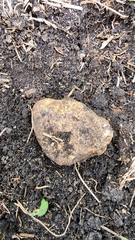
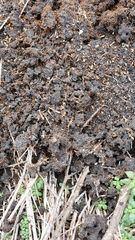
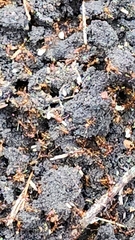
Solenopsis invicta: taxon details and analytics

Domain
Kingdom
Animalia
Phylum
Arthropoda
Class
Insecta
Order
Hymenoptera
Family
Formicidae
Genus
Solenopsis
Species
Solenopsis invicta
Scientific Name
Solenopsis invicta

Summary description from Wikipedia:

Red imported fire ant

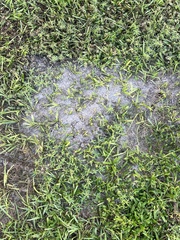
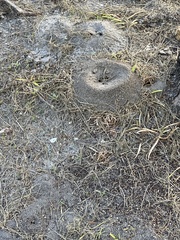
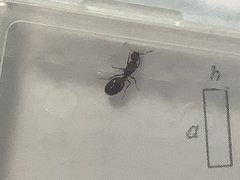
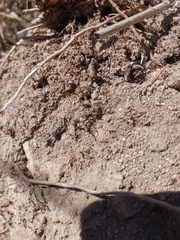
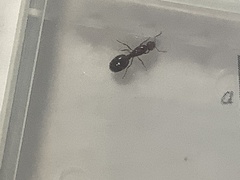
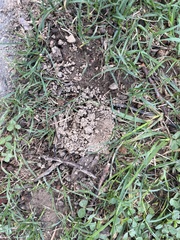
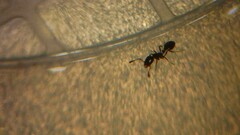
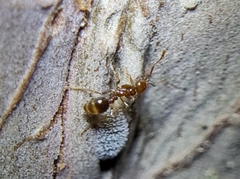
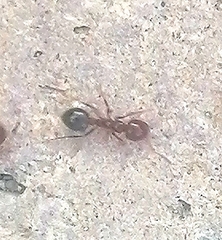
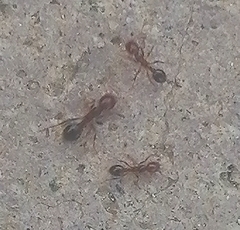
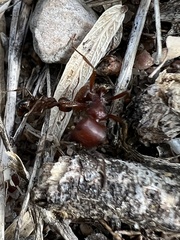
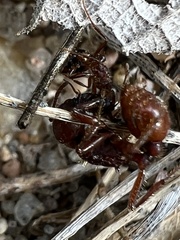
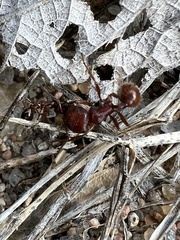
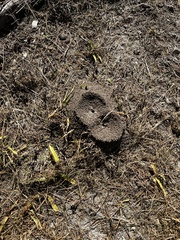
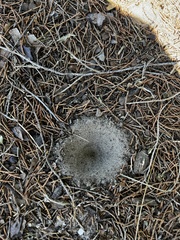
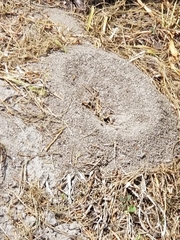
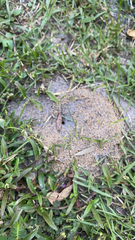
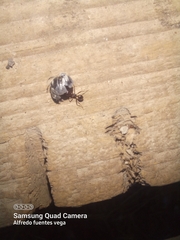
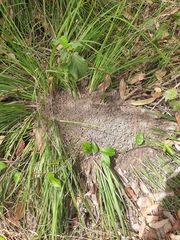
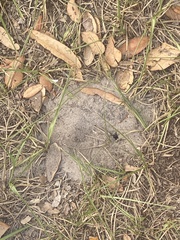
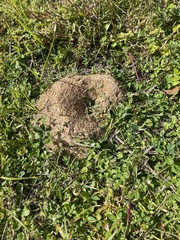
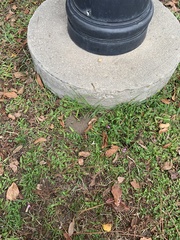
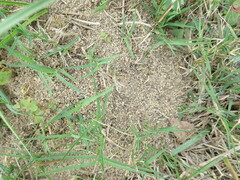
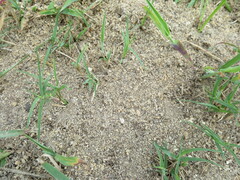
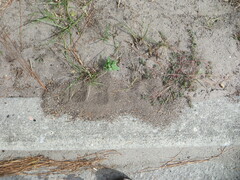
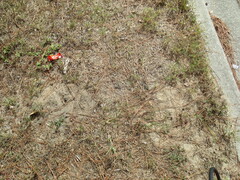
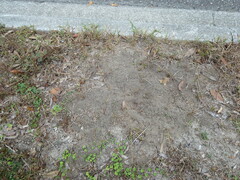
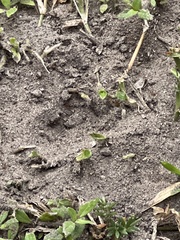
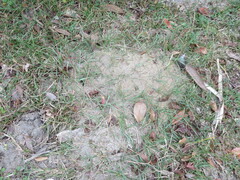
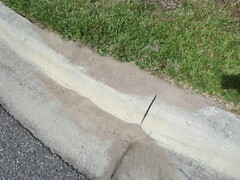
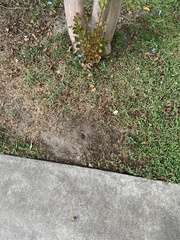
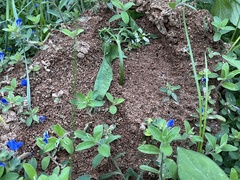
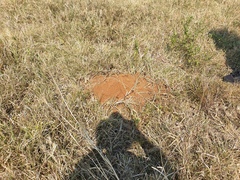
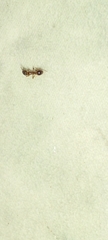
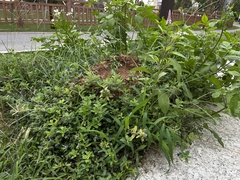
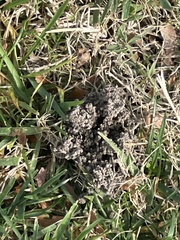
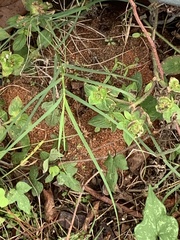
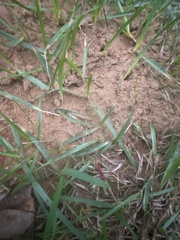
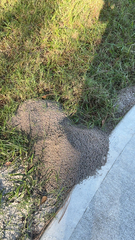
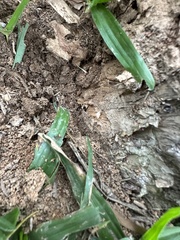
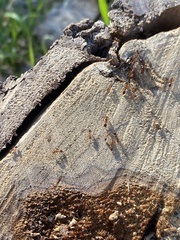
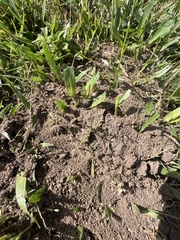
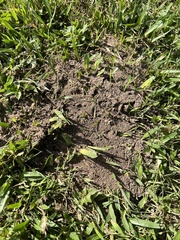
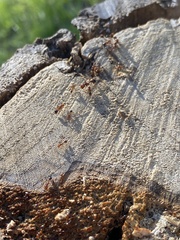
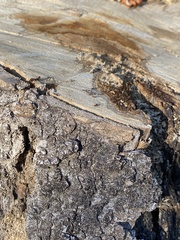
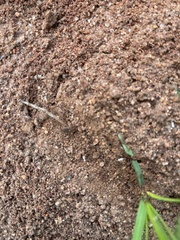
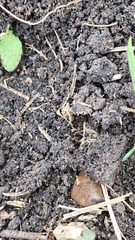
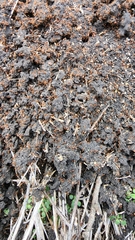
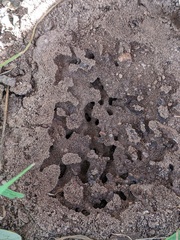
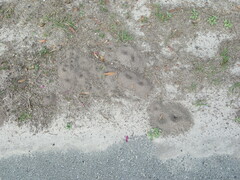
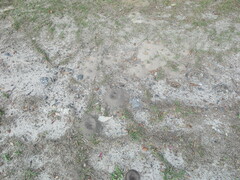
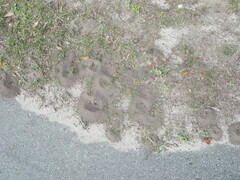
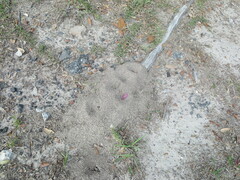
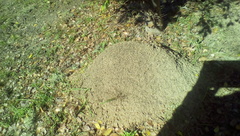
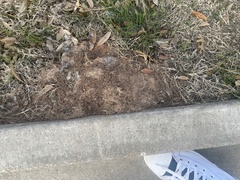
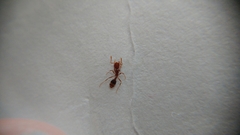
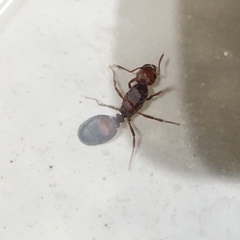
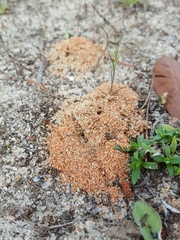
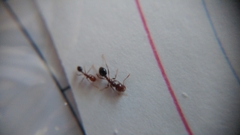
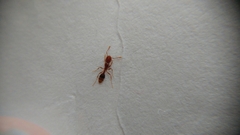
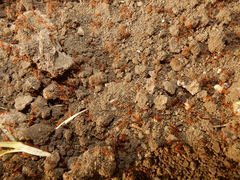
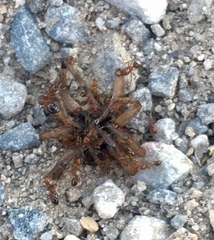
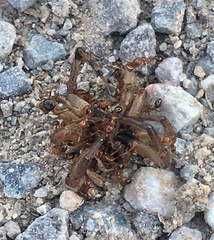
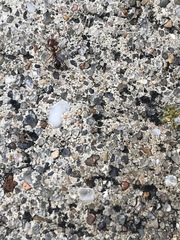
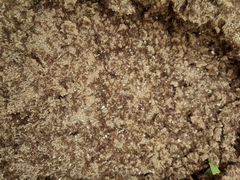
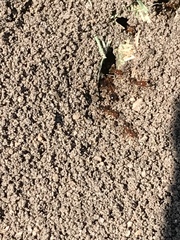
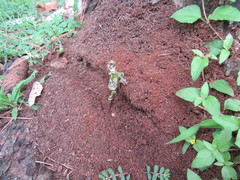
Solenopsis invicta, the fire ant, or red imported fire ant (RIFA), is a species of ant native to South America. A member of the genus Solenopsis in the subfamily Myrmicinae, it was described by Swiss entomologist Felix Santschi as a variant of S. saevissima in 1916. Its current specific name invicta was given to the ant in 1972 as a separate species. However, the variant and species were the same ant, and the name was preserved due to its wide use. Though South American in origin, the red imported fire ant has been accidentally introduced in Australia, New Zealand, several Asian and Caribbean countries, Europe and the United States. The red imported fire ant is polymorphic, as workers appear in different shapes and sizes. The ant's colours are red and somewhat yellowish with a brown or black gaster, but males are completely black. Red imported fire ants are dominant in altered areas and live in a wide variety of habitats. They can be found in rainforests, disturbed areas, deserts, grasslands, alongside roads and buildings, and in electrical equipment. Colonies form large mounds constructed from soil with no visible entrances because foraging tunnels are built and workers emerge far away from the nest.

These ants exhibit a wide variety of behaviours, such as building rafts when they sense that water levels are rising. They also show necrophoric behaviour, where nestmates discard scraps or dead ants on refuse piles outside the nest. Foraging takes place on warm or hot days, although they may remain outside at night. Workers communicate by a series of semiochemicals and pheromones, which are used for recruitment, foraging, and defence. They are omnivores and eat dead mammals, arthropods, insects, seeds, and sweet substances such as honeydew from hemipteran insects with which they have developed relationships. Predators include arachnids, birds, and many insects including other ants, dragonflies, earwigs, and beetles. The ant is a host to parasites and to a number of pathogens, nematodes, and viruses, which have been viewed as potential biological control agents. Nuptial flight occurs during the warm seasons, and the alates may mate for as long as 30 minutes. Colony founding can be done by a single queen or a group of queens, which later contest for dominance once the first workers emerge. Workers can live for several months, while queens can live for years; mature colony numbers can vary from 500,000 to 2,000,000 individuals. Two forms of society in the red imported fire ant exist: polygynous colonies (nests with multiple queens) and monogynous colonies (nests with one queen).

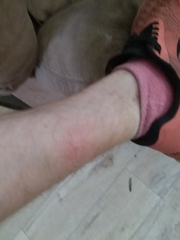
Venom plays an important role in the ant's life, as it is used to capture prey or for defence. About 95% of the venom consists of water-insoluble piperidine alkaloids known as solenopsins, with the rest comprising a mixture of toxic proteins that can be particularly potent in sensitive humans; the name fire ant is derived from the burning sensation caused by their sting. More than 14 million people are stung by them in the United States annually, where many are expected to develop allergies to the venom. Most victims experience intense burning and swelling, followed by the formation of sterile pustules, which may remain for several days. However, 0.6% to 6.0% of people may suffer from anaphylaxis, which can be fatal if left untreated. Common symptoms include dizziness, chest pain, nausea, severe sweating, low blood pressure, loss of breath, and slurred speech. More than 80 deaths have been recorded from red imported fire ant attacks. Treatment depends on the symptoms; those who only experience pain and pustule formation require no medical attention, but those who suffer from anaphylaxis are given adrenaline. Whole body extract immunotherapy is used to treat victims and is regarded as highly effective.

The ant is viewed as a notorious pest, causing billions of dollars in damage annually and impacting wildlife. The ants thrive in urban areas, so their presence may deter outdoor activities. Nests can be built under structures such as pavements and foundations, which may cause structural problems, or cause them to collapse. Not only can they damage or destroy structures, but red imported fire ants also can damage equipment and infrastructure and impact business, land, and property values. In agriculture, they can damage crops and machinery, and threaten pastures. They are known to invade a wide variety of crops, and mounds built on farmland may prevent harvesting. They also pose a threat to animals and livestock, capable of inflicting serious injury or killing them, especially young, weak, or sick animals. Despite this, they may be beneficial because they consume common pest insects on crops. Common methods of controlling these ants include baiting and fumigation; other methods may be ineffective or dangerous. Due to its notoriety and importance, the ant has become one of the most studied insects on the planet, even rivalling the western honey bee (Apis mellifera).

...
 

Solenopsis invicta in languages:

Chinese
入侵紅火蟻
Chinese
紅火蟻
Dutch
Rode vuurmier
Dutch
Rode brandmier
English
Red Imported Fire Ant
English
RIFA
English
South American Fire Ant
English
Argentinian Fire Ant
English
Red Invasive Fire Ant
English
Volcano Ant
English
red fire ant
French
Grande fourmi de feu
Japanese
ヒアリ
Korean
붉은불개미
Portuguese
Formiga-vermelha-do-fogo
Portuguese
Toicinhera

Images from inaturalist.org observations:

We recommend you sign up for this excellent, free service.
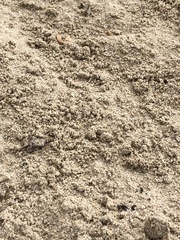
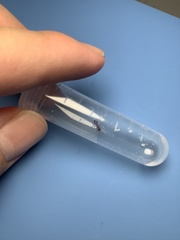
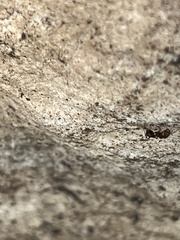
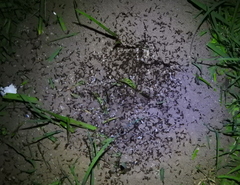
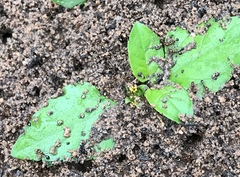
Solenopsis invicta
©marcb13, some rights reserved (CC-BY-NC)
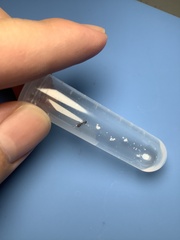
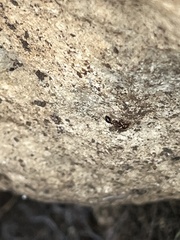
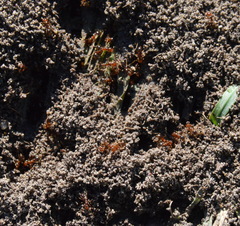
Solenopsis invicta
©normorality-zhou, some rights reserved (CC-BY-NC)
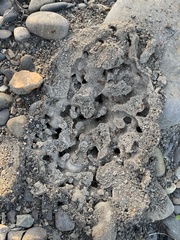
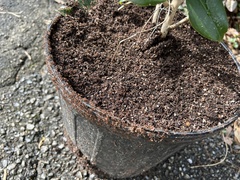
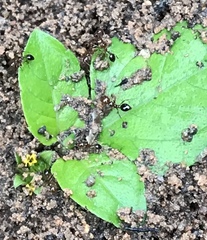
Solenopsis invicta
©normorality-zhou, some rights reserved (CC-BY-NC)
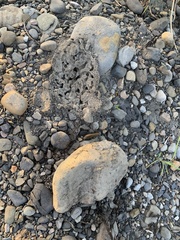
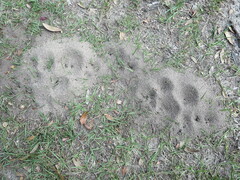
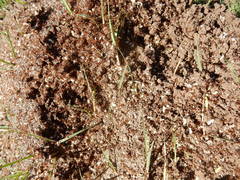
Solenopsis invicta
©normorality-zhou, some rights reserved (CC-BY-NC)
Solenopsis invicta
©normorality-zhou, some rights reserved (CC-BY-NC)
Solenopsis invicta
©normorality-zhou, some rights reserved (CC-BY-NC)
Solenopsis invicta
©normorality-zhou, some rights reserved (CC-BY-NC)
Solenopsis invicta
©Shin-Ming Ku, some rights reserved (CC-BY-NC)
Solenopsis invicta
©Shin-Ming Ku, some rights reserved (CC-BY-NC)
Solenopsis invicta
©itsjojo, some rights reserved (CC-BY-NC)
Solenopsis invicta
©itsjojo, some rights reserved (CC-BY-NC)
Solenopsis invicta
©raeyla, some rights reserved (CC-BY-NC)
Solenopsis invicta
©sofxg_, some rights reserved (CC-BY-NC)
Solenopsis invicta
©Nonbinary-Naturalist, some rights reserved (CC0)
Solenopsis invicta
©sofxg_, some rights reserved (CC-BY-NC)
Solenopsis invicta
©michaelsmith_03, some rights reserved (CC-BY-NC)
Solenopsis invicta
©cherrer1, some rights reserved (CC-BY-NC)
Solenopsis invicta
©rterrebonne, some rights reserved (CC-BY-NC)
Solenopsis invicta
©CareBear, some rights reserved (CC-BY-NC)
Solenopsis invicta
©CareBear, some rights reserved (CC-BY-NC)
Solenopsis invicta
©abby_jiang1, some rights reserved (CC-BY-NC)
Solenopsis invicta
©abby_jiang1, some rights reserved (CC-BY-NC)
Solenopsis invicta
©normorality-zhou, some rights reserved (CC-BY-NC)
Solenopsis invicta
©normorality-zhou, some rights reserved (CC-BY-NC)
Solenopsis invicta
©marcb13, some rights reserved (CC-BY-NC)
Solenopsis invicta
©nlpiwonka, some rights reserved (CC-BY-NC)
Solenopsis invicta
©nlpiwonka, some rights reserved (CC-BY-NC)
Solenopsis invicta
©A Rector, some rights reserved (CC-BY-NC)
Solenopsis invicta
©A Rector, some rights reserved (CC-BY-NC)
Solenopsis invicta
©ardenokoch, some rights reserved (CC-BY-NC)
Solenopsis invicta
©melangeland, some rights reserved (CC-BY-NC)
Solenopsis invicta
©melangeland, some rights reserved (CC-BY-NC)
Solenopsis invicta
©Nonbinary-Naturalist, some rights reserved (CC0)
Solenopsis invicta
©Caleb Helsel, some rights reserved (CC-BY-NC)
Solenopsis invicta
©Caleb Helsel, some rights reserved (CC-BY-NC)
Solenopsis invicta
©Caleb Helsel, some rights reserved (CC-BY-NC)
Solenopsis invicta
©Caleb Helsel, some rights reserved (CC-BY-NC)
Solenopsis invicta
©Jesus Rodriguez, some rights reserved (CC-BY-NC)
Solenopsis invicta
©Jesus Rodriguez, some rights reserved (CC-BY-NC)
Solenopsis invicta
©maricel2007, some rights reserved (CC-BY-NC)
Solenopsis invicta
©maricel2007, some rights reserved (CC-BY-NC)
Solenopsis invicta
©nd0221, some rights reserved (CC-BY-NC)
Solenopsis invicta
©yuxinhe, some rights reserved (CC-BY-NC)
Solenopsis invicta
©thegoatnumber3, some rights reserved (CC-BY-NC)
Solenopsis invicta
©sofxg_, some rights reserved (CC-BY-NC)
Solenopsis invicta
©phishouttawatta, some rights reserved (CC-BY-NC)
Solenopsis invicta
©Fuentes Vega Alfredo, some rights reserved (CC-BY-NC)
Solenopsis invicta
©Michelle M, some rights reserved (CC-BY-NC)
Solenopsis invicta
©raulgonzalez00, some rights reserved (CC-BY-NC)
Solenopsis invicta
©np12, some rights reserved (CC-BY-NC)
Solenopsis invicta
©jgheller26, some rights reserved (CC-BY-NC)
Solenopsis invicta
©sofxg_, some rights reserved (CC-BY-NC)
Solenopsis invicta
©mayraang, some rights reserved (CC-BY-NC)
Solenopsis invicta
©yanmichelle, some rights reserved (CC-BY-NC)
Solenopsis invicta
©yanmichelle, some rights reserved (CC-BY-NC)
Solenopsis invicta
©roweenaaung, some rights reserved (CC-BY-NC)
Solenopsis invicta
©mich2000, some rights reserved (CC-BY-NC)
Solenopsis invicta
©goyo2552, some rights reserved (CC-BY-NC)
Solenopsis invicta
©lpbanks11, some rights reserved (CC-BY-NC)
Solenopsis invicta
©Nonbinary-Naturalist, some rights reserved (CC0)
Solenopsis invicta
©Nonbinary-Naturalist, some rights reserved (CC0)
Solenopsis invicta
©Nonbinary-Naturalist, some rights reserved (CC0)
Solenopsis invicta
©Nonbinary-Naturalist, some rights reserved (CC0)
Solenopsis invicta
©Nonbinary-Naturalist, some rights reserved (CC0)
Solenopsis invicta
©Nonbinary-Naturalist, some rights reserved (CC0)
Solenopsis invicta
©Nonbinary-Naturalist, some rights reserved (CC0)
Solenopsis invicta
©lpbanks11, some rights reserved (CC-BY-NC)
Solenopsis invicta
©krasik, some rights reserved (CC-BY-NC)
Solenopsis invicta
©krasik, some rights reserved (CC-BY-NC)
Solenopsis invicta
©krasik, some rights reserved (CC-BY-NC)
Solenopsis invicta
©krasik, some rights reserved (CC-BY-NC)
Solenopsis invicta
©Priscila Fernández, some rights reserved (CC-BY-NC)
Solenopsis invicta
©Priscila Fernández, some rights reserved (CC-BY-NC)
Solenopsis invicta
©to6091, some rights reserved (CC-BY-NC)
Solenopsis invicta
©pcopping_ecp, some rights reserved (CC-BY-NC)
Solenopsis invicta
©levene, some rights reserved (CC-BY-NC)
Solenopsis invicta
©levene, some rights reserved (CC-BY-NC)
Solenopsis invicta
©staple, some rights reserved (CC-BY-NC)
Solenopsis invicta
©Sebastian Sandoval, some rights reserved (CC-BY-NC)
Solenopsis invicta
©andreahu7, some rights reserved (CC-BY-NC)
Solenopsis invicta
©John Karp, some rights reserved (CC-BY-NC)
Solenopsis invicta
©carleebaecker, some rights reserved (CC-BY-NC)
Solenopsis invicta
©tscharfenstine_, some rights reserved (CC-BY-NC)
Solenopsis invicta
©acchaudhari, some rights reserved (CC-BY-NC)
Solenopsis invicta
©Liam Ragan, some rights reserved (CC-BY-NC)
Solenopsis invicta
©Liam Ragan, some rights reserved (CC-BY-NC)
Solenopsis invicta
©pon_bon, some rights reserved (CC-BY-NC)
Solenopsis invicta
©rosemvry, some rights reserved (CC-BY-NC)
Solenopsis invicta
©rosemvry, some rights reserved (CC-BY-NC)
Solenopsis invicta
©rosemvry, some rights reserved (CC-BY-NC)
Solenopsis invicta
©rosemvry, some rights reserved (CC-BY-NC)
Solenopsis invicta
©deftwolf, some rights reserved (CC-BY-NC)
Solenopsis invicta
©deftwolf, some rights reserved (CC-BY-NC)
Solenopsis invicta
©deftwolf, some rights reserved (CC-BY-NC)
Solenopsis invicta
©deftwolf, some rights reserved (CC-BY-NC)
Solenopsis invicta
©deftwolf, some rights reserved (CC-BY-NC)
Solenopsis invicta
©dar212, some rights reserved (CC-BY-NC)
Solenopsis invicta
©Brackenridge Field Laboratory, some rights reserved (CC-BY-NC)
Solenopsis invicta
©erinmorie, some rights reserved (CC-BY-NC)
Solenopsis invicta
©Adam Kranz, some rights reserved (CC0)
Solenopsis invicta
©diegoleal1999, some rights reserved (CC-BY-NC)
Solenopsis invicta
©kayla_mccann, some rights reserved (CC-BY-NC)
Solenopsis invicta
©kayla_mccann, some rights reserved (CC-BY-NC)
Solenopsis invicta
©kayla_mccann, some rights reserved (CC-BY-NC)
Solenopsis invicta
©Nonbinary-Naturalist, some rights reserved (CC0)
Solenopsis invicta
©Nonbinary-Naturalist, some rights reserved (CC0)
Solenopsis invicta
©Nonbinary-Naturalist, some rights reserved (CC0)
Solenopsis invicta
©Nonbinary-Naturalist, some rights reserved (CC0)
Solenopsis invicta
©Nonbinary-Naturalist, some rights reserved (CC0)
Solenopsis invicta
©Nonbinary-Naturalist, some rights reserved (CC0)
Solenopsis invicta
©Nonbinary-Naturalist, some rights reserved (CC0)
Solenopsis invicta
©Nonbinary-Naturalist, some rights reserved (CC0)
Solenopsis invicta
©Nonbinary-Naturalist, some rights reserved (CC0)
Solenopsis invicta
©jcast2018, some rights reserved (CC-BY-NC)
Solenopsis invicta
©hayesjackson, some rights reserved (CC-BY-NC)
Solenopsis invicta
©christopher, some rights reserved (CC-BY-NC)
Solenopsis invicta
©riversideelementary, some rights reserved (CC-BY-NC)
Solenopsis invicta
©plewelementary, some rights reserved (CC-BY-NC)
Solenopsis invicta
©Joshua (Josh) Quiring, some rights reserved (CC-BY-NC)
Solenopsis invicta
©Joshua (Josh) Quiring, some rights reserved (CC-BY-NC)
Solenopsis invicta
©Joshua (Josh) Quiring, some rights reserved (CC-BY-NC)
Solenopsis invicta
©amyhardison, some rights reserved (CC-BY-NC)
Solenopsis invicta
©amyhardison, some rights reserved (CC-BY-NC)
Solenopsis invicta
©amyhardison, some rights reserved (CC-BY-NC)
Solenopsis invicta
©Bob O'Kennon, some rights reserved (CC-BY-NC)
Solenopsis invicta
©Bob O'Kennon, some rights reserved (CC-BY-NC)
Solenopsis invicta
©C. Sulots, some rights reserved (CC-BY-NC)
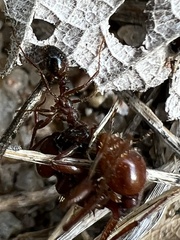
Solenopsis invicta
©C. Sulots, some rights reserved (CC-BY-NC)
Solenopsis invicta
©Kai Joaquin, some rights reserved (CC-BY-NC)
Solenopsis invicta
©Bryan, some rights reserved (CC-BY-NC)
Solenopsis invicta
©Bryan, some rights reserved (CC-BY-NC)
Solenopsis invicta
©Bryan, some rights reserved (CC-BY-NC)
Solenopsis invicta
©a13xan4e7, some rights reserved (CC-BY-NC)
Solenopsis invicta
©Lan Nhi Pham, some rights reserved (CC-BY-NC)
Solenopsis invicta
©Lan Nhi Pham, some rights reserved (CC-BY-NC)
Solenopsis invicta
©Lan Nhi Pham, some rights reserved (CC-BY-NC)
Solenopsis invicta
©Jen Schlauch, some rights reserved (CC-BY-NC)
Solenopsis invicta
©Jen Schlauch, some rights reserved (CC-BY-NC)
Solenopsis invicta
©Lan Nhi Pham, some rights reserved (CC-BY-NC)
Solenopsis invicta
©Lan Nhi Pham, some rights reserved (CC-BY-NC)
Solenopsis invicta
©C., some rights reserved (CC0)
Solenopsis invicta
©C., some rights reserved (CC0)
Solenopsis invicta
©C., some rights reserved (CC0)
Solenopsis invicta
©Roderick Petersen, some rights reserved (CC-BY-NC)
Solenopsis invicta
©mr_roads, some rights reserved (CC-BY-NC)
Solenopsis invicta
©Kai Joaquin, some rights reserved (CC-BY-NC)
Solenopsis invicta
©webbac, some rights reserved (CC-BY-NC)
Solenopsis invicta
©jessicadiann, some rights reserved (CC-BY-NC)
Solenopsis invicta
©jessicadiann, some rights reserved (CC-BY-NC)
Solenopsis invicta
©Katie Vanhooser, some rights reserved (CC-BY-NC)
Solenopsis invicta
©Katie Vanhooser, some rights reserved (CC-BY-NC)
Solenopsis invicta
©Katie Vanhooser, some rights reserved (CC-BY-NC)
Solenopsis invicta
©Katie Vanhooser, some rights reserved (CC-BY-NC)
Solenopsis invicta
©morganessary, some rights reserved (CC-BY-NC)
Solenopsis invicta
©morganessary, some rights reserved (CC-BY-NC)
Solenopsis invicta
©soldier314, some rights reserved (CC-BY-NC)
Solenopsis invicta
©Bob O'Kennon, some rights reserved (CC-BY-NC)
Solenopsis invicta
©Dan Johnson, some rights reserved (CC-BY-NC)
Solenopsis invicta
©Kai Joaquin, some rights reserved (CC-BY-NC)
Solenopsis invicta
©jewelcourson, some rights reserved (CC-BY-NC)