Sparassidae: taxon details and analytics
- Domain
- Kingdom
- Animalia
- Phylum
- Arthropoda
- Class
- Arachnida
- Order
- Araneae
- Family
- Sparassidae
- Genus
- Species
- Scientific Name
- Sparassidae
Summary description from Wikipedia:
Huntsman spider
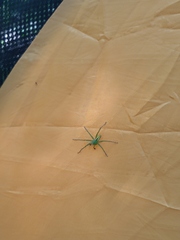
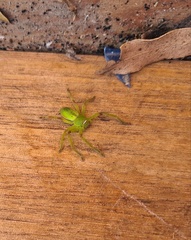
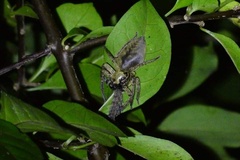
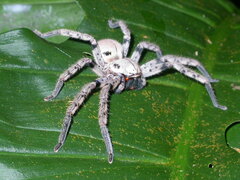
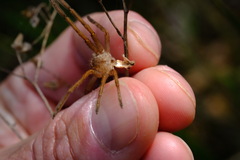
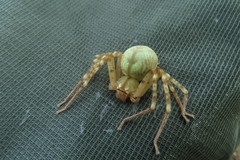
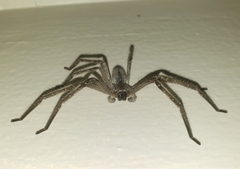
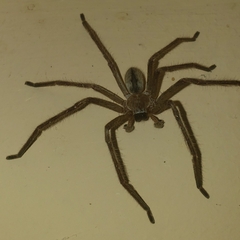
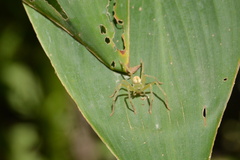
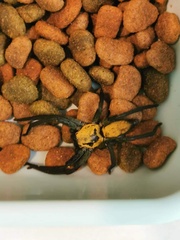
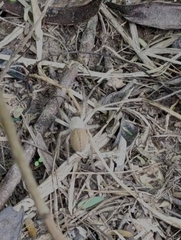
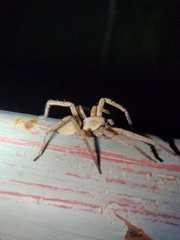
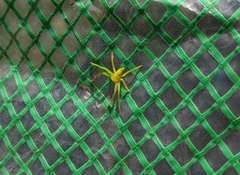
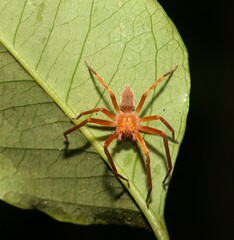
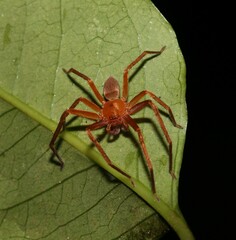
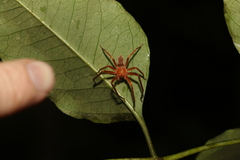
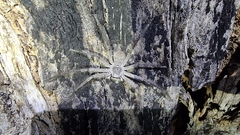
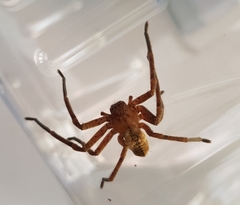
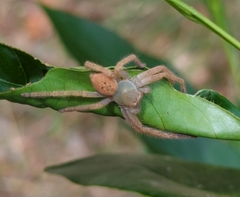
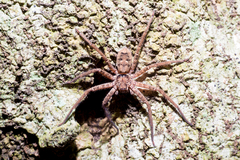
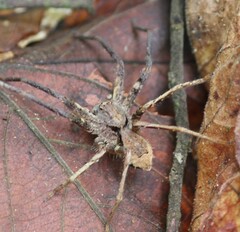
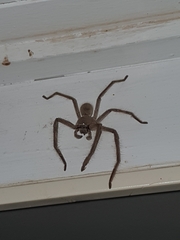
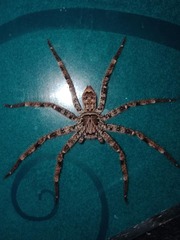
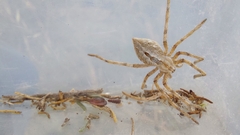
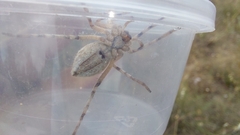
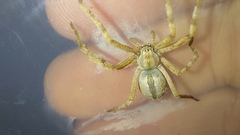
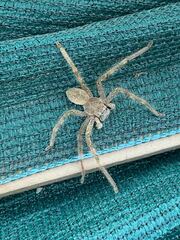
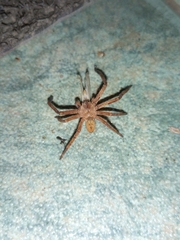
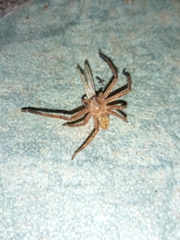
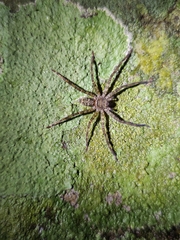
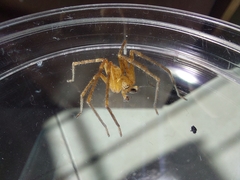
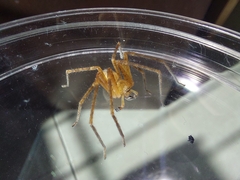
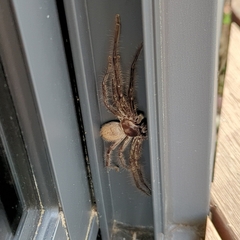
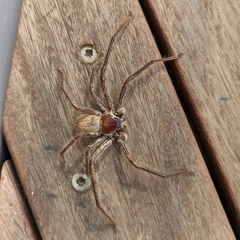
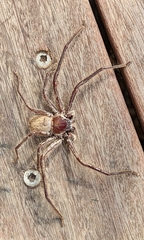
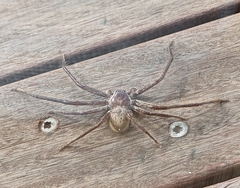
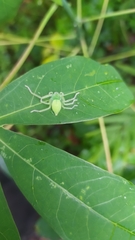
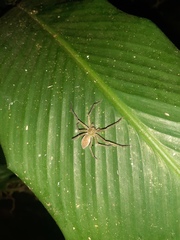
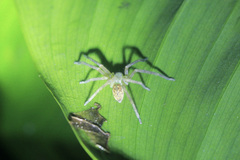
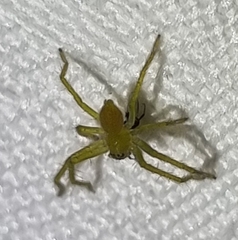
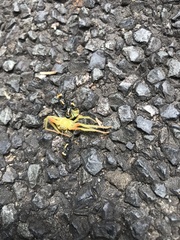
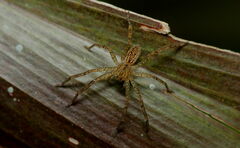
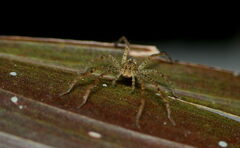
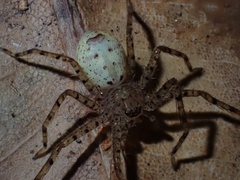
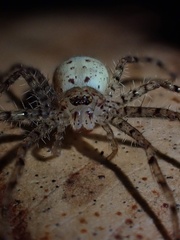
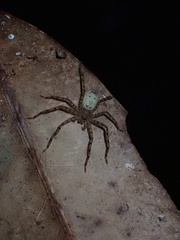
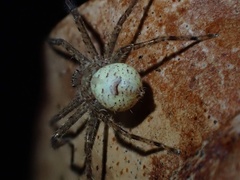
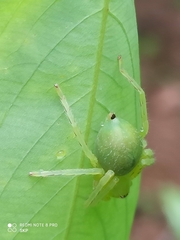
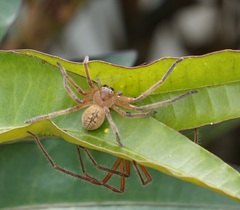
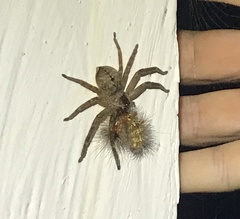
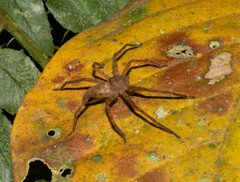
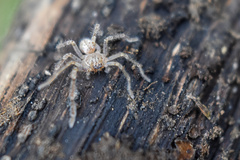
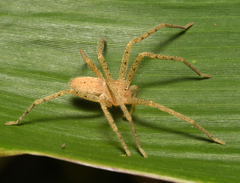
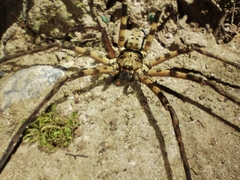
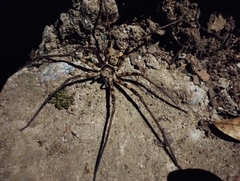
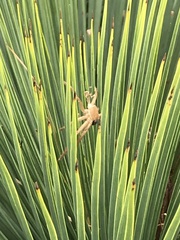
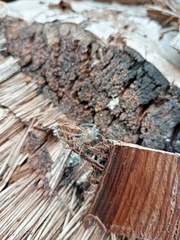
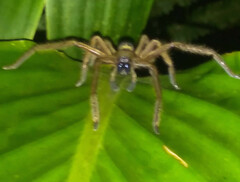
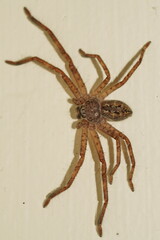
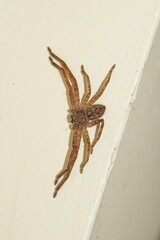
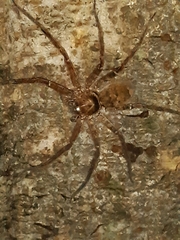
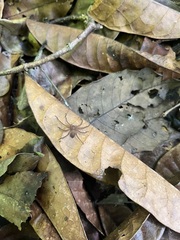
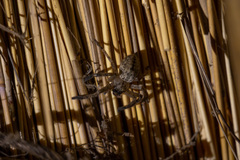
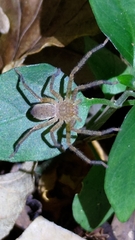
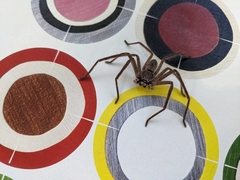
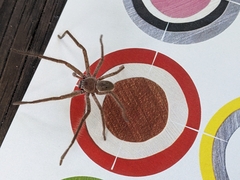
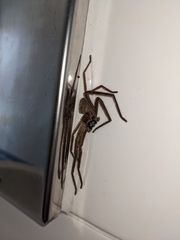
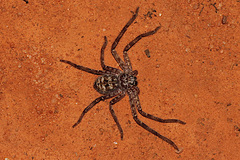
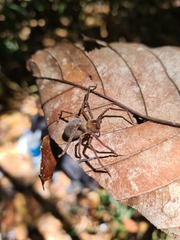
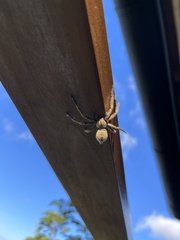
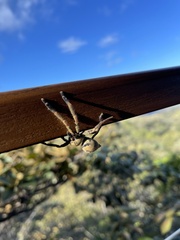
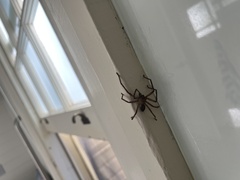
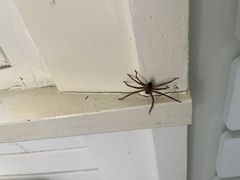
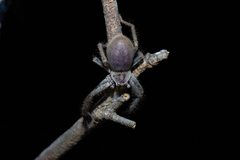
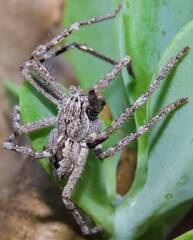
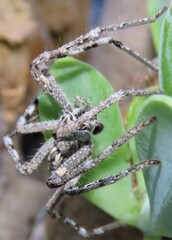
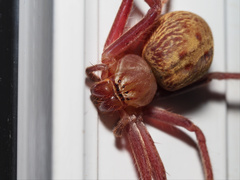
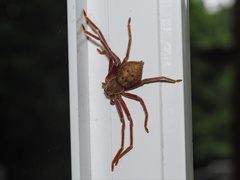
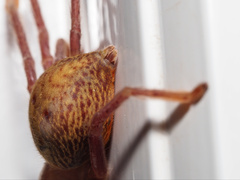
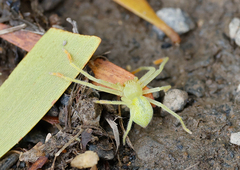
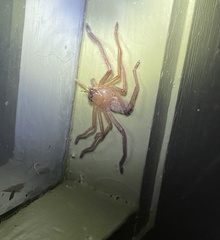
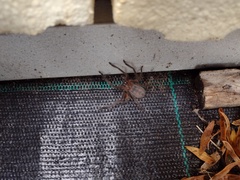
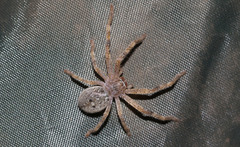
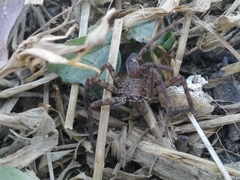
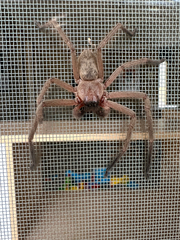
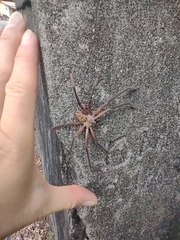
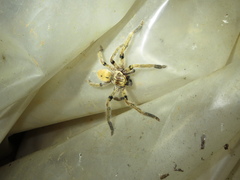
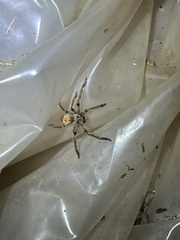
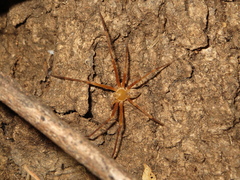
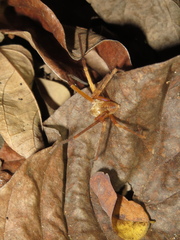
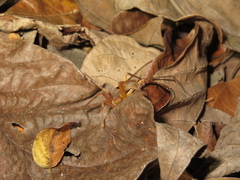
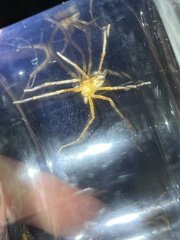
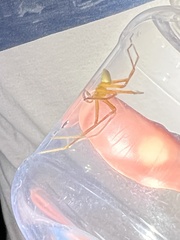
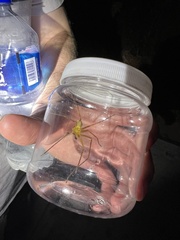
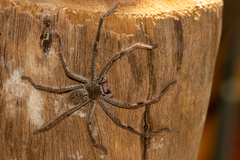
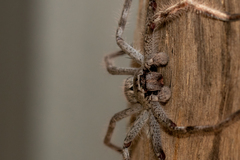
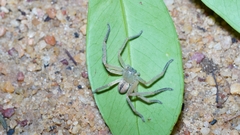
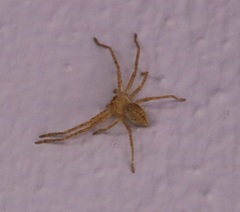
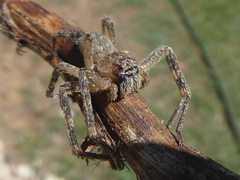
Huntsman spiders, members of the family Sparassidae (formerly Heteropodidae), catch their prey by hunting rather than in webs. They are also called giant crab spiders because of their size and appearance. Larger species sometimes are referred to as wood spiders, because of their preference for woody places (forests, mine shafts, woodpiles, and wooden shacks). In southern Africa, the species of the genus Palystes are known as rain spiders or lizard-eating spiders. Commonly, they are confused with baboon spiders from the Mygalomorphae infraorder, which are not closely related.
More than a thousand Sparassidae species occur in most warm, temperate to tropical regions of the world, including much of Australia, Africa, Asia, the Mediterranean Basin, and the Americas.
Several species of huntsman spiders can use an unusual form of locomotion. The wheel spider (Carparachne aureoflava) from the Namib uses a cartwheeling motion, which gives it its name, while Cebrennus rechenbergi uses a handspring motion.
...Sparassidae in languages:
- Afrikaans
- Jagterspinnekoppe
- Afrikaans
- Grootjagspinnekoppe
- Afrikaans
- Grootdwaalkrapspinnekoppe
- Chinese
- 巨蟹蛛科 (遁蛛科)
- Croatian
- Pauci lovci
- Czech
- maloočkovití
- Danish
- Kæmpekrabbeedderkopper
- English
- Huntsman Spiders
- English
- Giant Crab Spiders
- German
- Riesenkrabbenspinnen
- Hebrew
- מברישניים
- Japanese
- アシダカグモ科
- Korean
- 농발거미과
- Portuguese
- Aranhas-caçadoras
- Swedish
- jättekrabbspindlar
- Thai
- แมงมุมพเนจร
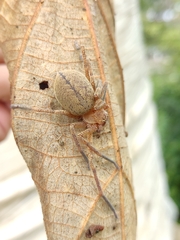
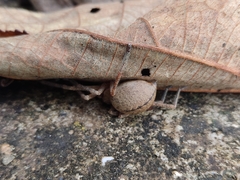
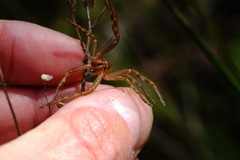
Images from inaturalist.org observations:
We recommend you sign up for this excellent, free service.
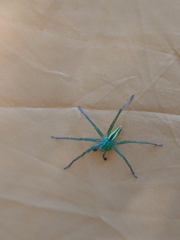
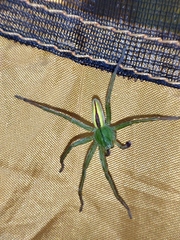
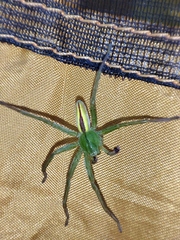
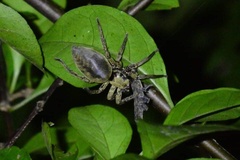
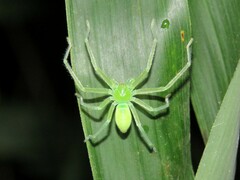
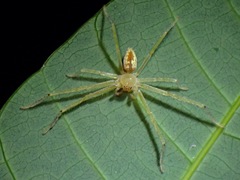
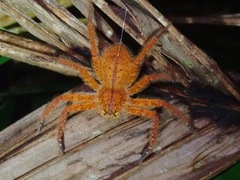
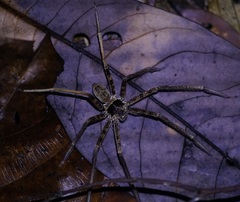
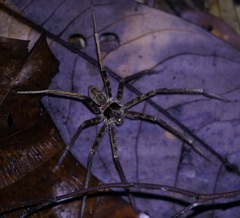
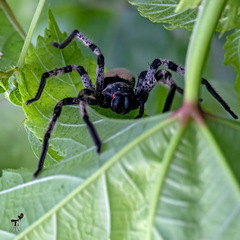
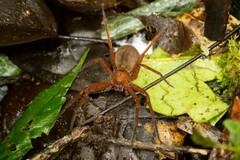

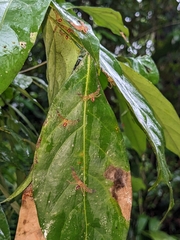
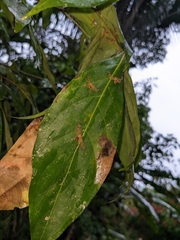
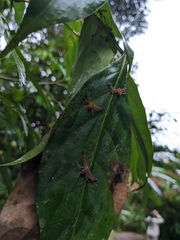
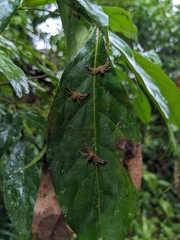
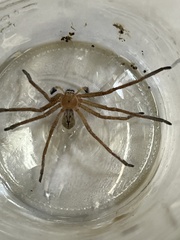
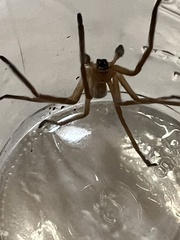
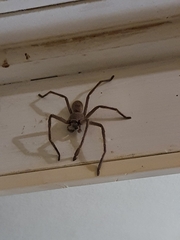
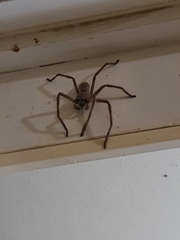
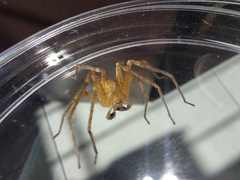
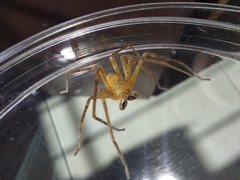
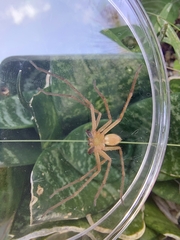
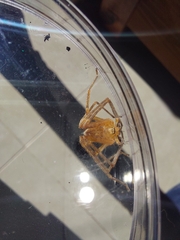
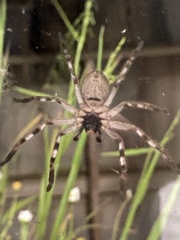
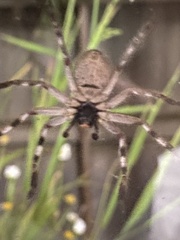
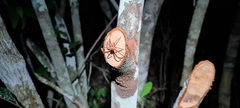
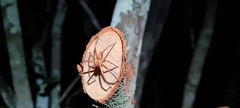
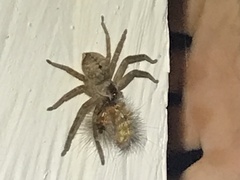
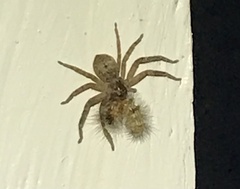
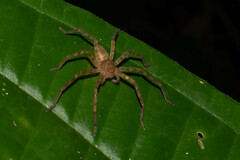
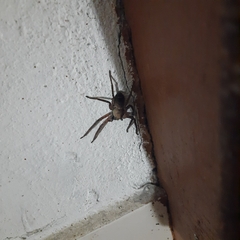
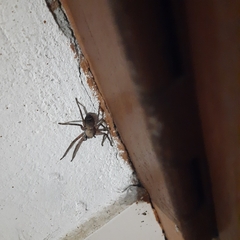
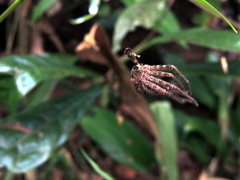
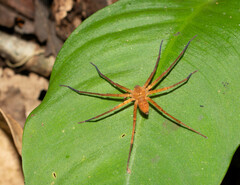
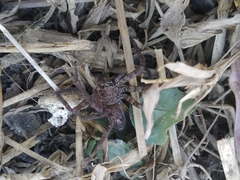
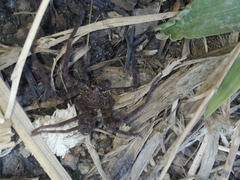
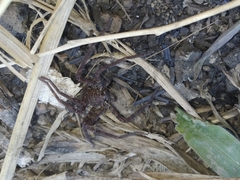
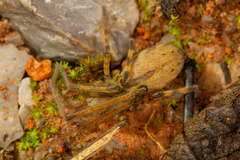
Parent Taxon
Sibling Taxa
Child Taxa
- Adcatomus
- Anaptomecus
- Anchonastus
- Arandisa
- Berlandia
- Caayguara
- Carparachne
- Cebrennus
- Cerbalus
- Chrosioderma
- Clastes
- Curicaberis
- Damastes
- Deelemanikara
- Defectrix
- Deleninae
- Dermochrosia
- Eusparassus
- Exopalystes
- Geminia
- Gnathopalystes
- Heteropodinae
- Irileka
- Keilira
- Leucorchestris
- Macrinus
- Martensikara
- Martensopoda
- May
- Megaloremmius
- Meri
- Micrommata
- Microrchestris
- Nolavia
- Nungara
- Olios
- Orchestrella
- Origes
- Paenula
- Palystella
- Palystes
- Panaretella
- Parapalystes
- Platnickopoda
- Polybetes
- Prusias
- Prychia
- Pseudomicrommata
- Quemedice
- Remmius
- Rhitymna
- Sadala
- Sagellula
- Sarotesius
- Sivalicus
- Sparianthina
- Sparianthinae
- Staianus
- Stasinoides
- Strandiellum
- Thunberga
- Tibellomma
- Tychicus
- Vindullus
Top Observation Places
- Yingge
- Mérida
- Azimpur
- Kolkata
- Puerto Vallarta
- Ciudad Victoria
- Bandar Seri Begawan
- Hervey Bay
- Guatemala City
- Zapopan
- Valparai
- Fraijanes
- Santa Marta
- Ciampea
- Mangalore
- Koreatown
- Jardim Paulista
- Morelia
- Coatepec
- Ubud
- Fullerton
- Yorba Linda
- La Habra
- Placentia
- Geelong
- Hermosillo
- La Mesa
- Alandur
- Medellín
- Itagüí
- Envigado
- Thāne
- Tlalpan
- Tucson
- Casas Adobes
- Catalina Foothills
- Bengaluru
- Kuala Lumpur
- Ampang
- Taipei
- Neihu
- Playa del Carmen
- Canberra
- Johor Bahru
- Woodlands
- Geylang
- Queenstown Estate
- Yogyakarta
- Depok
- Kasihan