Sphingidae: taxon details and analytics
- Domain
- Kingdom
- Animalia
- Phylum
- Arthropoda
- Class
- Insecta
- Order
- Lepidoptera
- Family
- Sphingidae
- Genus
- Species
- Scientific Name
- Sphingidae
Summary description from Wikipedia:
Sphingidae
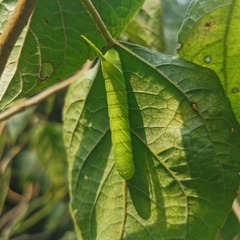
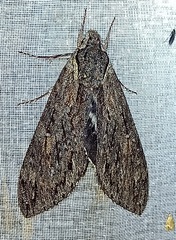
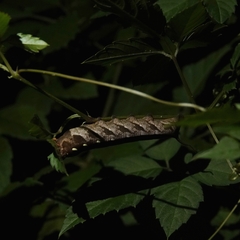
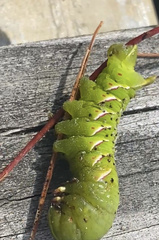
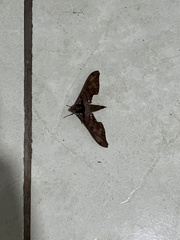
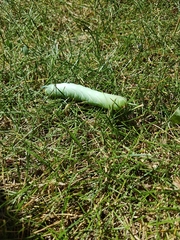
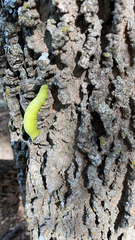
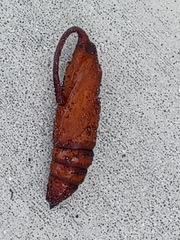
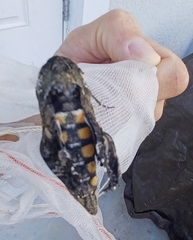
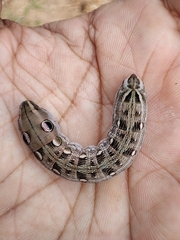
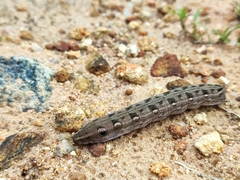
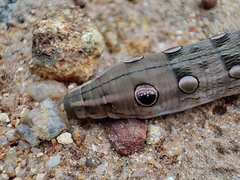
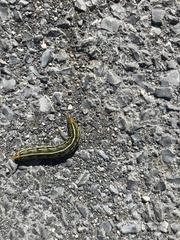
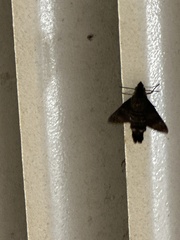
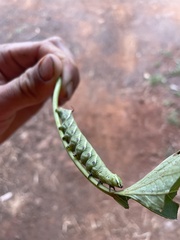
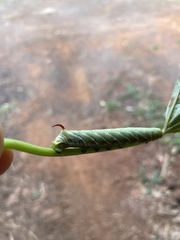
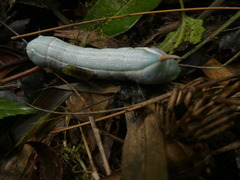
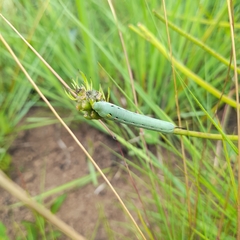
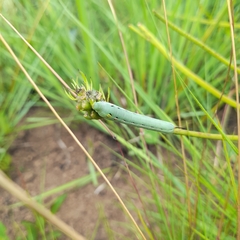
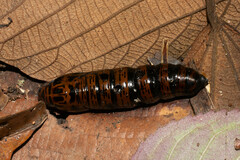
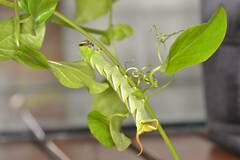
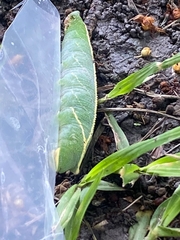
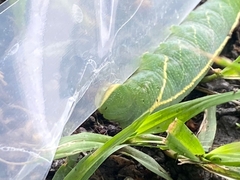
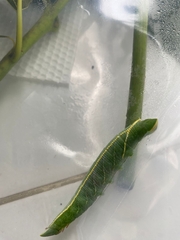
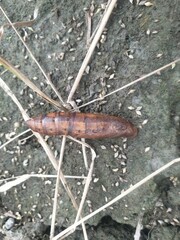
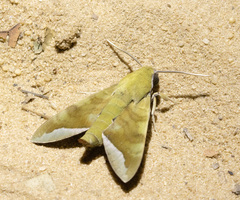
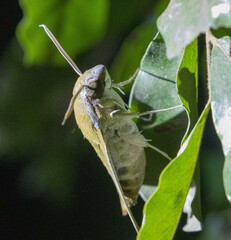
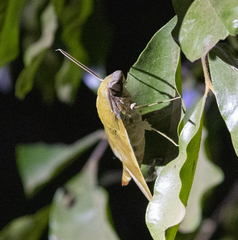
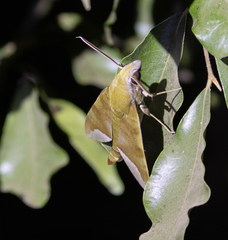
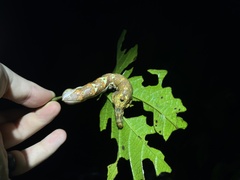
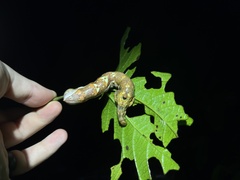
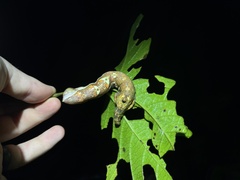
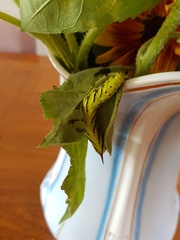
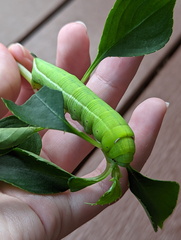
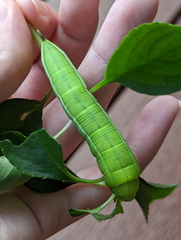
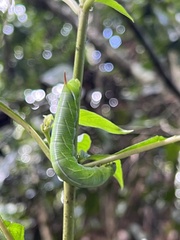
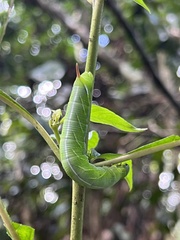
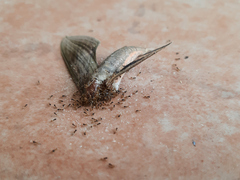
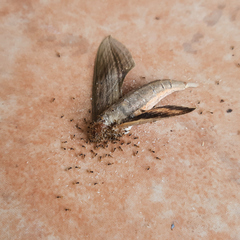
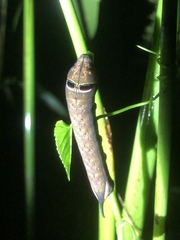
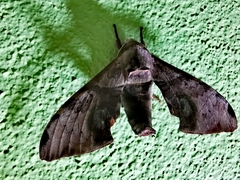
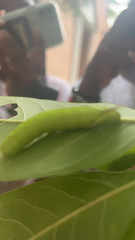
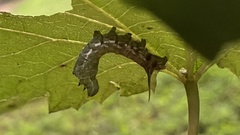
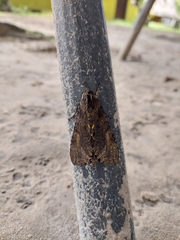
The Sphingidae are a family of moths commonly called sphinx moths, also colloquially known as hawk moths, with many of their caterpillars known as hornworms. It includes about 1,450 species. It is best represented in the tropics, but species are found in every region. They are moderate to large in size and are distinguished among moths for their agile and sustained flying ability, similar enough to that of hummingbirds as to be reliably mistaken for them. Their narrow wings and streamlined abdomens are adaptations for rapid flight. The family was named by French zoologist Pierre André Latreille in 1802.
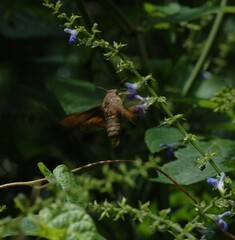
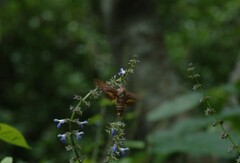
Some hawk moths, such as the hummingbird hawk-moth or the white-lined sphinx, hover in midair while they feed on nectar from flowers, so are sometimes mistaken for hummingbirds. This hovering capability is only known to have evolved four times in nectar feeders: in hummingbirds, certain bats, hoverflies, and these sphingids (an example of convergent evolution). Sphingids have been studied for their flying ability, especially their ability to move rapidly from side to side while hovering, called "swing-hovering" or "side-slipping". This is thought to have evolved to deal with ambush predators that lie in wait in flowers.
Sphingids are some of the faster flying insects; some are capable of flying at over 5.3 m/s (19 km/h). They have wingspans from 4 cm (1+1⁄2 in) to over 10 cm (4 in).
...Sphingidae in languages:
- Afrikaans
- Pylstertmotte
- Bokmål
- tussmørkesvermere
- Bulgarian
- Вечерници
- Chinese
- 天蛾科
- Croatian
- Ljiljci
- Czech
- lišajovití
- Danish
- Aftensværmere
- English
- Sphinx Moths
- English
- Hawk Moths
- English
- hawkmoths
- English
- Hornworms
- Estonian
- Surulased
- Finnish
- kiitäjät
- German
- Schwärmer
- Hebrew
- רפרפיים
- Hungarian
- szenderfélék
- Italian
- Sfingidi
- Japanese
- スズメガ科
- Korean
- 박각시과
- Lithuanian
- Sfinksai
- Modern Greek
- Σφιγγίδες
- Polish
- Zawisakowate
- Portuguese
- Mariposas-falcão
- Portuguese
- Mariposas-Esfinge
- Portuguese
- Esfingídeos
- Russian
- Бражники
- Slovak
- lišajovité
- Swedish
- svärmare
- Thai
- ผีเสื้อเหยี่ยว
- Thai
- ผีเสื้อจรวด
- Ukrainian
- Бражники
- Ukrainian
- Сфінксуваті
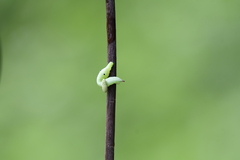
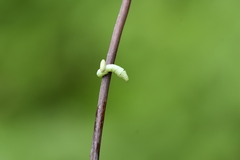
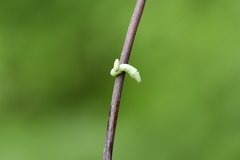
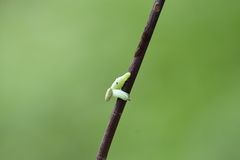
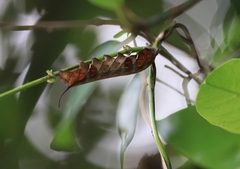
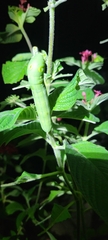
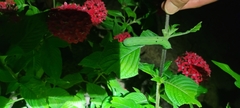
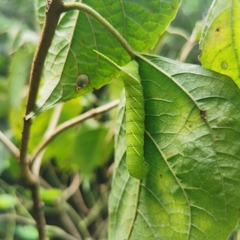
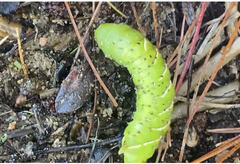
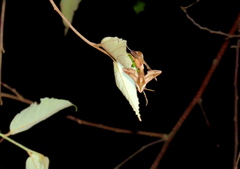
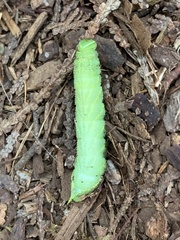
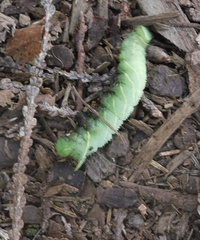
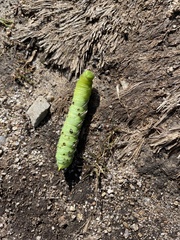
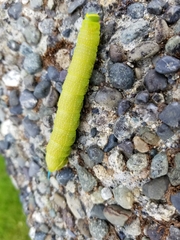
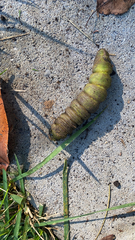
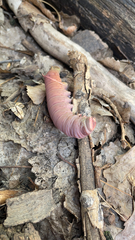
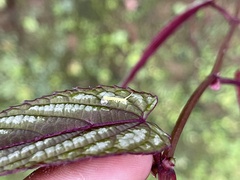
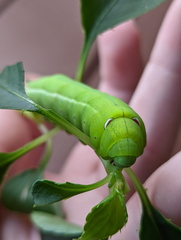
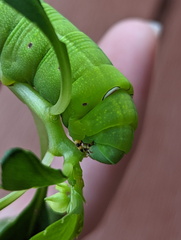
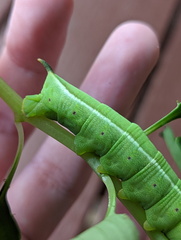
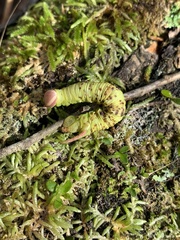
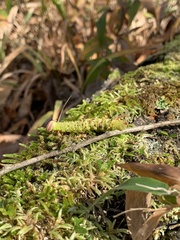
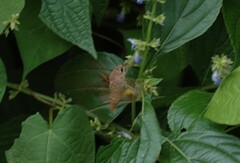
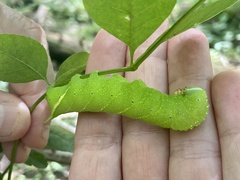
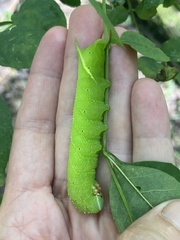
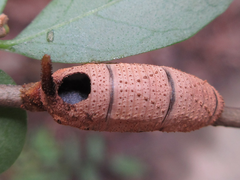
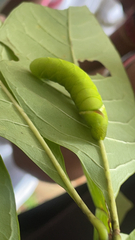
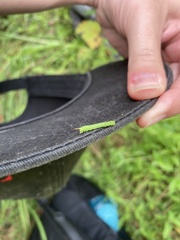
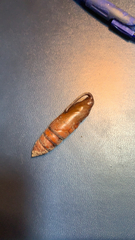
Images from inaturalist.org observations:
We recommend you sign up for this excellent, free service.
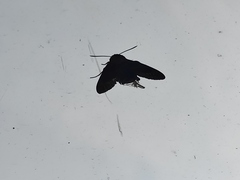
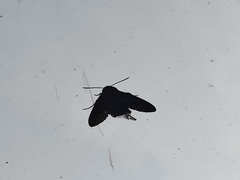
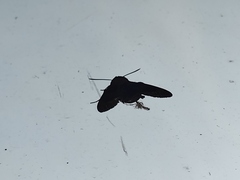
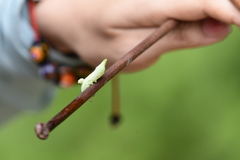
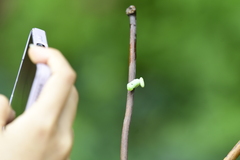
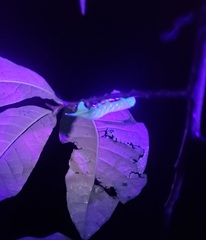
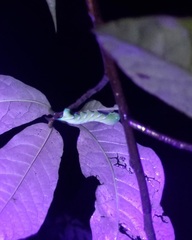
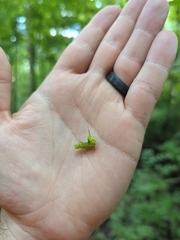
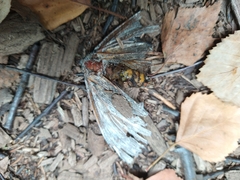
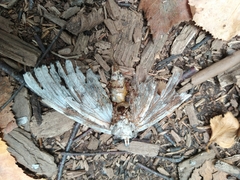
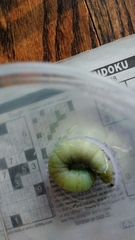
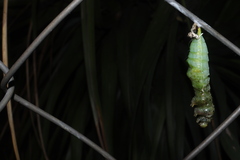
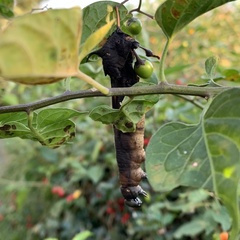
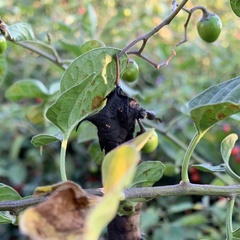
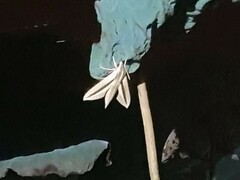
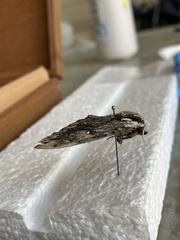
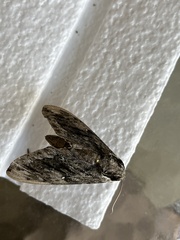
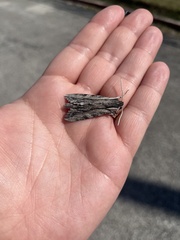
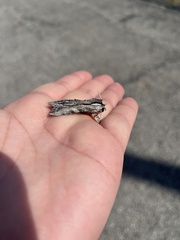
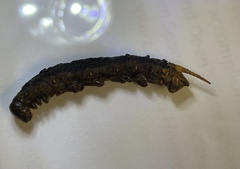
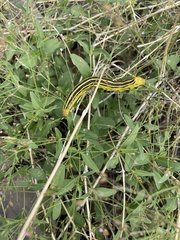
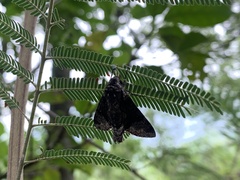
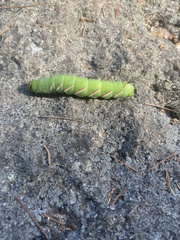
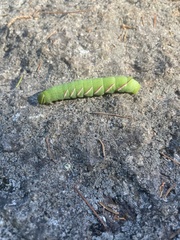
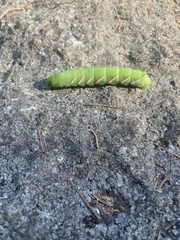
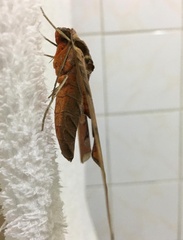
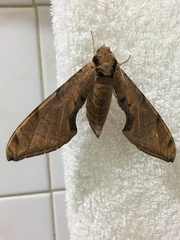
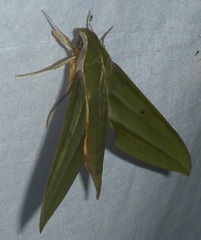
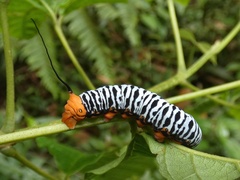
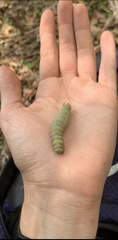
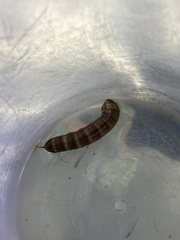
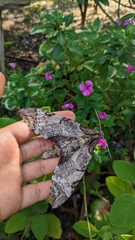
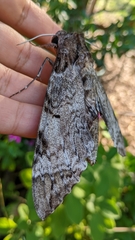
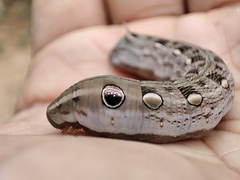

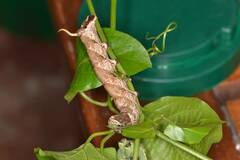
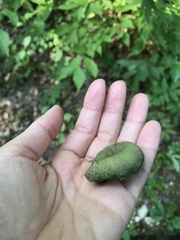
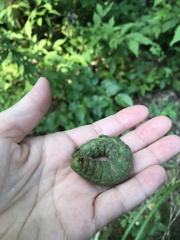
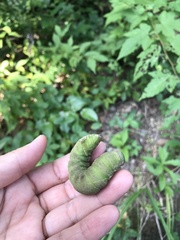
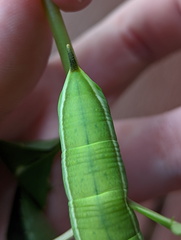
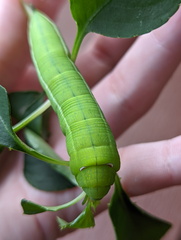
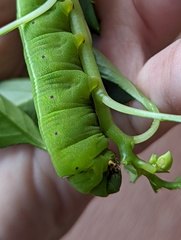
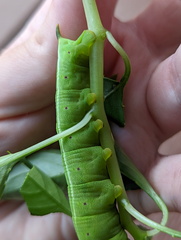
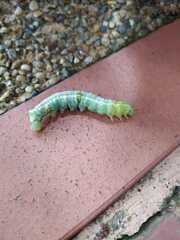

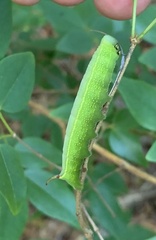
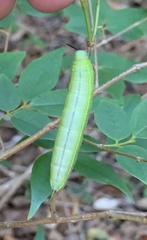
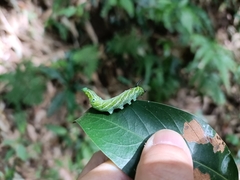
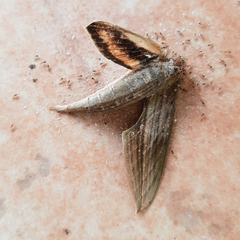
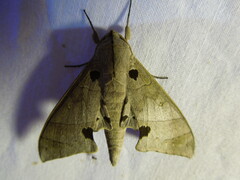
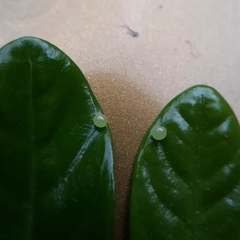
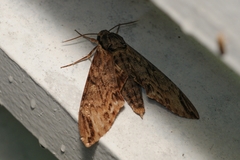
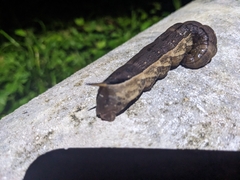
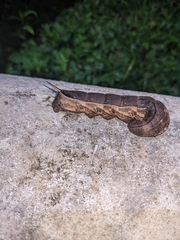
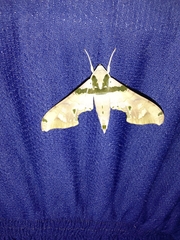
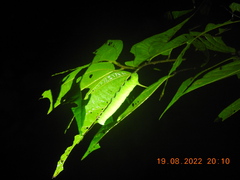
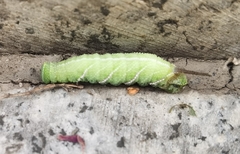
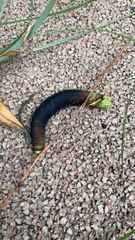
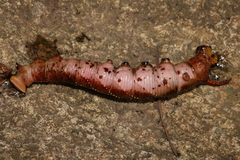
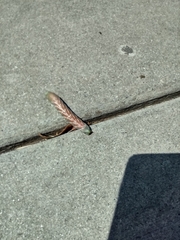
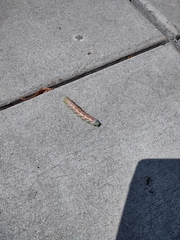
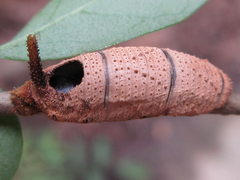
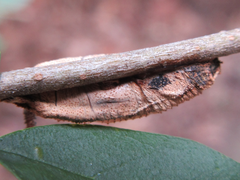
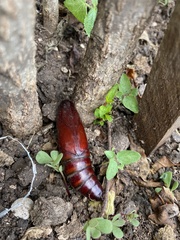
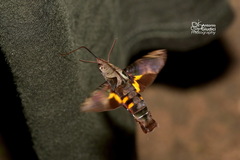
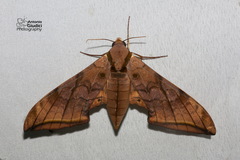
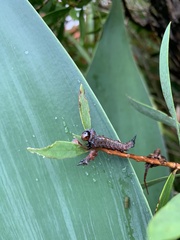
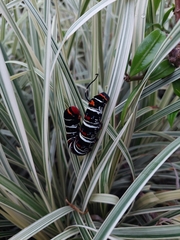
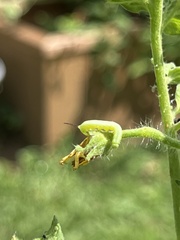
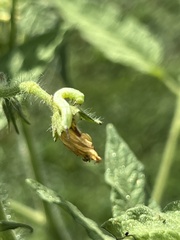
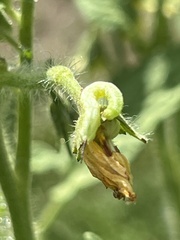
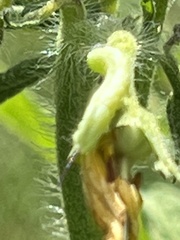
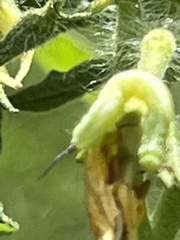
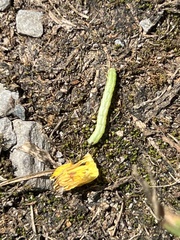
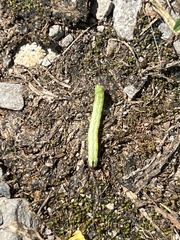
Parent Taxon
Sibling Taxa
Child Taxa
Top Observation Places
- Canberra
- Chiang Mai
- Guanajuato
- Cuernavaca
- Tainan
- Salvador
- Gainesville
- Staten Island
- Woodbury
- Cozumel
- West Raleigh
- Dallas
- Kawalu
- North Miami
- Victoria
- Jupiter
- Pasig City
- Makati City
- Mandaluyong City
- Cainta
- Tesistán
- Mérida
- San Francisco
- Sydney
- Kendall
- Coral Gables
- Flagami
- Keelung
- Panamá
- Pune
- Xalapa de Enríquez
- Tucson
- Fort Lauderdale
- Pompano Beach
- Davie
- Plantation
- Lauderhill
- Coconut Creek
- Margate
- Monterrey
- Guadalupe
- Rockville
- Bethesda
- Albuquerque
- Medellín
- Bello
- Itagüí
- Envigado
- Sabaneta
- Caldas