Spodoptera frugiperda: taxon details and analytics
- Domain
- Kingdom
- Animalia
- Phylum
- Arthropoda
- Class
- Insecta
- Order
- Lepidoptera
- Family
- Noctuidae
- Genus
- Spodoptera
- Species
- Spodoptera frugiperda
- Scientific Name
- Spodoptera frugiperda
Summary description from Wikipedia:
Fall armyworm
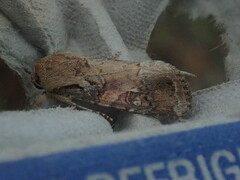
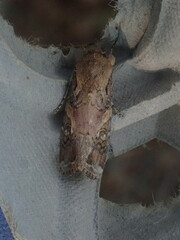
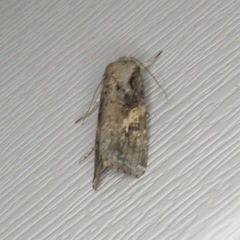
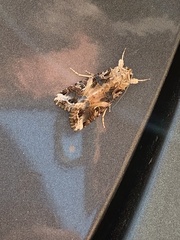
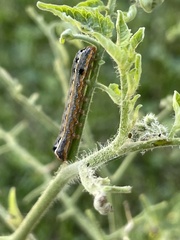
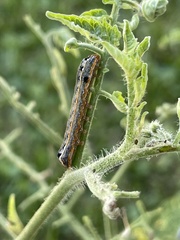
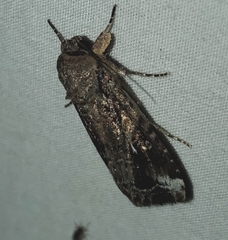
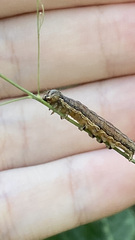
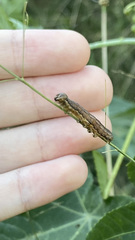
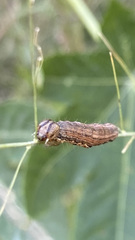
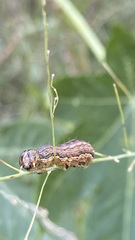
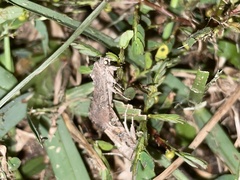
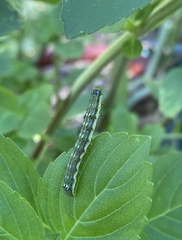
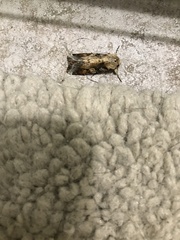
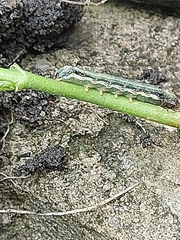
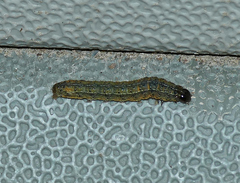
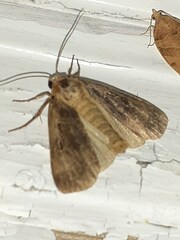
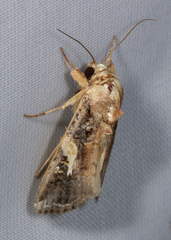
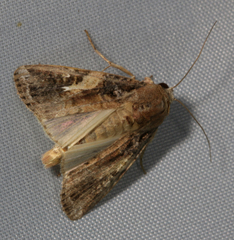
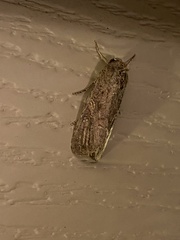
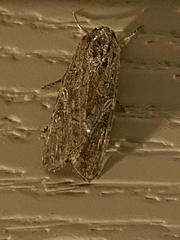
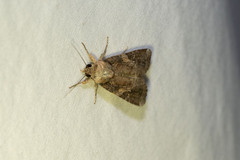
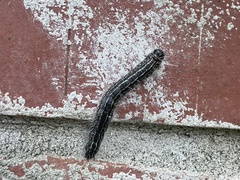
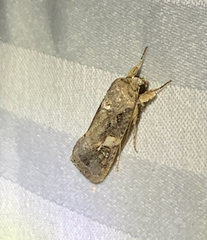
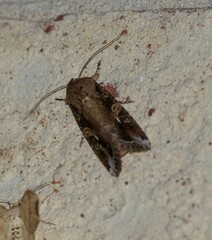
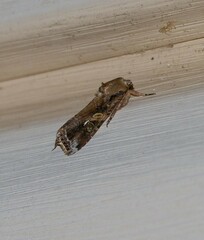
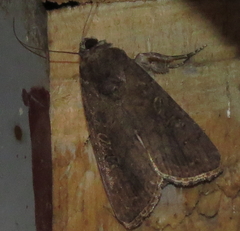
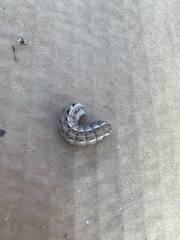
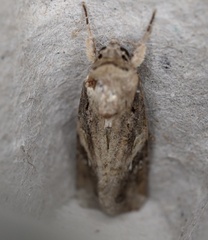
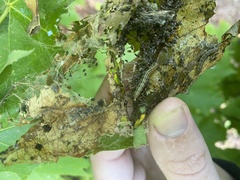
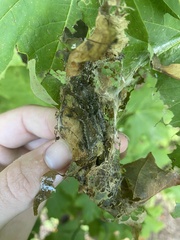
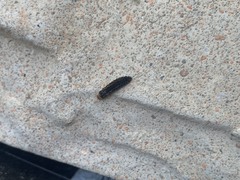
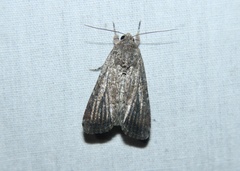
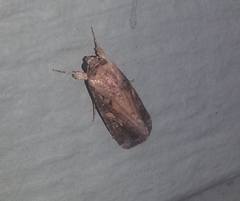
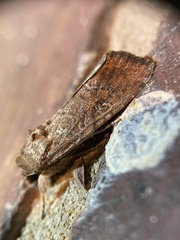
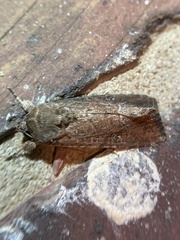
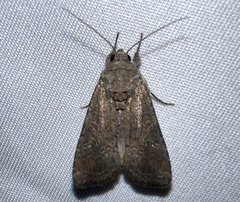
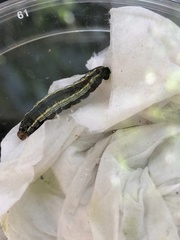
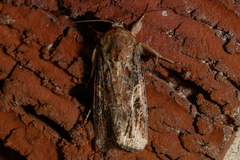
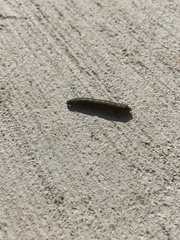
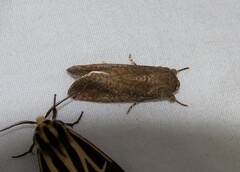
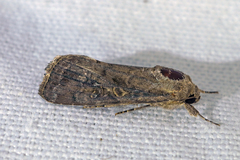
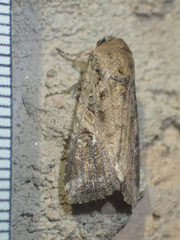
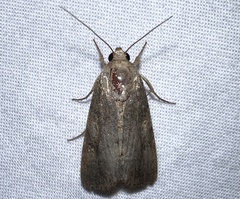
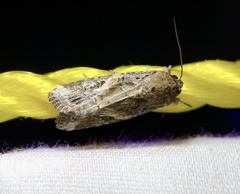
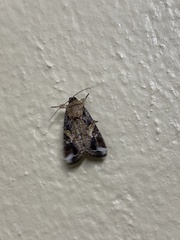
The fall armyworm (Spodoptera frugiperda) is a species in the order Lepidoptera and one of the species of the fall armyworm moths distinguished by their larval life stage. The term "armyworm" can refer to several species, often describing the large-scale invasive behavior of the species' larval stage. It is regarded as a pest and can damage and destroy a wide variety of crops, which causes large economic damage. Its scientific name derives from frugiperda, which is Latin for lost fruit, named because of the species' ability to destroy crops. Because of its propensity for destruction, the fall armyworm's habits and possibilities for crop protection have been studied in depth. It is also a notable case for studying sympatric speciation, as it appears to be diverging into two species currently. Another remarkable trait of the larva is that they consistently practice cannibalism, despite its fitness costs.
The fall armyworm is active at a different time of year from the true armyworm, another species in the order Lepidoptera and family Noctuidae, but of the genus Mythimna. Outbreaks of the true armyworm usually occur during the early part of the summer; the fall armyworm does most damage in the late summer in the southern part of the United States, and early fall in the northern regions.
...Spodoptera frugiperda in languages:
- Chinese
- 秋行軍蟲
- Chinese
- 草地貪夜蛾
- English
- Fall Armyworm
- English
- Fall Armyworm Moth
- German
- Herbst-Heerwurm
- Japanese
- ツマジロクサヨトウ
- Portuguese
- Lagarta-do-cartucho
- Portuguese
- lagarta-militar
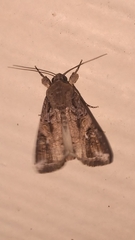
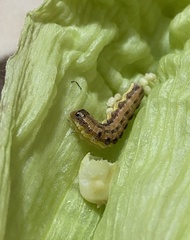
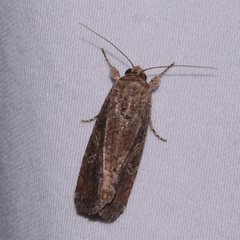
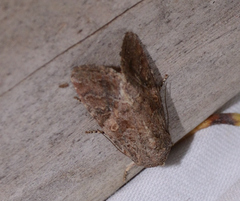
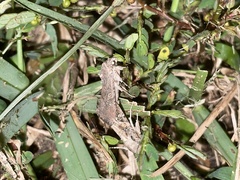
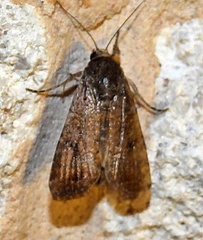
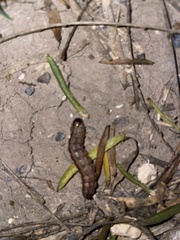
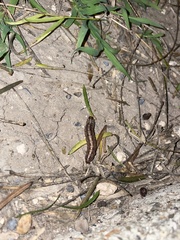
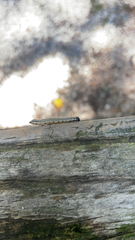
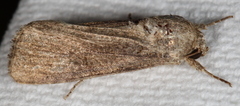
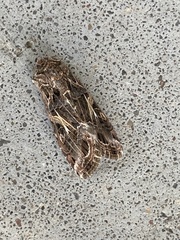
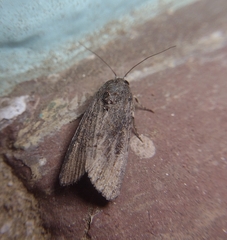
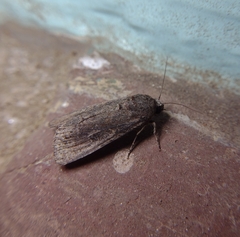
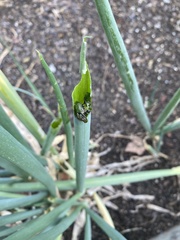
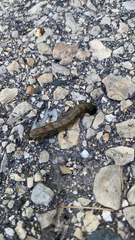
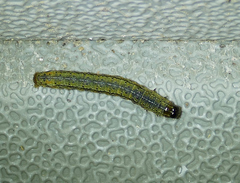
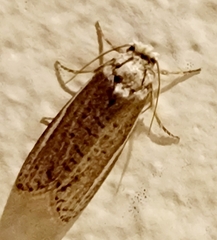
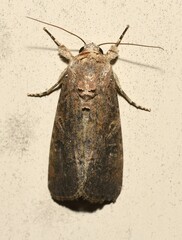
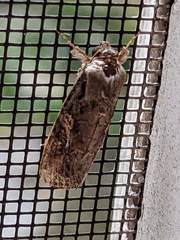
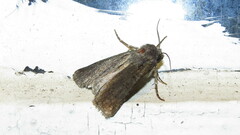
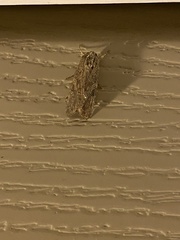
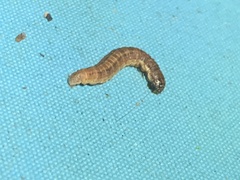
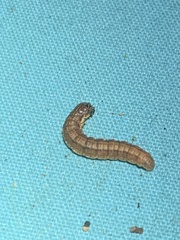
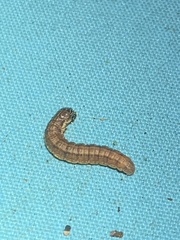
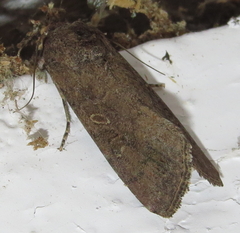
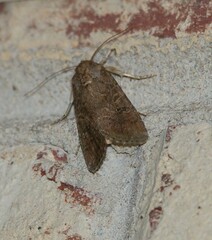
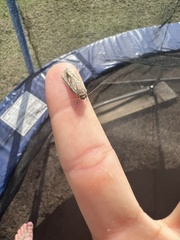
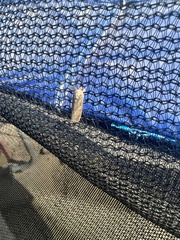
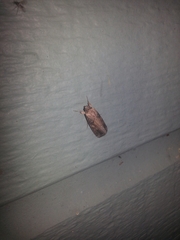
Images from inaturalist.org observations:
We recommend you sign up for this excellent, free service.
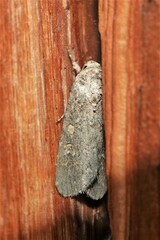
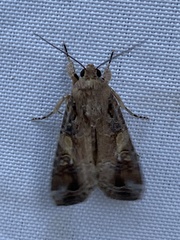
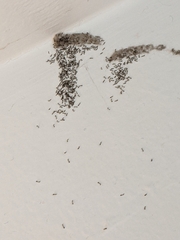
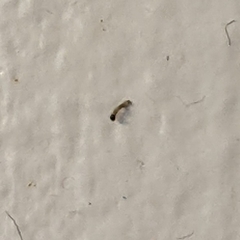
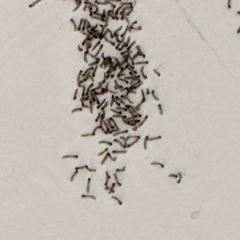
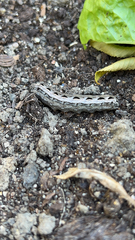
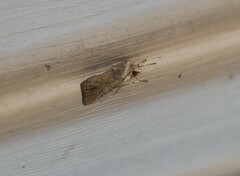
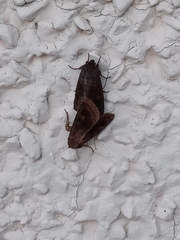
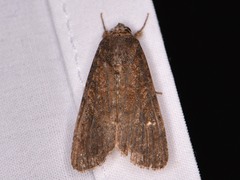
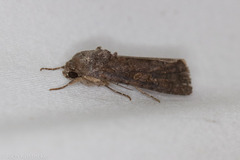
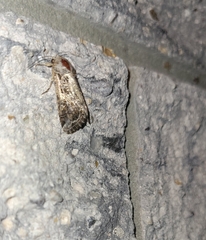
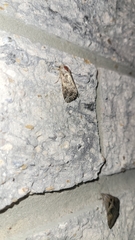
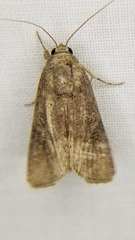
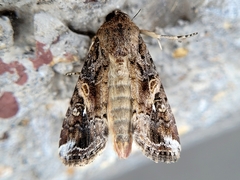
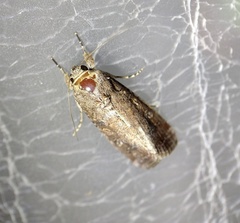
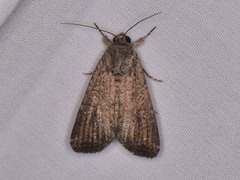
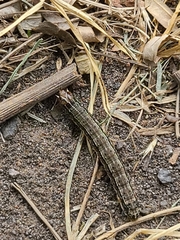
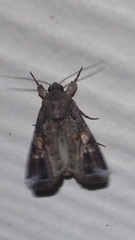
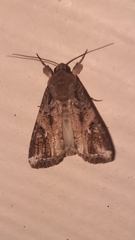
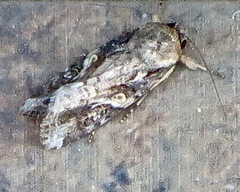
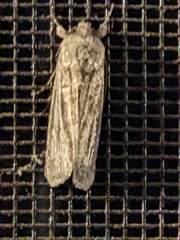
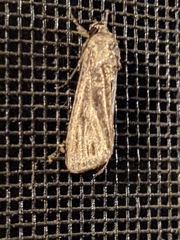
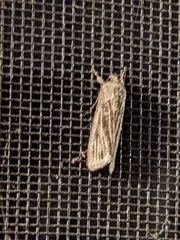
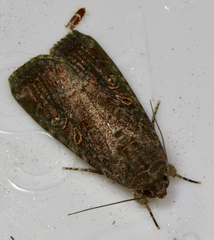
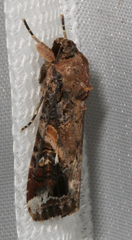
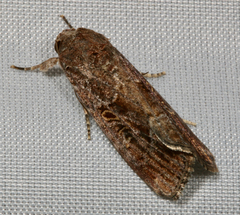
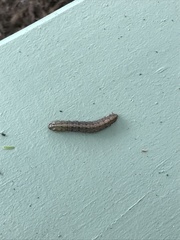
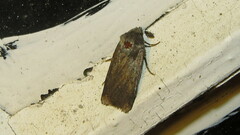
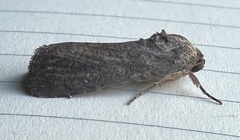
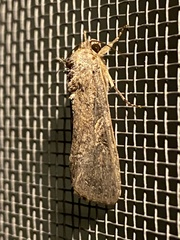
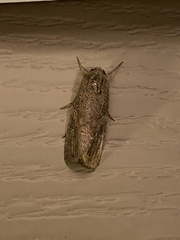
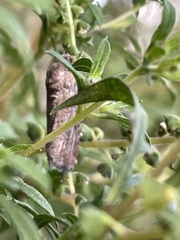
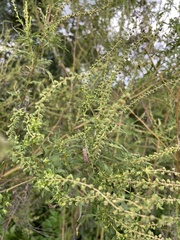
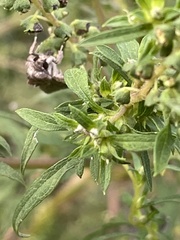
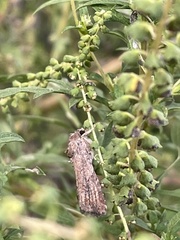
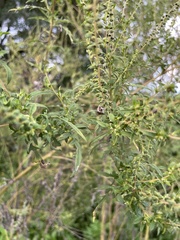
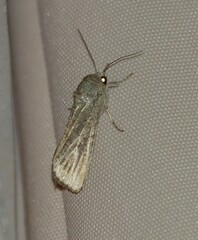
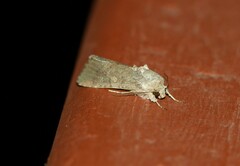
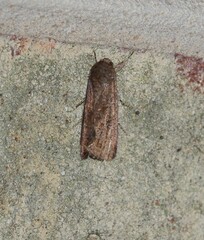
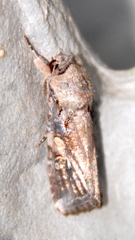
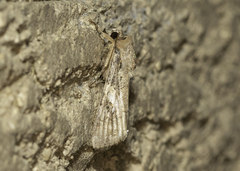
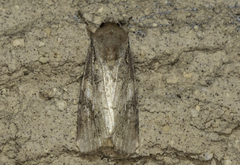
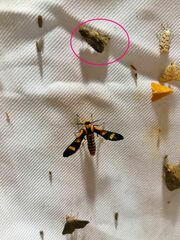
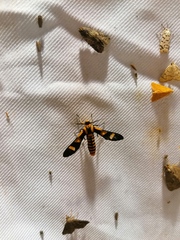
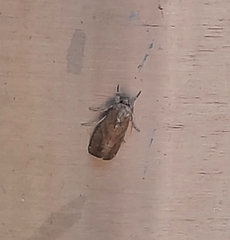
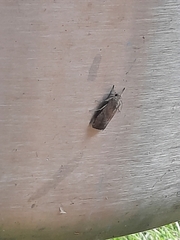
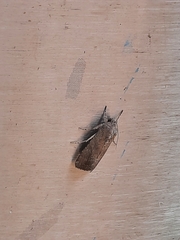
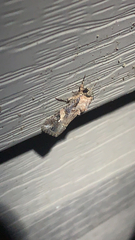
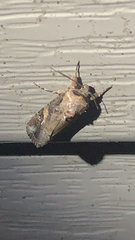
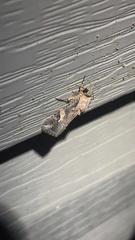
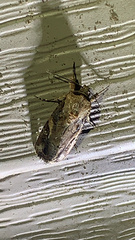
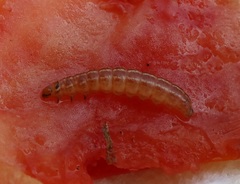
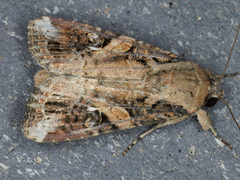
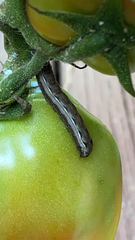
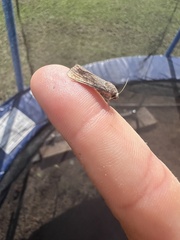
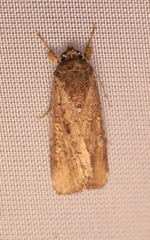
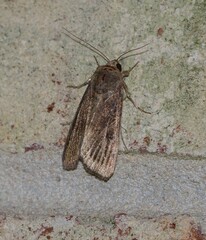
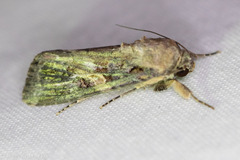
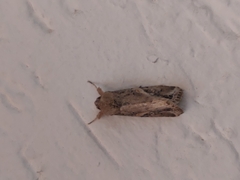
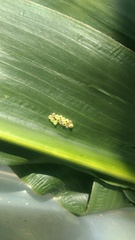
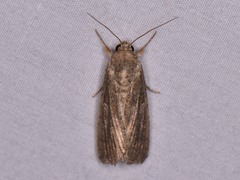
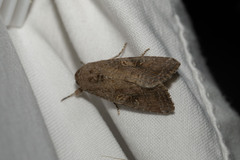
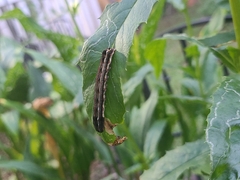
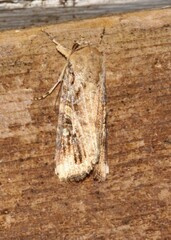
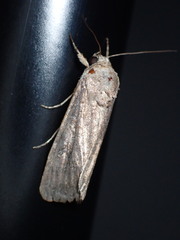
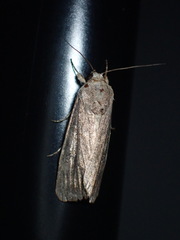
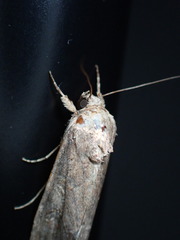
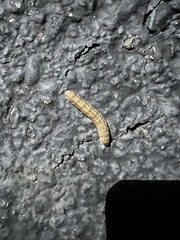
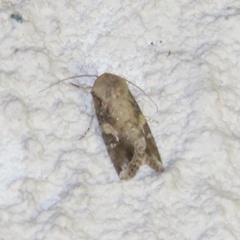
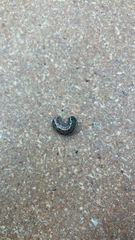
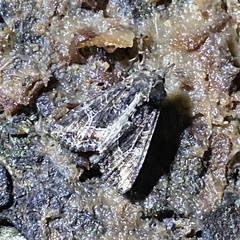
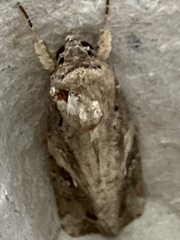
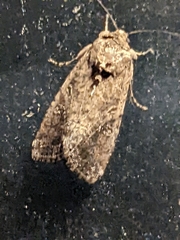
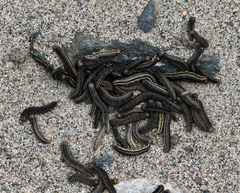
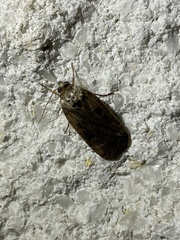
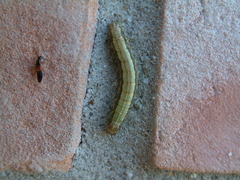
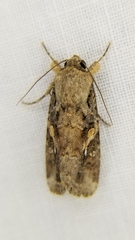
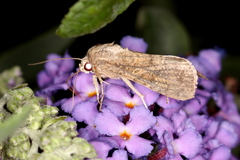
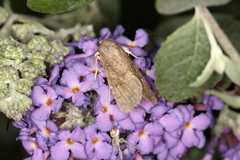
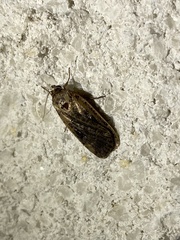
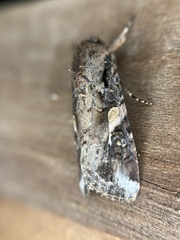
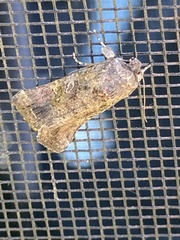
Parent Taxon
Sibling Taxa
- Spodoptera albula
- Spodoptera androgea
- Spodoptera apertura
- Spodoptera cilium
- Spodoptera connexa
- Spodoptera cosmioides
- Spodoptera depravata
- Spodoptera descoinsi
- Spodoptera dolichos
- Spodoptera eridania
- Spodoptera excelsa
- Spodoptera exempta
- Spodoptera exigua
- Spodoptera frugiperda
- Spodoptera hipparis
- Spodoptera latifascia
- Spodoptera leucophlebia
- Spodoptera littoralis
- Spodoptera litura
- Spodoptera malagasy
- Spodoptera marima
- Spodoptera mauritia
- Spodoptera ochrea
- Spodoptera ornithogalli
- Spodoptera pecten
- Spodoptera pectinicornis
- Spodoptera peruviana
- Spodoptera picta
- Spodoptera praefica
- Spodoptera pulchella
- Spodoptera retina
- Spodoptera roseae
- Spodoptera sunia
- Spodoptera teferii
- Spodoptera triturata
- Spodoptera umbraculata
Top Observation Places
- Akron
- Coconut Creek
- Amherst
- São Paulo
- Jardim Paulista
- Springdale
- Hollywood
- Universal City
- Bowling Green
- Kettering
- College Station
- Bryan
- Kendall
- Largo
- Harlingen
- Tlalpan
- Cambridge
- Richmond
- League City
- Toronto
- Waterfront Communities-The Island
- Brooklyn
- Queens
- Manhattan
- Jamaica
- East Flatbush
- East New York
- Washington Heights
- Astoria
- Harlem
- East Harlem
- Elmhurst
- Bushwick
- Corona
- Richmond Hill
- Flatbush
- Canarsie
- South Ozone Park
- Brownsville
- Ridgewood
- Forest Hills
- Jackson Heights
- Park Slope
- Flatlands
- East Village
- Morningside Heights
- Cypress Hills
- Ozone Park
- Briarwood
- Mott Haven