Squamata: taxon details and analytics
- Domain
- Kingdom
- Animalia
- Phylum
- Chordata
- Class
- Reptilia
- Order
- Squamata
- Family
- Genus
- Species
- Scientific Name
- Squamata
Summary description from Wikipedia:
Squamata
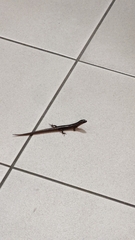
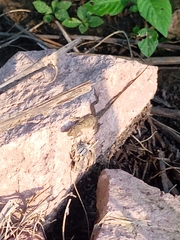
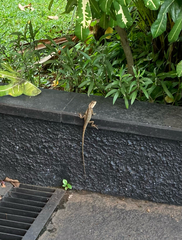
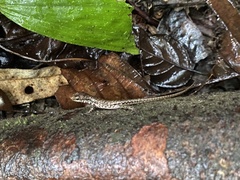
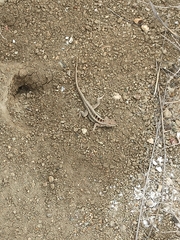
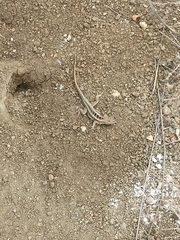
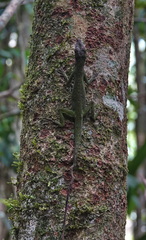
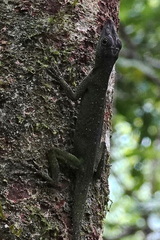
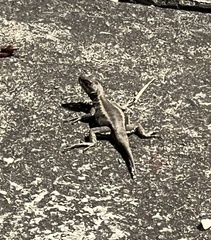
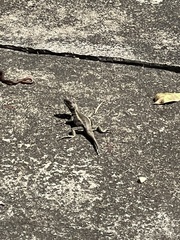
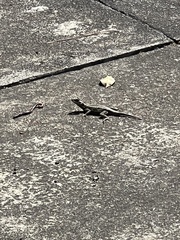
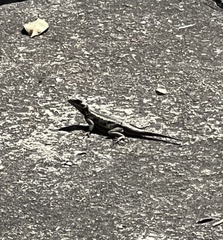
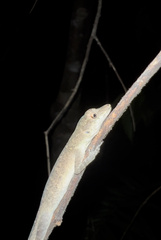
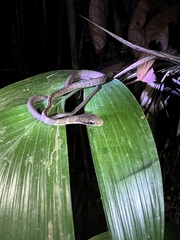
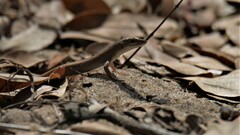
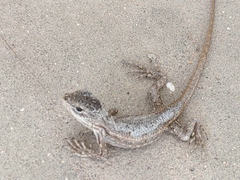
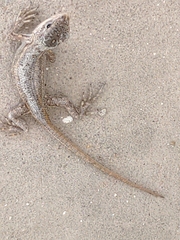
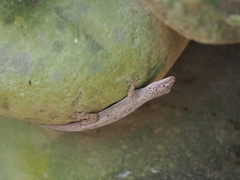
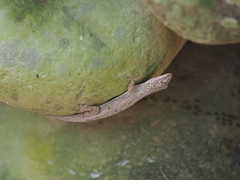
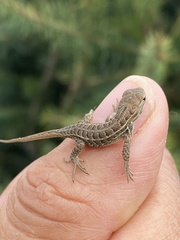
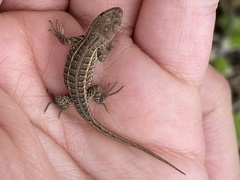
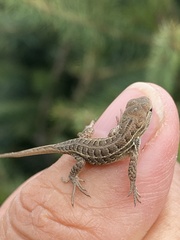
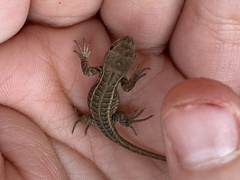
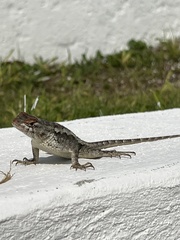
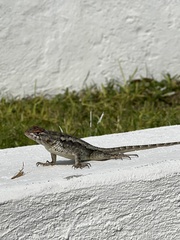
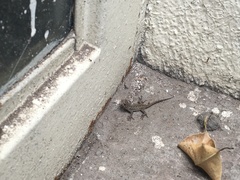
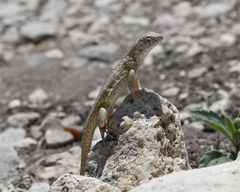
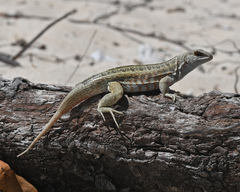
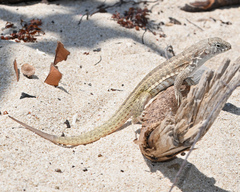
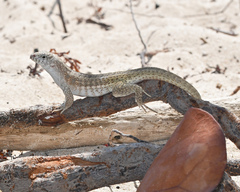
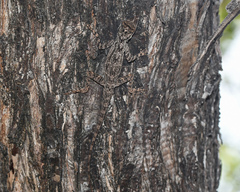
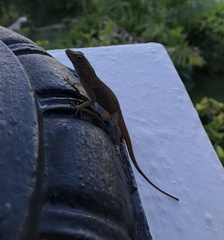
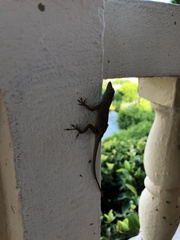
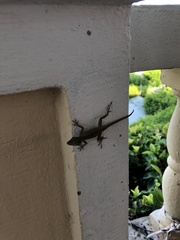
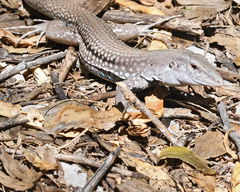
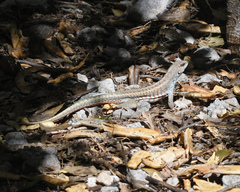
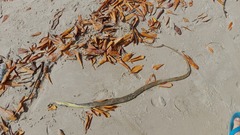
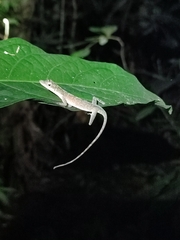
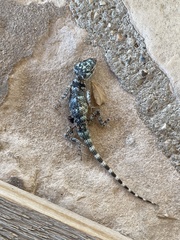
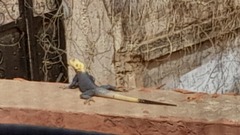
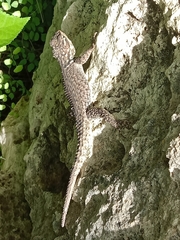
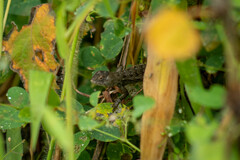
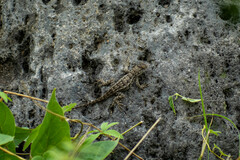
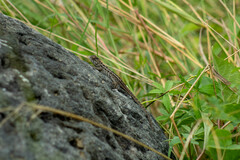
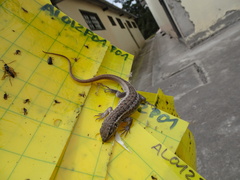
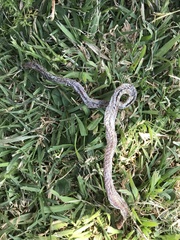
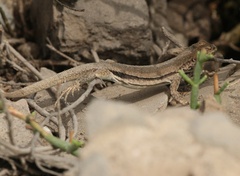
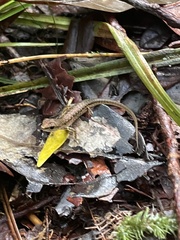
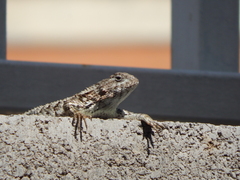
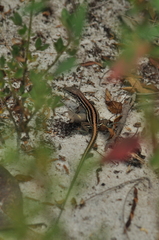
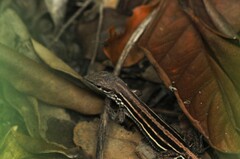
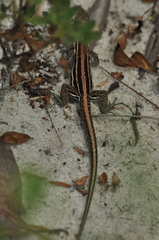
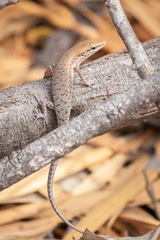
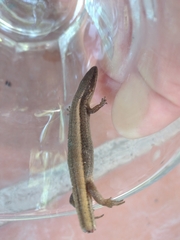
Squamata (, Latin squamatus, 'scaly, having scales') is the largest order of reptiles; most members are commonly known as lizards, with the group also including snakes. With over 11,991 species, it is also the second-largest order of extant (living) vertebrates, after the perciform fish. Squamates are distinguished by their skins, which bear horny scales or shields, and periodically undergo molting. They also possess movable quadrate bones, making possible movement of the upper jaw relative to the neurocranium. This is particularly visible in snakes, which are able to open their mouths very widely to accommodate comparatively large prey. Squamates are the most variably sized living reptiles, ranging from the 16 mm (0.63 in) dwarf gecko (Sphaerodactylus ariasae) to the 6.5 m (21 ft) reticulated python (Malayopython reticulatus). The extinct mosasaurs reached lengths over 14 m (46 ft).
Among other reptiles, squamates are most closely related to the tuatara, the last surviving member of the once diverse Rhynchocephalia, with both groups being placed in the superorder Lepidosauria.
...Squamata in languages:
- Afrikaans
- Skubreptiele
- Arabic
- حرشفيات
- Arabic
- ثعابين وسحالي
- Belarusian
- Лускаватыя
- Bokmål
- Skjellreptiler
- Bulgarian
- Люспести
- Catalan
- Escatosos
- Chinese
- 有鱗目
- Croatian
- Ljuskaši
- Czech
- šupinatí
- Danish
- Slanger og øgler
- Dutch
- Schubreptielen
- Dutch
- Hagedissen, Slangen en Wormhagedissen
- English
- Lizards and Snakes
- English
- Squamates
- English
- Lizards, Snakes, and Amphisbaenians
- English
- Snakes and Lizards
- Esperanto
- Lacertoj kaj Serpentoj
- Estonian
- Soomuselised
- French
- Squamates
- German
- Eidechsen & Schlangen
- German
- Schuppenkriechtiere
- Hebrew
- קשקשאים
- Hungarian
- pikkelyes hüllők
- Indonesian
- Kadal dan Ular
- Italian
- Squamati
- Japanese
- 有鱗目
- Korean
- 뱀목
- Korean
- 유린목
- Lithuanian
- Žvynaropliai
- Luxembourgish
- Schuppereptiller
- Modern Greek
- Λεπιδωτά
- Modern Greek
- Φολιδωτά
- Polish
- Łuskonośne
- Portuguese
- Serpentes e Lagartos
- Portuguese
- Escamados
- Russian
- Чешуйчатые
- Sinhala
- ශල්කමය උරගයින්
- Swedish
- fjällbärande kräldjur
- Thai
- กิ้งก่า งู ฯลฯ
- Turkish
- Yılanlar ve Kertenkeleler
- Ukrainian
- Лускаті
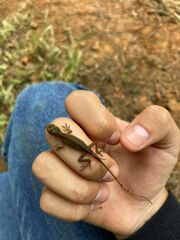
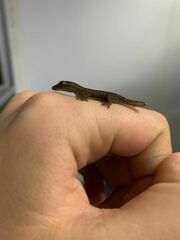
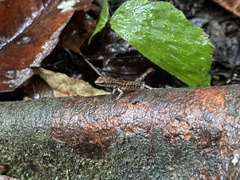
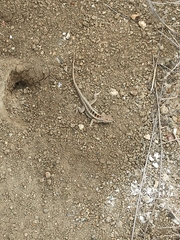
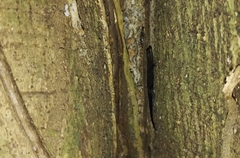
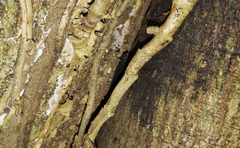
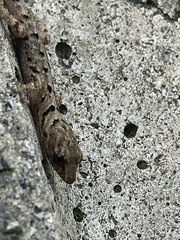
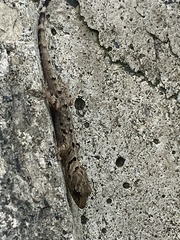
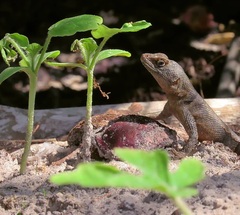
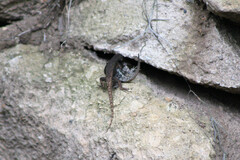
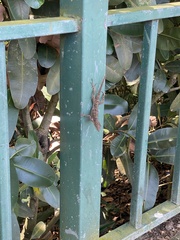
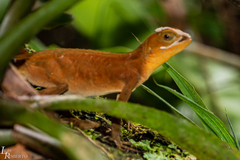
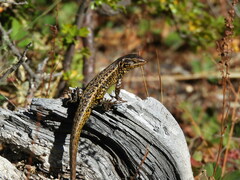
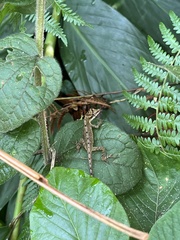
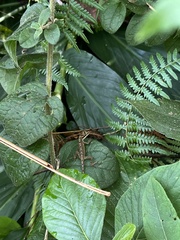
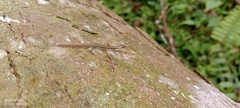
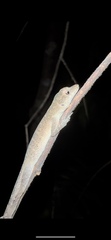
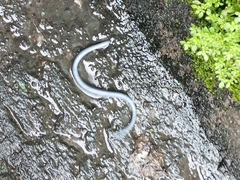
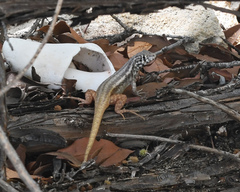
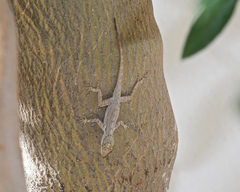
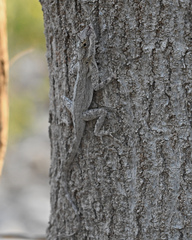
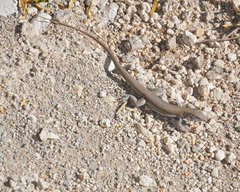
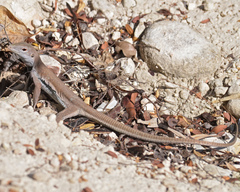
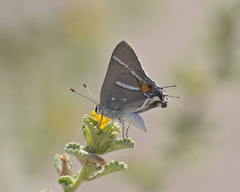
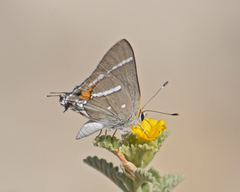
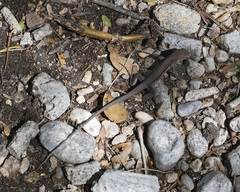
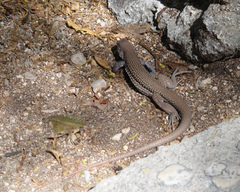
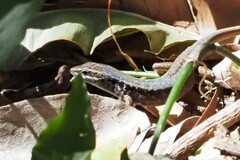
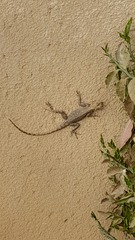
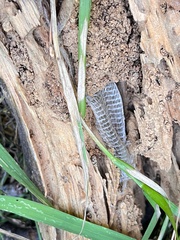
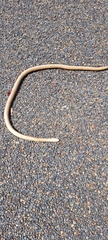
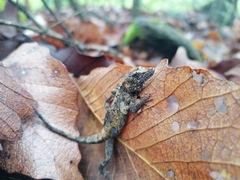
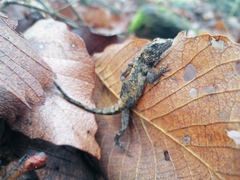
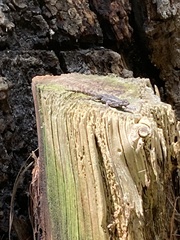
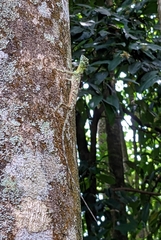
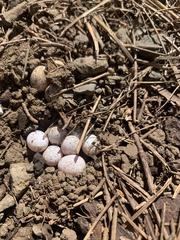
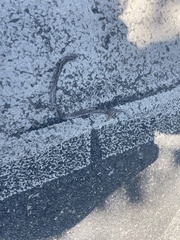
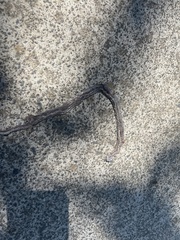
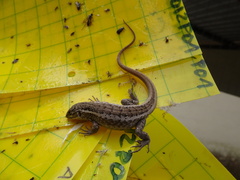
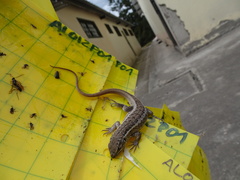
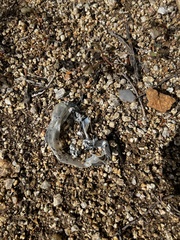
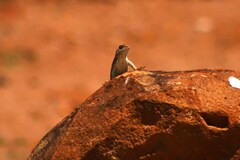
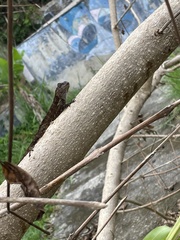
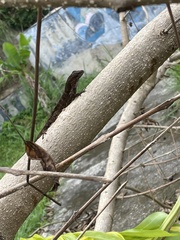
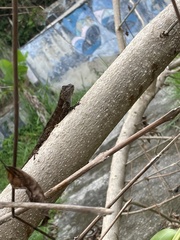
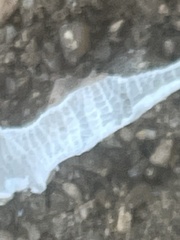
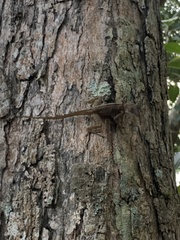
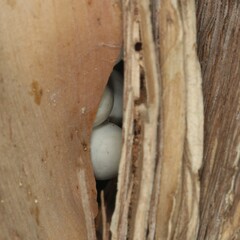
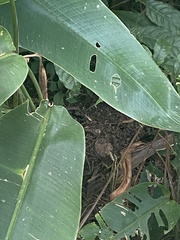
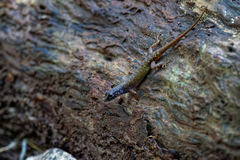
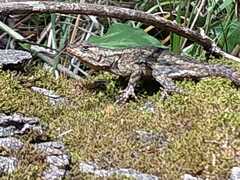
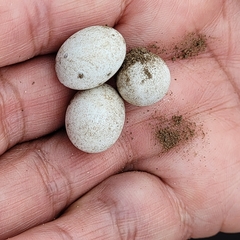
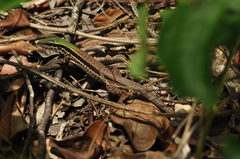
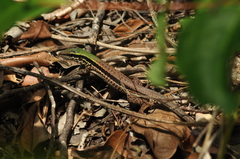
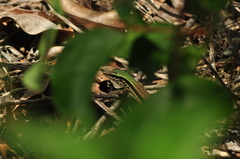
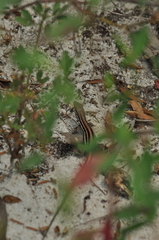
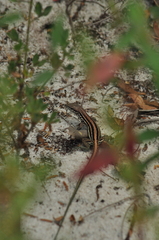
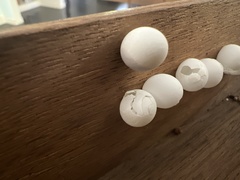
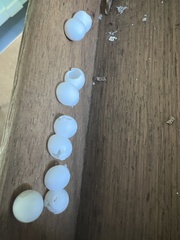
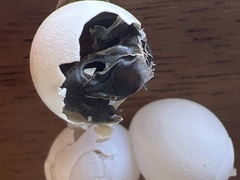
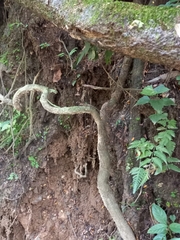
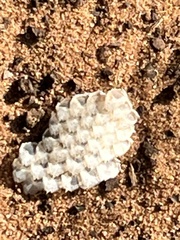
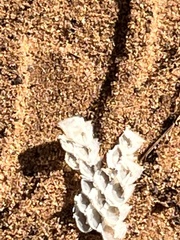
Images from inaturalist.org observations:
We recommend you sign up for this excellent, free service.