Stylidium austrocapense: taxon details and analytics
- Domain
- Kingdom
- Plantae
- Phylum
- Tracheophyta
- Class
- Magnoliopsida
- Order
- Asterales
- Family
- Stylidiaceae
- Genus
- Stylidium
- Species
- Stylidium austrocapense
- Scientific Name
- Stylidium austrocapense
Summary description from Wikipedia:
Stylidium austrocapense
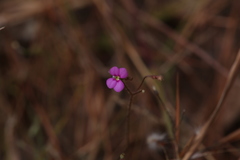
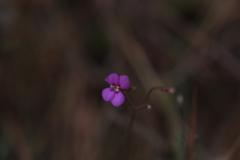
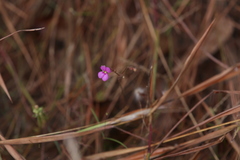
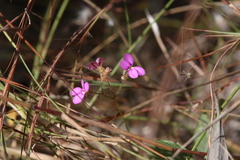
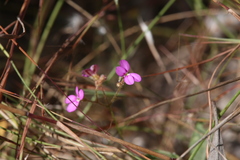
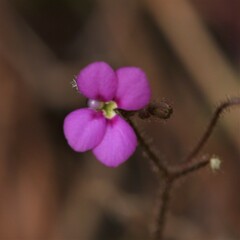
Stylidium austrocapense is a dicotyledonous plant in the family Stylidiaceae. The specific epithet austrocapense refers to this species' native range on the southern part of Cape York Peninsula in Australia. It is an herbaceous annual plant that grows from 9 to 18 cm tall. Oblanceolate or elliptical leaves, about 4-40 per plant, form a basal rosette with stems absent. The leaves are generally 7.5–31 mm long and 2–10 mm wide. This species produces 1-10 scapes per plant that are glandular-hairy. Inflorescences are 9–18 cm long and produce pink or red flowers that bloom from April to July in their native range. S. austrocapense is endemic to the Cape York Peninsula in Queensland, Australia. Its typical habitat has been reported as coarse white sandy soils on low hills or intermittent watercourses. Dominant vegetation in association with its habitat include Eucalyptus tetrodonta, E. clarksoniana, Melaleuca viridiflora, M. nervosa, and Xanthorrhoea johnsonii. S. austrocapense is most closely related to S. multiscapum, but differs by the shorter leaves and absent paracorolla. Its conservation status has been assessed as secure.
...Images from inaturalist.org observations:
We recommend you sign up for this excellent, free service.
Parent Taxon
Sibling Taxa
- Stylidium accedens
- Stylidium aceratum
- Stylidium acuminatum
- Stylidium adenophorum
- Stylidium adnatum
- Stylidium adpressum
- Stylidium aeonioides
- Stylidium affine
- Stylidium albolilacinum
- Stylidium albomontis
- Stylidium alsinoides
- Stylidium amabile
- Stylidium amoenum
- Stylidium amphora
- Stylidium androsaceum
- Stylidium angustifolium
- Stylidium applanatum
- Stylidium aquaticum
- Stylidium araeophyllum
- Stylidium arenicola
- Stylidium armeria
- Stylidium articulatum
- Stylidium assimile
- Stylidium asteroideum
- Stylidium asymmetricum
- Stylidium austrocapense
- Stylidium barleei
- Stylidium barrettiorum
- Stylidium beaugleholei
- Stylidium bellum
- Stylidium bindoon
- Stylidium breviscapum
- Stylidium brunonianum
- Stylidium bulbiferum
- Stylidium burbidgeanum
- Stylidium caespitosum
- Stylidium calcaratum
- Stylidium candelabrum
- Stylidium capillare
- Stylidium caricifolium
- Stylidium carlquistii
- Stylidium carnosum
- Stylidium centrolepoides
- Stylidium ceratophorum
- Stylidium chiddarcoopingense
- Stylidium choreanthum
- Stylidium ciliatum
- Stylidium cilium
- Stylidium clarksonii
- Stylidium clavatum
- Stylidium claytonioides
- Stylidium coatesianum
- Stylidium confertum
- Stylidium confluens
- Stylidium cordifolium
- Stylidium cornuatum
- Stylidium coroniforme
- Stylidium corymbosum
- Stylidium costulatum
- Stylidium crassifolium
- Stylidium crossocephalum
- Stylidium cygnorum
- Stylidium cymiferum
- Stylidium daphne
- Stylidium darwinii
- Stylidium debile
- Stylidium decipiens
- Stylidium delicatum
- Stylidium desertorum
- Stylidium despectum
- Stylidium diademum
- Stylidium diceratum
- Stylidium dichotomum
- Stylidium dielsianum
- Stylidium diffusum
- Stylidium diplectroglossum
- Stylidium diplotrichum
- Stylidium dispermum
- Stylidium diuroides
- Stylidium divaricatum
- Stylidium divergens
- Stylidium diversifolium
- Stylidium drummondianum
- Stylidium dunlopianum
- Stylidium ecorne
- Stylidium edentatum
- Stylidium eglandulosum
- Stylidium elachophyllum
- Stylidium elongatum
- Stylidium emarginatum
- Stylidium ensatum
- Stylidium eriopodum
- Stylidium eriorhizum
- Stylidium exappendiculatum
- Stylidium exiguum
- Stylidium expeditionis
- Stylidium falcatum
- Stylidium fasciculatum
- Stylidium ferricola
- Stylidium fimbriatum
- Stylidium fissilobum
- Stylidium flagellum
- Stylidium floodii
- Stylidium floribundum
- Stylidium fluminense
- Stylidium foveolatum
- Stylidium galioides
- Stylidium glabrifolium
- Stylidium glandulosissimum
- Stylidium glandulosum
- Stylidium glaucum
- Stylidium gloeophyllum
- Stylidium graminifolium
- Stylidium guttatum
- Stylidium hesperium
- Stylidium hirsutum
- Stylidium hispidum
- Stylidium hortiorum
- Stylidium humphreysii
- Stylidium hygrophilum
- Stylidium hymenocraspedum
- Stylidium imbricatum
- Stylidium inaequipetalum
- Stylidium inconspicuum
- Stylidium induratum
- Stylidium insensitivum
- Stylidium inundatum
- Stylidium inversiflorum
- Stylidium involucratum
- Stylidium ireneae
- Stylidium junceum
- Stylidium kalbarriense
- Stylidium keigheryi
- Stylidium korijekup
- Stylidium laciniatum
- Stylidium laricifolium
- Stylidium lateriticola
- Stylidium latrodectus
- Stylidium leeuwinense
- Stylidium leiophyllum
- Stylidium lepidum
- Stylidium leptocalyx
- Stylidium leptophyllum
- Stylidium leptorrhizum
- Stylidium limbatum
- Stylidium lineare
- Stylidium lineatum
- Stylidium lithophilum
- Stylidium lobuliflorum
- Stylidium longibracteatum
- Stylidium longicornu
- Stylidium longissimum
- Stylidium longitubum
- Stylidium lowrieanum
- Stylidium luteum
- Stylidium macranthum
- Stylidium maitlandianum
- Stylidium maritimum
- Stylidium marradongense
- Stylidium megacarpum
- Stylidium merrallii
- Stylidium milleri
- Stylidium miniatum
- Stylidium montanum
- Stylidium monticola
- Stylidium mucronatum
- Stylidium multiscapum
- Stylidium muscicola
- Stylidium neglectum
- Stylidium neurophyllum
- Stylidium nitidum
- Stylidium nominatum
- Stylidium nonscandens
- Stylidium notabile
- Stylidium nungarinense
- Stylidium nymphaeum
- Stylidium obtusatum
- Stylidium oreophilum
- Stylidium ornatum
- Stylidium osculum
- Stylidium oviflorum
- Stylidium pachyrrhizum
- Stylidium paludicola
- Stylidium paniculatum
- Stylidium paulineae
- Stylidium pedunculatum
- Stylidium pendulum
- Stylidium periscelianthum
- Stylidium perizostera
- Stylidium perplexum
- Stylidium perpusillum
- Stylidium perula
- Stylidium petiolare
- Stylidium piliferum
- Stylidium pilosum
- Stylidium pindanicum
- Stylidium pingrupense
- Stylidium planirosula
- Stylidium plantagineum
- Stylidium ponticulus
- Stylidium preissii
- Stylidium pritzelianum
- Stylidium productum
- Stylidium prophyllum
- Stylidium pseudocaespitosum
- Stylidium pseudohirsutum
- Stylidium pseudosacculatum
- Stylidium pubigerum
- Stylidium pulchellum
- Stylidium pulviniforme
- Stylidium purpureum
- Stylidium pycnostachyum
- Stylidium pygmaeum
- Stylidium ramosissimum
- Stylidium recurvum
- Stylidium repens
- Stylidium rhipidium
- Stylidium rhynchocarpum
- Stylidium ricae
- Stylidium rigidulum
- Stylidium rivulosum
- Stylidium roseonanum
- Stylidium rosulatum
- Stylidium rotundifolium
- Stylidium rubricalyx
- Stylidium rubriscapum
- Stylidium rupestre
- Stylidium sacculatum
- Stylidium saintpaulioides
- Stylidium salmoneum
- Stylidium scabridum
- Stylidium scandens
- Stylidium scariosum
- Stylidium schizanthum
- Stylidium schoenoides
- Stylidium scintillans
- Stylidium sejunctum
- Stylidium semaphorum
- Stylidium semipartitum
- Stylidium septentrionale
- Stylidium shepherdianum
- Stylidium simulans
- Stylidium soboliferum
- Stylidium spathulatum
- Stylidium spiciforme
- Stylidium spinulosum
- Stylidium squamellosum
- Stylidium squamosotuberosum
- Stylidium stenophyllum
- Stylidium stenosepalum
- Stylidium striatum
- Stylidium strigosum
- Stylidium subulatum
- Stylidium symonii
- Stylidium tenellum
- Stylidium tenerrimum
- Stylidium tenerum
- Stylidium tenue
- Stylidium tenuicarpum
- Stylidium tepperianum
- Stylidium thesioides
- Stylidium thryonides
- Stylidium thylax
- Stylidium tinkeri
- Stylidium torticarpum
- Stylidium trichopodum
- Stylidium trudgenii
- Stylidium turbinatum
- Stylidium turleyae
- Stylidium tylosum
- Stylidium udusicola
- Stylidium uliginosum
- Stylidium uniflorum
- Stylidium utricularioides
- Stylidium validum
- Stylidium velleioides
- Stylidium verticillatum
- Stylidium vinosum
- Stylidium violaceum
- Stylidium warriedarense
- Stylidium weeliwolli
- Stylidium willingii
- Stylidium wilroyense
- Stylidium xanthellum
- Stylidium xanthopis
- Stylidium yilgarnense
- Stylidium zeicolor