Symphyotrichum lateriflorum: taxon details and analytics
- Domain
- Kingdom
- Plantae
- Phylum
- Tracheophyta
- Class
- Magnoliopsida
- Order
- Asterales
- Family
- Asteraceae
- Genus
- Symphyotrichum
- Species
- Symphyotrichum lateriflorum
- Scientific Name
- Symphyotrichum lateriflorum
Summary description from Wikipedia:
Symphyotrichum lateriflorum
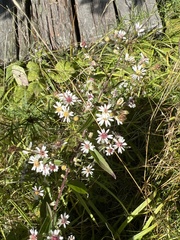
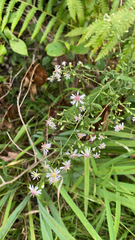
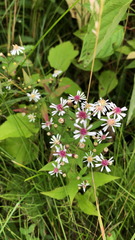
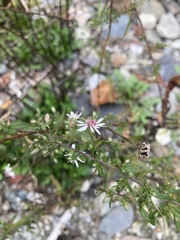
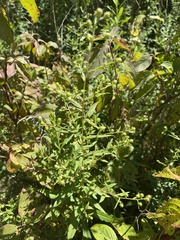
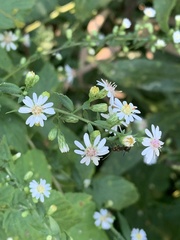
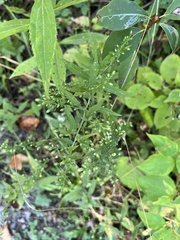
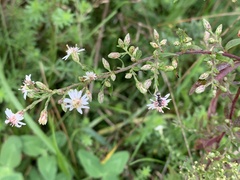
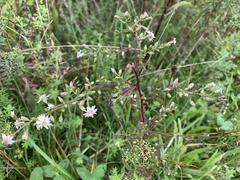
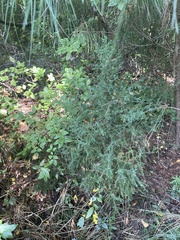
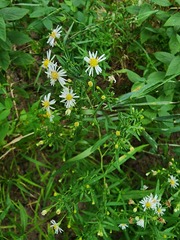
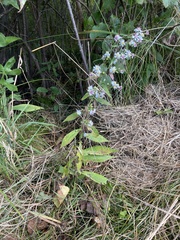
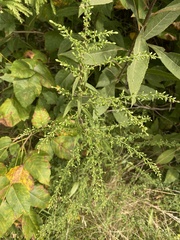
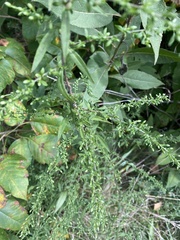
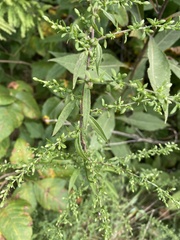
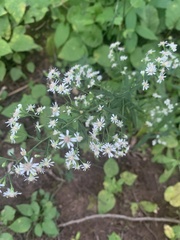
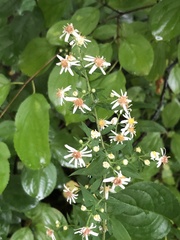
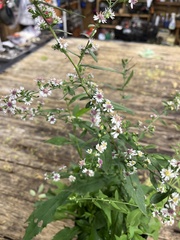
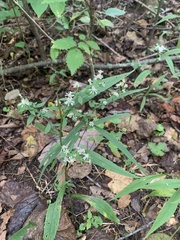
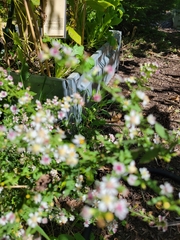
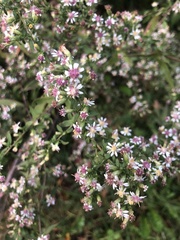
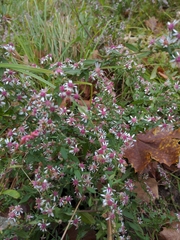
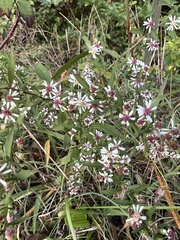
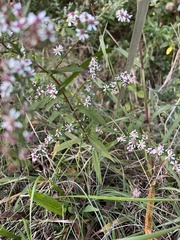
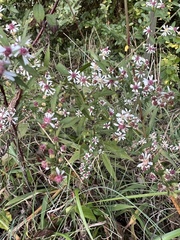
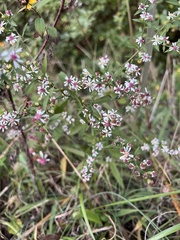
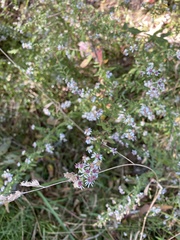
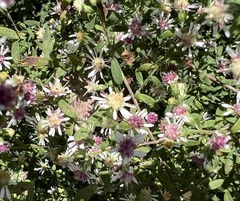
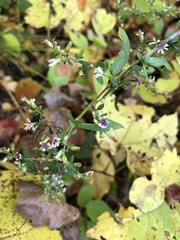
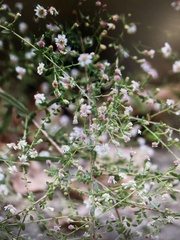
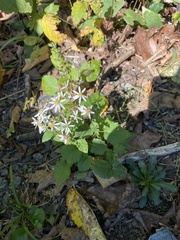
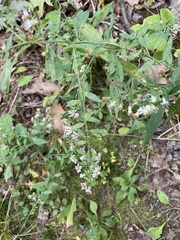
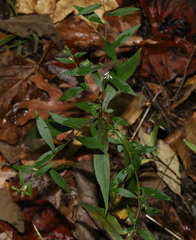
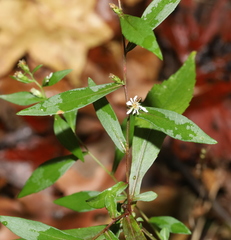
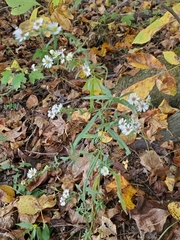
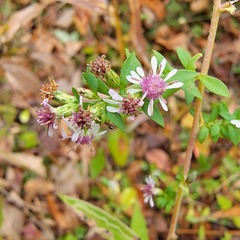
Symphyotrichum lateriflorum (formerly Aster lateriflorus) is a species of flowering plant in the aster family (Asteraceae). Commonly known as calico aster, starved aster, and white woodland aster, it is native to eastern and central North America. It is a perennial and herbaceous plant that may reach heights up to 120 centimeters (4 feet) and widths up to 30 centimeters (1 foot).
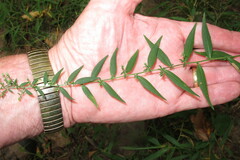
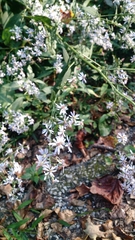
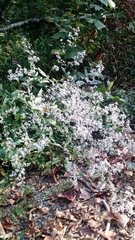
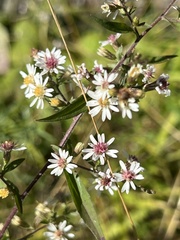
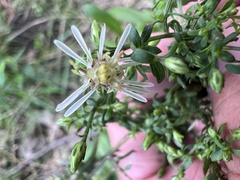
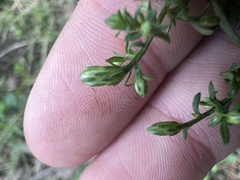
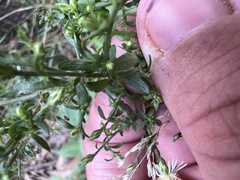
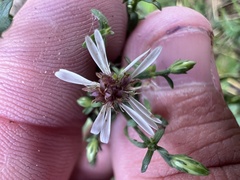
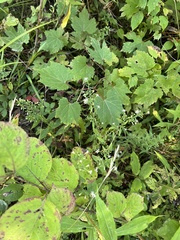
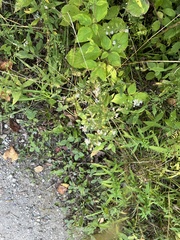
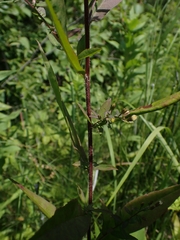
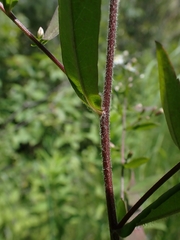
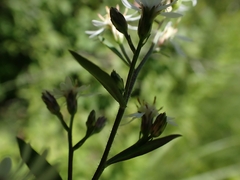
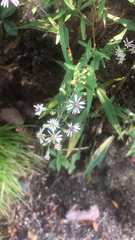
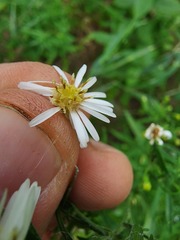
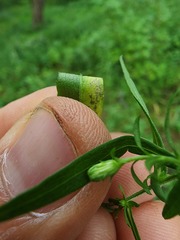
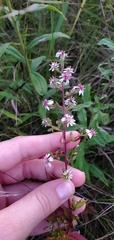
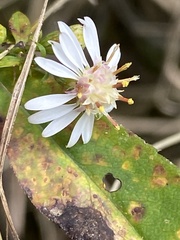
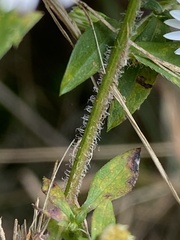
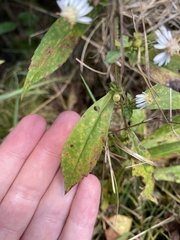
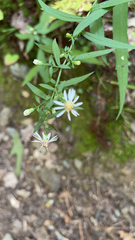
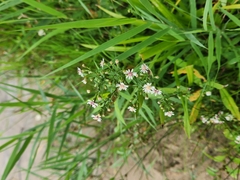
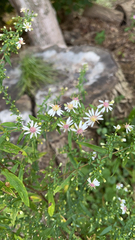
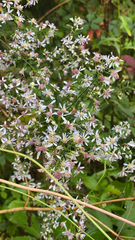
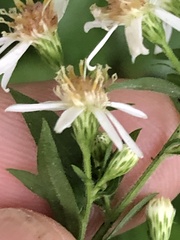
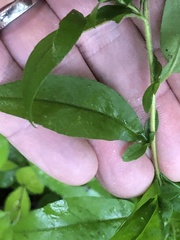
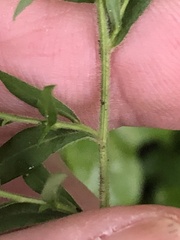
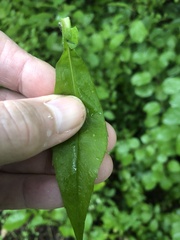
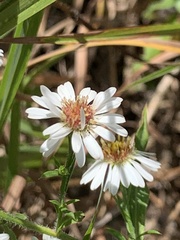
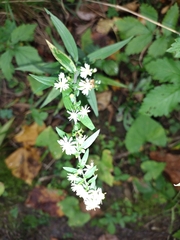
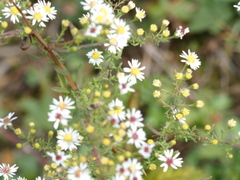
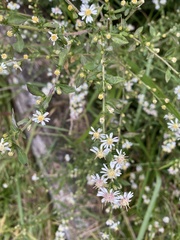
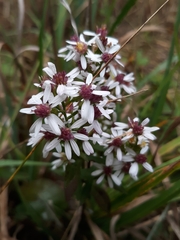
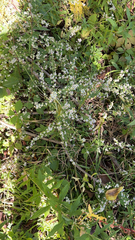
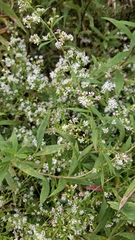
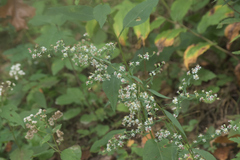
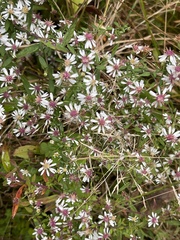
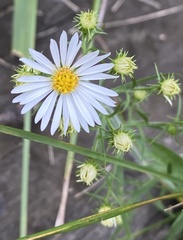
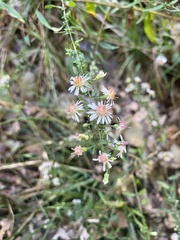
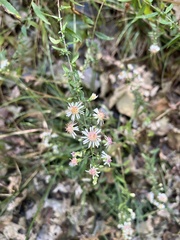
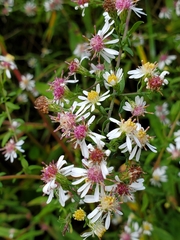
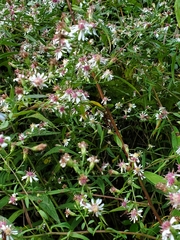
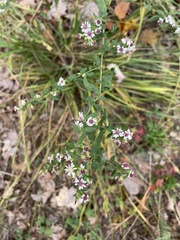
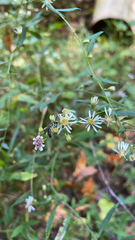
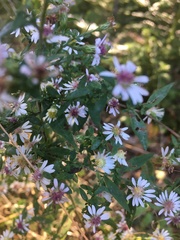
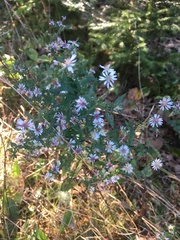
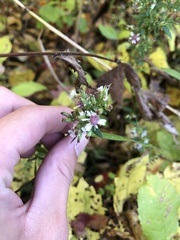
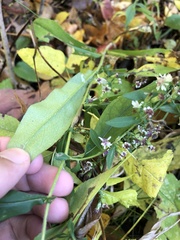
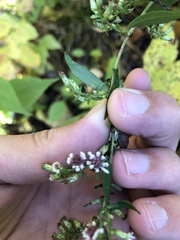
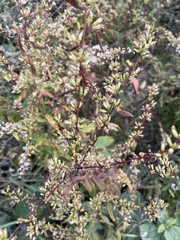
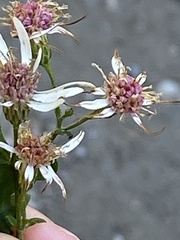
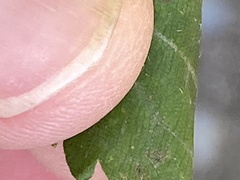
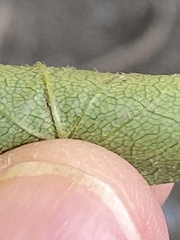
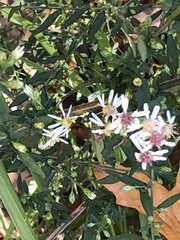
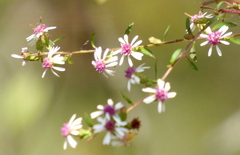
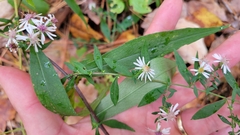
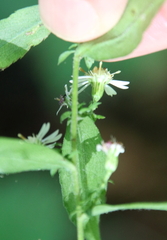
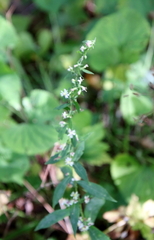
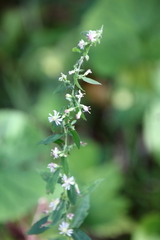
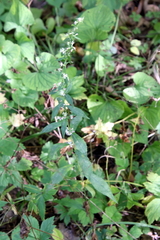
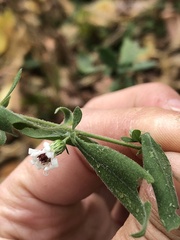
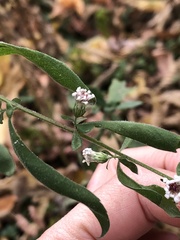
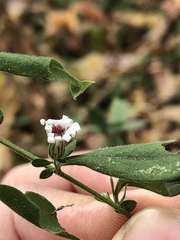
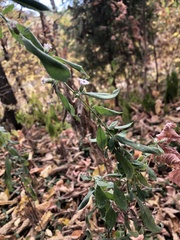
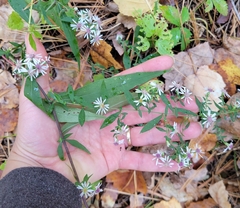
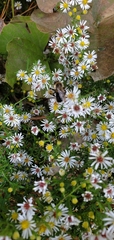
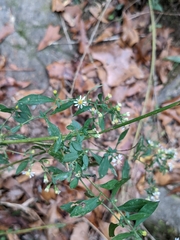
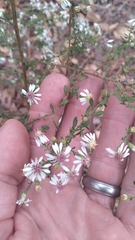
The flowers of calico aster are small compared to most Symphyotrichum species. They have an average of 7–15 short white ray florets, which are rarely tinted pink or purple. The flower centers, composed of disk florets, begin as cream to yellow and often become pink, purple, or brown as they mature. There are roughly 8–16 disk florets, each with five lobes that strongly reflex (bend backwards) when open. The mostly hairless leaves have a characteristic hairy midrib on their back faces, and branching is usually horizontal or in what can appear to be a zigzag pattern. Flower heads grow along one side of the branches and sometimes in clusters at the ends.
Symphyotrichum lateriflorum is a conservationally secure species and grows in a variety of habitats. It can be found throughout most of the eastern and east-central United States and Canada. There is also a native population in the state of Veracruz, Mexico. Its late-summer and fall appearing flowers are visited by small pollinators and nectar-seeking insects such as sweat bees, miner bees, and hoverflies. As well as occurring naturally in several varieties, S. lateriflorum has multiple cultivars and has been grown for at least 250 years in Europe. Some modern-day cultivars are 'Bleke Bet', 'Lady in Black', and 'Prince'. It has been used by Indigenous peoples of the Americas as a medicinal plant.
...Symphyotrichum lateriflorum in languages:
- English
- white woodland aster
- English
- calico aster
- French
- Aster calicot
- Lithuanian
- Vėlyvasis astrūnas
- Russian
- Астра бокоцветная
- Russian
- Симфиотрихум бокоцветный
Images from inaturalist.org observations:
We recommend you sign up for this excellent, free service.
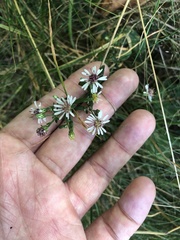
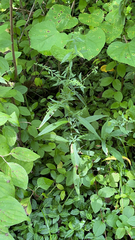
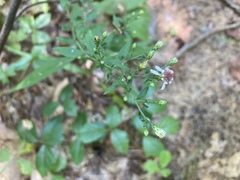
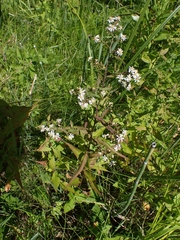
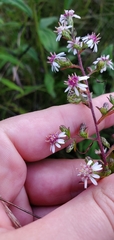
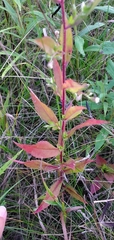
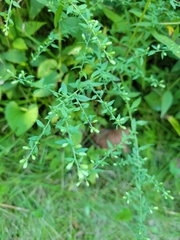
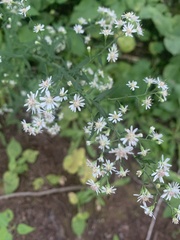
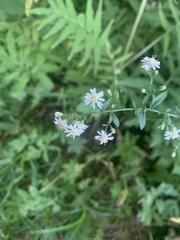
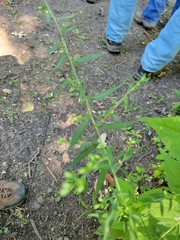
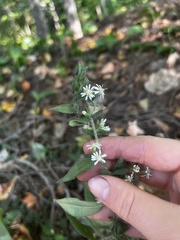
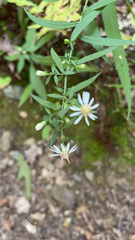
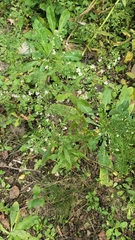
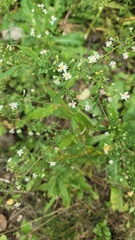
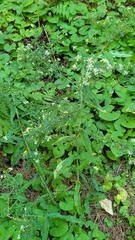
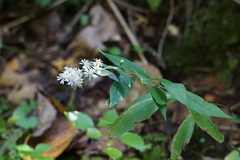
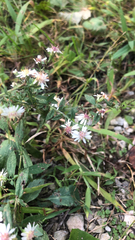
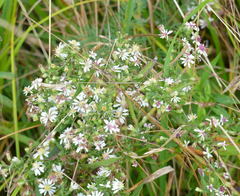
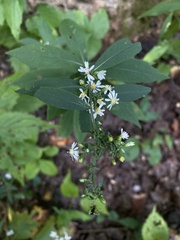
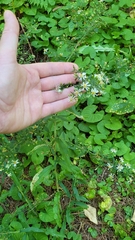
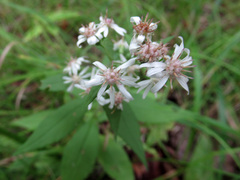
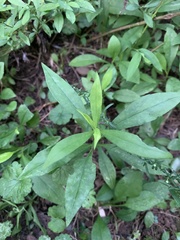
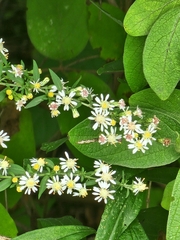
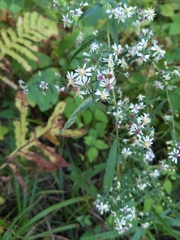
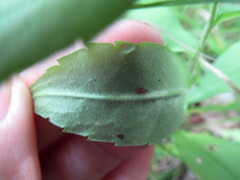
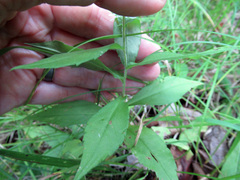
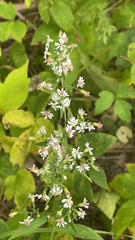
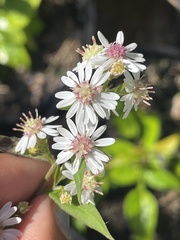
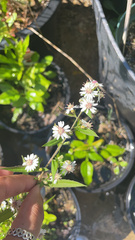
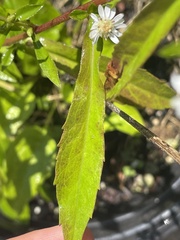
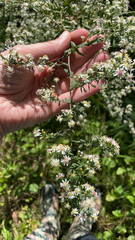
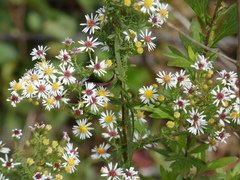
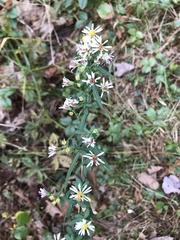
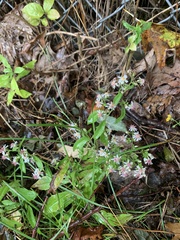
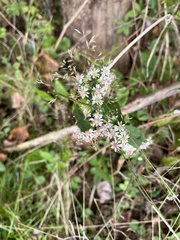
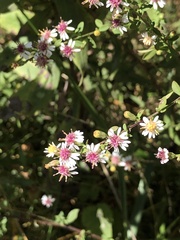
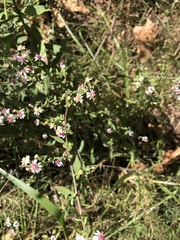
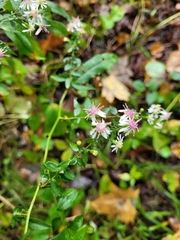
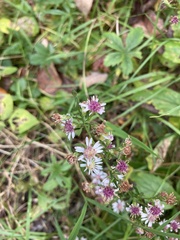
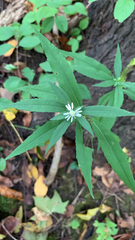
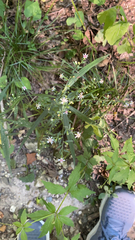
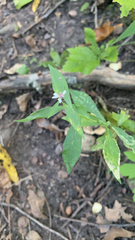
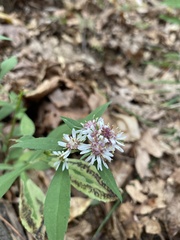
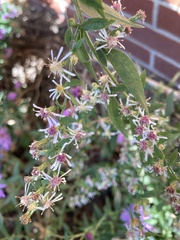
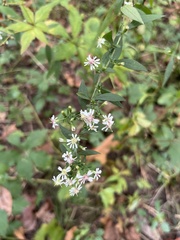
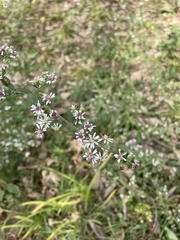
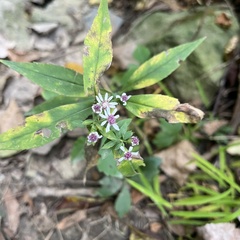
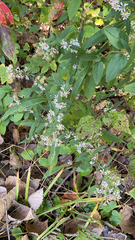
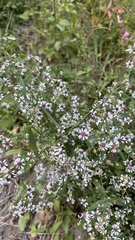
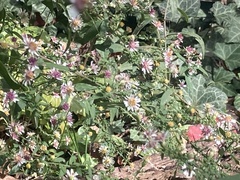
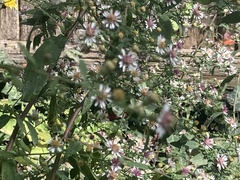
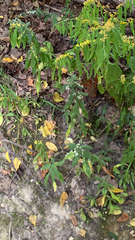
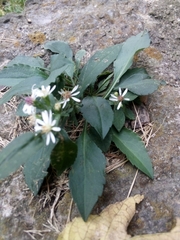
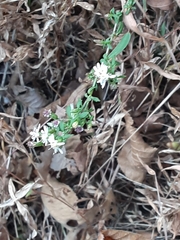
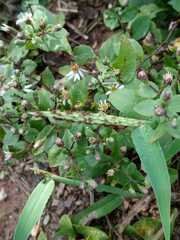
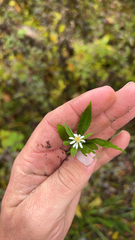
Parent Taxon
Sibling Taxa
- Symphyotrichum boreale
- Symphyotrichum bullatum
- Symphyotrichum burgessii
- Symphyotrichum carnerosanum
- Symphyotrichum dumosum
- Symphyotrichum eulae
- Symphyotrichum lanceolatum
- Symphyotrichum lateriflorum
- Symphyotrichum leone
- Symphyotrichum nahanniense
- Symphyotrichum ontarionis
- Symphyotrichum praealtum
- Symphyotrichum racemosum
- Symphyotrichum schaffneri
- Symphyotrichum simmondsii
- Symphyotrichum tradescantii
- Symphyotrichum welshii
Child Taxa
Top Observation Places
- Columbia
- Sault Ste. Marie
- New Haven
- Oshawa
- Sherbrooke
- Auburn
- Manchester
- Bensalem
- Athens
- Moncton
- Tallahassee
- Bloomington
- Québec
- Iowa City
- North Stamford
- Barrie
- Rochester
- Irondequoit
- Shelby
- Rochester Hills
- Nashua
- Hammond
- Chicago Lawn
- South Shore
- Reading
- Grand Rapids
- Wyoming
- Guelph
- Niagara Falls
- Sandy Springs
- Roswell
- Alpharetta
- Smyrna
- Brookhaven
- Fredericton
- Alief
- Sugar Land
- Missouri City
- Ellicott City
- Towson
- Albany
- West Albany
- Schenectady
- Asheville
- Minneapolis
- Bloomington
- Plymouth
- Maple Grove
- Eagan
- Burnsville