Syrphidae: taxon details and analytics
- Domain
- Kingdom
- Animalia
- Phylum
- Arthropoda
- Class
- Insecta
- Order
- Diptera
- Family
- Syrphidae
- Genus
- Species
- Scientific Name
- Syrphidae
Summary description from Wikipedia:
Hover fly
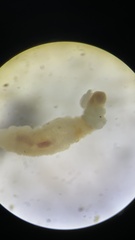
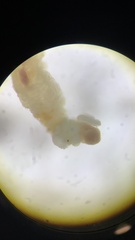
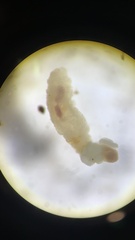
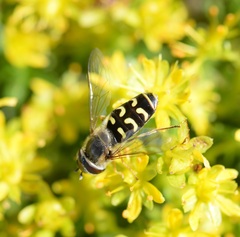
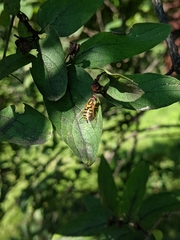
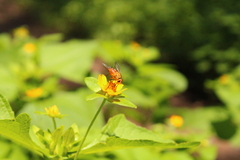
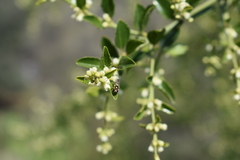
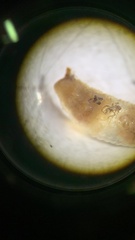
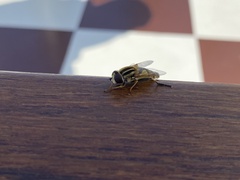
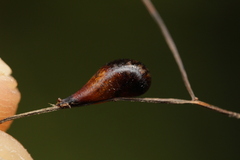
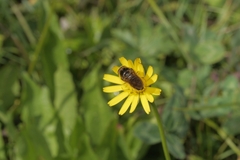
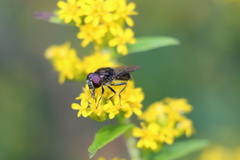
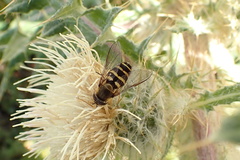
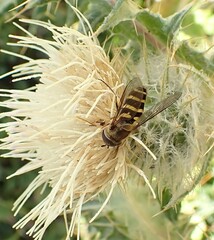
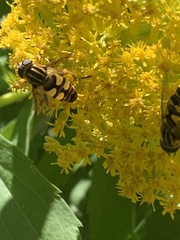
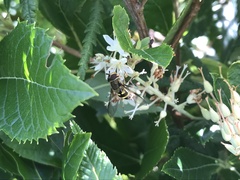
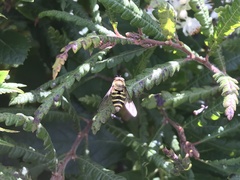
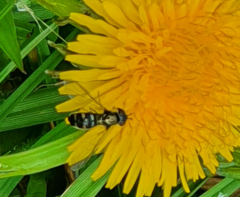
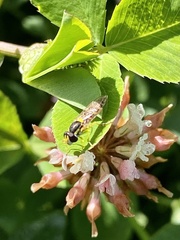
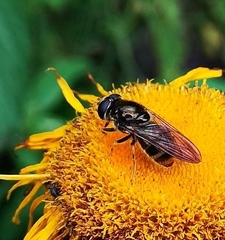
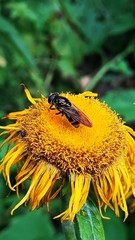
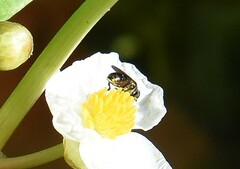
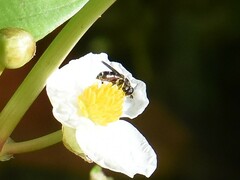
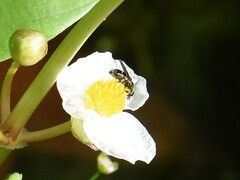
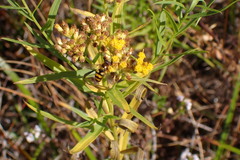
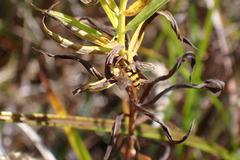
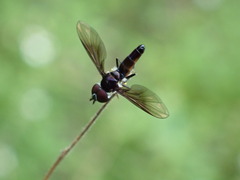
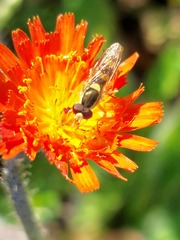
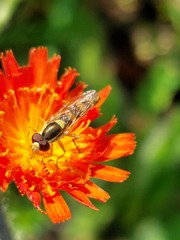
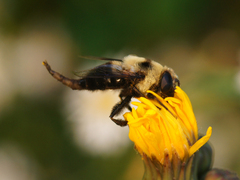
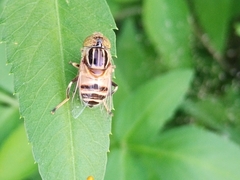
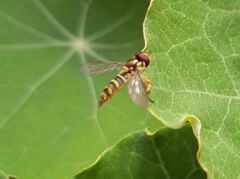
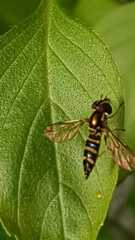
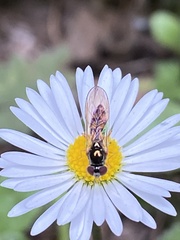
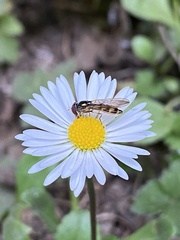
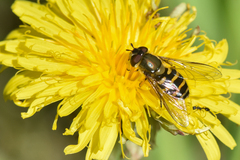
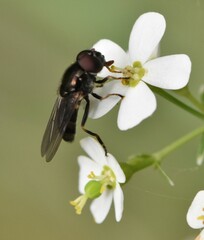
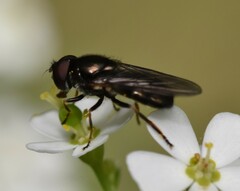
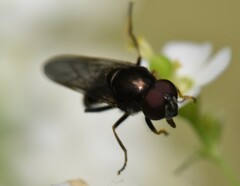
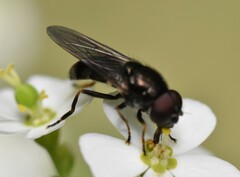
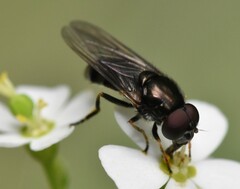
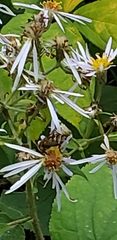
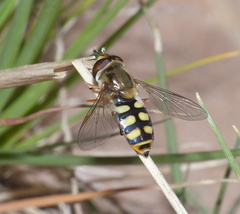
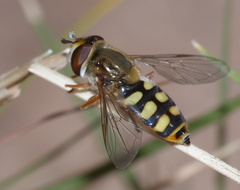
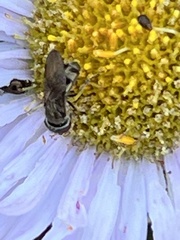
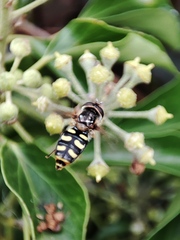
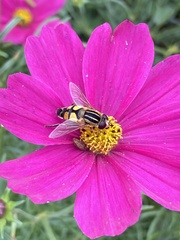
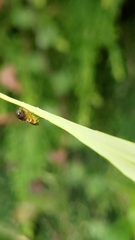
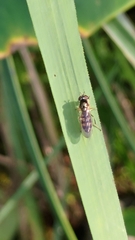
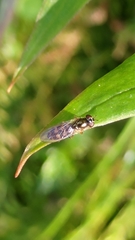
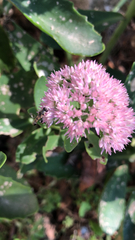
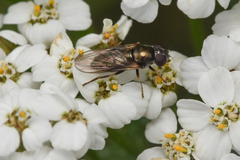
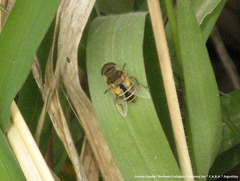
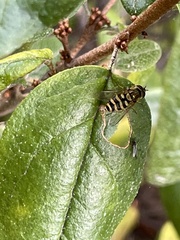
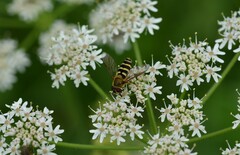
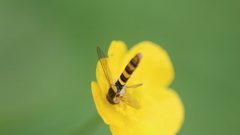
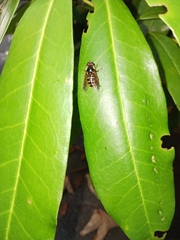
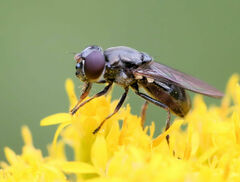
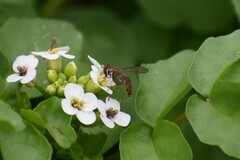
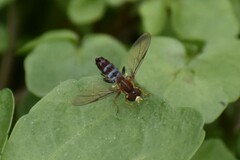
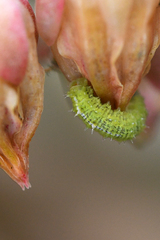
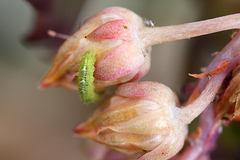
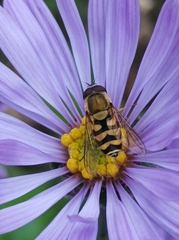
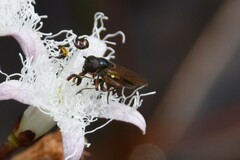
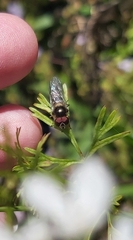
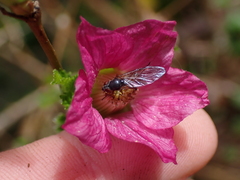
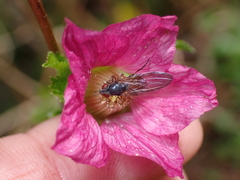
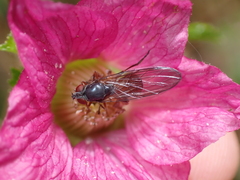
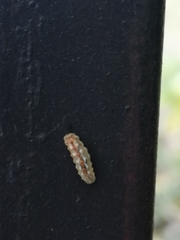
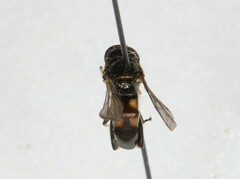
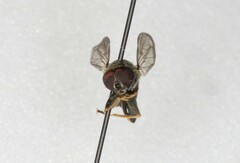
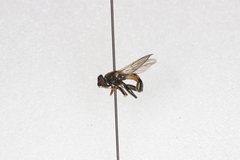
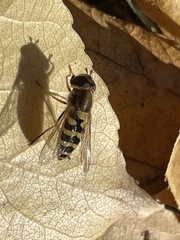
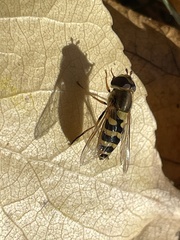
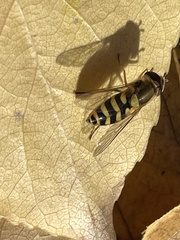
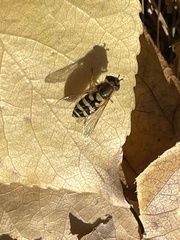
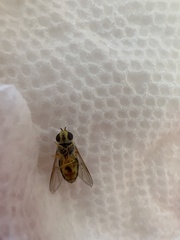
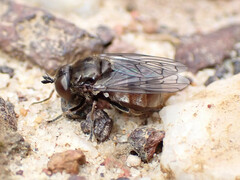
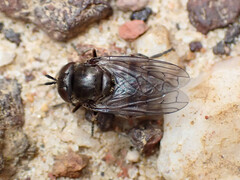
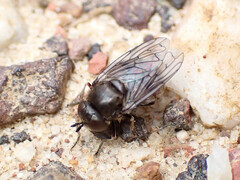
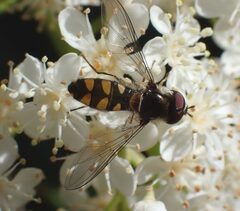
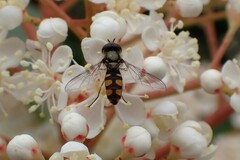
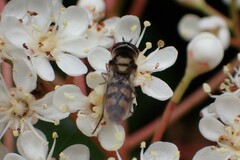
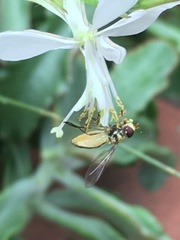
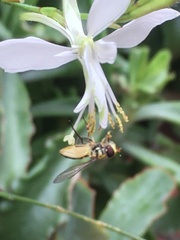
Hoverflies, also called flower flies or syrphids, make up the insect family Syrphidae. As their common name suggests, they are often seen hovering or nectaring at flowers; the adults of many species feed mainly on nectar and pollen, while the larvae (maggots) eat a wide range of foods. In some species, the larvae are saprotrophs, specifically detritivores, eating decaying plant and animal matter in the soil or in ponds and streams. In other species, the larvae are insectivores, preying on aphids, thrips, and other plant-sucking insects.
Insects such as aphids are considered crop pests, so the aphid-eating larvae of some hoverflies are economically and ecologically important. The larvae are potential agents for use in biological control, while the adults are pollinators.
About 6,000 species in 200 genera have been described. Hoverflies are common throughout the world and can be found on all continents except Antarctica. Hoverflies are harmless to most mammals, though many species are mimics of stinging wasps and bees, a mimicry which may serve to ward off predators.
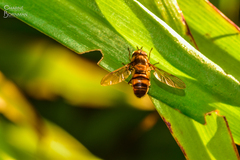
Hoverfly hovering behavior is unlike that of hummingbirds since they do not feed in midair. Hovering in general may be a means of finding a food source. Male hovering is often a territorial display while seeking females, while female hovering serves to inspect ovipositing sites.
...Syrphidae in languages:
- Afrikaans
- Sweefvlieë
- Belarusian
- Журчалкі
- Bokmål
- blomsterfluer
- Bulgarian
- Осоподобни мухи
- Catalan
- Sírfids
- Chinese
- 食蚜蠅科
- Czech
- pestřenkovití
- Danish
- Svirrefluer
- Danish
- Blomsterfluer
- Dutch
- Zweefvliegen
- English
- Hover Flies
- English
- Flower Flies
- English
- flower flies and syrphid flies
- English
- Syrphid flies
- English
- hoverfly
- English
- Hoverflies
- English
- Hover Fly
- English
- Osolike muhe
- Estonian
- sirelased
- Finnish
- Kukkakärpäset
- French
- Syrphes
- French
- Syrphides
- German
- Schwebfliegen
- Hebrew
- רחפניים (זבובי רחף)
- Hungarian
- zengőlégyfélék
- Italian
- Sirfidi
- Japanese
- ハナアブ科
- Korean
- 꽃등에과
- Lithuanian
- Žiedmusės
- Modern Greek
- Συρφίδες
- Māori
- Ngaro Paira
- Persian
- مگس گلزار
- Polish
- Bzygowate
- Portuguese
- Moscas-das-flores
- Russian
- Журчалки
- Swedish
- blomflugor
- Thai
- แมลงวันดอกไม้
- Thai
- วงศ์ แมลงวันดอกไม้
- Ukrainian
- Повисюхові мухи
- Ukrainian
- Дзюрчалки
- Ukrainian
- Сирфіди
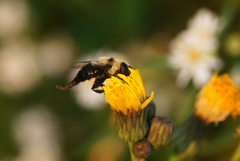
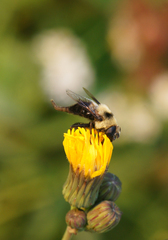
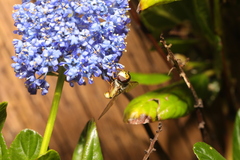
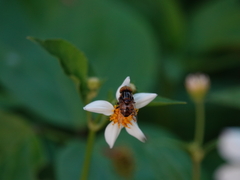
Images from inaturalist.org observations:
We recommend you sign up for this excellent, free service.
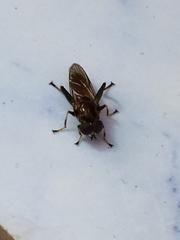
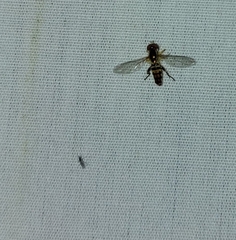
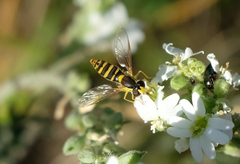
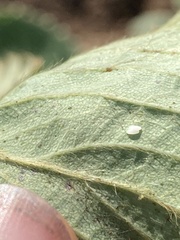
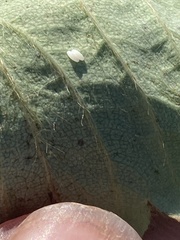
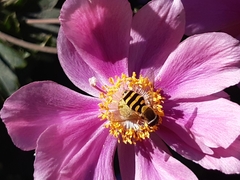
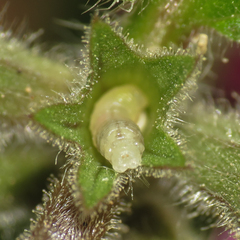
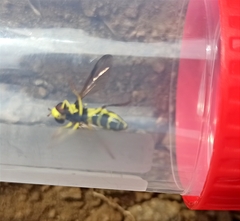
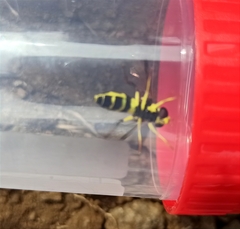
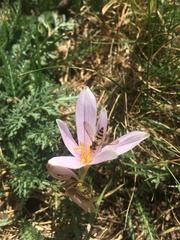
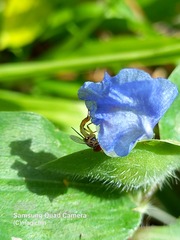
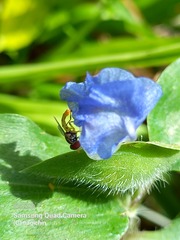
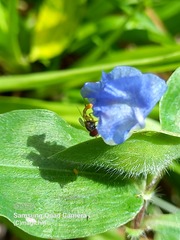
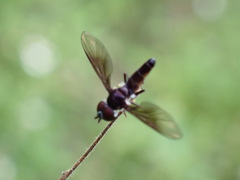
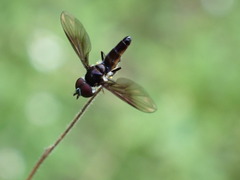
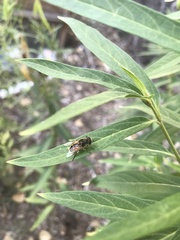
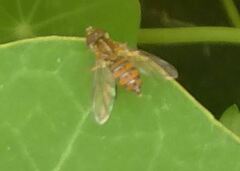
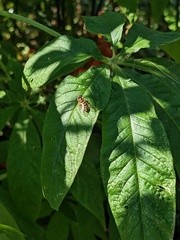
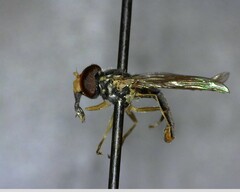
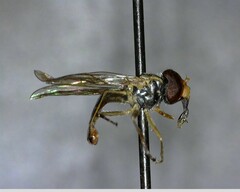
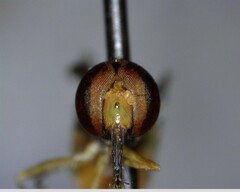
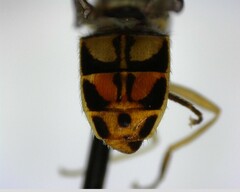
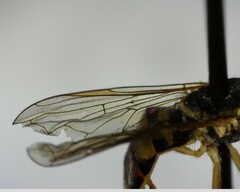
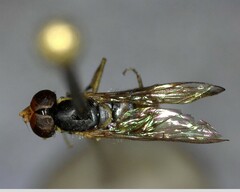
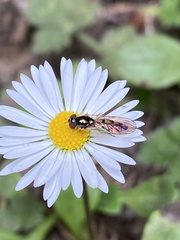
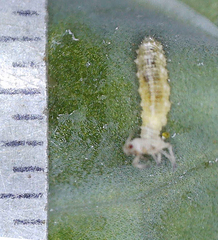
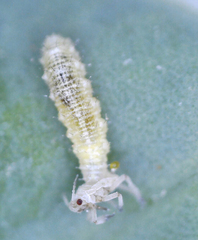
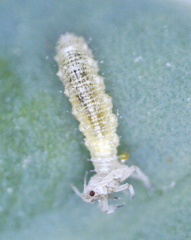
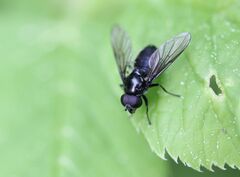
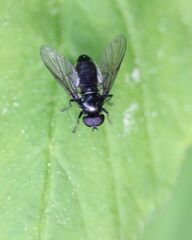
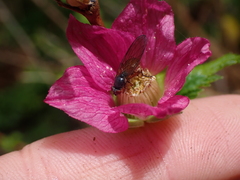
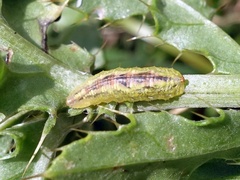
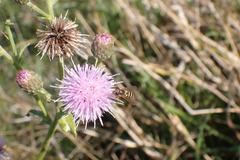
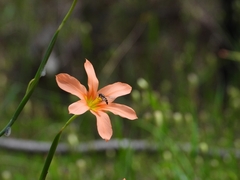
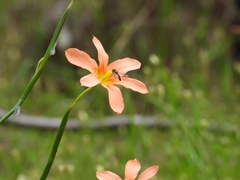
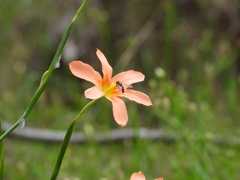
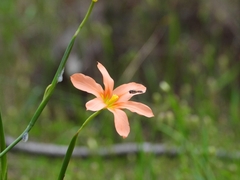
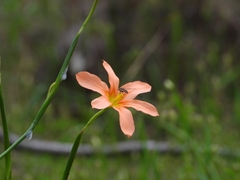
Parent Taxon
Top Observation Places
- Valencia
- Aguascalientes
- Chattanooga
- Oxford
- The Hague
- Sultangazi
- Dresden
- San Cristóbal de las Casas
- Iowa City
- Boulder
- Champaign
- Fresno
- Concepción
- Peterborough
- Tempe
- Rio Claro
- Hannover
- San Francisco De Borja
- San Isidro
- Carmichael
- Tasikmalaya
- Konnagar
- Southampton
- Maheshtala
- Oldenburg
- Tilburg
- Cambridge
- Vejle
- Newcastle
- Norman
- Al Farwānīyah
- Boise
- Guanajuato
- Rochester
- Irondequoit
- Olomouc
- Dili
- Alkmaar
- Asheville
- Eugene
- San José
- San Francisco
- Rennes
- Grapevine
- Oslo
- Hermosillo
- Fredericton
- Olympia
- London
- Carlisle