Tapinoma sessile: taxon details and analytics
- Domain
- Kingdom
- Animalia
- Phylum
- Arthropoda
- Class
- Insecta
- Order
- Hymenoptera
- Family
- Formicidae
- Genus
- Tapinoma
- Species
- Tapinoma sessile
- Scientific Name
- Tapinoma sessile
Summary description from Wikipedia:
Tapinoma sessile
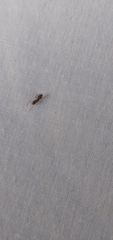
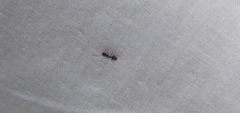
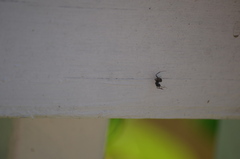
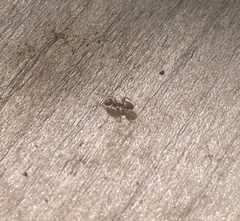
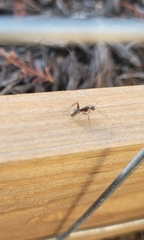
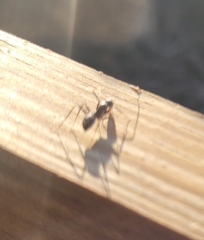
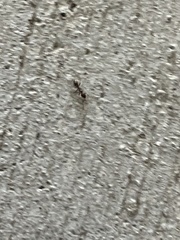
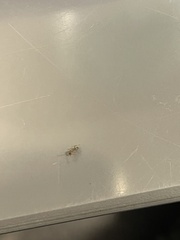
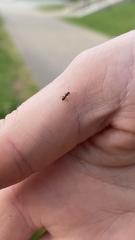
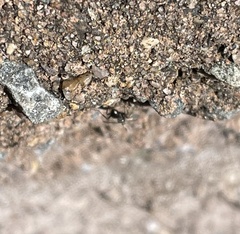
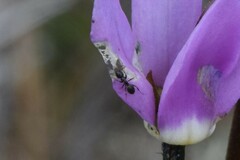
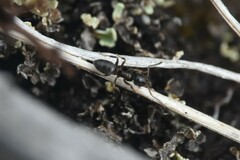
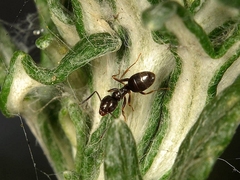
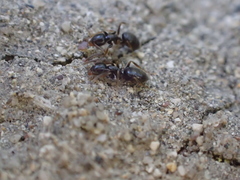
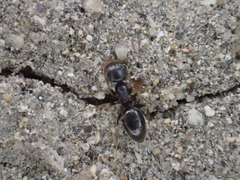
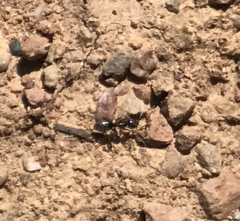
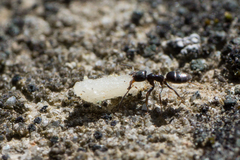
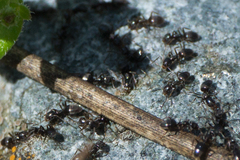
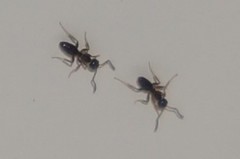
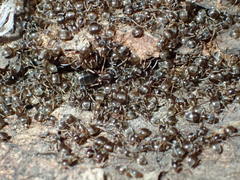
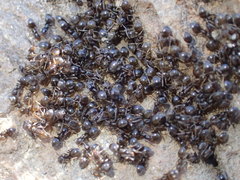
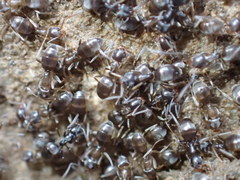
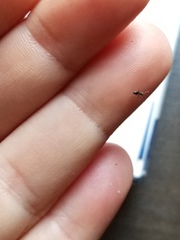
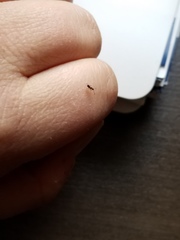
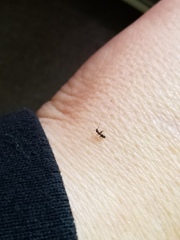
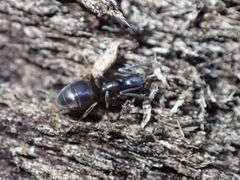
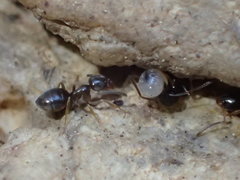
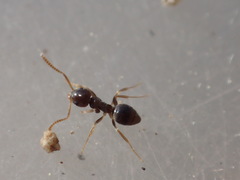
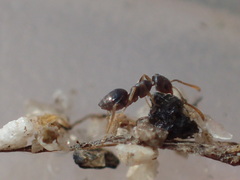
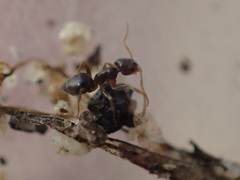
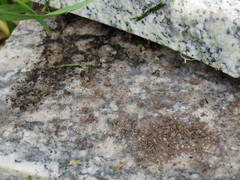
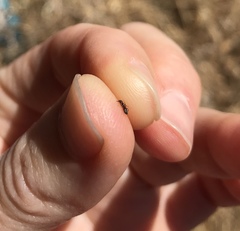
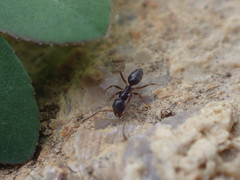
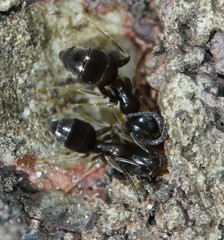
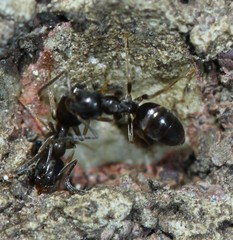
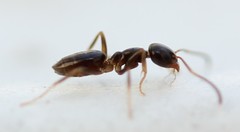
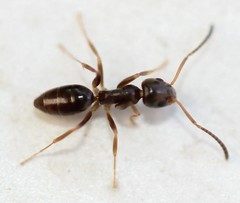
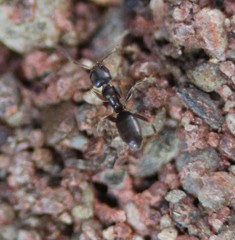
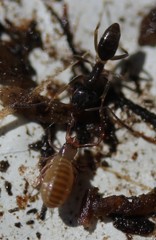
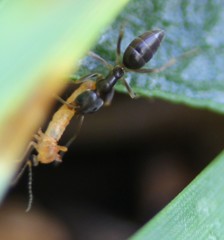
Tapinoma sessile is a species of small ant that goes by the common names odorous house ant, sugar ant, stink ant, and coconut ant. Their colonies are polydomous (consisting of multiple nests) and polygynous (containing multiple reproducing queens). Like many social insects, T. sessile employs complex foraging strategies, allocates food depending on environmental conditions, and engages in competition with other insects.
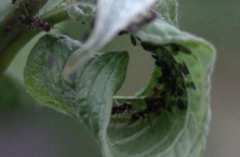
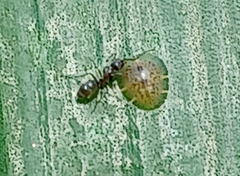
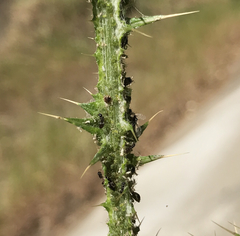
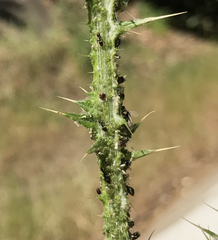
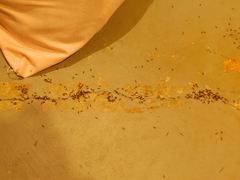
T. sessile can be found in a huge diversity of habitats, including within houses. They forage mainly for honeydew, which is produced by aphids and scale insects that are guarded and tended by the ants, as well as floral nectar and other sugary foods. They are common household pests and are attracted to sources of water and sweets.
Tapinoma sessile have long been suspected of exhibiting cloning behaviors similar to those observed in black crazy ants. This hypothesis has recently been confirmed through experimental evidence. In a notable experiment conducted by Marcello Ponzo, a colony consisting of seven queens and approximately 3,000 to 4,000 workers was kept in a controlled outworld and nest environment after being captured from the wild. Within a period of almost two months, the colony increased its number of queens from seven to ten under optimal conditions and a nutritious diet. This observation provides strong evidence supporting the theory of cloning in Tapinoma sessile.
Like most other ants, T. sessile is eusocial. This is characterized by reproductive division of labor, cooperative care of the young, and overlapping generations.
...Tapinoma sessile in languages:
- Dutch
- Huisdraaigatje
- English
- Odorous House Ant
- English
- Coconut Ant
- English
- American Sugar Ant
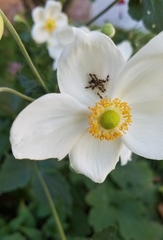
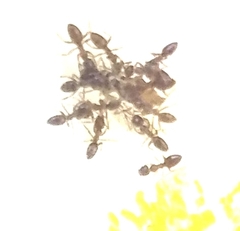
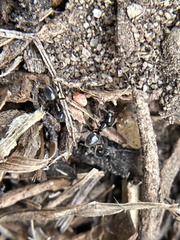
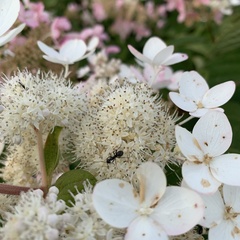
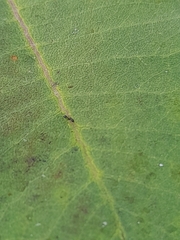
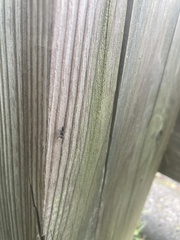
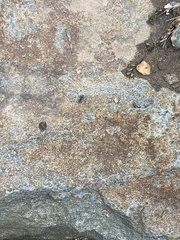
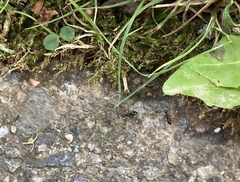
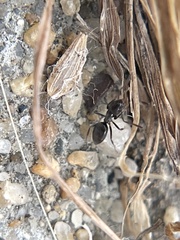
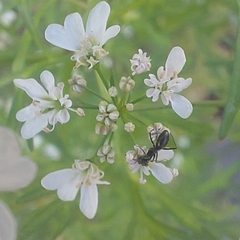
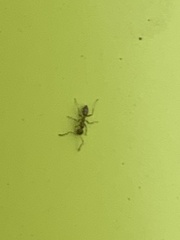
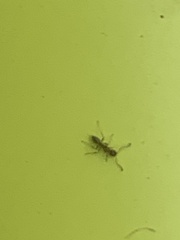
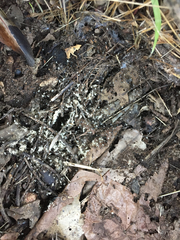
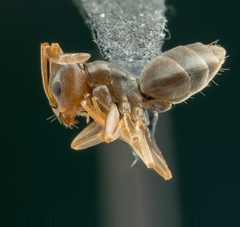
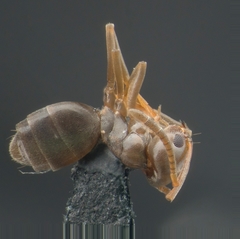
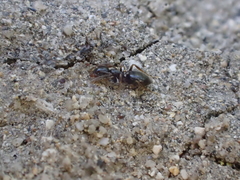
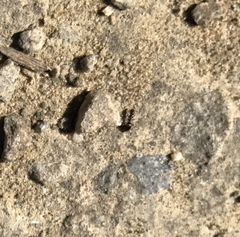
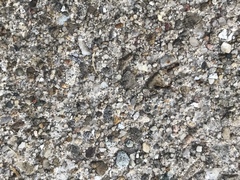
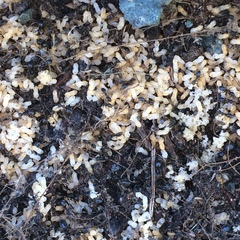
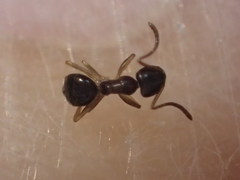
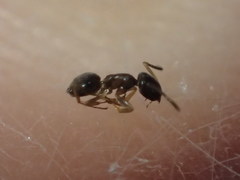
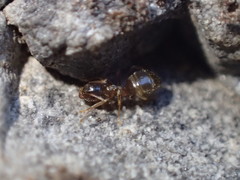
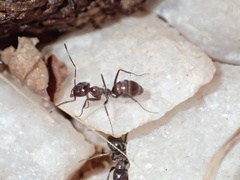
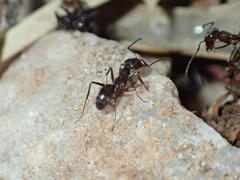
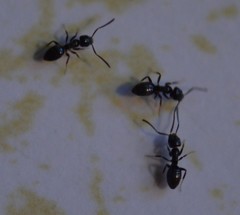
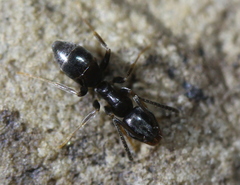
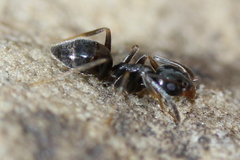
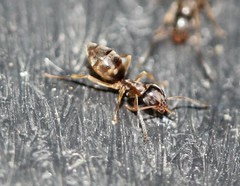
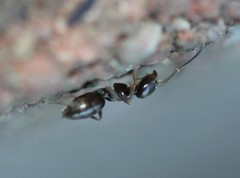
Images from inaturalist.org observations:
We recommend you sign up for this excellent, free service.


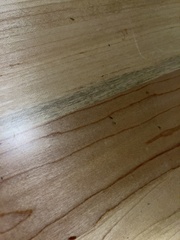
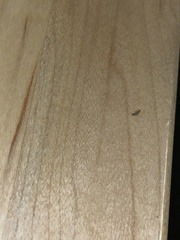
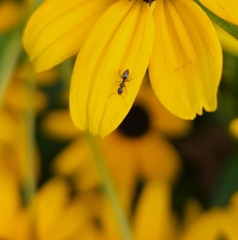

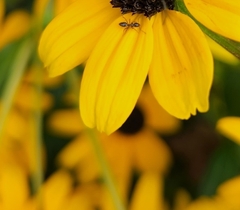
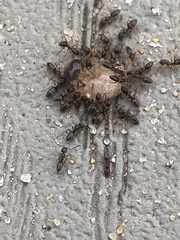
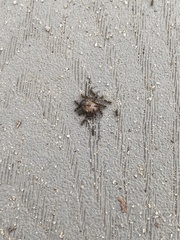
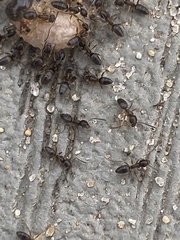
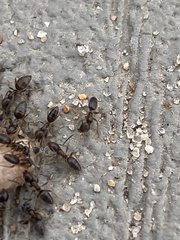





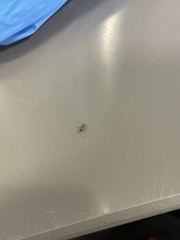
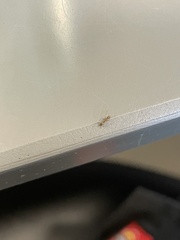
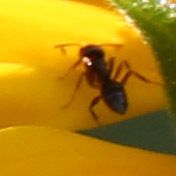
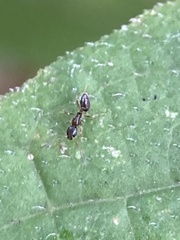
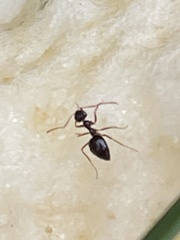











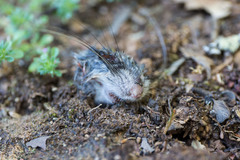

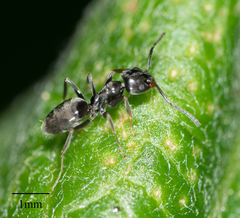
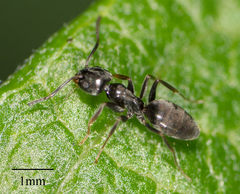
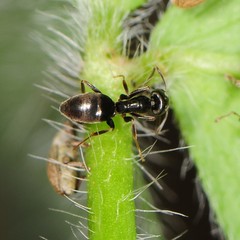


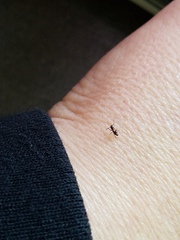
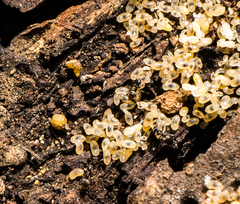

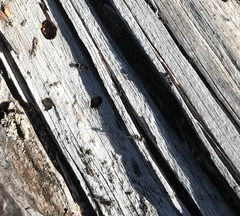
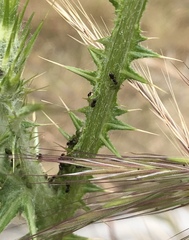


Parent Taxon
Sibling Taxa
- Tapinoma albinase
- Tapinoma ambiguum
- Tapinoma andamanense
- Tapinoma annandalei
- Tapinoma arnoldi
- Tapinoma atriceps
- Tapinoma danitschi
- Tapinoma darioi
- Tapinoma demissum
- Tapinoma dimmocki
- Tapinoma emeryanum
- Tapinoma emeryi
- Tapinoma erraticum
- Tapinoma festae
- Tapinoma geei
- Tapinoma ibericum
- Tapinoma indicum
- Tapinoma israele
- Tapinoma kinburni
- Tapinoma litorale
- Tapinoma lugubre
- Tapinoma luridum
- Tapinoma luteum
- Tapinoma madeirense
- Tapinoma magnum
- Tapinoma melanocephalum
- Tapinoma minimum
- Tapinoma minutum
- Tapinoma modestum
- Tapinoma nigerrimum
- Tapinoma pygmaeum
- Tapinoma ramulorum
- Tapinoma rasenum
- Tapinoma rectinotum
- Tapinoma sahohime
- Tapinoma schreiberi
- Tapinoma schultzei
- Tapinoma sessile
- Tapinoma simrothi
- Tapinoma sinense
- Tapinoma subboreale
- Tapinoma subtile
- Tapinoma wroughtonii
Top Observation Places
- Boulder
- Richmond
- Yuba City
- Carmel
- Salt Lake City
- Syracuse
- Eugene
- Flower Mound
- West Albany
- Santa Clarita
- Nashville
- Asheville
- Bethlehem
- Norman
- South Hill
- Corvallis
- Glendora
- Fort Worth
- Santa Cruz
- Sandy Springs
- Marietta
- Brookhaven
- Pasadena
- Seattle
- Kirkland
- Boise
- Dallas
- Garland
- Bloomington
- St. Louis
- Victoria
- Lubbock
- Portland
- Vancouver
- Beaverton
- Cary
- Buffalo
- Amherst
- Levittown
- San Diego
- Chula Vista
- National City
- Trenton
- New Brunswick
- Tulsa
- Broken Arrow
- Salem
- Philadelphia
- Camden
- Center City