Tetranychus lintearius: taxon details and analytics
- Domain
- Kingdom
- Animalia
- Phylum
- Arthropoda
- Class
- Arachnida
- Order
- Trombidiformes
- Family
- Tetranychidae
- Genus
- Tetranychus
- Species
- Tetranychus lintearius
- Scientific Name
- Tetranychus lintearius
Summary description from Wikipedia:
Tetranychus lintearius
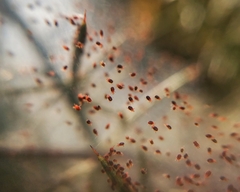
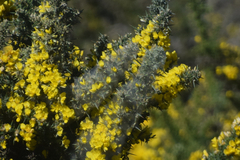
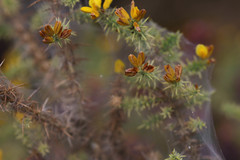
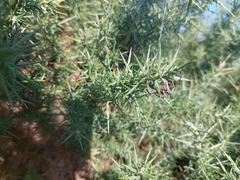
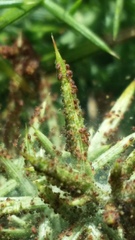
Tetranychus lintearius is a species of spider mite known as the gorse spider mite. It is used as an agent of biological pest control on common gorse, a noxious weed in some countries.
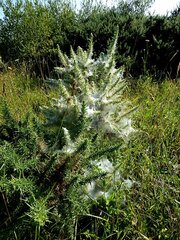
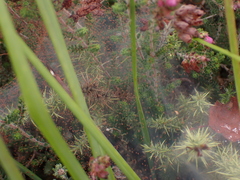
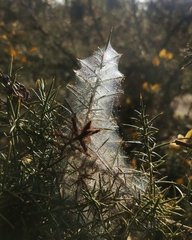
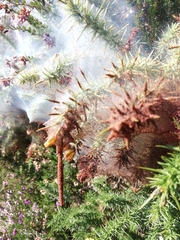
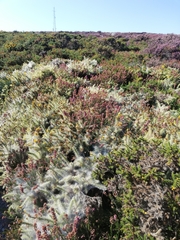
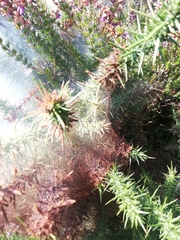
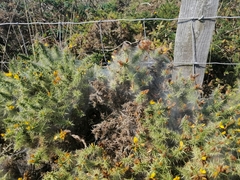
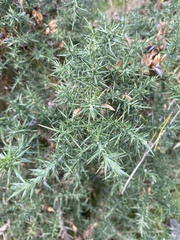
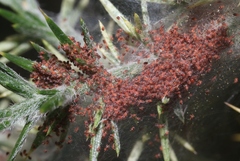
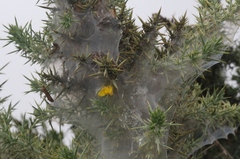
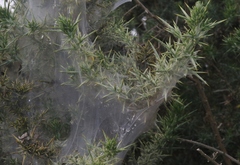
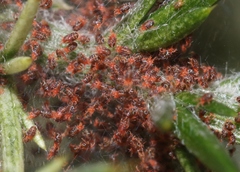
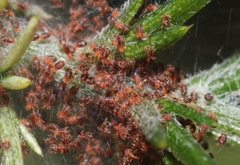
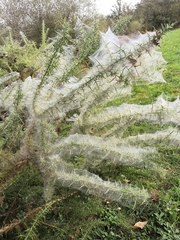
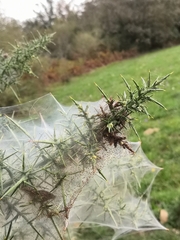
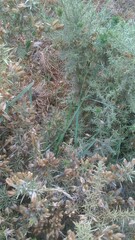
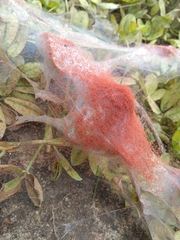
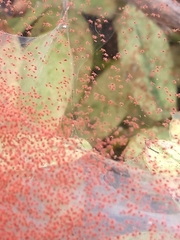
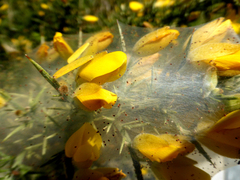
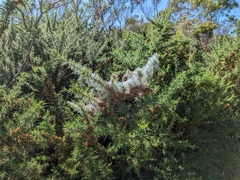
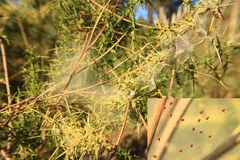
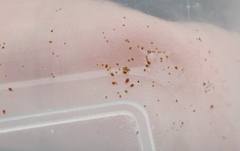
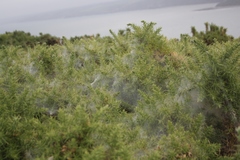
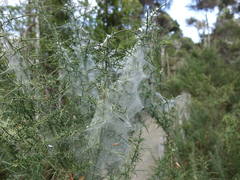
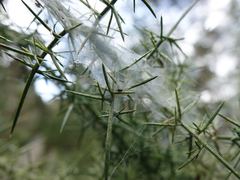
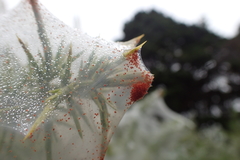
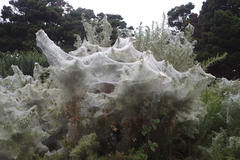
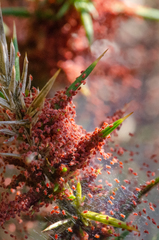
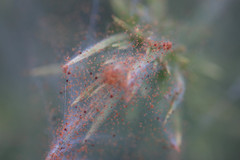
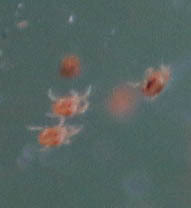
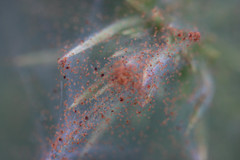
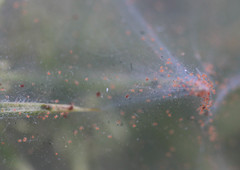
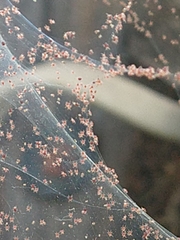
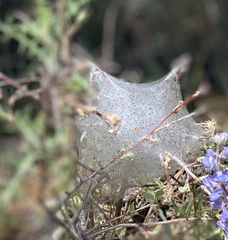
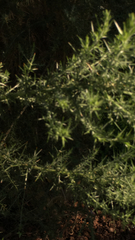
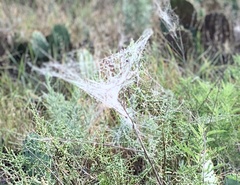
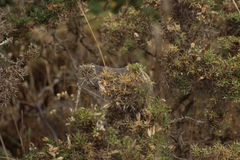
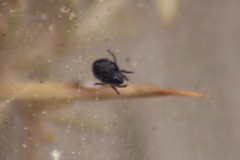
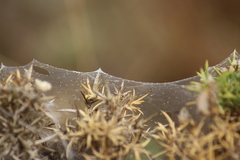
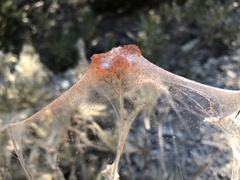
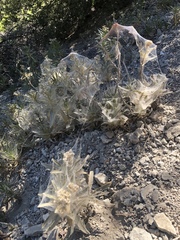
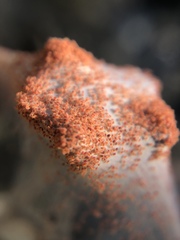
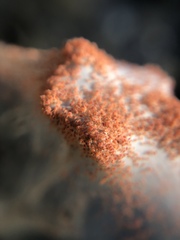
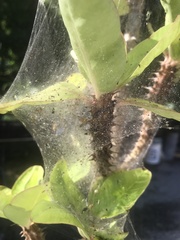
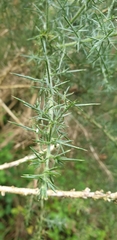
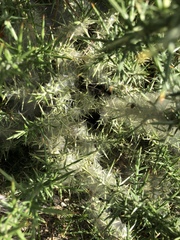
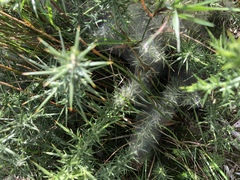
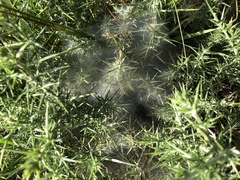
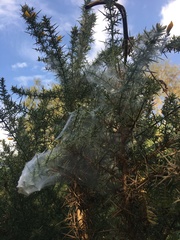
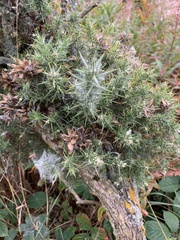
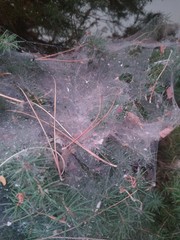
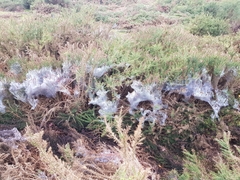
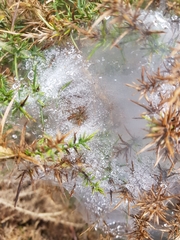
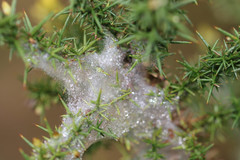
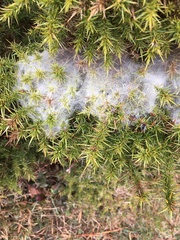
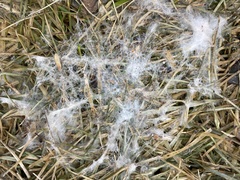
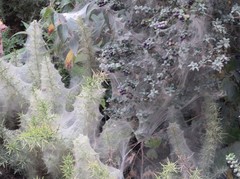
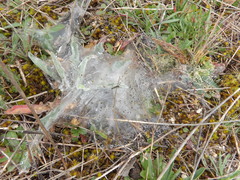
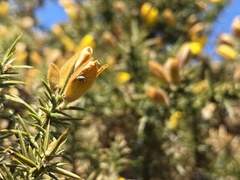
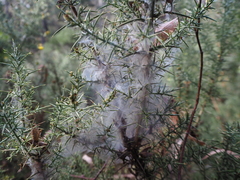
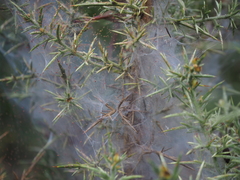
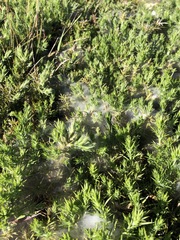
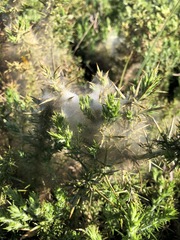
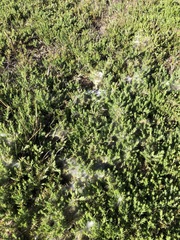
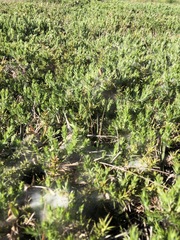
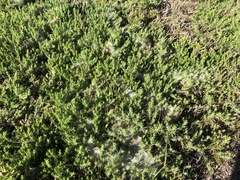
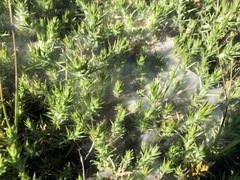
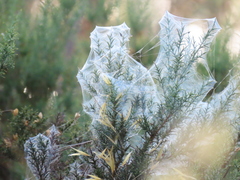
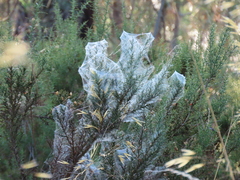
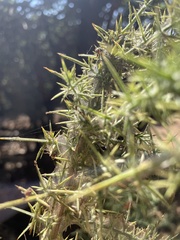
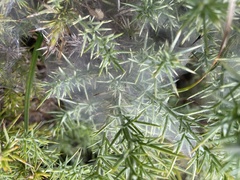
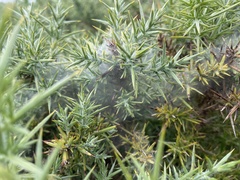
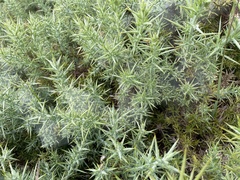
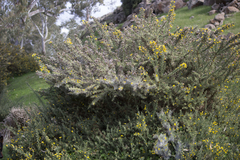
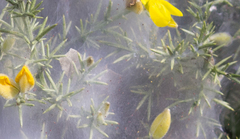
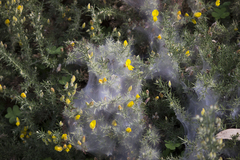
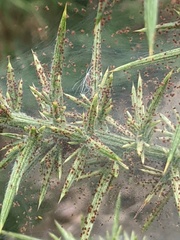
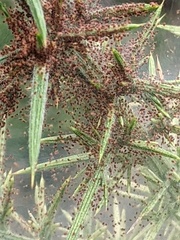
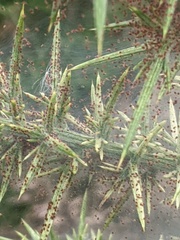
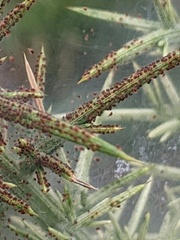
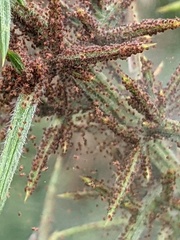
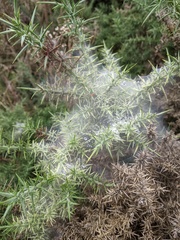
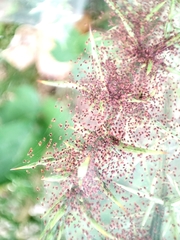
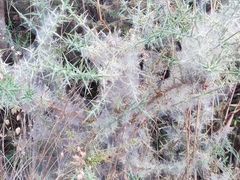
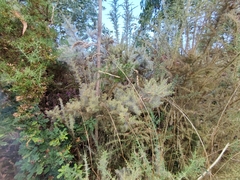
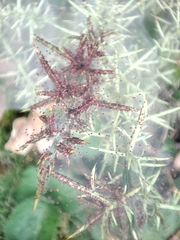
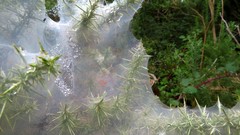
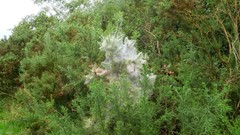
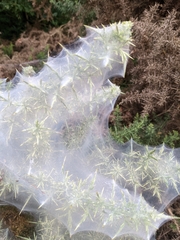
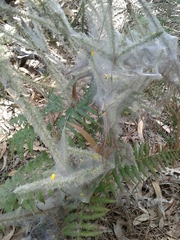
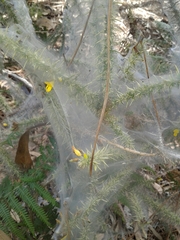
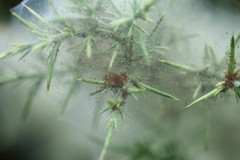
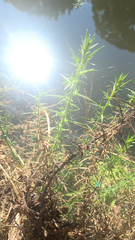
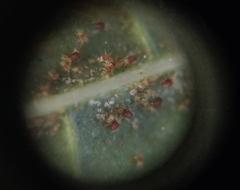
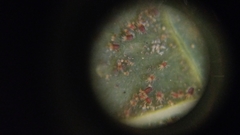
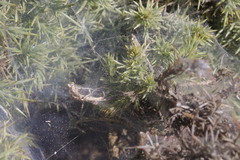
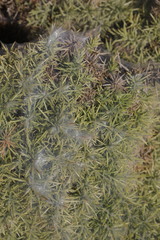
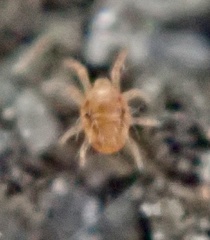
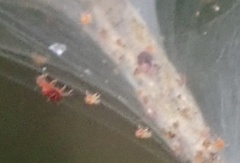
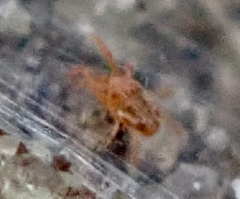
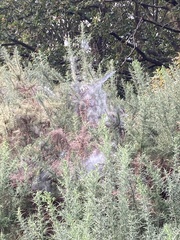
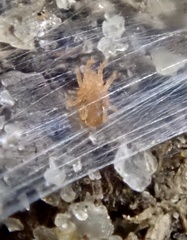
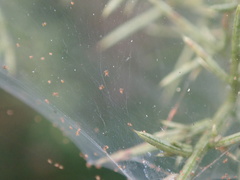
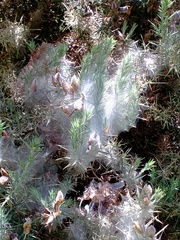
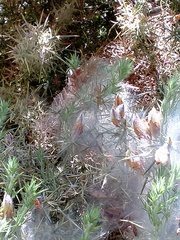
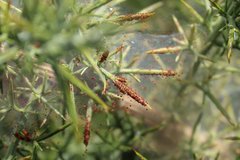
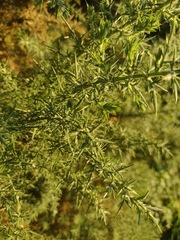
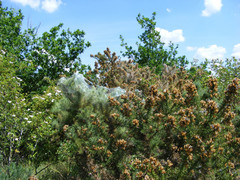
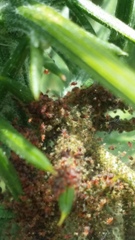
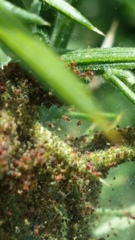
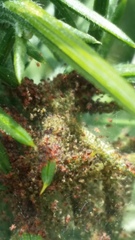
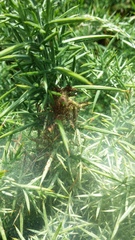
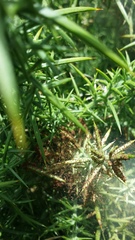
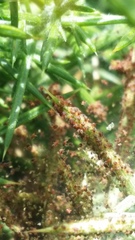
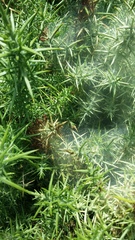
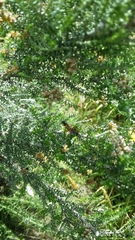
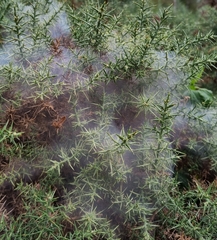
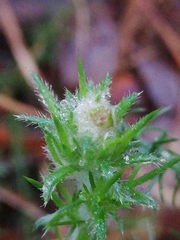
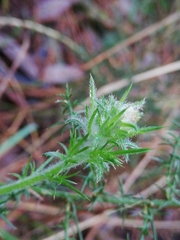
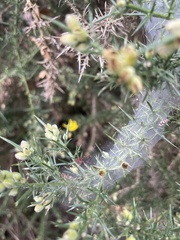
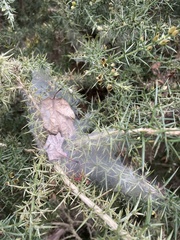
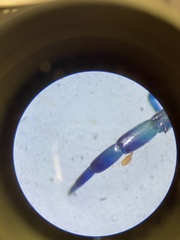
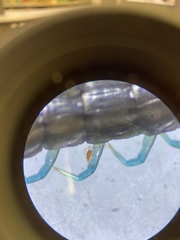
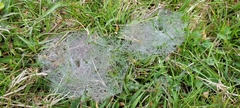
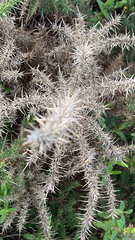
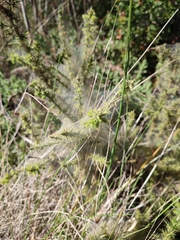
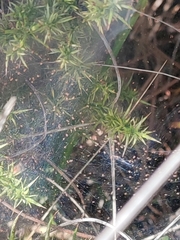
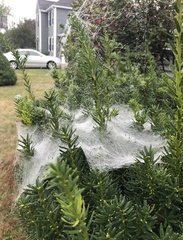
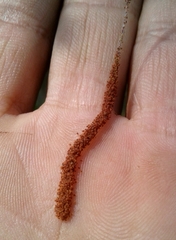
The adult mite is half a millimeter long and bright red. It lives in colonies in a shelter of spun silk spanning many branch tips. Infested plants are easily identifiable by these cobweb-like sheets of silk, which can grow quite large. The female lays one to four eggs per day during her three- to four-week adult lifespan. The tiny nymph is small enough to disperse on the wind during its first stage. Those that stay behind populate the colony as it expands.
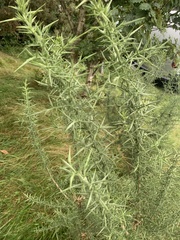
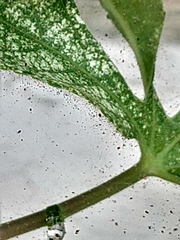
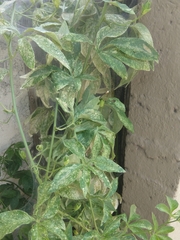
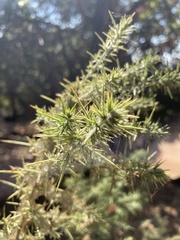
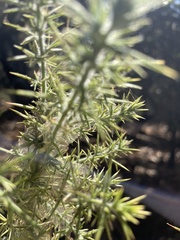
This mite is native to Europe, where it does more damage to the plant than any other organism. The mite appears to be host-specific; it does not attack any other plants. The adult and nymph damage the plant by piercing its tissues during feeding. Heavy mite activity reduces flowering and can stunt the development of the branches.
It is widespread in parts of Australia, including Tasmania. It was introduced to the northwestern United States and Hawaii in the 1990s, where it is now established in gorse. The mite has natural predators, including another mite (Phytoseiulus persimilis) and a species of ladybird (Stethorus punctillum), which can severely reduce its population.
...Tetranychus lintearius in languages:
- Czech
- sviluška Dufourova
- English
- Gorse Spider Mite
Images from inaturalist.org observations:
We recommend you sign up for this excellent, free service.

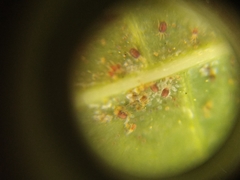
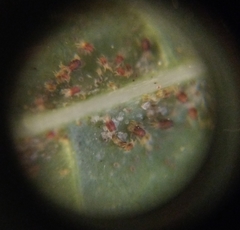
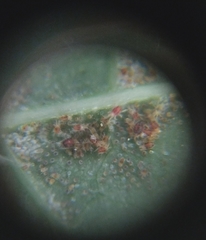
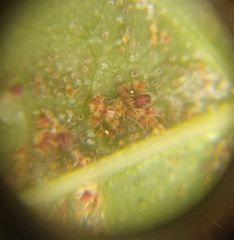
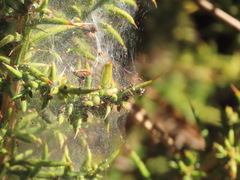
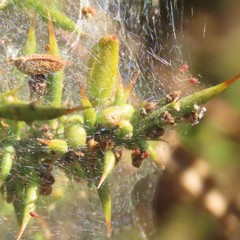
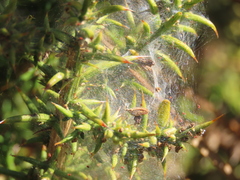
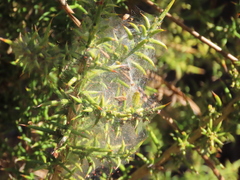



Parent Taxon
Sibling Taxa
- Tetranychus amicus
- Tetranychus bastosi
- Tetranychus chaeropus
- Tetranychus cinnabarinus
- Tetranychus collyerae
- Tetranychus desertorum
- Tetranychus dugesii
- Tetranychus eharai
- Tetranychus elsae
- Tetranychus elytropappi
- Tetranychus evansi
- Tetranychus eyrewellensis
- Tetranychus ferox
- Tetranychus flechtmanni
- Tetranychus fraternus
- Tetranychus gardeniae
- Tetranychus geminatus
- Tetranychus gigas
- Tetranychus hirsutae
- Tetranychus hydrangeae
- Tetranychus kanzawai
- Tetranychus katbergensis
- Tetranychus lambi
- Tetranychus lintearius
- Tetranychus lombardinii
- Tetranychus ludeni
- Tetranychus marianae
- Tetranychus merganser
- Tetranychus mesembryanae
- Tetranychus mexicanus
- Tetranychus moutensis
- Tetranychus mukuziensis
- Tetranychus muricatus
- Tetranychus neocaledonicus
- Tetranychus pacificus
- Tetranychus pafuriensis
- Tetranychus piercei
- Tetranychus polys
- Tetranychus puschelii
- Tetranychus rooyenae
- Tetranychus salsolae
- Tetranychus sphacelatum
- Tetranychus triangularis
- Tetranychus truncatus
- Tetranychus tumidus
- Tetranychus turkestani
- Tetranychus urticae
- Tetranychus yusti
- Tetranychus zambezianus