Tiliqua rugosa: taxon details and analytics
- Domain
- Kingdom
- Animalia
- Phylum
- Chordata
- Class
- Reptilia
- Order
- Squamata
- Family
- Scincidae
- Genus
- Tiliqua
- Species
- Tiliqua rugosa
- Scientific Name
- Tiliqua rugosa
Summary description from Wikipedia:
Tiliqua rugosa
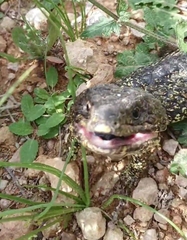
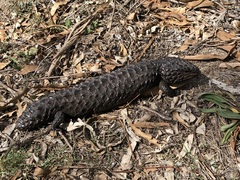
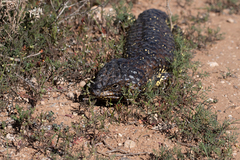
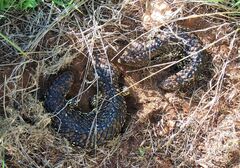
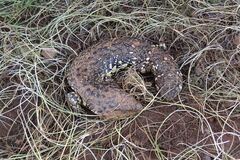
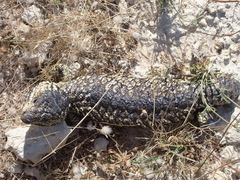
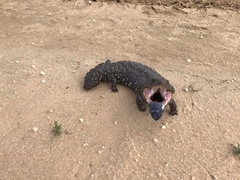
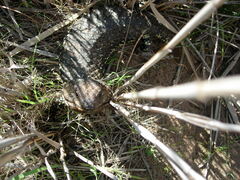
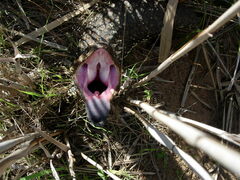
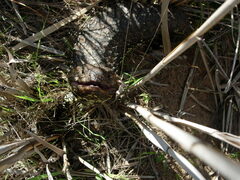
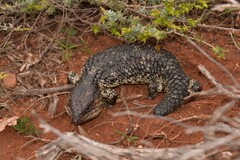
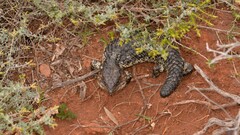
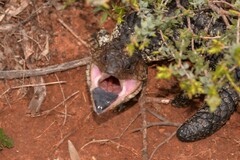
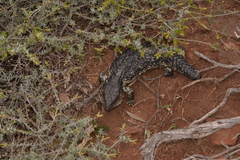
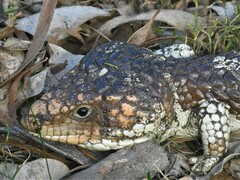
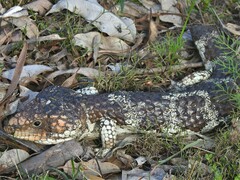
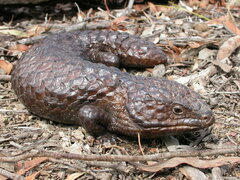
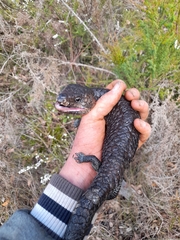
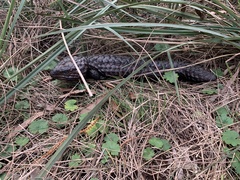
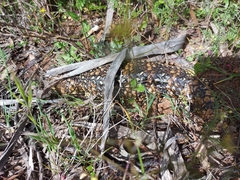
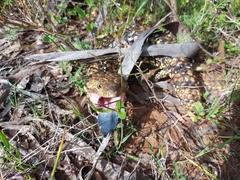
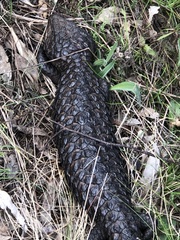
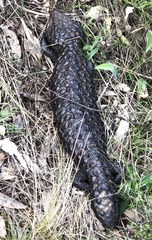
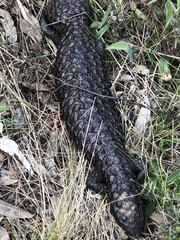
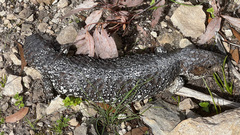
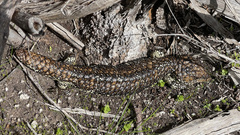
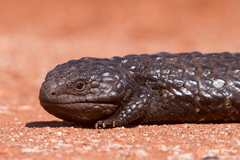
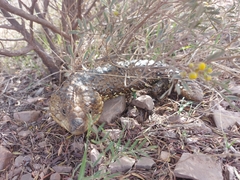
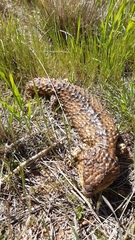
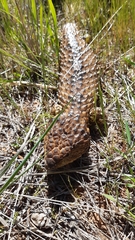
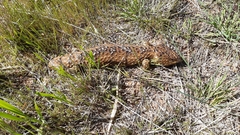
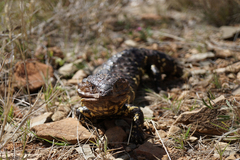
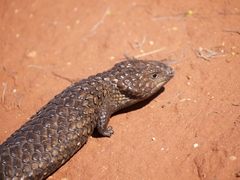
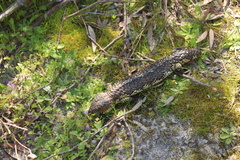
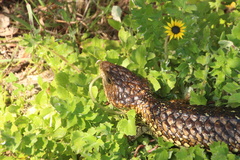
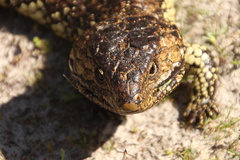
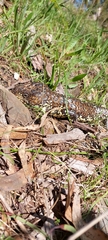
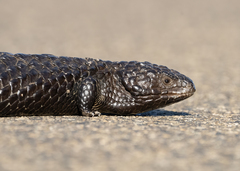
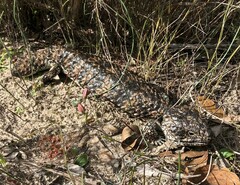
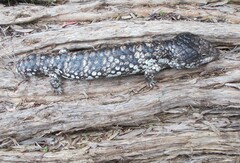
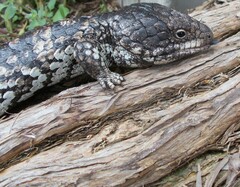
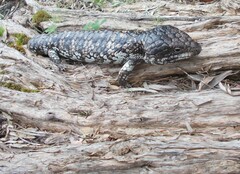
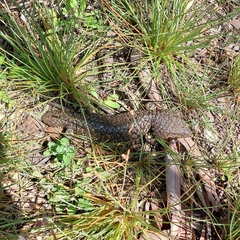
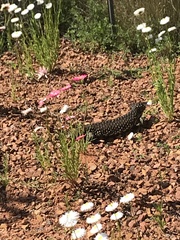
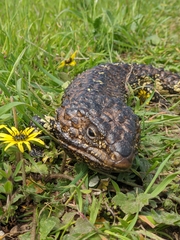
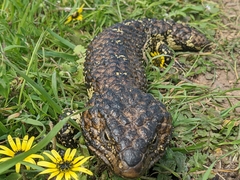
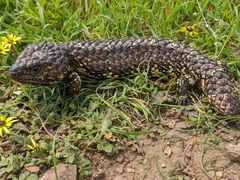
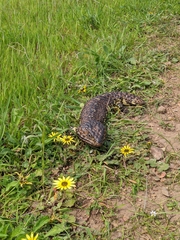
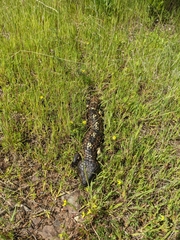
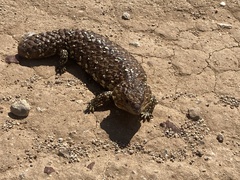
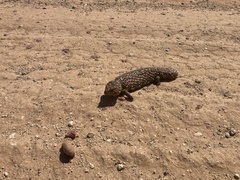
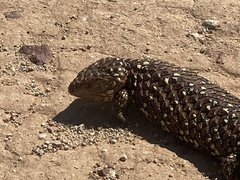
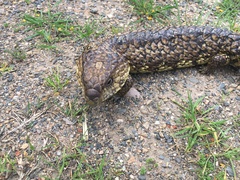
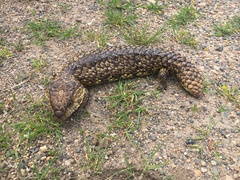
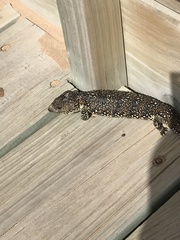
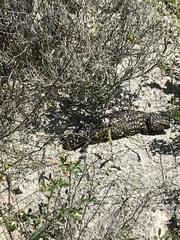
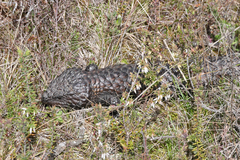
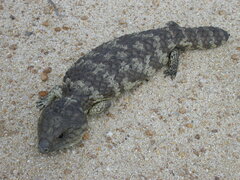
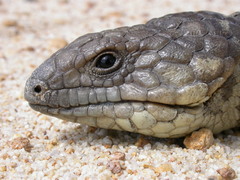
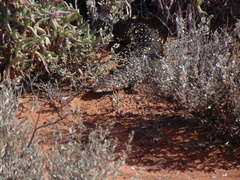
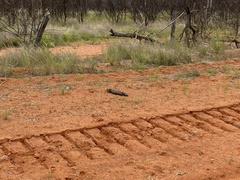
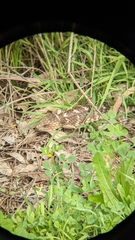
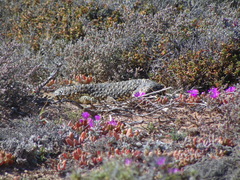
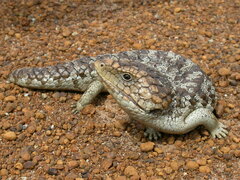
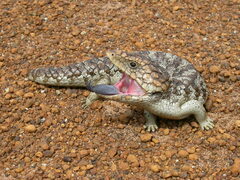
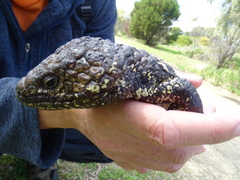
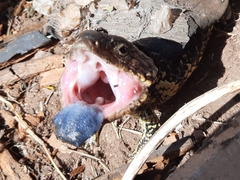
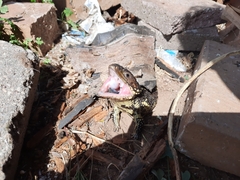
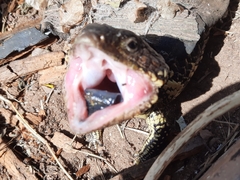
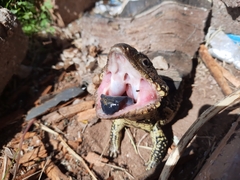
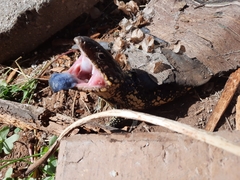
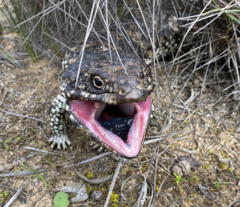
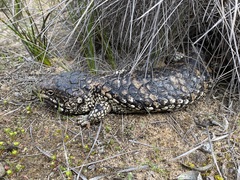
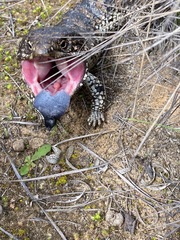
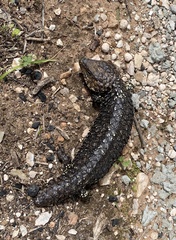
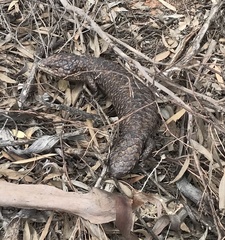
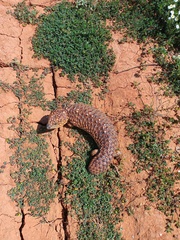
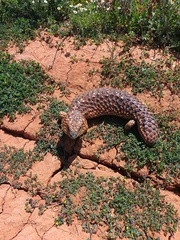
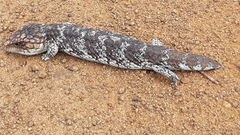
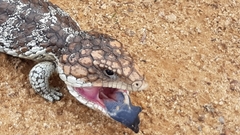
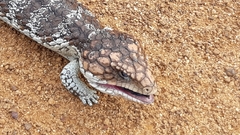
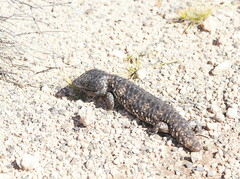
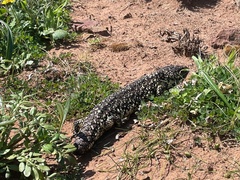
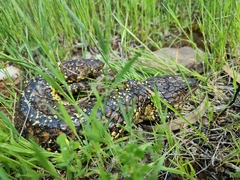
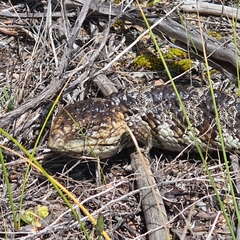
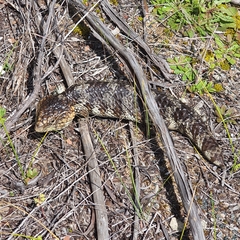
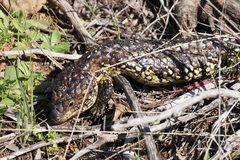
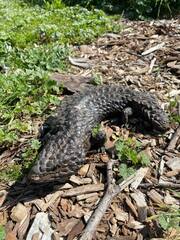
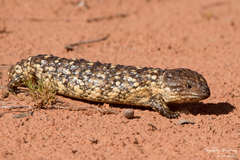
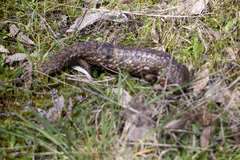
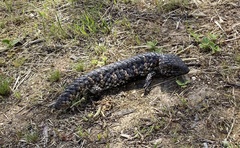
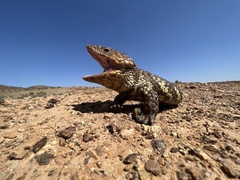
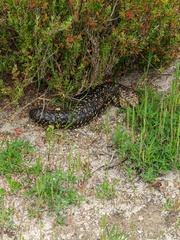
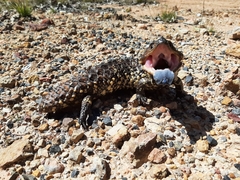
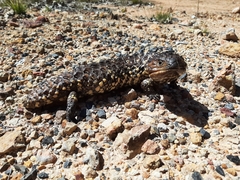
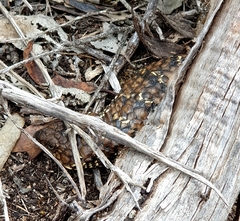
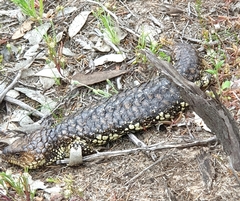
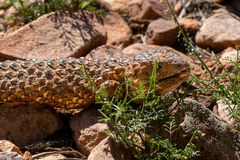
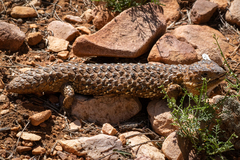
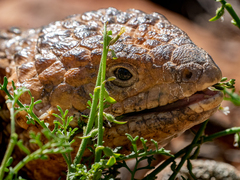
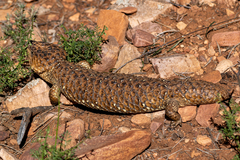
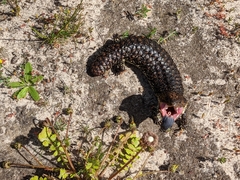
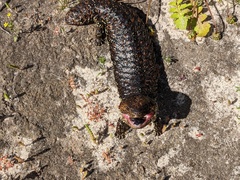
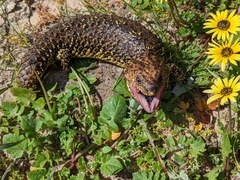
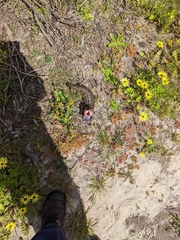
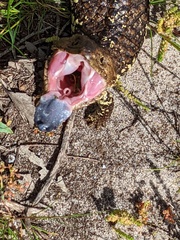
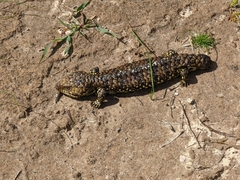
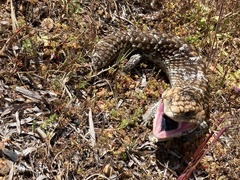
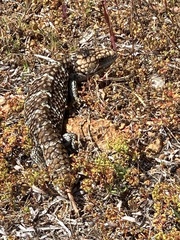
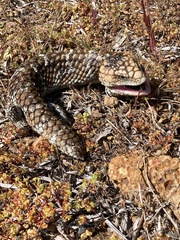
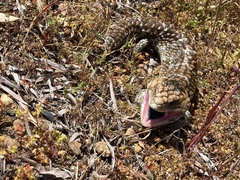
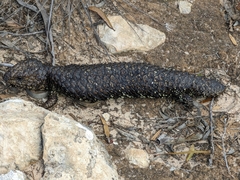
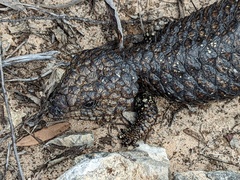
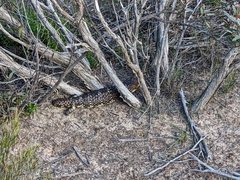
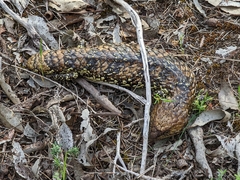
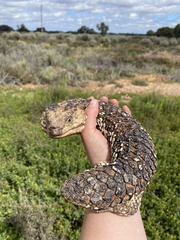
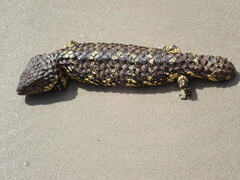
Tiliqua rugosa, most commonly known as the shingleback skink, shingleback lizard, or bobtail lizard (often simply shingleback or bobtail); is a short-tailed, slow-moving species of blue-tongued skink (genus Tiliqua) endemic to Australia. Three of its four recognised subspecies are found in Western Australia, where the bobtail name is most frequently used. The fourth subspecies, T. rugosa asper, is the only one native to eastern Australia, where it goes by the common name of the eastern shingleback.
Apart from bobtail and shingleback, a variety of other common names are used in different states, including two-headed skink, stumpy lizard, stumpy-tailed lizard, pinecone lizard, bogeye or boggi, and less commonly: sleepy lizard. The Noongar Aboriginal people refer to T. rugosa as yoorn in their language.
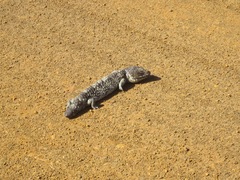
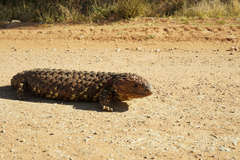
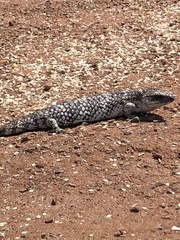
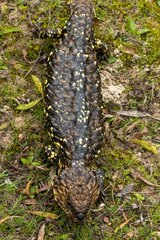
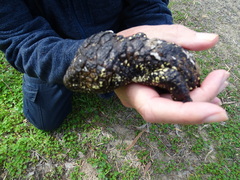
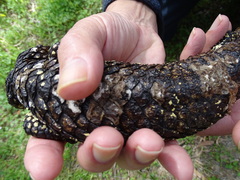
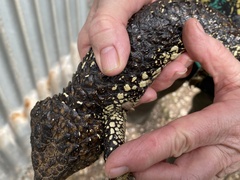
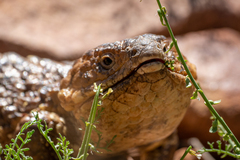
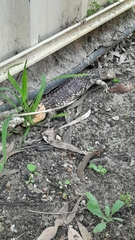
T. rugosa has a short, wide, stumpy tail that resembles its head and may serve the purpose of confusing predators. The tail also contains fat reserves, which are drawn upon during brumation in winter, during which many lizards perform a behaviour similar to hibernation except they require water every day, but can go without food. This skink is an omnivore; it eats snails and plants and spends much of its time browsing through vegetation for food. In human habitation, it is often seen basking on roadsides or other paved areas.
...Tiliqua rugosa in languages:
- Czech
- scink uťatý
- Danish
- Kogleskink
- English
- Shingleback Lizard
- English
- Pinecone lizard
- English
- Shingle-Back
- English
- Sleepy Lizard
- English
- Stumpy Tail Lizard
- English
- Bobtail Lizard
- English
- shingleback skink
- English
- Shingleback
- English
- Bobtail
- English
- Two-headed Lizard
- English
- Boggi
- English
- Stumpy-tailed Lizard
- German
- Tannenzapfenechse
- German
- Tannenzapfenskink
- German
- Stutzechse
- Japanese
- マツカサトカゲ
- Russian
- Короткохвостый сцинк
- Russian
- Короткохвост
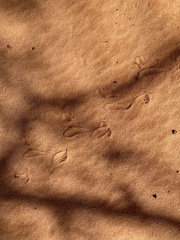
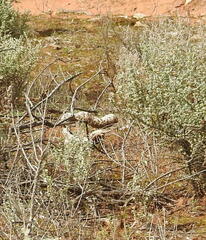
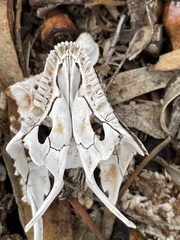
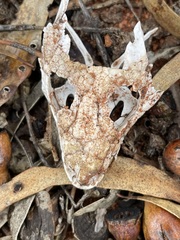
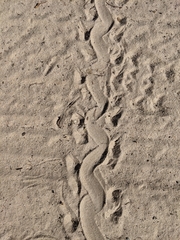
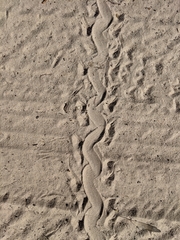
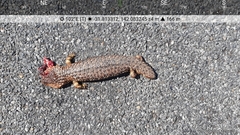
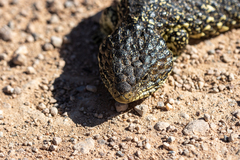
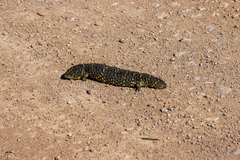
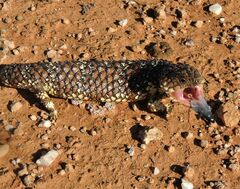
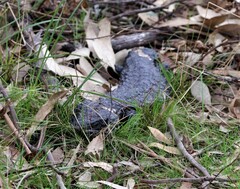
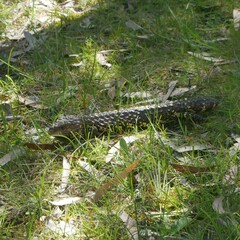
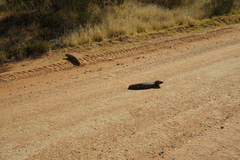
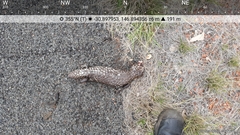
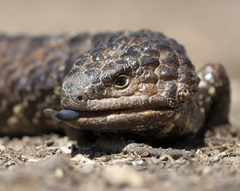
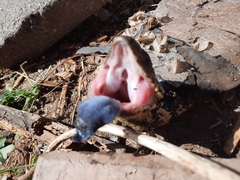
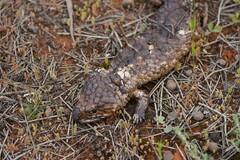
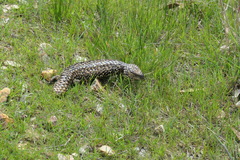
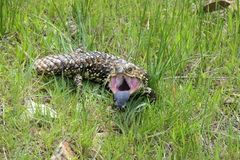
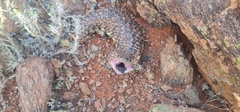
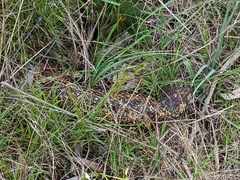
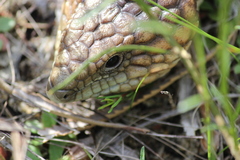
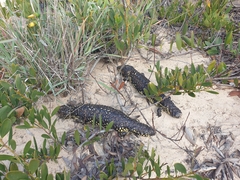
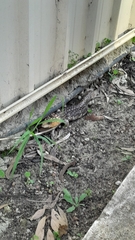
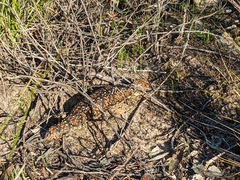
Images from inaturalist.org observations:
We recommend you sign up for this excellent, free service.