Timaliidae: taxon details and analytics
- Domain
- Kingdom
- Animalia
- Phylum
- Chordata
- Class
- Aves
- Order
- Passeriformes
- Family
- Timaliidae
- Genus
- Species
- Scientific Name
- Timaliidae
Summary description from Wikipedia:
Old World babbler
The Old World babblers or Timaliidae, are a family of mostly Old World passerine birds. They are rather diverse in size and coloration, but are characterised by soft, fluffy plumage. These are birds of tropical areas, with the greatest variety in Southeast Asia and the Indian subcontinent. The timaliids are one of two unrelated groups of birds known as babblers, the other being the Australasian babblers of the family Pomatostomidae (also known as pseudo-babblers). This family takes its name from the genus Timalia: this generic name was coined by the French zoologist Georges Cuvier in 1821. Although Cuvier did not explain its etymology, it is thought to be based on a Latinized form of an Asian vernacular name (probably Hindu or Indo-Malaysian languages) for these birds, as many species in this family are native to South and Southeast Asia.
Morphological diversity is rather high; most species resemble "warblers", jays or thrushes. This group is among those Old World bird families with the highest number of species still being discovered.
...Timaliidae in languages:
- Bokmål
- Timalfamilien
- Bokmål
- Timaler
- Chinese
- 畫眉科
- Czech
- timáliovití
- Dutch
- Timalia's
- English
- Tree-Babblers, Scimitar-Babblers, and Allies
- Finnish
- timalit
- French
- Timalies et Pomatorhins
- German
- Timalien
- Hungarian
- timáliák
- Japanese
- チメドリ科
- Korean
- 꼬리치레과
- Russian
- Тимелиевые
- Swedish
- timalior
- Thai
- วงศ์ นกกินแมลง นกระวังไพร
Images from inaturalist.org observations:
We recommend you sign up for this excellent, free service.
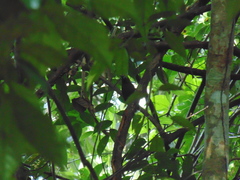
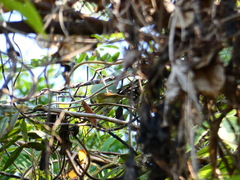
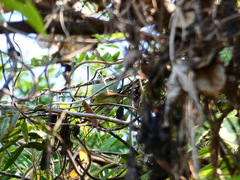
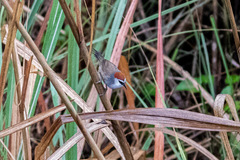
Parent Taxon
Sibling Taxa
- Acanthisittidae
- Acanthizidae
- Acrocephalidae
- Aegithalidae
- Aegithinidae
- Alaudidae
- Artamidae
- Atrichornithidae
- Bernieridae
- Bombycillidae
- Buphagidae
- Calcariidae
- Callaeidae
- Calyptomenidae
- Calyptophilidae
- Campephagidae
- Cardinalidae
- Certhiidae
- Chaetopidae
- Chloropseidae
- Cinclidae
- Cinclosomatidae
- Cisticolidae
- Climacteridae
- Cnemophilidae
- Conopophagidae
- Corcoracidae
- Corvidae
- Cotingidae
- Dasyornithidae
- Dicaeidae
- Dicruridae
- Donacobiidae
- Dulidae
- Elachuridae
- Emberizidae
- Estrildidae
- Eulacestomatidae
- Eupetidae
- Eurylaimidae
- Falcunculidae
- Formicariidae
- Fringillidae
- Furnariidae
- Grallariidae
- Hirundinidae
- Hyliotidae
- Hylocitreidae
- Hypocoliidae
- Icteria × Icterus
- Icteridae
- Icteriidae
- Ifritidae
- Irenidae
- Laniidae
- Leiothrichidae
- Locustellidae
- Machaerirhynchidae
- Macrosphenidae
- Malaconotidae
- Maluridae
- Melampittidae
- Melanocharitidae
- Melanopareiidae
- Meliphagidae
- Menuridae
- Mimidae
- Mitrospingidae
- Modulatricidae
- Mohoidae
- Mohouidae
- Monarchidae
- Motacillidae
- Muscicapidae
- Nectariniidae
- Neosittidae
- Nesospingidae
- Nicatoridae
- Notiomystidae
- Oreoicidae
- Oriolidae
- Orthonychidae
- Oxyruncidae
- Pachycephalidae
- Panuridae
- Paradisaeidae
- Paramythiidae
- Pardalotidae
- Paridae
- Parulidae
- Passerellidae
- Passeridae
- Pellorneidae
- Petroicidae
- Peucedramidae
- Phaenicophilidae
- Philepittidae
- Phylloscopidae
- Picathartidae
- Pipridae
- Pittidae
- Pityriasidae
- Platylophidae
- Platysteiridae
- Ploceidae
- Pnoepygidae
- Polioptilidae
- Pomatostomidae
- Promeropidae
- Prunellidae
- Psophodidae
- Ptiliogonatidae
- Ptilonorhynchidae
- Pycnonotidae
- Regulidae
- Remizidae
- Rhagologidae
- Rhinocryptidae
- Rhipiduridae
- Rhodinocichlidae
- Sapayoidae
- Scotocercidae
- Sittidae
- Spindalidae
- Stenostiridae
- Sturnidae
- Sylviidae
- Teretistridae
- Thamnophilidae
- Thraupidae
- Tichodromidae
- Timaliidae
- Tityridae
- Troglodytidae
- Turdidae
- Tyrannidae
- Urocynchramidae
- Vangidae
- Viduidae
- Vireonidae
- Zeledoniidae
- Zosteropidae