Tmesipteris truncata: taxon details and analytics
- Domain
- Kingdom
- Plantae
- Phylum
- Tracheophyta
- Class
- Polypodiopsida
- Order
- Psilotales
- Family
- Psilotaceae
- Genus
- Tmesipteris
- Species
- Tmesipteris truncata
- Scientific Name
- Tmesipteris truncata
Summary description from Wikipedia:
Tmesipteris truncata
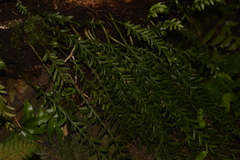
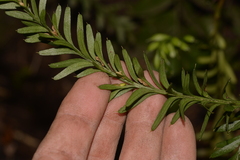
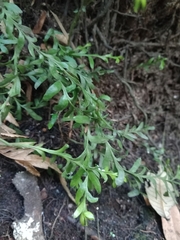
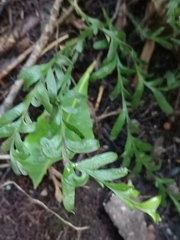
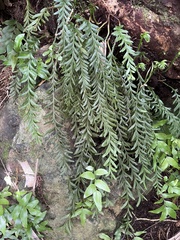
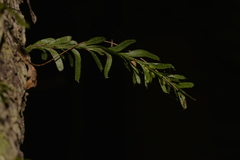
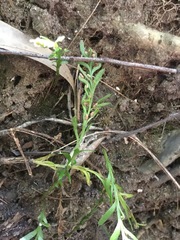
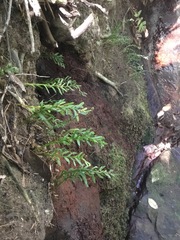
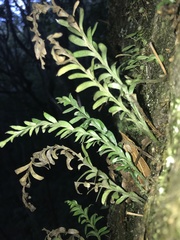
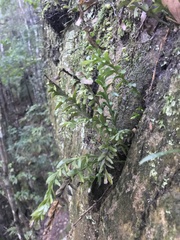
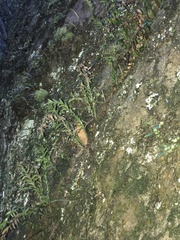
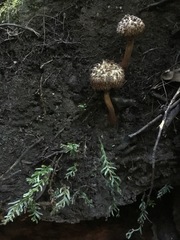
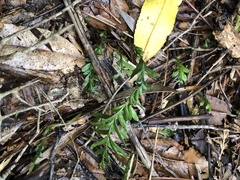
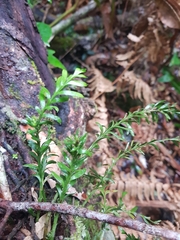
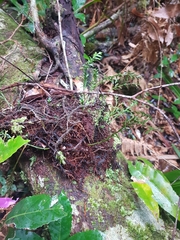
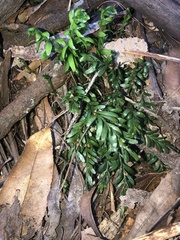
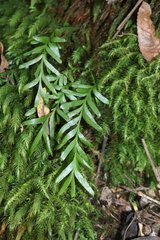
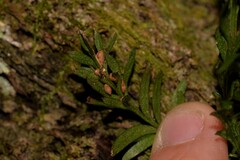
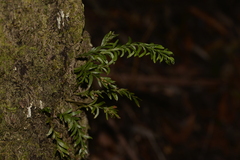
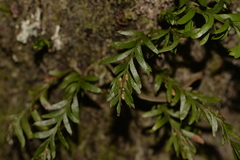
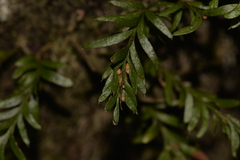
Tmesipteris truncata (aka Tmesipteris oblanceolata) is a fern endemic to eastern Australia. It is commonly called a Fork Fern. The habitat of this primitive plant is under waterfalls, or in sandstone gullies or rainforests. It is often found growing on the base of the King Fern. Usually seen as an epiphyte or lithophyte, but it may also appear as a terrestrial plant. It is found as far south as Mount Dromedary.
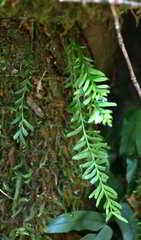
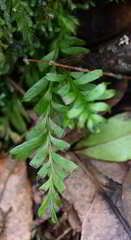
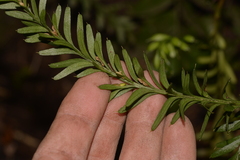
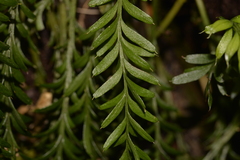
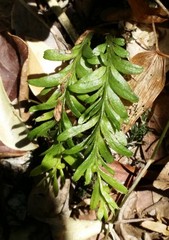
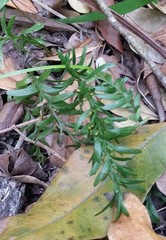
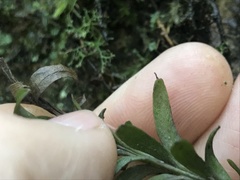
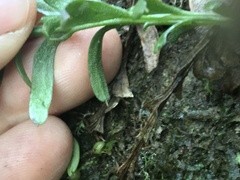
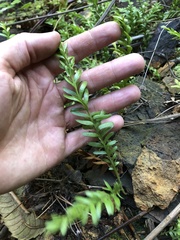
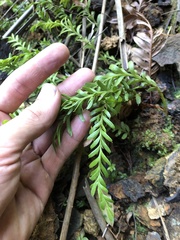
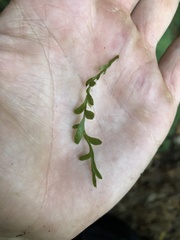
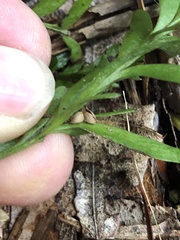
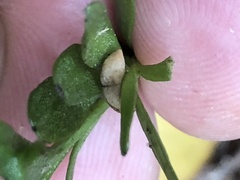
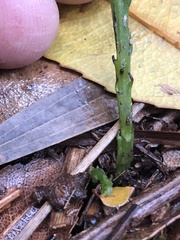
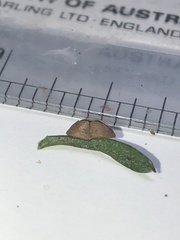
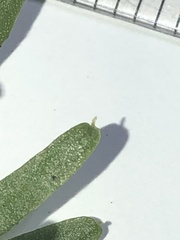
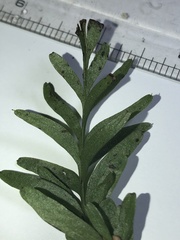
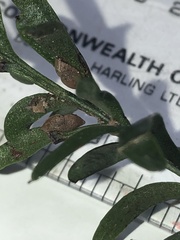
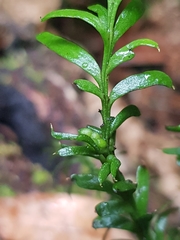
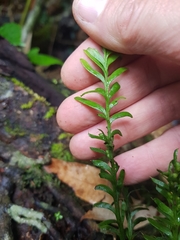
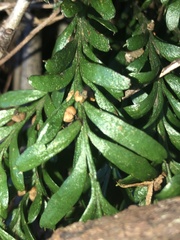
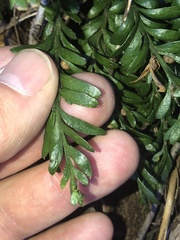
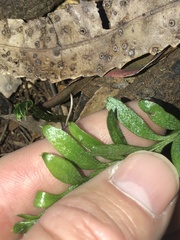
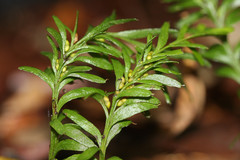
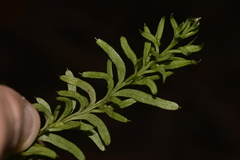
The stems are 15 to 30 cm long, mostly unbranched. Three or four grooves are at the base. The leaves grow shorter at the base, also shorter at the apex of the stems. Leaves are narrow linear to oblong in shape; 15 to 25 mm long, 2 to 5 mm wide. The midvein of the leaf ends in a thin point. Synangia are 3 to 5 mm long.
The specific epithet truncata refers to the leaf tops, which appear abruptly cut off. This plant first appeared in scientific literature in 1810 as Psilotum truncatum in the Prodromus Florae Novae Hollandiae, authored by the prolific Scottish botanist, Robert Brown.
On 31 May 2024, Tmesipteris oblanceolata was reported to have been found to contain the largest known eukaryotic genome, with 160 billion base pairs, by comparison more than 50 times larger than the human genome.
...Tmesipteris truncata in languages:
- English
- Fork Fern
Images from inaturalist.org observations:
We recommend you sign up for this excellent, free service.


Parent Taxon
Sibling Taxa
- Tmesipteris elongata
- Tmesipteris gracilis
- Tmesipteris horomaka
- Tmesipteris lanceolata
- Tmesipteris norfolkensis
- Tmesipteris obliqua
- Tmesipteris oblongifolia
- Tmesipteris ovata
- Tmesipteris parva
- Tmesipteris sigmatifolia
- Tmesipteris solomonensis
- Tmesipteris tannensis
- Tmesipteris truncata
- Tmesipteris vanuatensis
- Tmesipteris vieillardii
- Tmesipteris zamorarum