Tracheophyta: taxon details and analytics
- Domain
- Kingdom
- Plantae
- Phylum
- Tracheophyta
- Class
- Order
- Family
- Genus
- Species
- Scientific Name
- Tracheophyta
Summary description from Wikipedia:
Vascular plant
Vascular plants (from Latin vasculum 'duct'), also called tracheophytes (UK: , US: ) or collectively Tracheophyta (; from Ancient Greek τραχεῖα ἀρτηρία (trakheîa artēría) 'windpipe' and φυτά (phutá) 'plants'), are plants that have lignified tissues (the xylem) for conducting water and minerals throughout the plant. They also have a specialized non-lignified tissue (the phloem) to conduct products of photosynthesis. The group includes most land plants (c. 300,000 accepted known species) excluding mosses.
Vascular plants include the clubmosses, horsetails, ferns, gymnosperms (including conifers), and angiosperms (flowering plants). They are contrasted with nonvascular plants such as mosses and green algae. Scientific names for the vascular plants group include Tracheophyta, Tracheobionta and Equisetopsida sensu lato. Some early land plants (the rhyniophytes) had less developed vascular tissue; the term eutracheophyte has been used for all other vascular plants, including all living ones.
Historically, vascular plants were known as "higher plants", as it was believed that they were further evolved than other plants due to being more complex organisms. However, this is an antiquated remnant of the obsolete scala naturae, and the term is generally considered to be unscientific.
The earliest known tracheophytes, Cooksonia, appeared in the mid-Silurian.
...Tracheophyta in languages:
- Arabic
- نباتات عروقی
- Arabic
- نباتات وعائية
- Belarusian
- Сасудзістыя расліны
- Bokmål
- karplanter
- Bulgarian
- Васкуларни растения
- Catalan
- Traqueobionts
- Catalan
- Plantes vasculars
- Chinese
- 維管束植物門
- Chinese
- 蕨類植物、裸子植物、被子植物
- Croatian
- Vaskularne biljke
- Czech
- Cévnaté rostliny
- Danish
- karplanter
- Dutch
- Vaatplanten
- English
- tracheophytes
- English
- seed plants
- English
- vascular plants
- English
- Trees
- English
- bushes
- English
- tree
- Esperanto
- Vaskulaj Plantoj
- Estonian
- Soontaimed
- Finnish
- Putkilokasvit
- French
- Plantes vasculaires
- French
- Trachéophytes
- German
- Gefäßpflanzen
- Hebrew
- צמחים וסקולריים
- Hungarian
- Szövetes növények
- Indonesian
- Tumbuhan Vaskuler
- Italian
- Piante vascolari
- Italian
- Tracheofite
- Italian
- Tracheobionta
- Japanese
- 維管束植物門
- Korean
- 관속식물문
- Latvian
- Vaskulārie augi
- Lithuanian
- Induočiai
- Modern Greek
- Ανώτερα φυτά
- Modern Greek
- Τραχειόφυτα
- Modern Greek
- Αγγειακά φυτά
- Occitan
- Tracheobionta
- Polish
- Rośliny naczyniowe
- Portuguese
- Plantas Vasculares
- Russian
- Сосудистые растения
- Russian
- Сосудистое растение
- Russian
- Сосудистые
- Sinhala
- සනාල ශාක
- Slovene
- Višje rastline
- Swedish
- Kärlväxter
- Thai
- พืชมีท่อลำเลียง
- Turkish
- Damarlı Bitkiler
- Ukrainian
- Судинні рослини
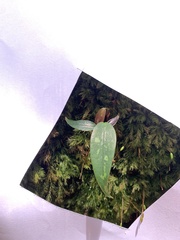
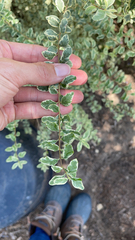
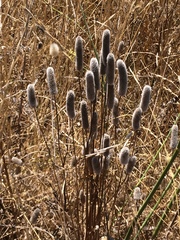
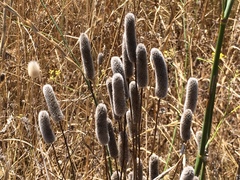
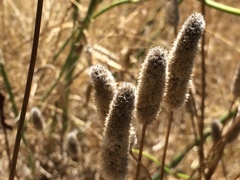
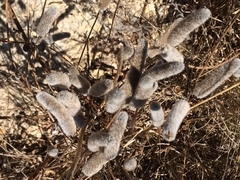
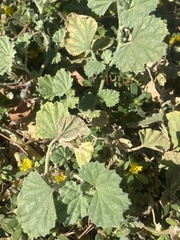
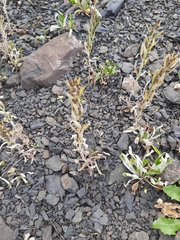
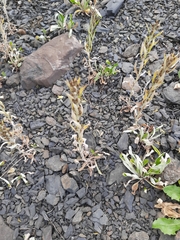
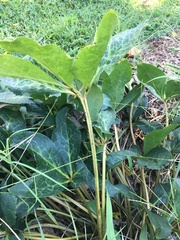
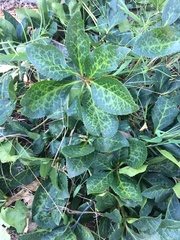
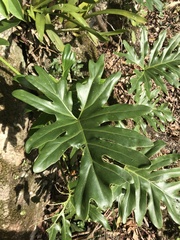
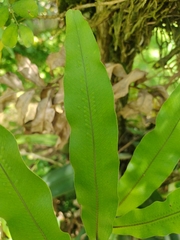
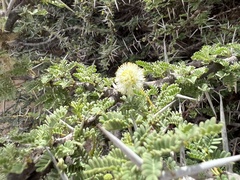
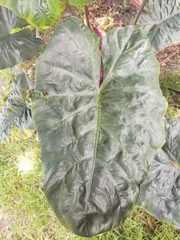
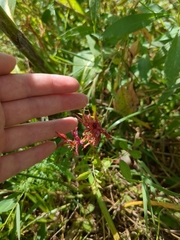
Images from inaturalist.org observations:
We recommend you sign up for this excellent, free service.
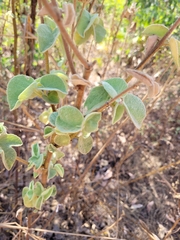
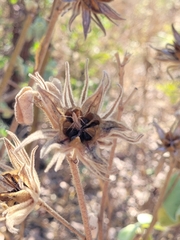
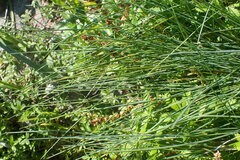
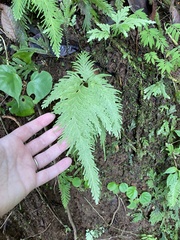
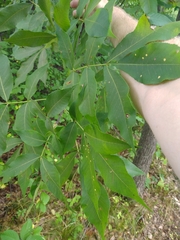
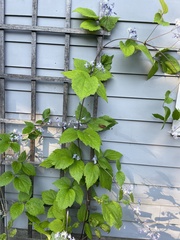
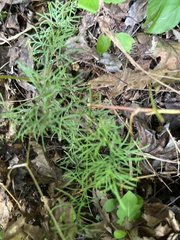
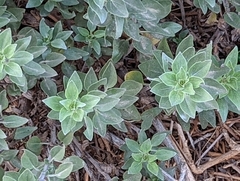
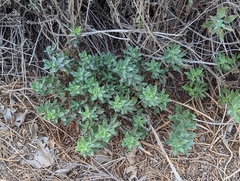
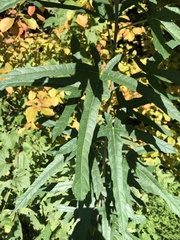
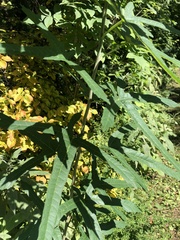
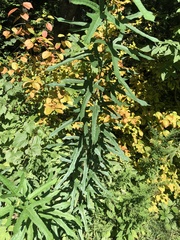
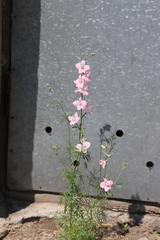
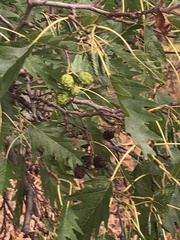
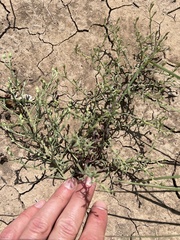
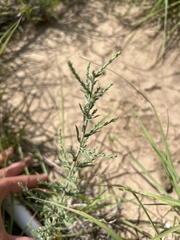
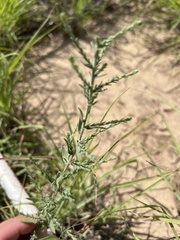
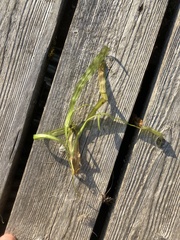
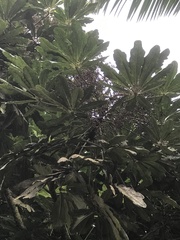
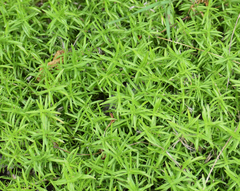
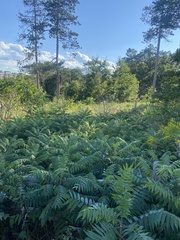
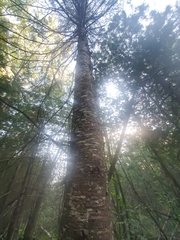
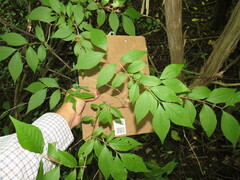
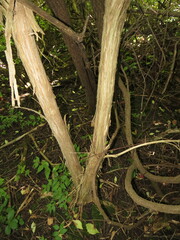
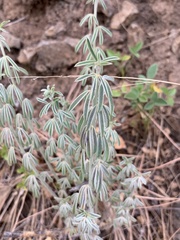
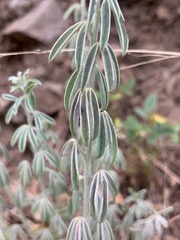
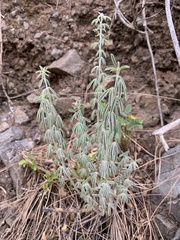
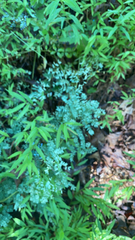
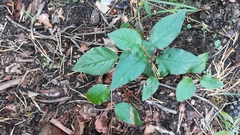
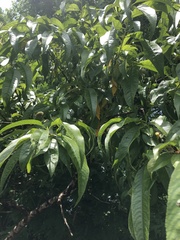
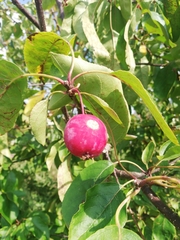
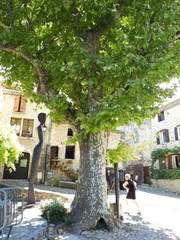
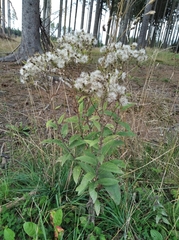
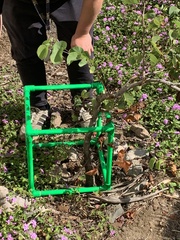
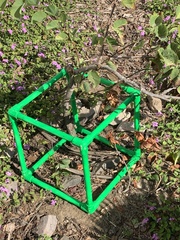
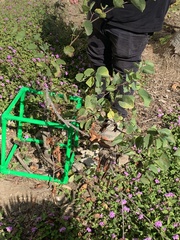
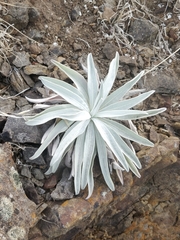
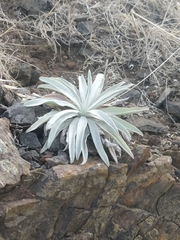
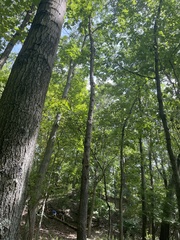
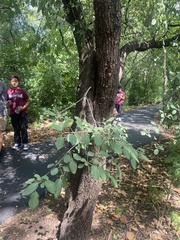
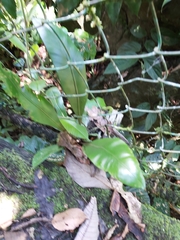
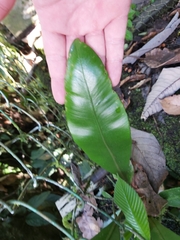
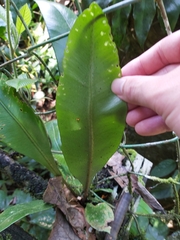
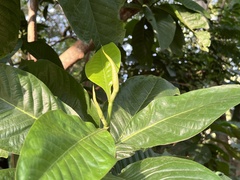
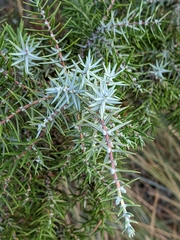
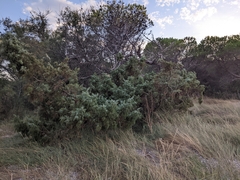
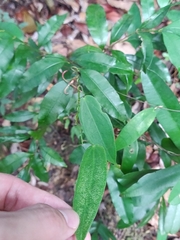
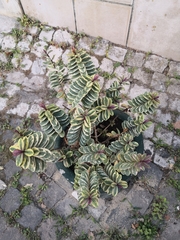
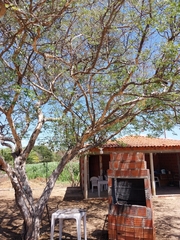
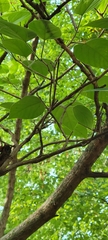
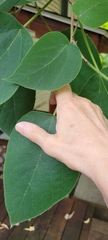
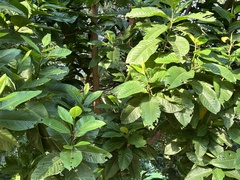
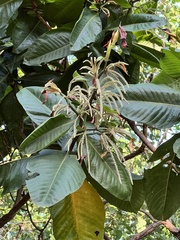
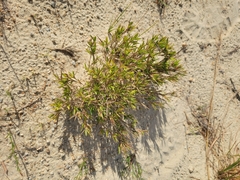
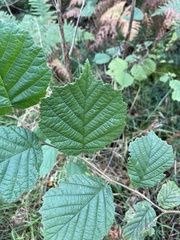
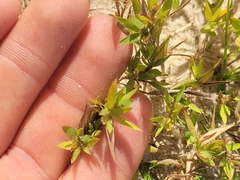
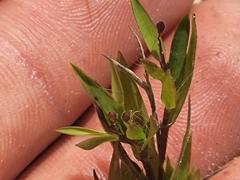
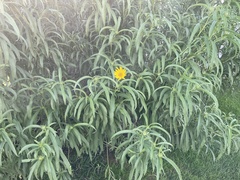
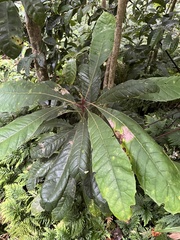
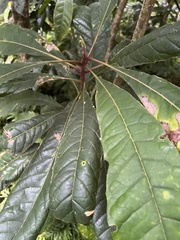
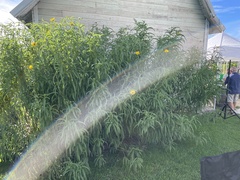
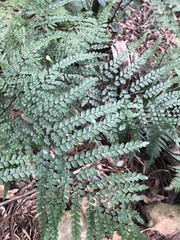
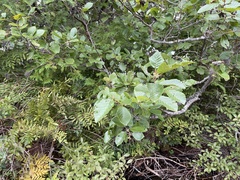
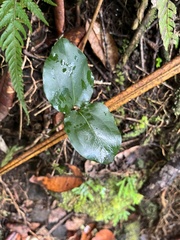
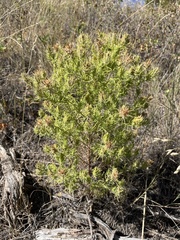
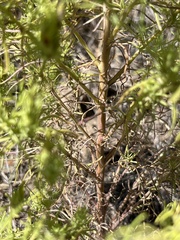
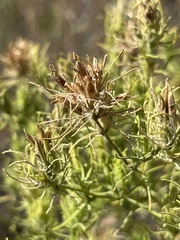
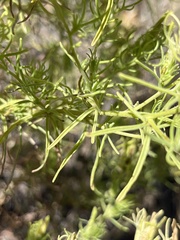
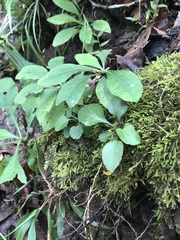
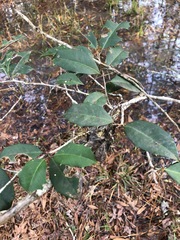
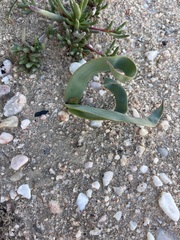
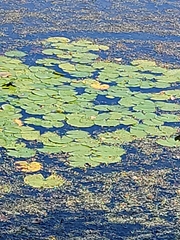
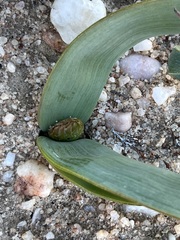
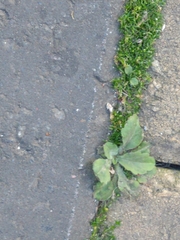
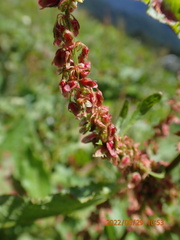
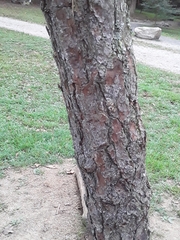
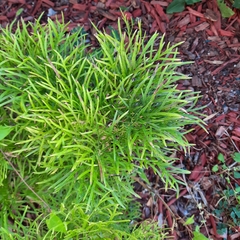
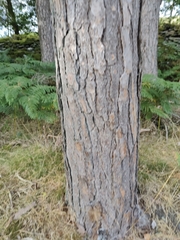
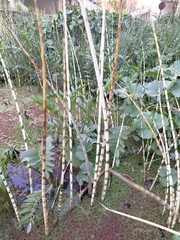
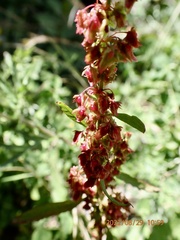
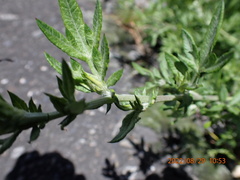
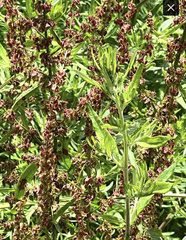
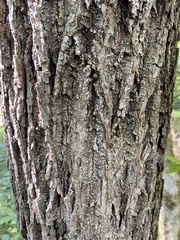
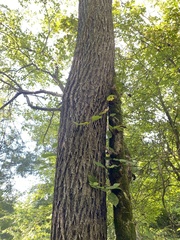
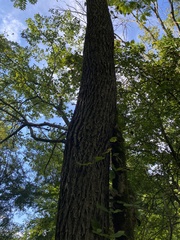
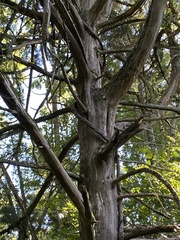
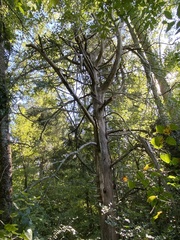
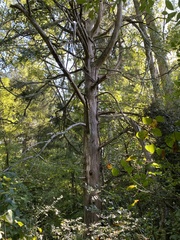
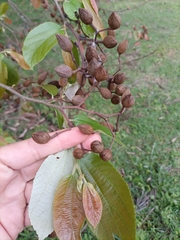
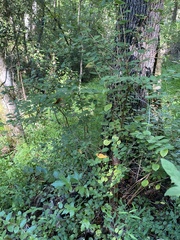
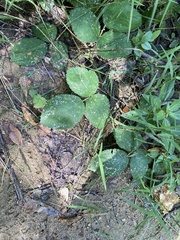
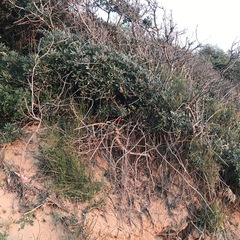
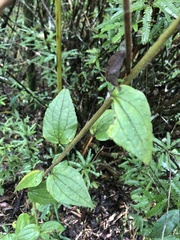
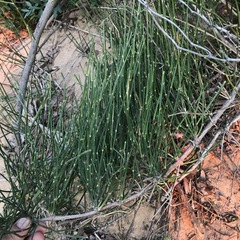
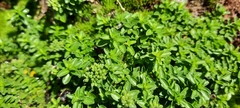
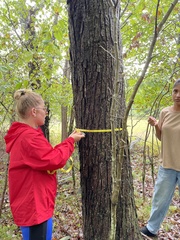
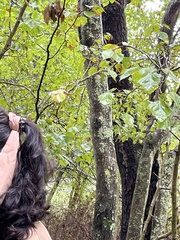
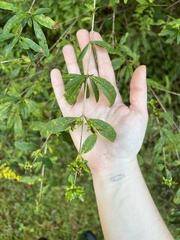
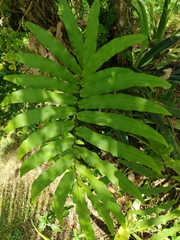
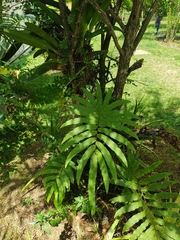
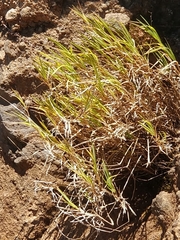
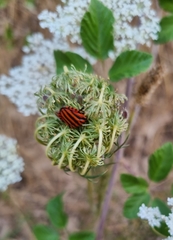
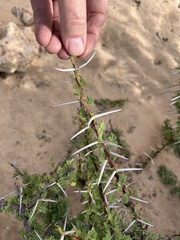
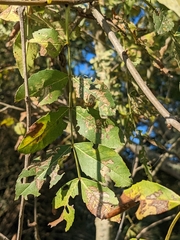
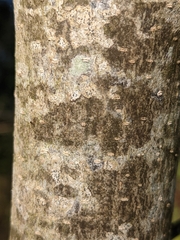
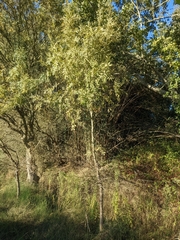

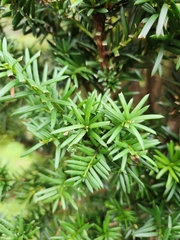
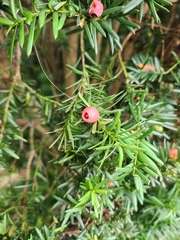
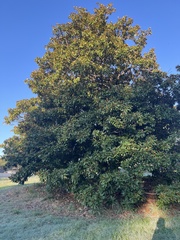
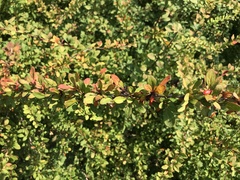
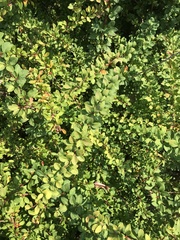
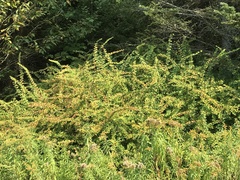
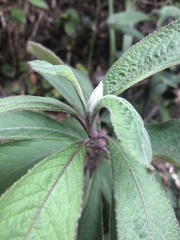
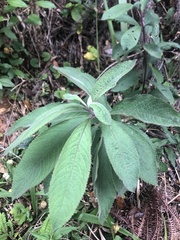
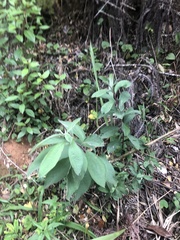
Parent Taxon
Sibling Taxa
Top Observation Places
- Braga
- Tarragona
- Antibes
- Clermont-Ferrand
- Tulcán
- Aleksin
- Al Muharraq
- Mestre
- Santa Cruz de la Sierra
- Thiruvananthapuram
- Pyatigorsk
- Sergiyev Posad
- Wollongong
- Mansilingan
- Feodosiya
- Tyumen
- Québec
- Manizales
- Greenville
- Bogor
- Tuxtepec
- Split
- Concepción
- Tamworth
- Aveiro
- Iquitos
- Saratov
- Noida
- Salta
- Zhukovskiy
- Heroica Guaymas
- Utica
- La Crosse
- Medford
- Salvador
- Irapuato
- Rochester
- Carlisle
- Kraków
- Mezhdurechensk
- Necochea
- Saskatoon
- Tel Aviv
- Bnei Brak
- Ramat Gan
- Givatayim
- Budapest
- Zugló
- Budapest XIII. kerület
- Angyalföld