Xenarthra: taxon details and analytics
- Domain
- Kingdom
- Animalia
- Phylum
- Chordata
- Class
- Mammalia
- Order
- Family
- Genus
- Species
- Scientific Name
- Xenarthra
Summary description from Wikipedia:
Xenarthra
Xenarthra (; from Ancient Greek ξένος (xénos), meaning "strange, foreign", and ἄρθρον (árthron), meaning "joint") is a superorder and major clade of placental mammals native to the Americas. There are 31 living species: the anteaters, tree sloths, and armadillos. Extinct xenarthrans include the glyptodonts, pampatheres and ground sloths, with some glyptodonts and ground sloths reaching sizes of several tonnes, much larger than any living xenarthran. Xenarthrans originated in South America during the late Paleocene about 60 million years ago. They evolved and diversified extensively in South America during the continent's long period of isolation in the early to mid Cenozoic Era. They spread to the Antilles by the early Miocene and, starting about 10 million years ago, spread to Central and North America as part of the Great American Interchange. Nearly all of the formerly abundant megafaunal xenarthrans became extinct at the end of the Pleistocene as part of the end-Pleistocene extinction event.
...Xenarthra in languages:
- Arabic
- غريبات المفاصل
- Bokmål
- Gomlere
- Catalan
- Xenartres
- Chinese
- 異關節總目
- Danish
- Sydamerikanske gumlere
- English
- Armadillos, Sloths, and Anteaters
- English
- Xenarthrans
- Esperanto
- Armadillos, sledoj kaj anteatroj
- Finnish
- vajaahampaiset
- French
- Xénarthres
- German
- Nebengelenktiere
- Hungarian
- vendégízületesek
- Japanese
- 異節上目
- Polish
- Szczerbaki
- Portuguese
- Tatus, Preguiças e Tamanduás
- Russian
- Ксенартры
- Swedish
- trögdjur
- Thai
- อันดับใหญ่ สลอธ ตัวกินมด และอื่น ๆ
- Ukrainian
- Неповнозубі
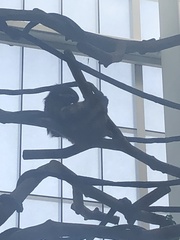
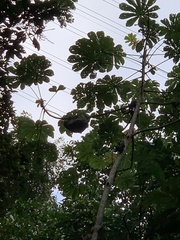
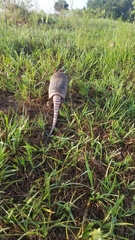
Images from inaturalist.org observations:
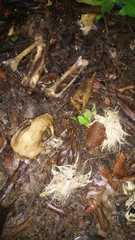
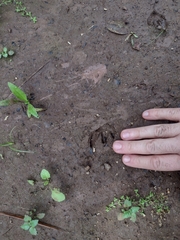
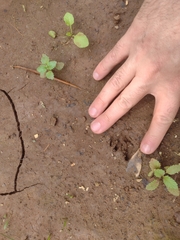
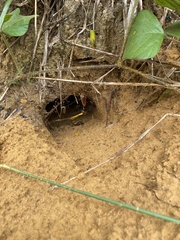
We recommend you sign up for this excellent, free service.