Xylocopa pubescens: taxon details and analytics
- Domain
- Kingdom
- Animalia
- Phylum
- Arthropoda
- Class
- Insecta
- Order
- Hymenoptera
- Family
- Apidae
- Genus
- Xylocopa
- Species
- Xylocopa pubescens
- Scientific Name
- Xylocopa pubescens
Summary description from Wikipedia:
Xylocopa pubescens
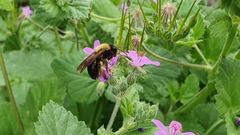
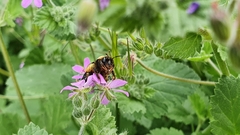
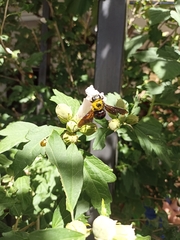
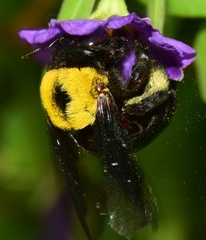
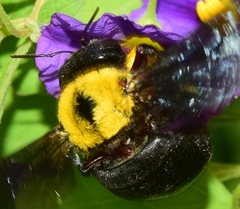
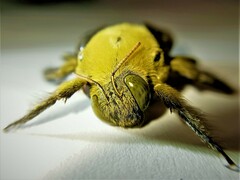
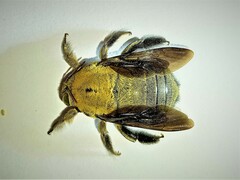
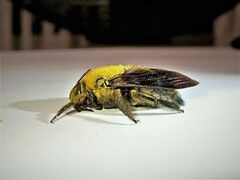
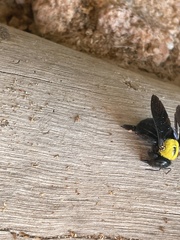
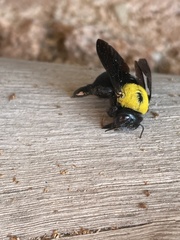
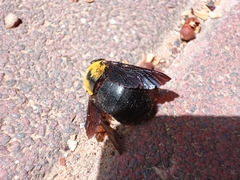
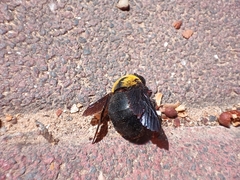
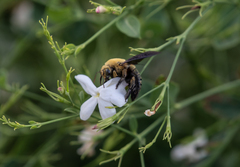
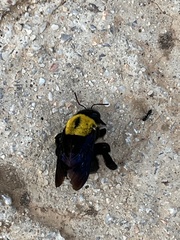
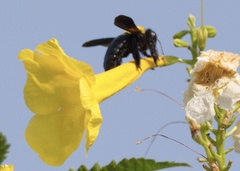
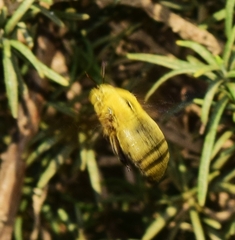
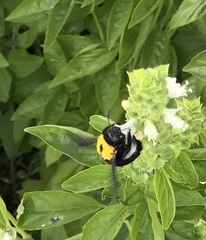
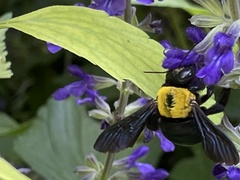
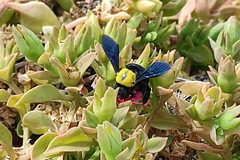
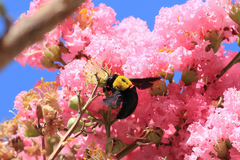
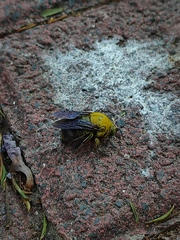
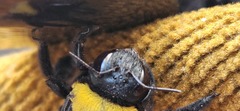
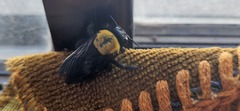
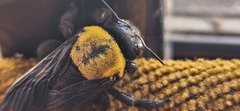
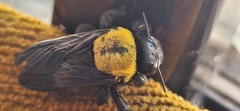
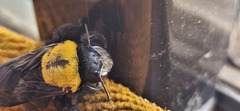
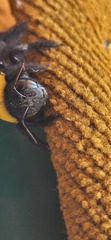
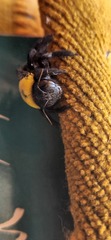
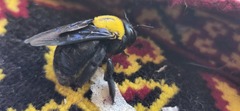
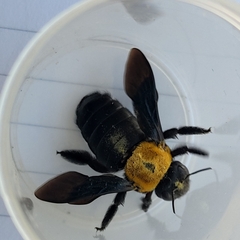
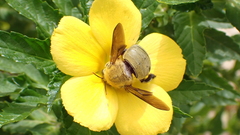
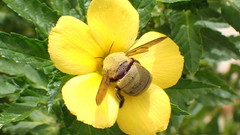
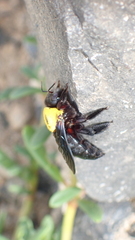
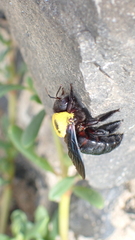
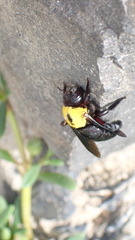
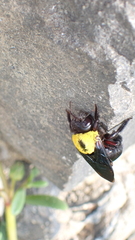
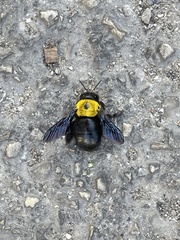
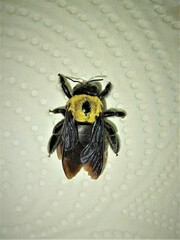
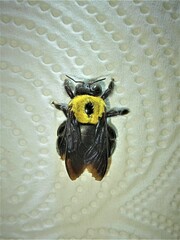
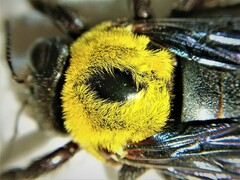
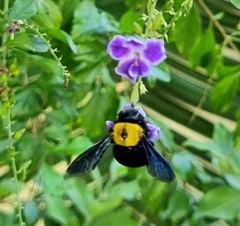
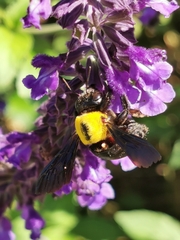
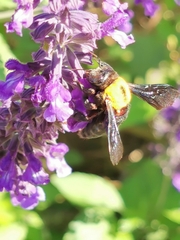
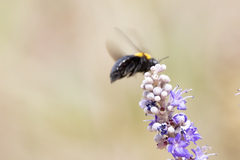
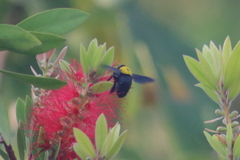
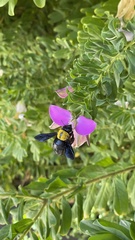
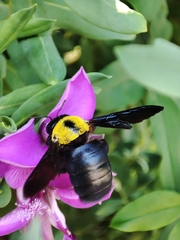
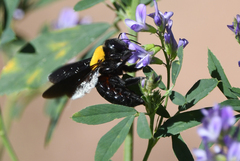
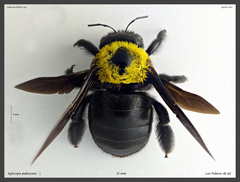
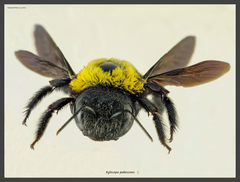
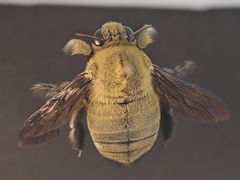
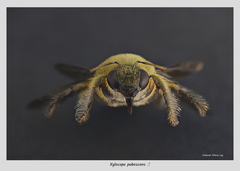
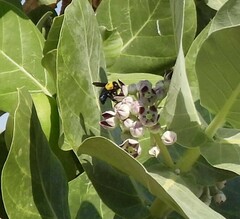
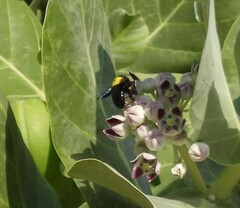
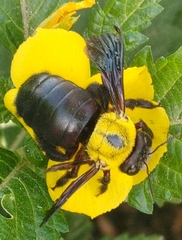
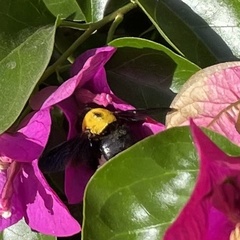
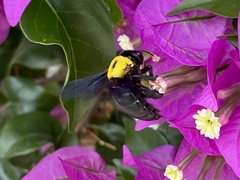
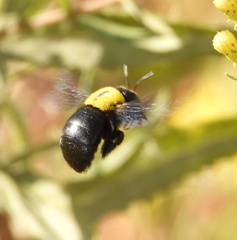
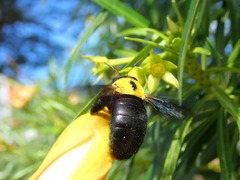
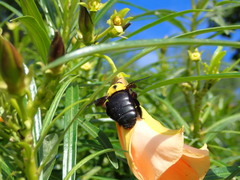
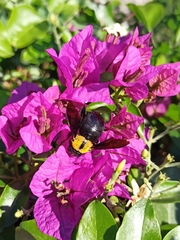
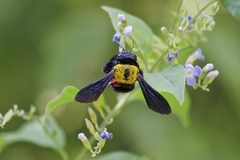
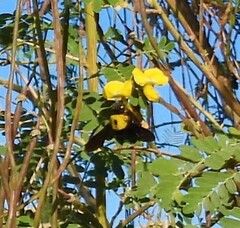
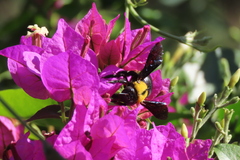
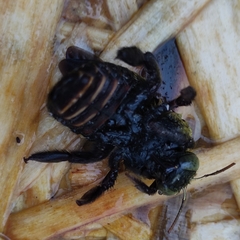
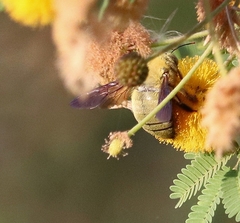
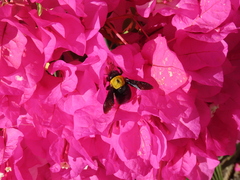
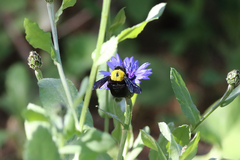
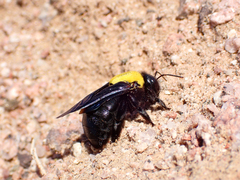
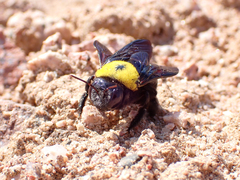
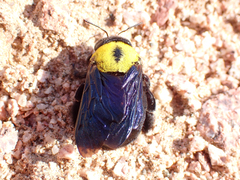
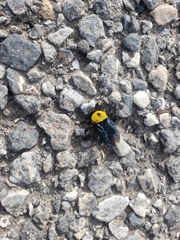
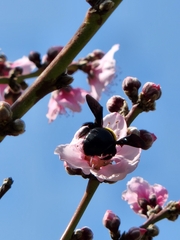
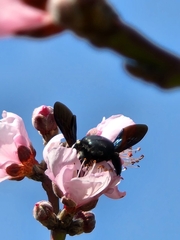
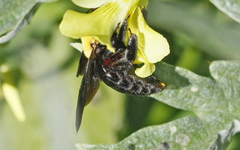
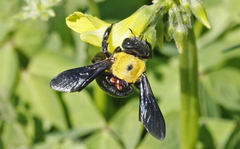
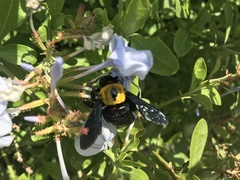
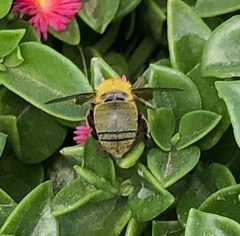
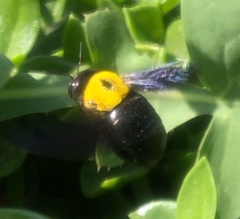
Xylocopa pubescens is a species of large carpenter bee. Females form nests by excavation with their mandibles, often in dead or soft wood. X. pubescens is commonly found in areas extending from India to Northeast and West Africa. It must reside in these warm climates because it requires a minimum ambient temperature of 18 °C (64 °F) in order to forage.
A common area of study in X. pubescens is its dominance hierarchy and guarding behavior. Colonies start and end with female takeover, either by daughters of the dominant female or by foreign intruders. There is only one reproductively active female in a colony at a time who suppresses the reproduction of other females in the nest. Males hold individual territories which females enter to mate. When an intruder enters another male's territory, the male responds aggressively.
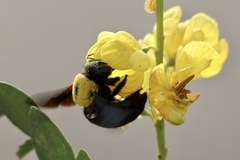
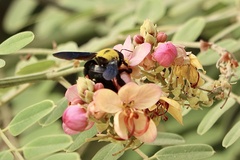
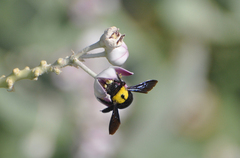
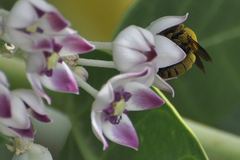
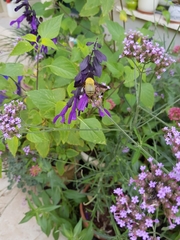
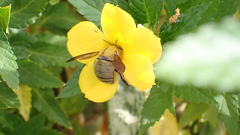
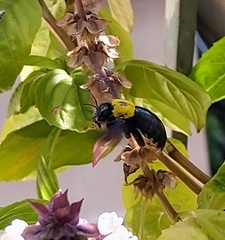
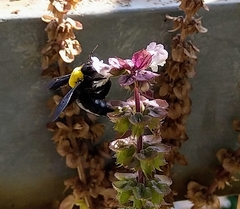
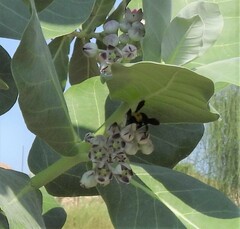
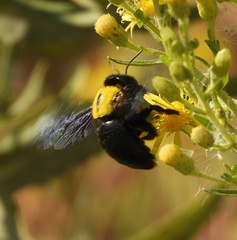
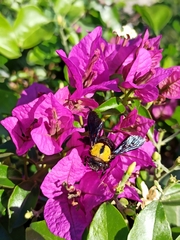
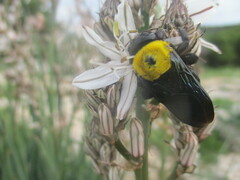
X. pubescens is polylectic, so it forages on many species of plants. It forages on some plants for nectar when preparing bee bread during ontogenesis and forages on others for pollen to feed offspring. Pheromones from Dufour's gland are vital to mark flowers previously visited and also to mark nests so that the foraging bees know where to return. X. pubescens is known to be an effective pollinator, often more effective than honeybees, but it is not commonly used in today's agricultural settings.
...Xylocopa pubescens in languages:
- English
- Pubescent Carpenter Bee
- Hebrew
- דבורת-עץ צהובה
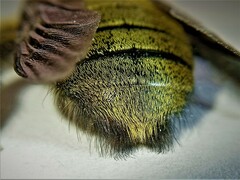
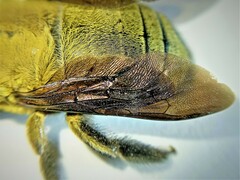
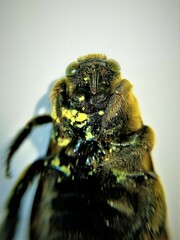
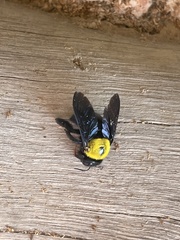
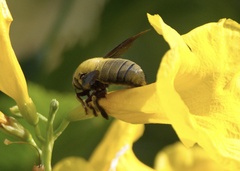
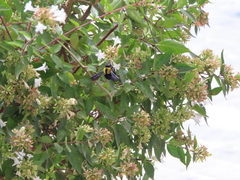
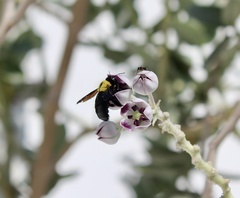
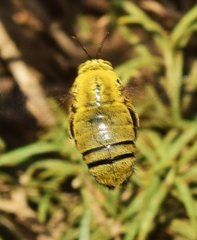
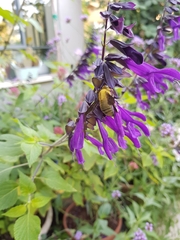
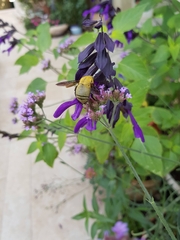
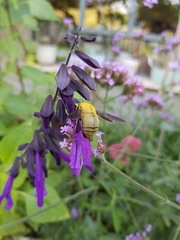
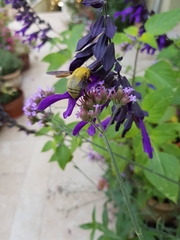
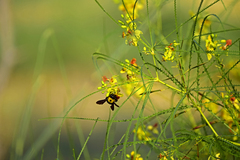
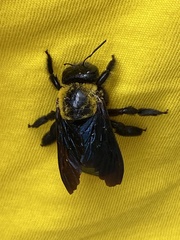
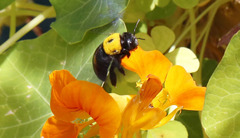
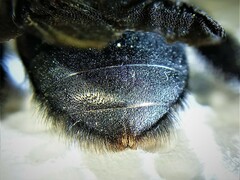
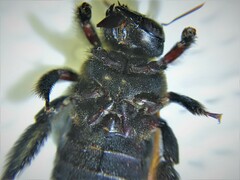
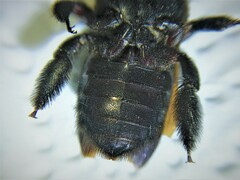
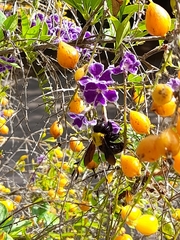
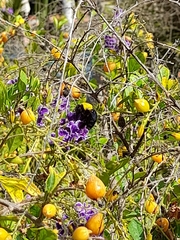
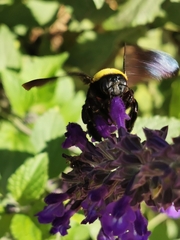
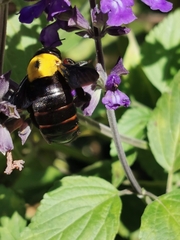
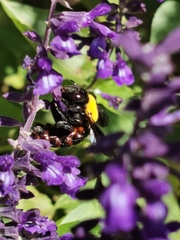
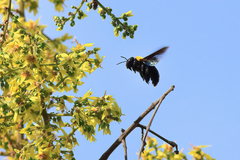
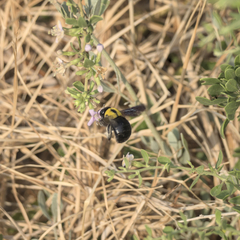
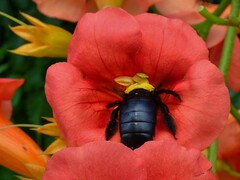
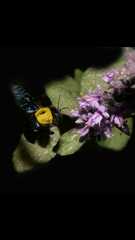
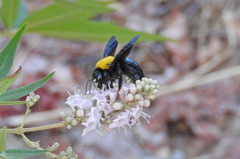
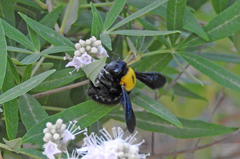
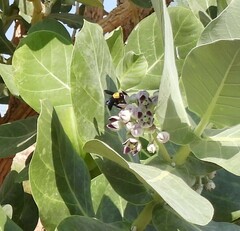
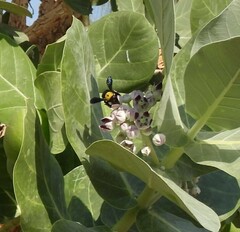
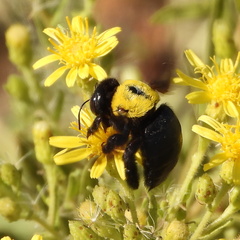
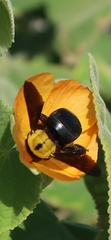
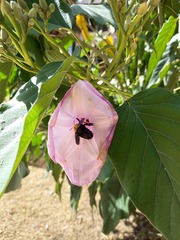
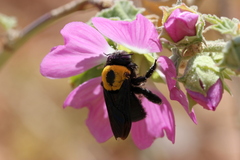
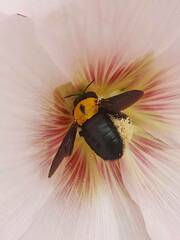
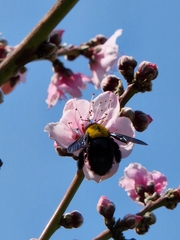
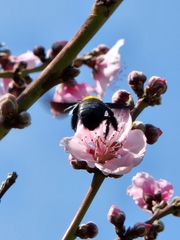
Images from inaturalist.org observations:
We recommend you sign up for this excellent, free service.
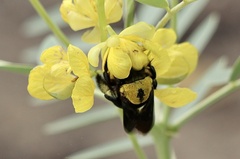

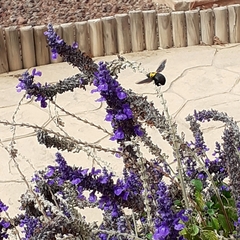
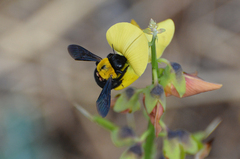
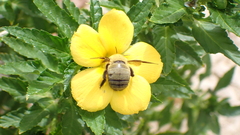
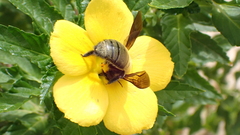



Parent Taxon
Sibling Taxa
- Xylocopa africana
- Xylocopa albiceps
- Xylocopa alticola
- Xylocopa apicalis
- Xylocopa aurorea
- Xylocopa bequaerti
- Xylocopa caffra
- Xylocopa calcarata
- Xylocopa calens
- Xylocopa caloptera
- Xylocopa capensis
- Xylocopa citrina
- Xylocopa cloti
- Xylocopa codinai
- Xylocopa dibongoana
- Xylocopa distinguenda
- Xylocopa dolosa
- Xylocopa duala
- Xylocopa erlangeri
- Xylocopa escalerai
- Xylocopa esica
- Xylocopa flavicollis
- Xylocopa forsiusi
- Xylocopa fulva
- Xylocopa gabonica
- Xylocopa imitator
- Xylocopa incandescens
- Xylocopa insola
- Xylocopa isabelleae
- Xylocopa langi
- Xylocopa lateritia
- Xylocopa lepeletieri
- Xylocopa leucothoracoides
- Xylocopa luteola
- Xylocopa modesta
- Xylocopa negligenda
- Xylocopa nigrella
- Xylocopa nigricans
- Xylocopa nigricaula
- Xylocopa nigrita
- Xylocopa nigroplagiata
- Xylocopa nyassica
- Xylocopa obscurata
- Xylocopa olivacea
- Xylocopa orthosiphonis
- Xylocopa praeusta
- Xylocopa preussi
- Xylocopa pseudoleucothorax
- Xylocopa pubescens
- Xylocopa schoana
- Xylocopa scioensis
- Xylocopa senex
- Xylocopa senior
- Xylocopa sinensis
- Xylocopa sphinx
- Xylocopa stanleyi
- Xylocopa suspiciosa
- Xylocopa sycophanta
- Xylocopa tayabanica
- Xylocopa togoensis
- Xylocopa varipes
- Xylocopa watmoughi
Top Observation Places
- Cairo
- Málaga
- East Jerusalem
- West Jerusalem
- Haifa
- Las Palmas de Gran Canaria
- Tel Aviv
- Rishon LeTsiyyon
- Petaẖ Tiqva
- Bnei Brak
- H̱olon
- Ramat Gan
- Reẖovot
- Herzliya
- Lod
- Ramla
- Hod HaSharon
- Givatayim
- Ness Ziona
- Athens
- Piraeus
- Peristéri
- Kallithéa
- Níkaia
- Glyfáda
- Ílion
- Ilioúpoli
- Néa Smýrni
- Agios Dimitrios
- Zográfos
- Aigáleo
- Palaió Fáliro
- Korydallós
- Výronas
- Galátsi