Accipitridae: taxon details and analytics
- Domain
- Kingdom
- Animalia
- Phylum
- Chordata
- Class
- Aves
- Order
- Accipitriformes
- Family
- Accipitridae
- Genus
- Species
- Scientific Name
- Accipitridae
Summary description from Wikipedia:
Accipitridae
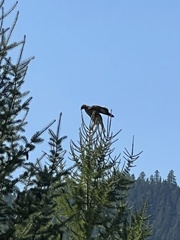
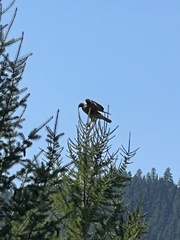
The Accipitridae () is one of the four families within the order Accipitriformes, and is a family of small to large birds of prey with strongly hooked bills and variable morphology based on diet. They feed on a range of prey items from insects to medium-sized mammals, with a number feeding on carrion and a few feeding on fruit. The Accipitridae have a cosmopolitan distribution, being found on all the world's continents (except Antarctica) and a number of oceanic island groups. Some species are migratory. The family contains 256 species which are divided into 12 subfamilies and 75 genera.
Many well-known birds such as hawks, eagles, kites, harriers and Old World vultures are included in this group. The osprey is usually placed in a separate family (Pandionidae), as is the secretary bird (Sagittariidae), and the New World vultures are also usually now regarded as a separate family or order. Karyotype data indicate the accipitrids analysed are indeed a distinct monophyletic group.
...Accipitridae in languages:
- Afrikaans
- Aasvoëls en Arende
- Belarusian
- Ястрабіныя
- Bokmål
- Haukefamilien
- Bulgarian
- Ястребови
- Catalan
- Accipítrids
- Chinese
- 鷹科
- Czech
- jestřábovití
- Danish
- Glenter, ørne og høge
- Dutch
- Wouwen, Haviken en Arenden
- Dutch
- Havikachtigen
- English
- Hawks, Eagles, and Kites
- English
- Old World Vultures
- Estonian
- Haugaslased
- Finnish
- haukat
- German
- Habichtartige
- Hebrew
- נציים
- Hungarian
- vágómadárfélék
- Italian
- Accipitridi
- Japanese
- タカ科
- Korean
- 수리과
- Lithuanian
- Vanaginiai
- Modern Greek
- Αετίδες
- Polish
- Jastrzębiowate
- Portuguese
- Águias, Gaviões, Milhafres e afins
- Russian
- Ястребиные
- Swedish
- hökartade rovfåglar
- Thai
- เหยี่ยว นกอินทรี
- Turkish
- Atmacagiller
- Ukrainian
- Яструбові
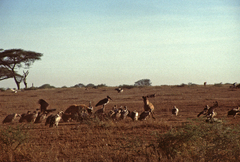
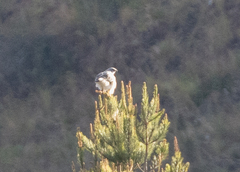
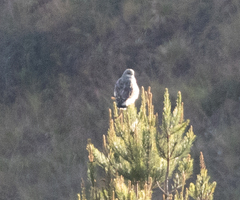
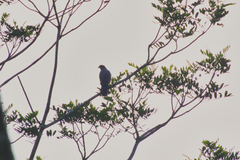
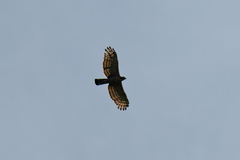
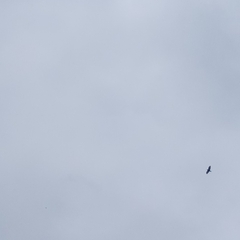
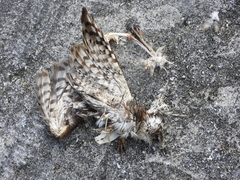
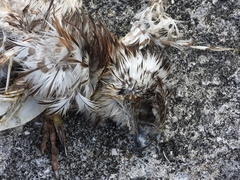
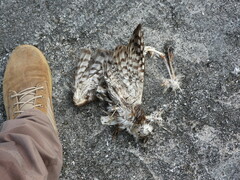
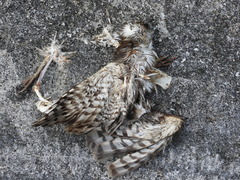
Images from inaturalist.org observations:
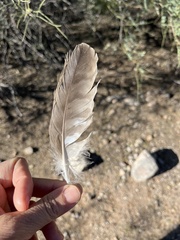
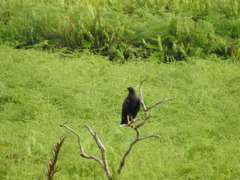
We recommend you sign up for this excellent, free service.
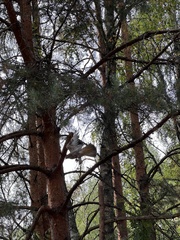
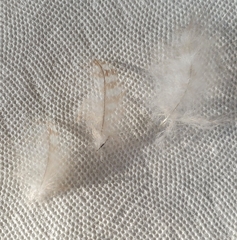
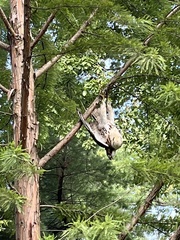
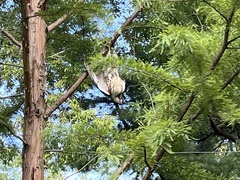
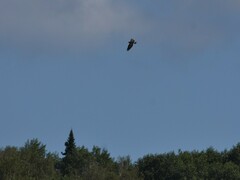
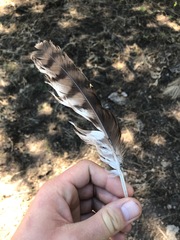
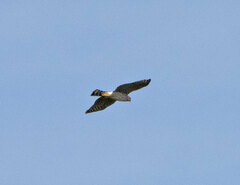
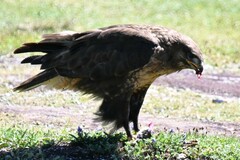
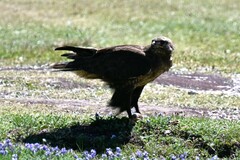
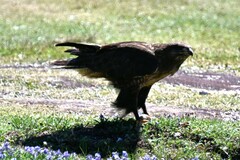
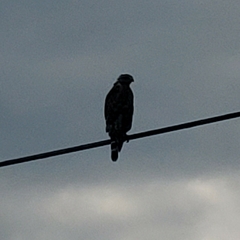
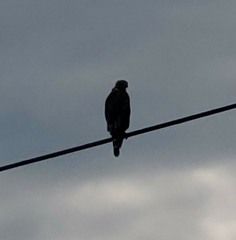
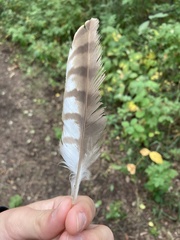
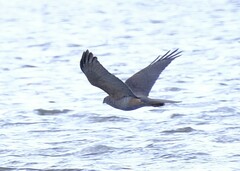
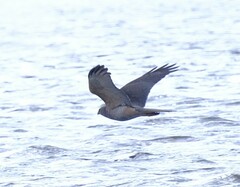

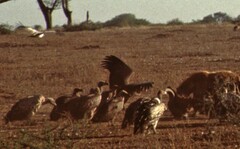
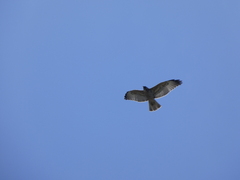
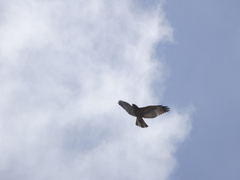
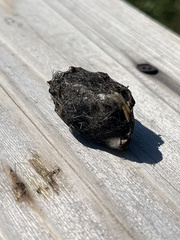
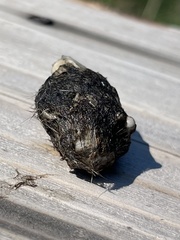
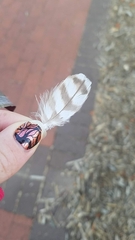
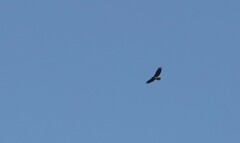
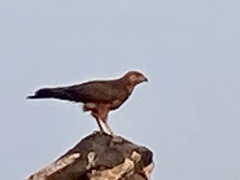

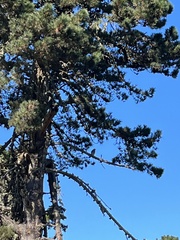
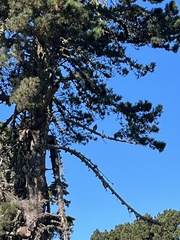
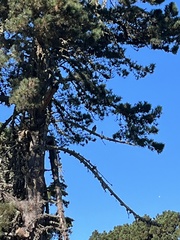
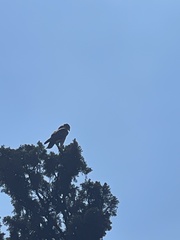
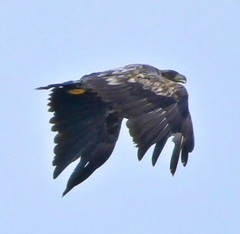
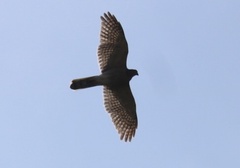
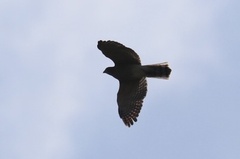
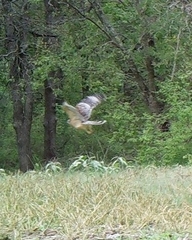
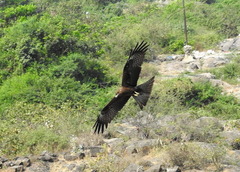
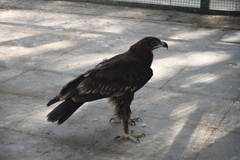
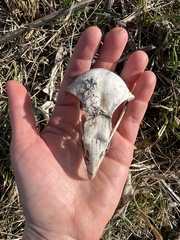
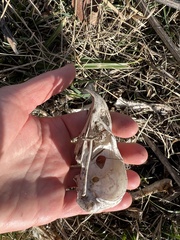
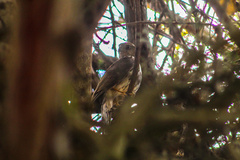
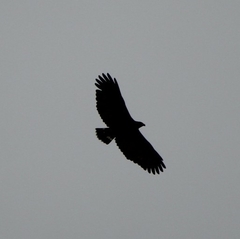
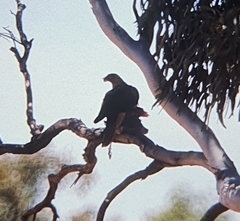
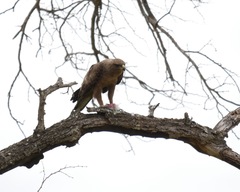


Parent Taxon
Sibling Taxa
Child Taxa
- Accipiter
- Aegypius
- Aquila
- Aviceda
- Bermuteo
- Busarellus
- Butastur
- Buteo
- Buteogallus
- Buteogallus × Buteo
- Chelictinia
- Chondrohierax
- Circaetus
- Circus
- Clanga
- Cryptoleucopteryx
- Dryotriorchis
- Elanoides
- Elanus
- Erythrotriorchis
- Eutriorchis
- Gampsonyx
- Geranoaetus
- Geranospiza
- Gypaetus
- Gypohierax
- Gyps
- Haliaeetus
- Haliastur
- Hamirostra
- Harpagus
- Harpia
- Harpyopsis
- Helicolestes
- Henicopernis
- Hieraaetus
- Ictinaetus
- Ictinia
- Kaupifalco
- Leptodon
- Leucopternis
- Lophaetus
- Lophoictinia
- Lophotriorchis
- Macheiramphus
- Megatriorchis
- Melierax
- Micronisus
- Microspizias
- Milvus
- Morphnarchus
- Morphnus
- Necrosyrtes
- Neophron
- Nisaetus
- Parabuteo
- Pernis
- Pithecophaga
- Polemaetus
- Polyboroides
- Pseudastur
- Rostrhamus
- Rupornis
- Sarcogyps
- Spilornis
- Spizaetus
- Stephanoaetus
- Terathopius
- Titanohierax
- Torgos
- Trigonoceps
- Urotriorchis
Top Observation Places
- Orekhovo-Borisovo Severnoye
- Windhoek
- Brownsville
- Shulin
- Reading
- Towson
- Santa Maria
- Lund
- Fulham
- Putney
- Chelsea
- Pune
- Shivaji Nagar
- Montréal
- Pompano Beach
- Ames
- San Clemente
- Canoga Park
- Pātan
- Waterloo
- Playa del Carmen
- Lubbock
- Providence
- Cranston
- Winnipeg
- Palm Harbor
- Reno
- Columbia
- Ellicott City
- Weining
- Glazov
- Surrey
- Haverhill
- Thāne
- Nairobi
- Norwalk
- East Norwalk
- Portland
- Beaverton
- Santa Rosa
- Chapel Hill
- Mysore
- Guadalupe
- Lake Forest
- Broomfield
- Xalapa de Enríquez
- Gainesville
- Pomona
- Seattle
- Shoreline