Aesculus: taxon details and analytics
- Domain
- Kingdom
- Plantae
- Phylum
- Tracheophyta
- Class
- Magnoliopsida
- Order
- Sapindales
- Family
- Sapindaceae
- Genus
- Aesculus
- Species
- Scientific Name
- Aesculus
Summary description from Wikipedia:
Aesculus
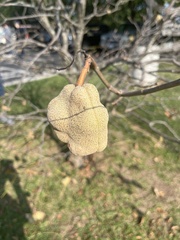
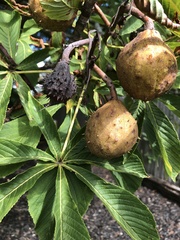
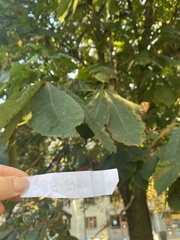
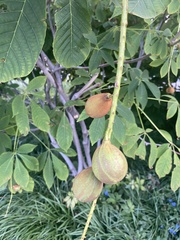
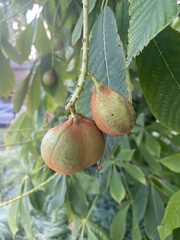
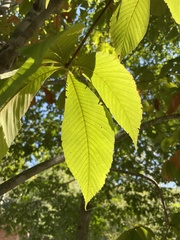
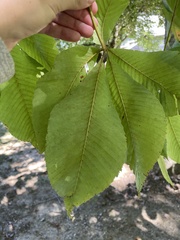
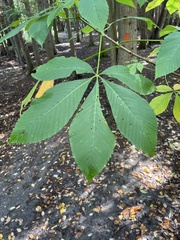
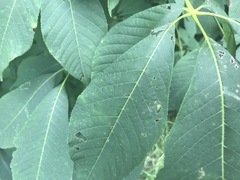
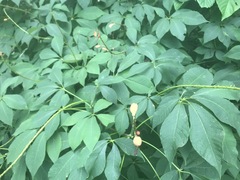
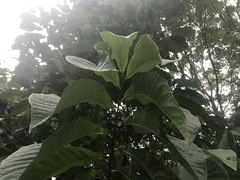
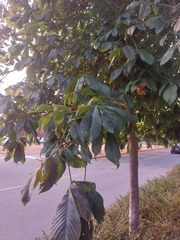
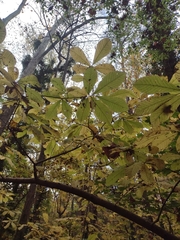
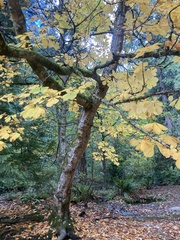
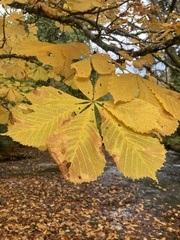
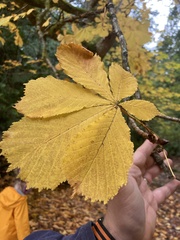
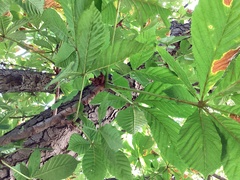
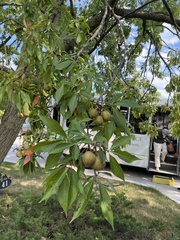
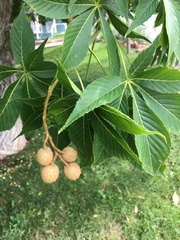
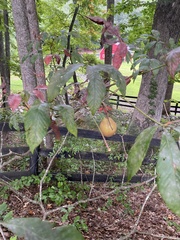
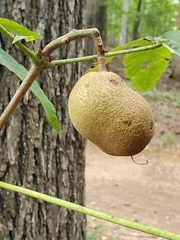
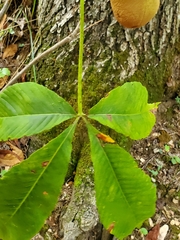
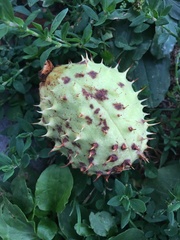
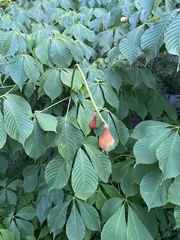
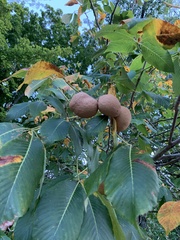
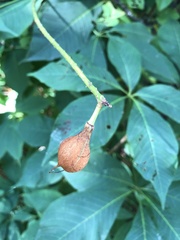
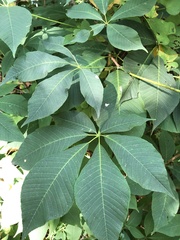
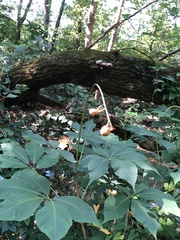
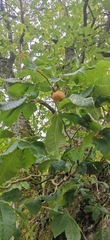
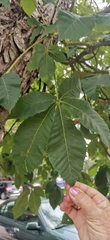
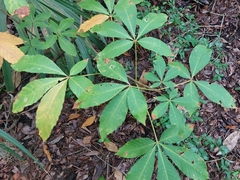
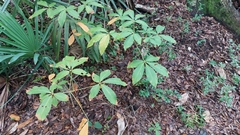
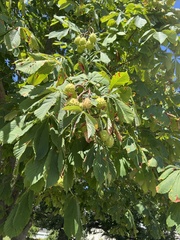
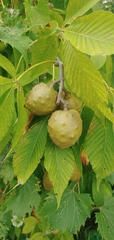
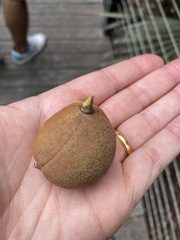
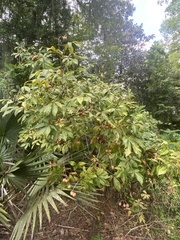
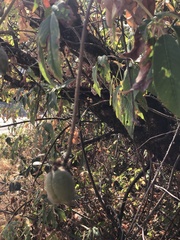
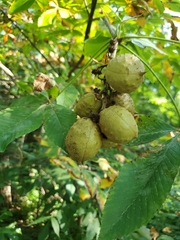
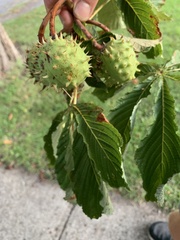
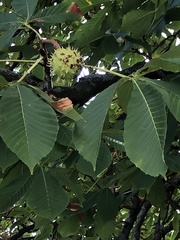
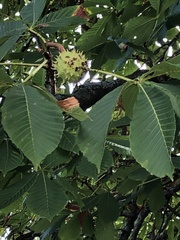
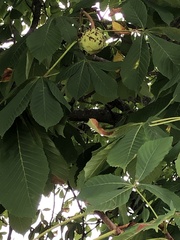
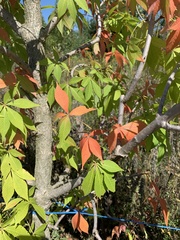
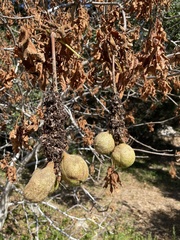
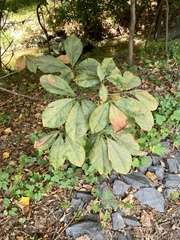
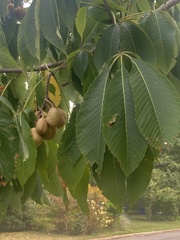
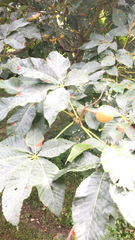
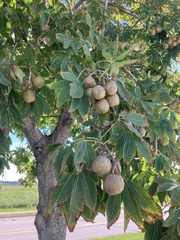
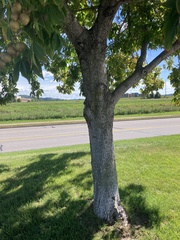
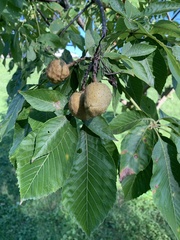
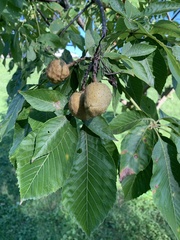
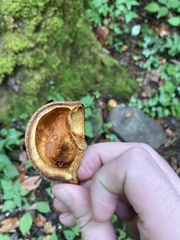
The genus Aesculus () is a genus of flowering plants in the family Sapindaceae. They are trees and shrubs, mostly native to the temperate Northern Hemisphere, but one species (A. assamica) into subtropical areas of southeast Asia. The Plants of the World Online (POWO) database currently accepts 12 species, with seven species native to North America, four native to Asia, and one native to Europe; some other authors have accepted more species. Hardin (1957-1960) accepted 13 species, the Trees and Shrubs Online website cites "13–15" species with descriptions given for 14 species, and Harris et al. (2009) accepted 16 species. Six natural hybrids occur, and several others have been raised in cultivation. The European and Asian species are known as horse-chestnut or horse chestnut, and the North American species as buckeye. Aesculus exhibits a classical Arcto-Tertiary distribution.
Carl Linnaeus named the genus Aesculus after the Roman name for an edible acorn. The genus was considered to be in the ditypic family Hippocastanaceae along with Billia, but phylogenetic analyses of morphological and molecular data have more recently caused this family, along with the Aceraceae (maples and Dipteronia), to be included in the soapberry family (Sapindaceae). The fruit of the Mexican buckeye resemble Aesculus fruit, but belong to a related though different genus Ungnadia.
The common name "horse chestnut" invites confusion with the chestnuts in the genus Castanea in the order Fagales; the name is often hyphenated as horse-chestnut to minimise this confusion.
...Aesculus in languages:
- Belarusian
- Конскі каштан
- Bulgarian
- Конски кестен
- Catalan
- Castanyers bords
- Chinese
- 七葉樹屬
- Czech
- jírovec
- Danish
- Hestekastanieslægten
- Dutch
- Paardenkastanje
- English
- buckeyes and horse-chestnuts
- English
- horsechestnut
- Estonian
- hobukastanid
- Finnish
- hevoskastanjat
- German
- Rosskastanien
- Italian
- ippocastani
- Japanese
- トチノキ属
- Kazakh
- Атбасталшын
- Korean
- 칠엽수속
- Lithuanian
- Kaštonas
- Luxembourgish
- Wëll Käschtebeem
- Luxembourgish
- Käschtebeem
- Modern Greek
- Αίσκουλος
- Polish
- Kasztanowiec
- Russian
- Конский каштан
- Slovene
- Divji kostanj
- Swedish
- Hästkastanjesläktet
- Swedish
- hästkastanjer
- Thai
- สกุล มะเนียงน้ำ
- Turkish
- At kestanesi
- Ukrainian
- Гіркокаштан
- Ukrainian
- Каштан кінський
- Vietnamese
- Chi Kẹn
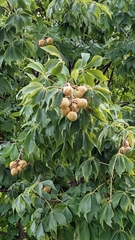
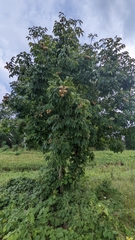
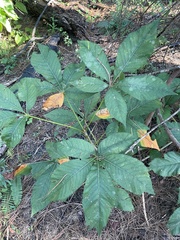
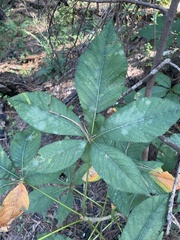
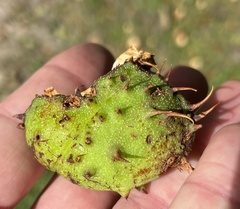
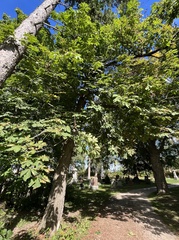
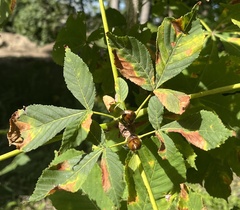
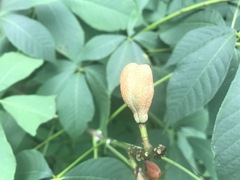
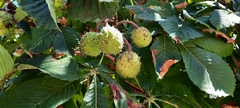
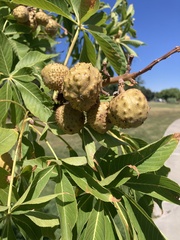
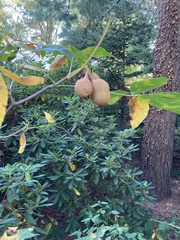
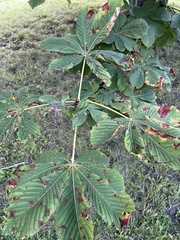
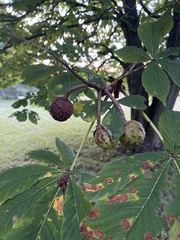
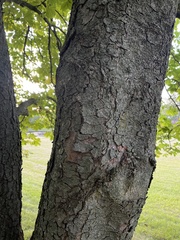
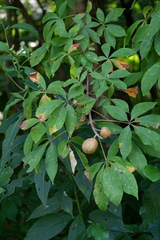
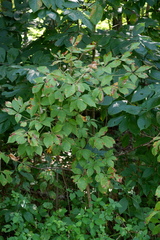
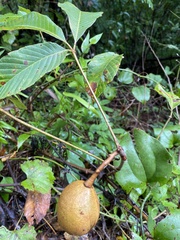
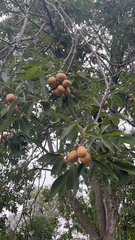
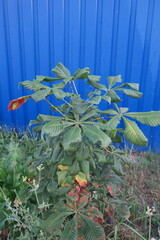
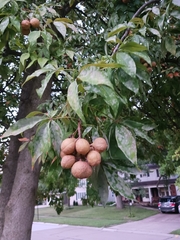
Images from inaturalist.org observations:
We recommend you sign up for this excellent, free service.
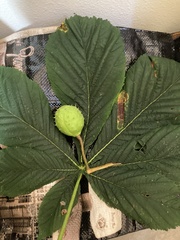
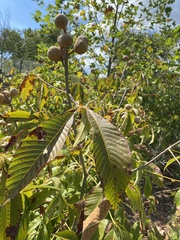
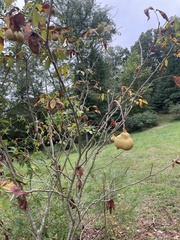
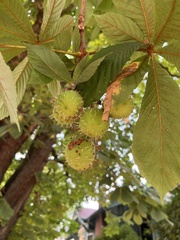
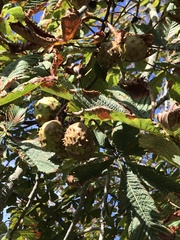
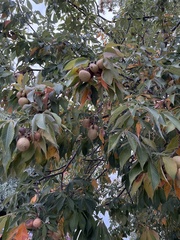
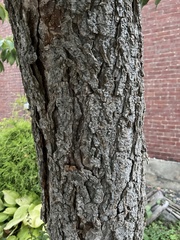
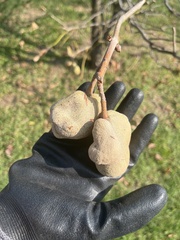
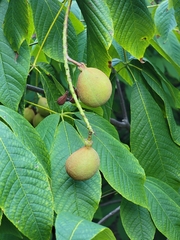
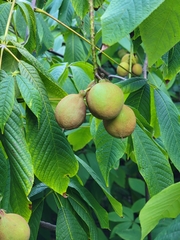
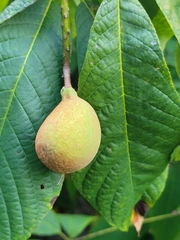
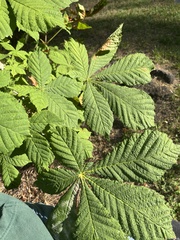


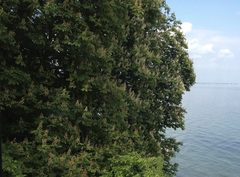
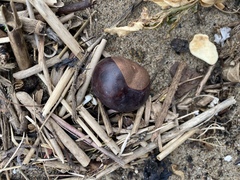
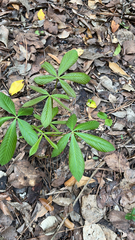
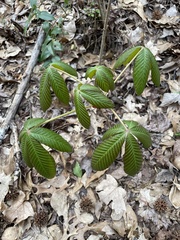
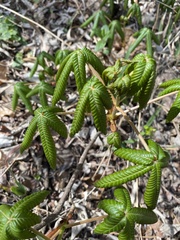

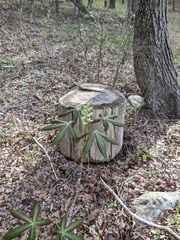
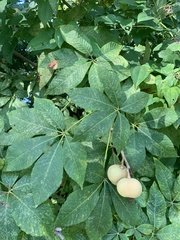
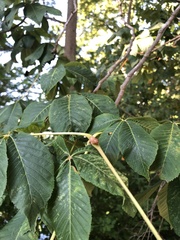
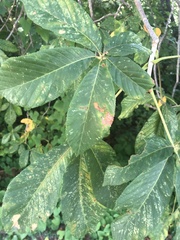
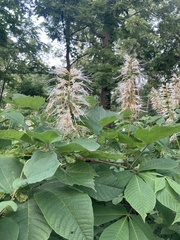
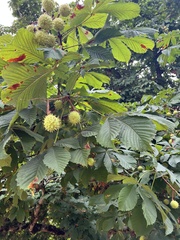
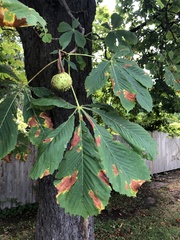
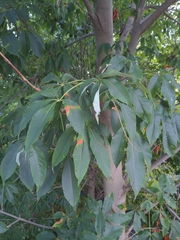
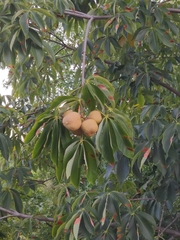
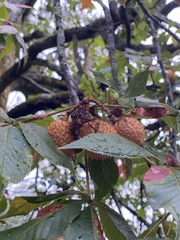
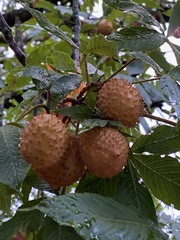
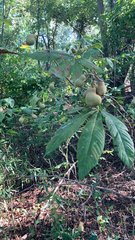
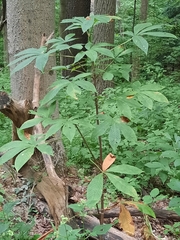
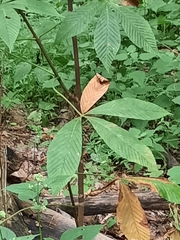
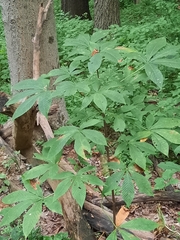
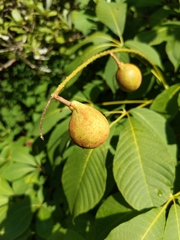
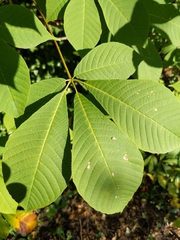
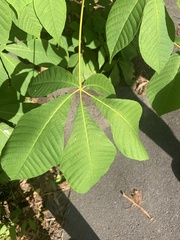
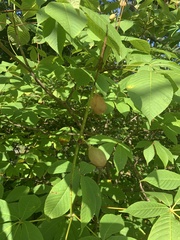
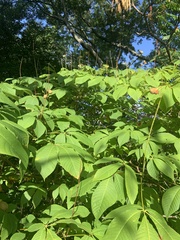
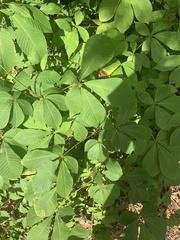
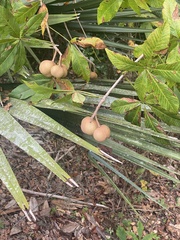
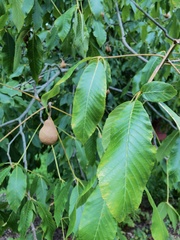
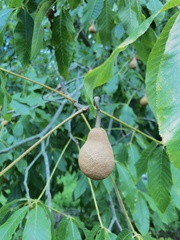
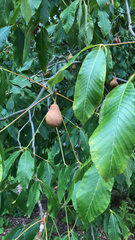
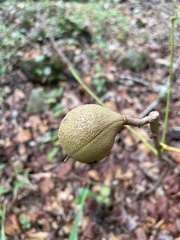
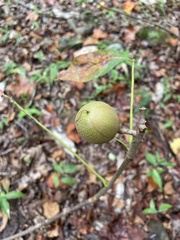
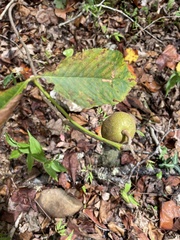
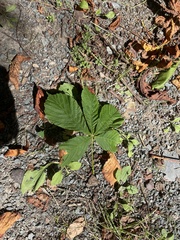
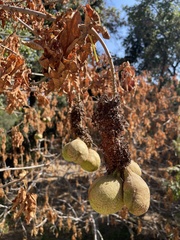
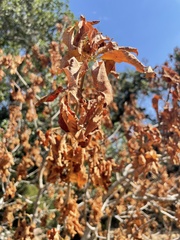
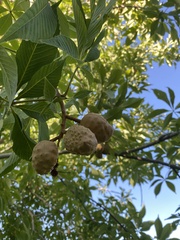
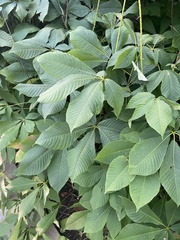
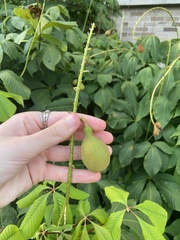
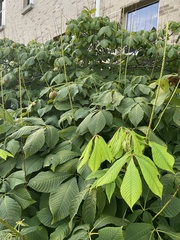
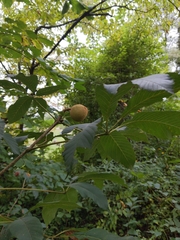
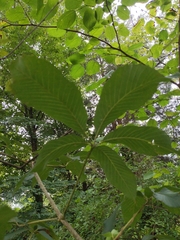
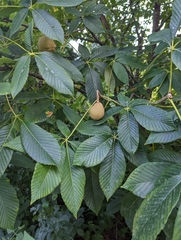
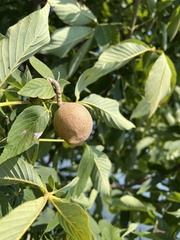
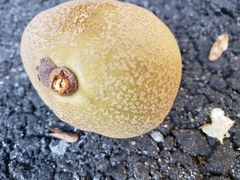
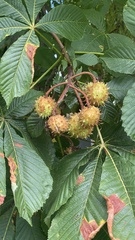
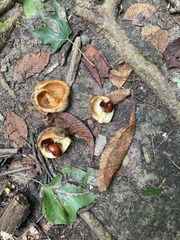
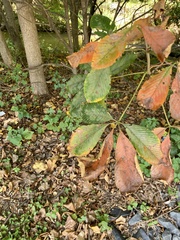
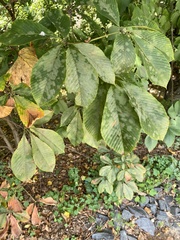
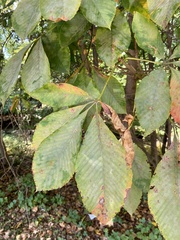
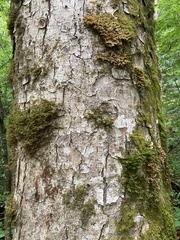
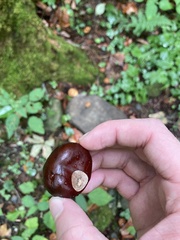
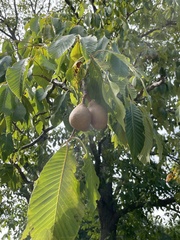
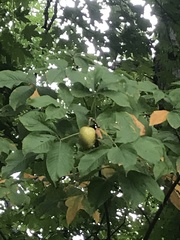
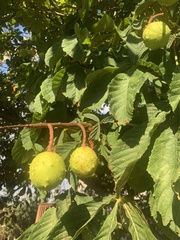
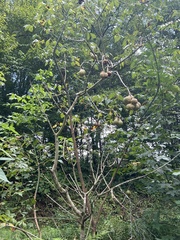
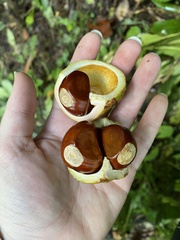
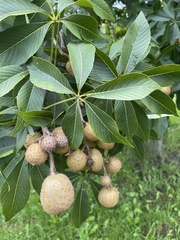
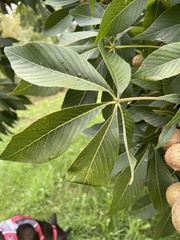
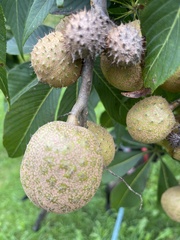
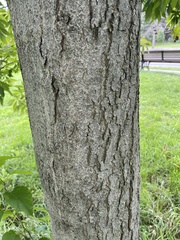
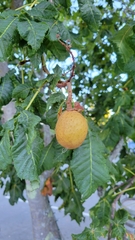
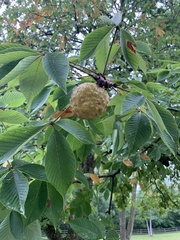
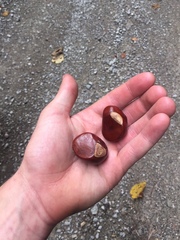
Parent Taxon
Sibling Taxa
- Acer
- Aesculus
- Alatococcus
- Alectryon
- Allophylastrum
- Allophylus
- Amesiodendron
- Aporrhiza
- Arfeuillea
- Arytera
- Atalaya
- Athyana
- Averrhoidium
- Beguea
- Billia
- Bizonula
- Blighia
- Blighiopsis
- Blomia
- Boniodendron
- Bridgesia
- Camptolepis
- Cardiospermum
- Castanospora
- Chonopetalum
- Chouxia
- Chytranthus
- Cnesmocarpon
- Conchopetalum
- Cossinia
- Cubilia
- Cupania
- Cupaniopsis
- Deinbollia
- Delavaya
- Diatenopteryx
- Dictyoneura
- Dilodendron
- Dimocarpus
- Diploglottis
- Diplokeleba
- Diplopeltis
- Dipteronia
- Dodonaea
- Doratoxylon
- Elattostachys
- Eriocoelum
- Erythrophysa
- Euchorium
- Euphorianthus
- Eurycorymbus
- Exothea
- Filicium
- Ganophyllum
- Gereaua
- Glenniea
- Gloeocarpus
- Gongrodiscus
- Gongrospermum
- Guindilia
- Guioa
- Handeliodendron
- Haplocoelopsis
- Haplocoelum
- Harpullia
- Hippobromus
- Hirania
- Hornea
- Hypelate
- Jagera
- Koelreuteria
- Laccodiscus
- Lecaniodiscus
- Lepiderema
- Lepidocupania
- Lepidopetalum
- Lepisanthes
- Litchi
- Llagunoa
- Lophostigma
- Loxodiscus
- Lychnodiscus
- Macphersonia
- Magonia
- Majidea
- Matayba
- Melicoccus
- Mischarytera
- Mischocarpus
- Molinaea
- Namataea
- Neoarytera
- Nephelium
- Omalocarpus
- Otonephelium
- Otophora
- Pancovia
- Pappea
- Paranephelium
- Paullinia
- Pavieasia
- Pentascyphus
- Phyllotrichum
- Placodiscus
- Plagioscyphus
- Podonephelium
- Pometia
- Porocystis
- Pseudima
- Pseudopancovia
- Pseudopteris
- Radlkofera
- Rhysotoechia
- Sapindus
- Sarcopteryx
- Sarcotoechia
- Schleichera
- Scyphonychium
- Serjania
- Sisyrolepis
- Smelophyllum
- Stadmannia
- Stocksia
- Storthocalyx
- Synima
- Talisia
- Thinouia
- Thouinia
- Thouinidium
- Tina
- Toechima
- Toulicia
- Trigonachras
- Tripterodendron
- Tristira
- Tristiropsis
- Tsingya
- Ungnadia
- Urvillea
- Vouarana
- Xanthoceras
- Xerospermum
- Zanha
- Zollingeria
Child Taxa
- Aesculus arnoldiana
- Aesculus assamica
- Aesculus californica
- Aesculus chinensis
- Aesculus flava
- Aesculus glabra
- Aesculus hippocastanum
- Aesculus indica
- Aesculus parryi
- Aesculus parviflora
- Aesculus pavia
- Aesculus sylvatica
- Aesculus turbinata
- Aesculus wangii
- Aesculus × bushii
- Aesculus × carnea
- Aesculus × hybrida
- Aesculus × marylandica
- Aesculus × mutabilis
- Aesculus × neglecta
- Aesculus × worlitzensis
Top Observation Places
- Genève
- Edinburgh
- Århus
- North Peoria
- Fayetteville
- Amstelveen
- Peterborough
- Lincoln
- Cinisello Balsamo
- Portland
- Hastings
- Boise
- Springfield
- Greenville
- Missoula
- Oshawa
- Petaluma
- Bloomington
- Calgary
- Pamplona
- Kyiv
- Brussels
- Anderlecht
- Schaerbeek
- Molenbeek-Saint-Jean
- Ixelles
- Uccle
- Forest
- Jette
- Saint-Gilles
- Rockford
- Davis
- Kazan
- Lansing
- Santa Cruz
- Royal Oak
- Edmonton
- Kraków
- Boulder
- Halifax
- Dartmouth
- Peabody
- Corvallis
- Providence
- Pawtucket
- New Haven
- Milford
- City of Milford (balance)
- Christchurch
- Vienna