Diploglottis: taxon details and analytics
- Domain
- Kingdom
- Plantae
- Phylum
- Tracheophyta
- Class
- Magnoliopsida
- Order
- Sapindales
- Family
- Sapindaceae
- Genus
- Diploglottis
- Species
- Scientific Name
- Diploglottis
Summary description from Wikipedia:
Diploglottis
Diploglottis is a genus of 11 species (as of 2014) in the lychee and maple family Sapindaceae. Most species only occur in the Wet Tropics bioregion of Queensland, but all species except one are endemic to eastern Australia, with the exception being D. diphyllostegia, which also occurs in New Guinea. They are commonly called tamarinds, for example northern tamarind (D. diphyllostegia), Babinda tamarind (D. harpullioides) and Bernie's tamarind (D. bernieana), however they are not closely related to the true tamarind from the family Fabaceae.
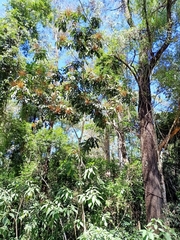
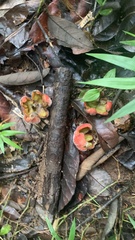
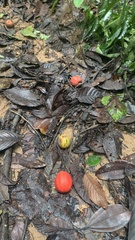
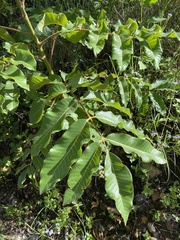
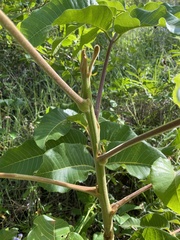
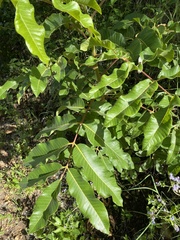
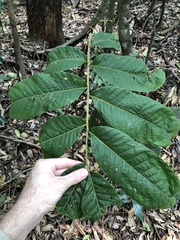
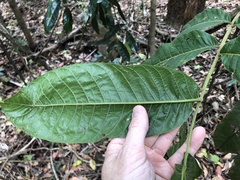
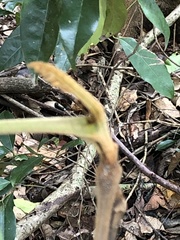
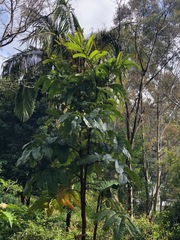
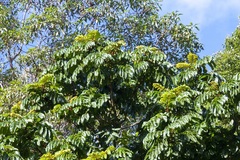
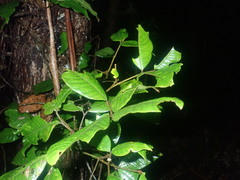
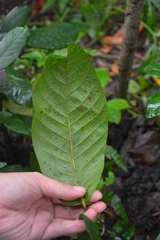
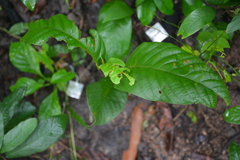
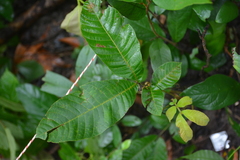
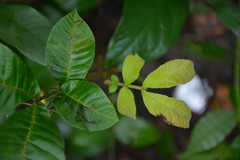
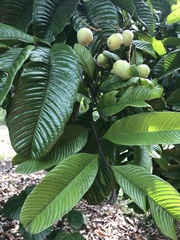
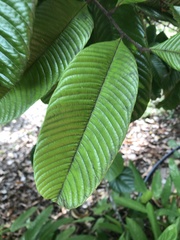
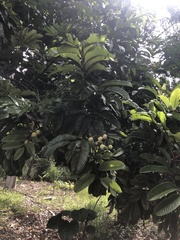
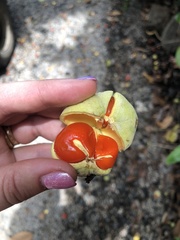
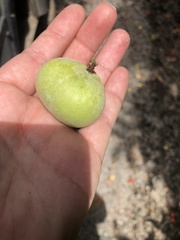
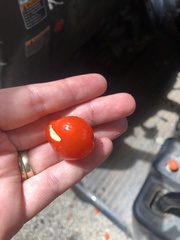
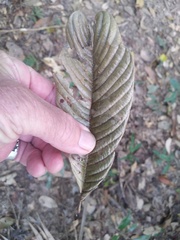
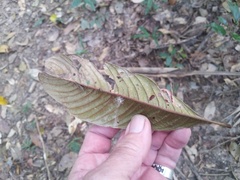
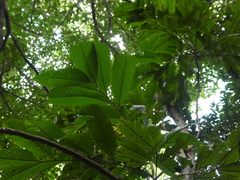
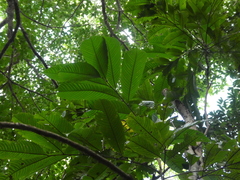
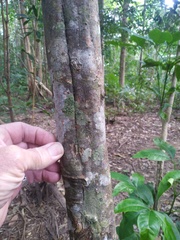
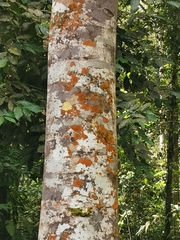
Plants in this genus are small to large trees, often with fluted and/or multi-stemmed trunks. Branchlets are fluted, hairy and lenticellate. Leaves are compound and paripinnate; leaflets are stiff, often quite large and may be arranged in opposites or alternately. The inflorescences are panicles, produced in the leaf axils. Flowers are small, polygamous (i.e. having bisexual and unisexual flowers on the same plant), calyx with 5 lobes, corolla with 4 or 5 petals. Fruit are capsules, (1–)2–3(–4) lobed, one or more lobes may be aborted. Seeds entirely or partly enclosed in a bilobed aril.
One Australian species, D. australis is grown as a street tree in the Northern Rivers area of New South Wales, principally Lismore and is known locally as the native tamarind.
Another endemic Australian species is D. campbellii, also known as the small-leaved tamarind, is rare and threatened and is restricted to a small number of sites each with a maximum of three trees per site. There are a total of 42 known mature wild trees in south-east Queensland and north-eastern New South Wales. However, the tree, as a seedling, is readily available from nurseries in the Northern Rivers area of New South Wales, and in south-eastern Queensland. The small-leaved tamarind grows to 30 metres and has a compact canopy, making it good to use as a screening tree. It has small three-lobed fruit capsules. The fruit is edible and is commercially produced as bushfood. It is red when ripe and can be made into jam.
...Diploglottis in languages:
- Chinese
- 酸漿木屬
Images from inaturalist.org observations:
We recommend you sign up for this excellent, free service.
Parent Taxon
Sibling Taxa
- Acer
- Aesculus
- Alatococcus
- Alectryon
- Allophylastrum
- Allophylus
- Amesiodendron
- Aporrhiza
- Arfeuillea
- Arytera
- Atalaya
- Athyana
- Averrhoidium
- Beguea
- Billia
- Bizonula
- Blighia
- Blighiopsis
- Blomia
- Boniodendron
- Bridgesia
- Camptolepis
- Cardiospermum
- Castanospora
- Chonopetalum
- Chouxia
- Chytranthus
- Cnesmocarpon
- Conchopetalum
- Cossinia
- Cubilia
- Cupania
- Cupaniopsis
- Deinbollia
- Delavaya
- Diatenopteryx
- Dictyoneura
- Dilodendron
- Dimocarpus
- Diploglottis
- Diplokeleba
- Diplopeltis
- Dipteronia
- Dodonaea
- Doratoxylon
- Elattostachys
- Eriocoelum
- Erythrophysa
- Euchorium
- Euphorianthus
- Eurycorymbus
- Exothea
- Filicium
- Ganophyllum
- Gereaua
- Glenniea
- Gloeocarpus
- Gongrodiscus
- Gongrospermum
- Guindilia
- Guioa
- Handeliodendron
- Haplocoelopsis
- Haplocoelum
- Harpullia
- Hippobromus
- Hirania
- Hornea
- Hypelate
- Jagera
- Koelreuteria
- Laccodiscus
- Lecaniodiscus
- Lepiderema
- Lepidocupania
- Lepidopetalum
- Lepisanthes
- Litchi
- Llagunoa
- Lophostigma
- Loxodiscus
- Lychnodiscus
- Macphersonia
- Magonia
- Majidea
- Matayba
- Melicoccus
- Mischarytera
- Mischocarpus
- Molinaea
- Namataea
- Neoarytera
- Nephelium
- Omalocarpus
- Otonephelium
- Otophora
- Pancovia
- Pappea
- Paranephelium
- Paullinia
- Pavieasia
- Pentascyphus
- Phyllotrichum
- Placodiscus
- Plagioscyphus
- Podonephelium
- Pometia
- Porocystis
- Pseudima
- Pseudopancovia
- Pseudopteris
- Radlkofera
- Rhysotoechia
- Sapindus
- Sarcopteryx
- Sarcotoechia
- Schleichera
- Scyphonychium
- Serjania
- Sisyrolepis
- Smelophyllum
- Stadmannia
- Stocksia
- Storthocalyx
- Synima
- Talisia
- Thinouia
- Thouinia
- Thouinidium
- Tina
- Toechima
- Toulicia
- Trigonachras
- Tripterodendron
- Tristira
- Tristiropsis
- Tsingya
- Ungnadia
- Urvillea
- Vouarana
- Xanthoceras
- Xerospermum
- Zanha
- Zollingeria