Amanita bisporigera: taxon details and analytics
- Domain
- Kingdom
- Fungi
- Phylum
- Basidiomycota
- Class
- Agaricomycetes
- Order
- Agaricales
- Family
- Amanitaceae
- Genus
- Amanita
- Species
- Amanita bisporigera
- Scientific Name
- Amanita bisporigera
Summary description from Wikipedia:
Amanita bisporigera
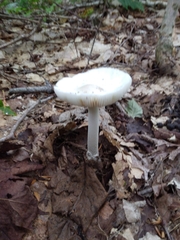
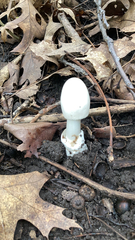
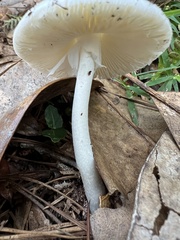
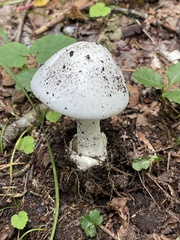
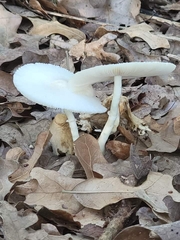
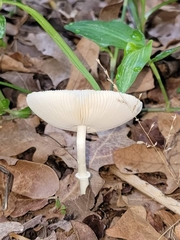
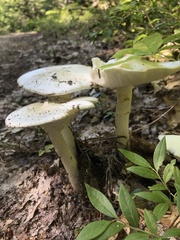
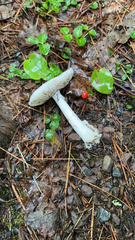
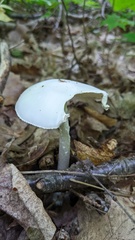
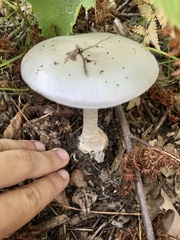
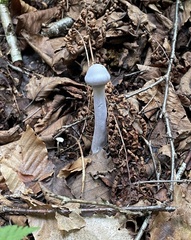
Amanita bisporigera is a deadly poisonous species of fungus in the family Amanitaceae. It is commonly known as the eastern destroying angel amanita, the eastern North American destroying angel or just as the destroying angel, although the fungus shares this latter name with three other lethal white Amanita species, A. ocreata, A. verna and A. virosa. First described as a new species in 1906, A. bisporigera is classified in the section Phalloideae of its genus together with other amatoxin-containing species.
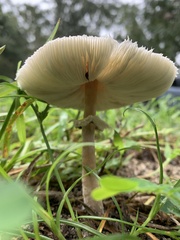
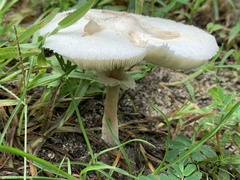
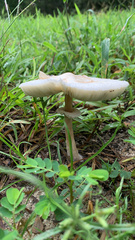
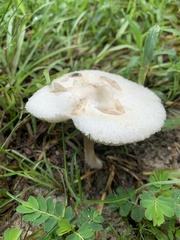
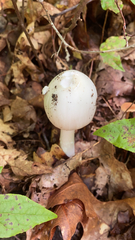
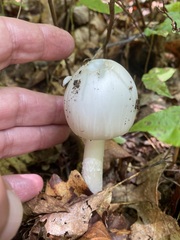
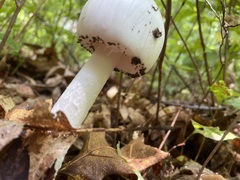
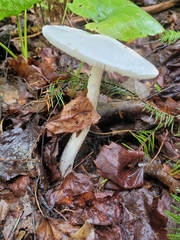
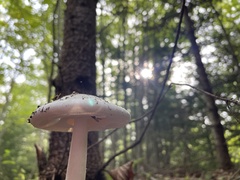
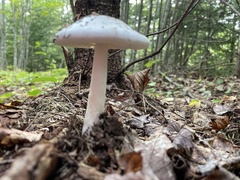
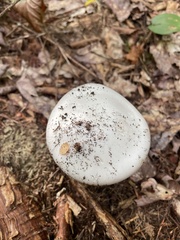
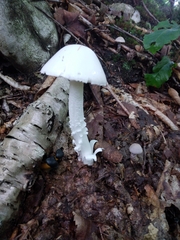
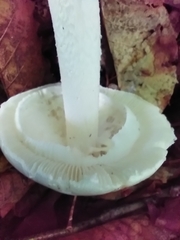
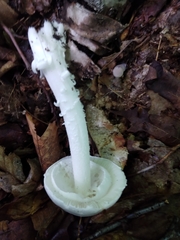
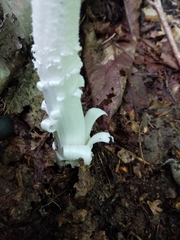
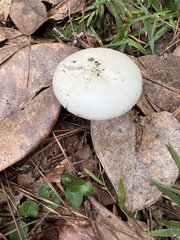
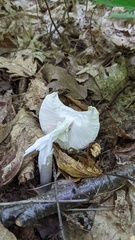
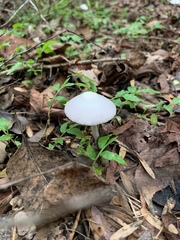
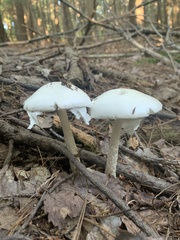
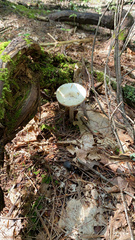
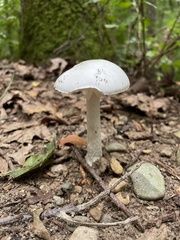
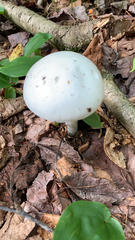
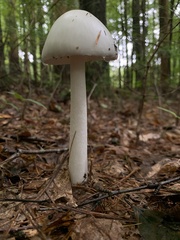
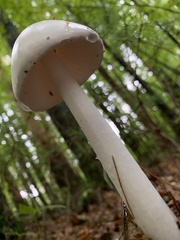
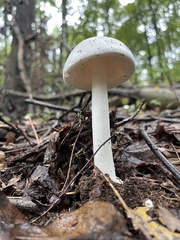
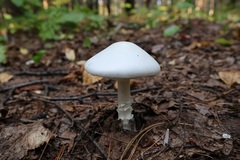
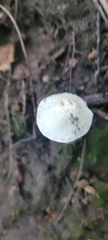
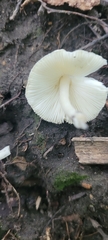
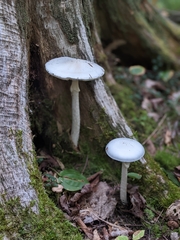
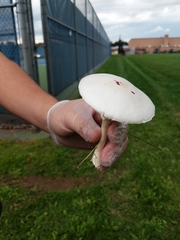
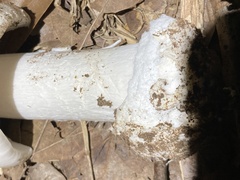
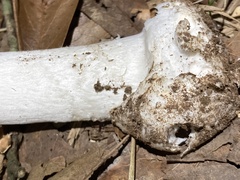
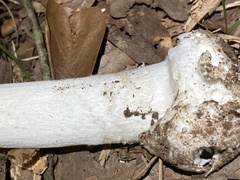
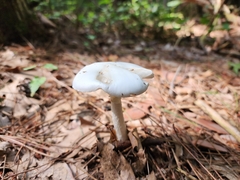
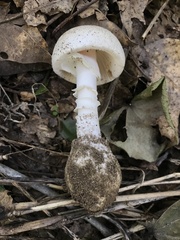
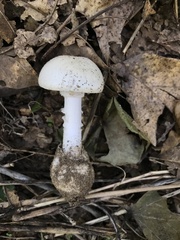
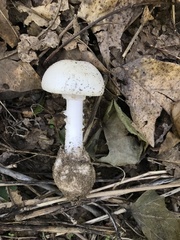
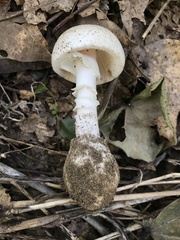
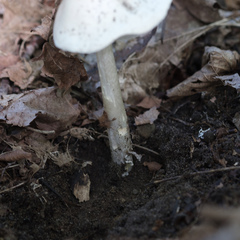
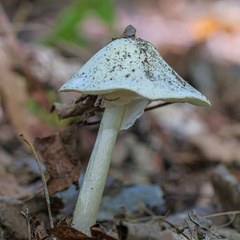
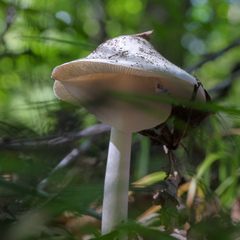
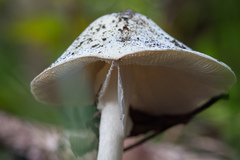
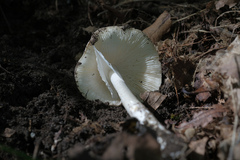
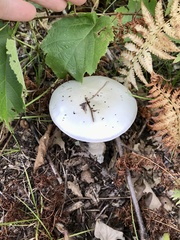
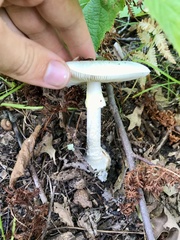
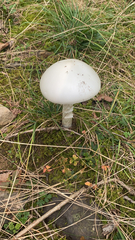
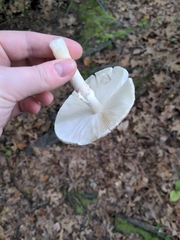
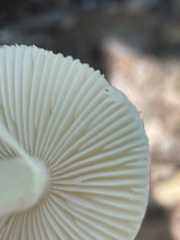
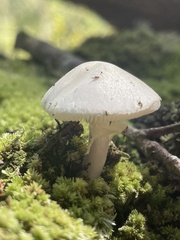
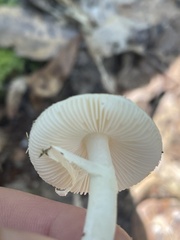
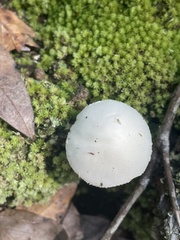
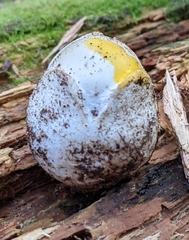
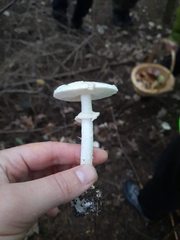
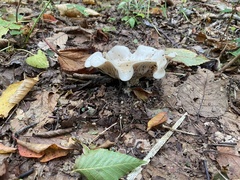
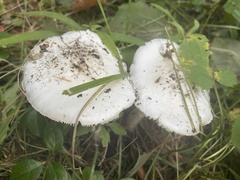
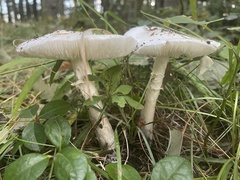
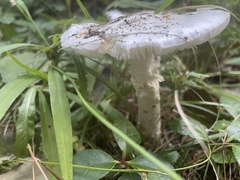
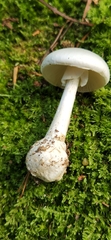
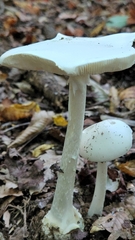
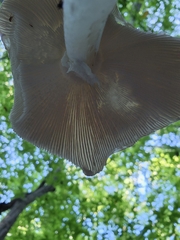
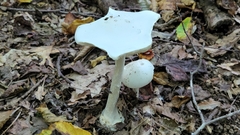
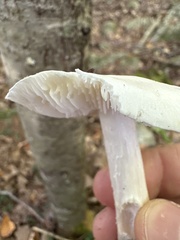
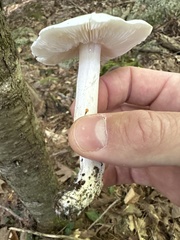
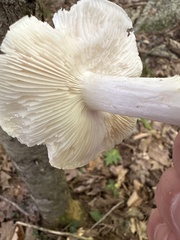
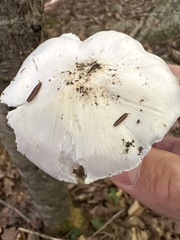
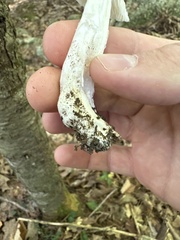
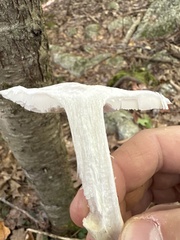
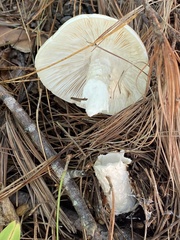
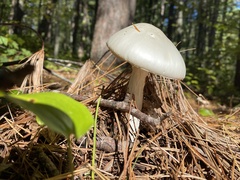
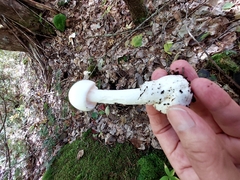
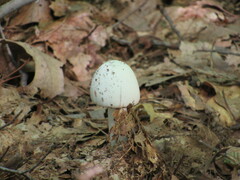
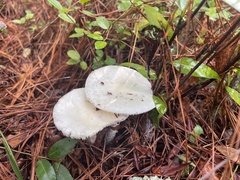
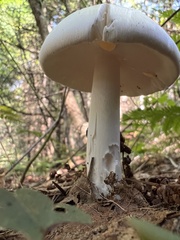
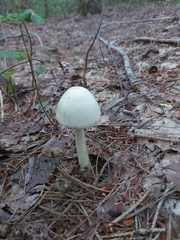
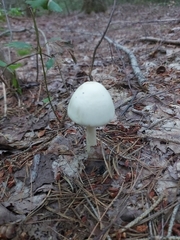
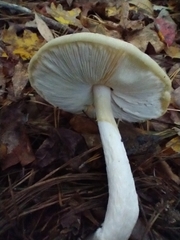
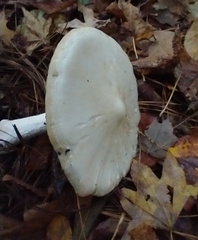
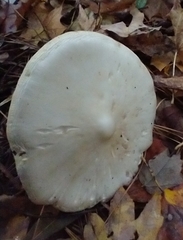
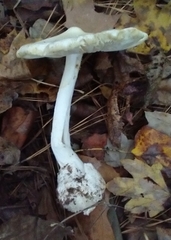
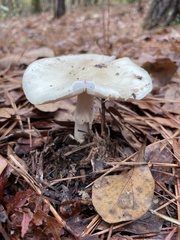
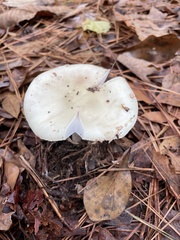
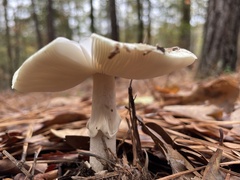
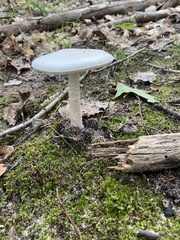
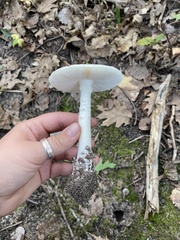
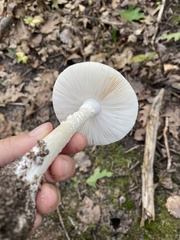
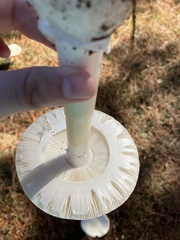
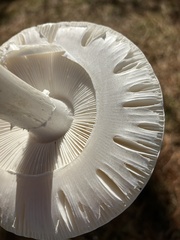
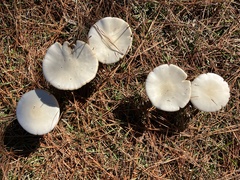
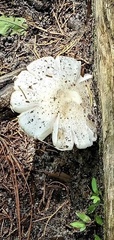
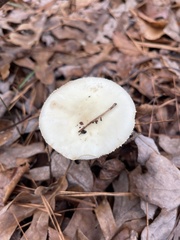
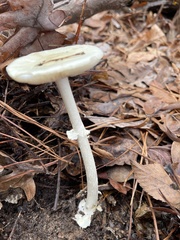
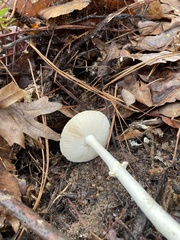
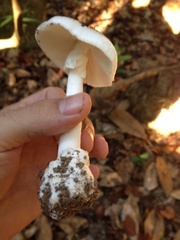
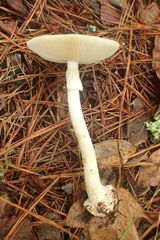
The mushroom has a smooth white cap that can reach up to 10 centimetres (4 inches) across and a stipe up to 14 cm (5+1⁄2 in) tall with a white skirt-like ring near the top. The bulbous stipe base is covered with a membranous sac-like volva. The white gills are free from attachment to the stalk and crowded closely together. As the species name suggests, A. bisporigera typically bears two spores on the basidia, although this characteristic is not immutable. A. bisporigera closely resembles a few other white amanitas, including the equally deadly A. virosa and A. verna.
The species is found in mixed coniferous and deciduous forests of eastern North America south to Mexico, but are rare in western North America. The first symptoms of poisoning appear 6 to 24 hours after consumption, followed by a period of apparent improvement, then by symptoms of liver and kidney failure, and death after four days or more.
...Amanita bisporigera in languages:
- English
- Eastern North American Destroying Angel
- English
- North American Two-spored Destroying Angel
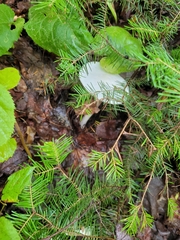
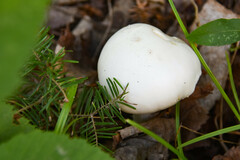
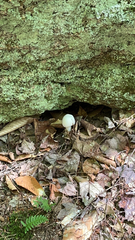
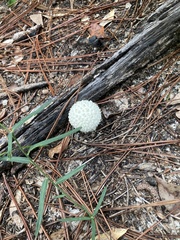
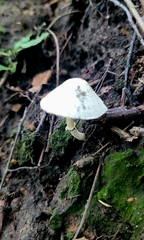
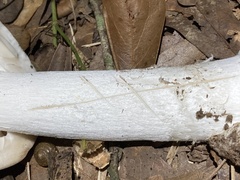
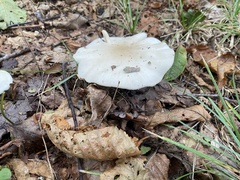
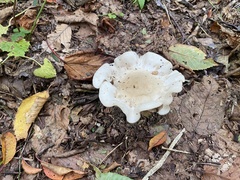
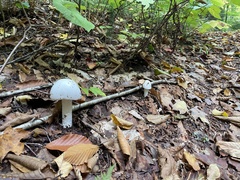
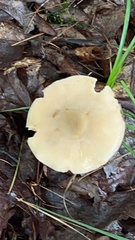
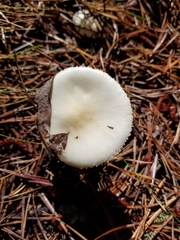
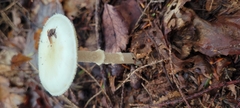
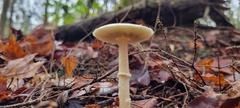
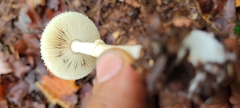
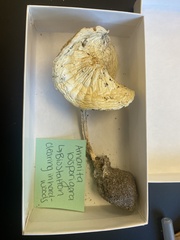
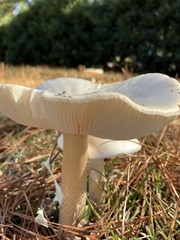
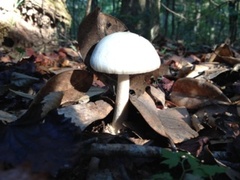
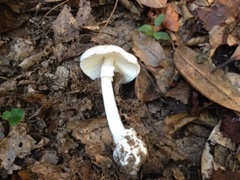
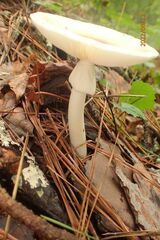
Images from inaturalist.org observations:
We recommend you sign up for this excellent, free service.
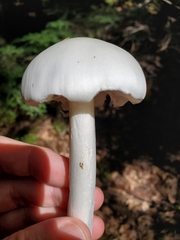
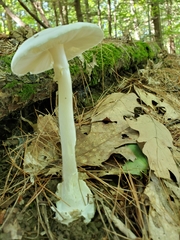
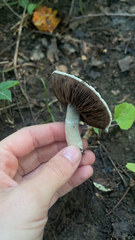
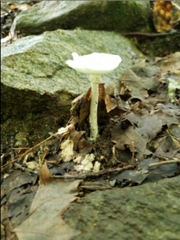
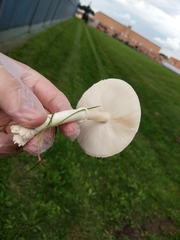
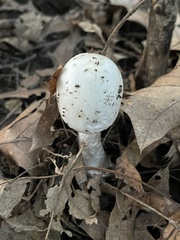
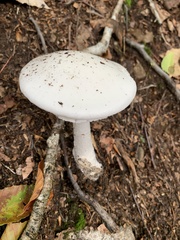
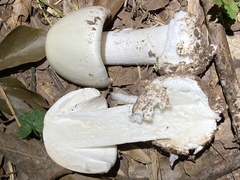
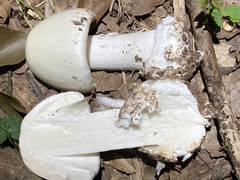
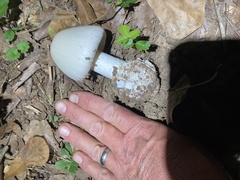
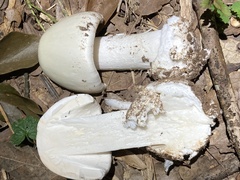
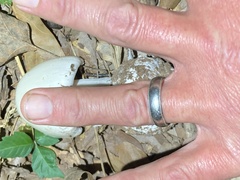
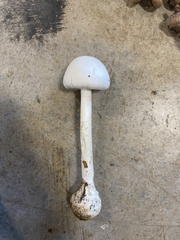
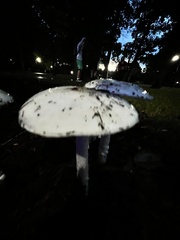
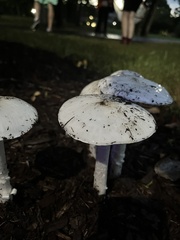
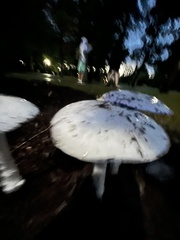
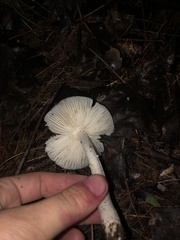
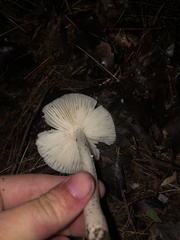
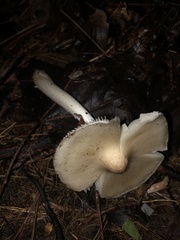
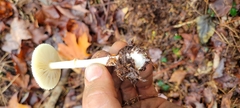
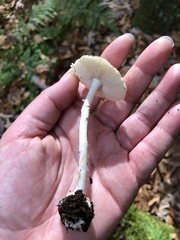
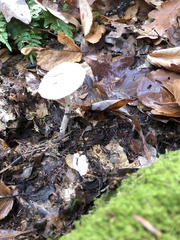
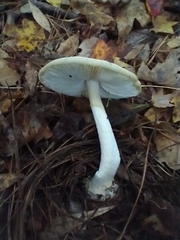
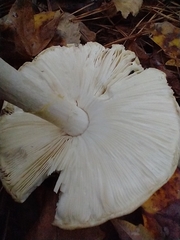
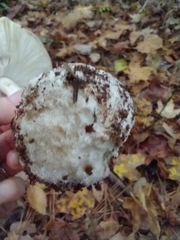
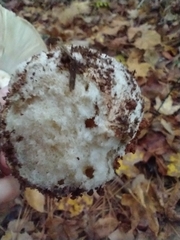
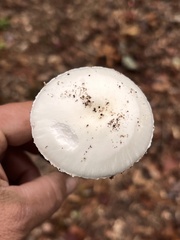
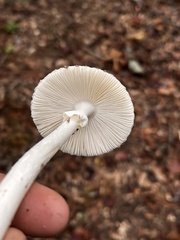
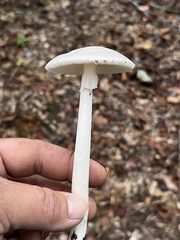
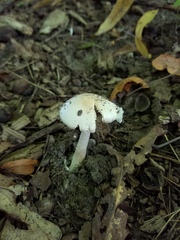
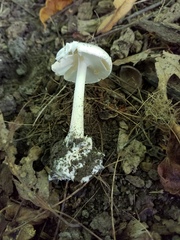
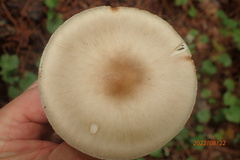
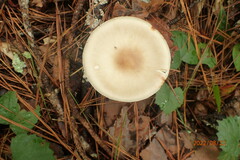
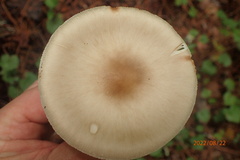
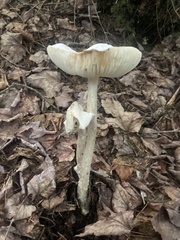
Parent Taxon
Sibling Taxa
- Amanita alliodora
- Amanita amerivirosa
- Amanita areolata
- Amanita arocheae
- Amanita aurantiobrunnea
- Amanita aureomonile
- Amanita ballerina
- Amanita ballerinoides
- Amanita bisporigera
- Amanita bulbulosa
- Amanita chuformis
- Amanita elliptosperma
- Amanita exitialis
- Amanita franzii
- Amanita fuliginea
- Amanita gayana
- Amanita griseorosea
- Amanita griseoturcosa
- Amanita gwyniana
- Amanita herrerae
- Amanita hesleri
- Amanita hygroscopica
- Amanita konajensis
- Amanita levistriata
- Amanita longitibiale
- Amanita magnivelaris
- Amanita marmorata
- Amanita molliuscula
- Amanita murinacea
- Amanita murinaster
- Amanita ocreata
- Amanita pallidorosea
- Amanita parviexitialis
- Amanita peltigera
- Amanita phalloides
- Amanita pseudogemmata
- Amanita sturgeonii
- Amanita suballiacea
- Amanita subfuliginea
- Amanita subjunquillea
- Amanita subpallidorosea
- Amanita tarda
- Amanita veldiei
- Amanita verna
- Amanita vidua
- Amanita virosa
- Amanita virosiformis
- Amanita zangii
Top Observation Places
- Barrie
- Ann Arbor
- Eagan
- Athens
- Madison
- West Allis
- Conroe
- Bloomington
- Newport News
- Halifax
- Dartmouth
- West Albany
- Shelby
- Greensboro
- Trenton
- Levittown
- Edison
- New Brunswick
- Piscataway
- Gainesville
- Chattanooga
- The Bronx
- Yonkers
- Washington Heights
- Harlem
- East Harlem
- Fordham
- Greenburgh
- New Rochelle
- Kings Bridge
- Mount Vernon
- Parkchester
- White Plains
- Wakefield
- Mott Haven
- Asheville
- Portland
- Wayne
- Parsippany
- Atlanta
- Sandy Springs
- Roswell
- Johns Creek
- Alpharetta
- Smyrna
- Brookhaven
- Lowell
- Cambridge
- Newton
- Nashua