Amanita ocreata: taxon details and analytics
- Domain
- Kingdom
- Fungi
- Phylum
- Basidiomycota
- Class
- Agaricomycetes
- Order
- Agaricales
- Family
- Amanitaceae
- Genus
- Amanita
- Species
- Amanita ocreata
- Scientific Name
- Amanita ocreata
Summary description from Wikipedia:
Amanita ocreata
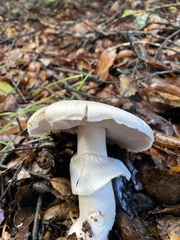
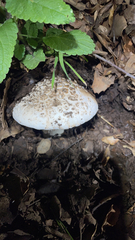
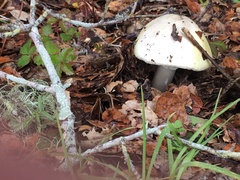
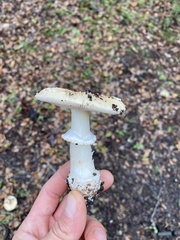
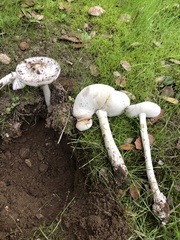
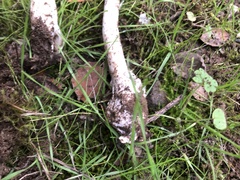
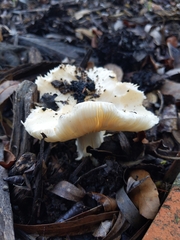
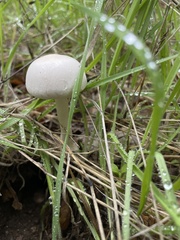
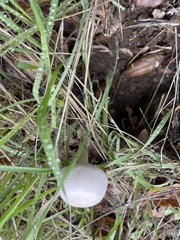
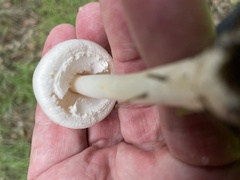
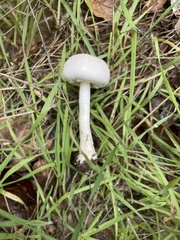
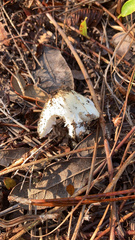
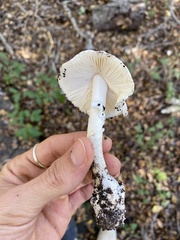
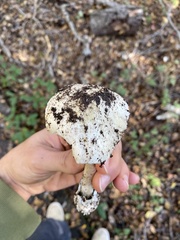
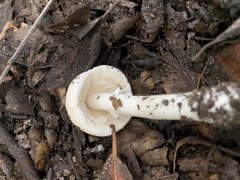
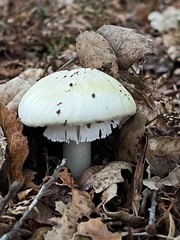
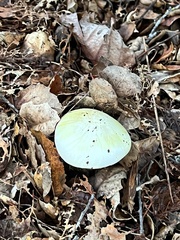
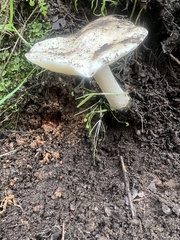
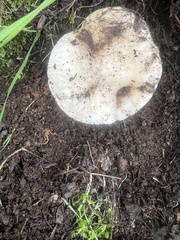
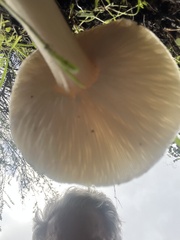
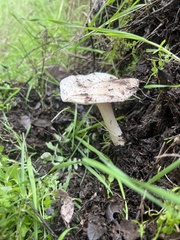
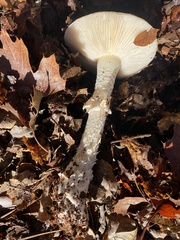
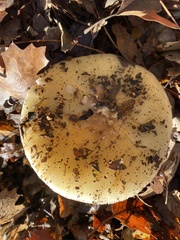
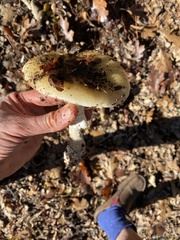
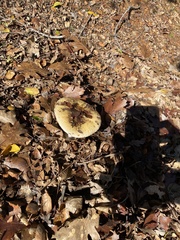
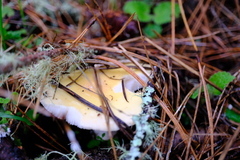
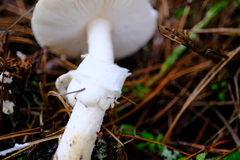
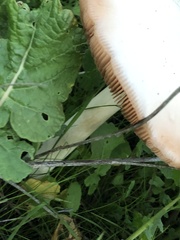
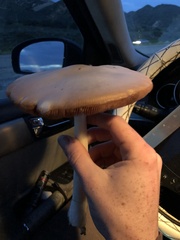
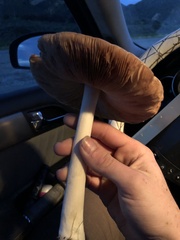
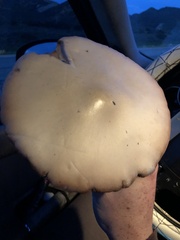
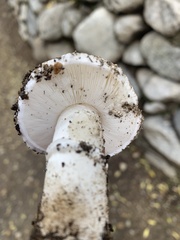
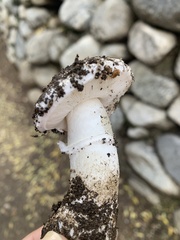
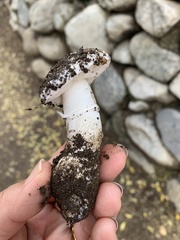
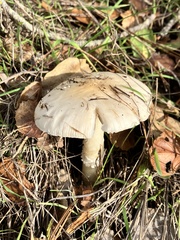
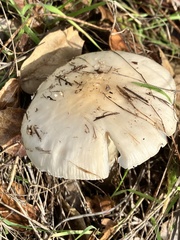
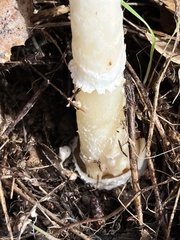
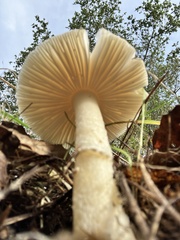
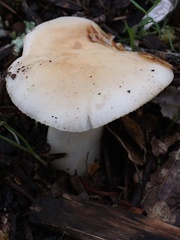
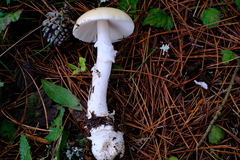
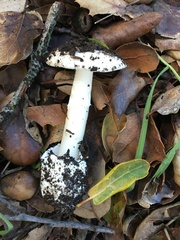
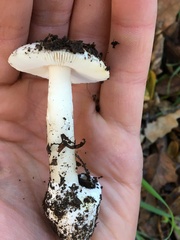
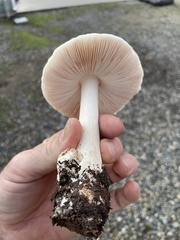
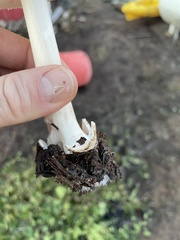
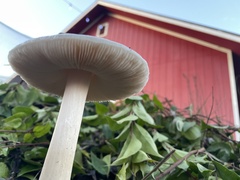
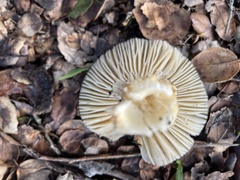
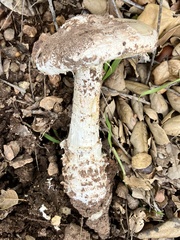
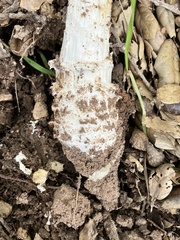
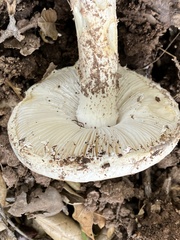
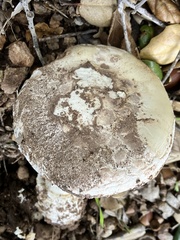
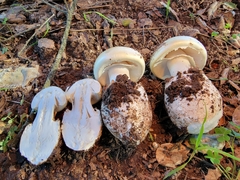
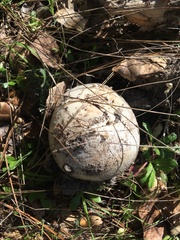
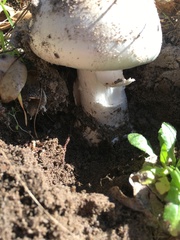
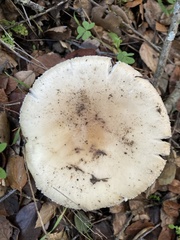
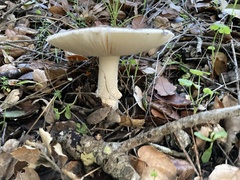
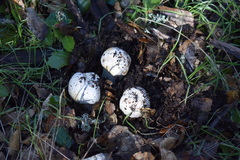
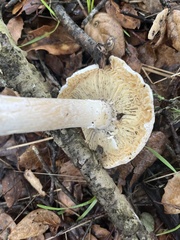
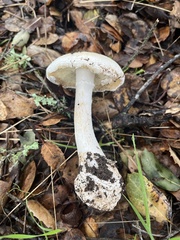
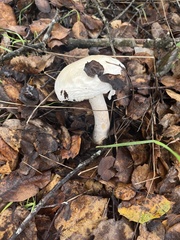
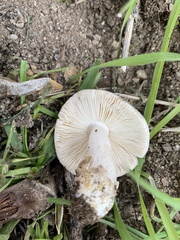
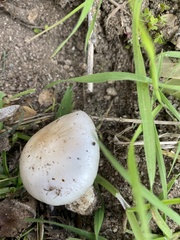
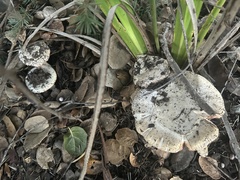
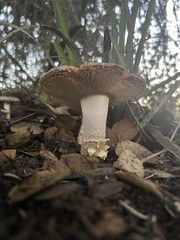
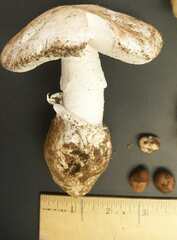
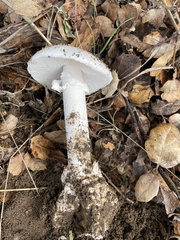
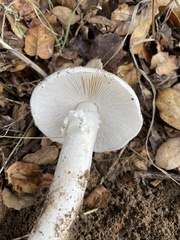
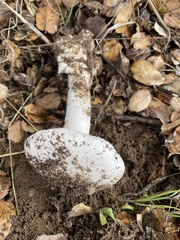
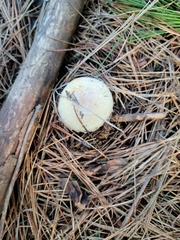
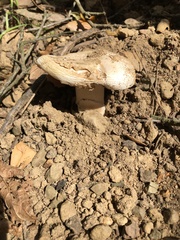
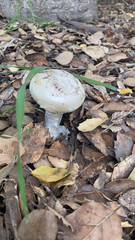
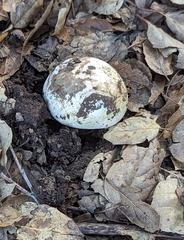
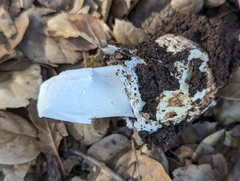
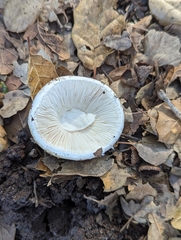
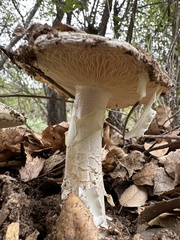
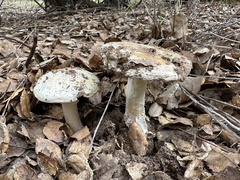
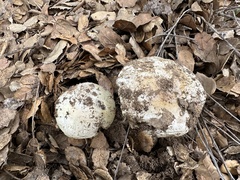
Amanita ocreata, commonly known as one of the many destroying angels, or more precisely the western North American destroying angel, is a deadly poisonous basidiomycete fungus, one of many in the genus Amanita. The large fruiting bodies (the mushrooms) generally appear in spring; the cap may be white or ochre and often develops a brownish centre, while the stipe, ring, gill and volva are all white. A. ocreata resembles several edible species commonly consumed by humans, increasing the risk of accidental poisoning. Mature fruiting bodies can be confused with the edible A. velosa (springtime amanita), A. lanei or Volvopluteus gloiocephalus, while immature specimens may be difficult to distinguish from edible Agaricus mushrooms or puffballs.
The species occurs in the Pacific Northwest and California Floristic Provinces of North America, associating with oak trees. Similar in toxicity to the death cap (A. phalloides) and destroying angels of Europe (A. virosa) and eastern North America (A. bisporigera), it is a potentially deadly fungus responsible for several poisonings in California. Its principal toxic constituent, α-Amanitin, damages the liver and kidneys, often fatally, and has no known antidote, though silybin and N-acetylcysteine show promise. The initial symptoms are gastrointestinal and include abdominal pain, diarrhea and vomiting. These subside temporarily after 2–3 days, though ongoing damage to internal organs during this time is common; symptoms of jaundice, diarrhea, delirium, seizures, and coma may follow with death from liver failure 6–16 days post ingestion.
...Amanita ocreata in languages:
- Chinese
- 赭鵝膏
- English
- Western Destroying Angel
- English
- Western American Destroying Angel
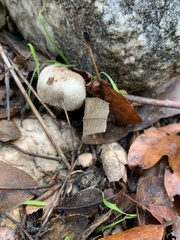
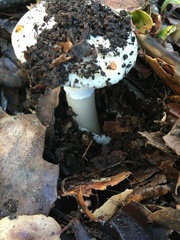
Images from inaturalist.org observations:
We recommend you sign up for this excellent, free service.



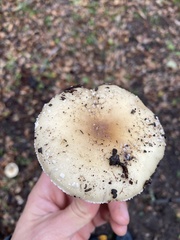
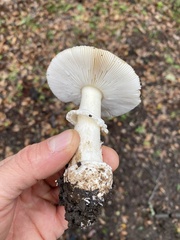
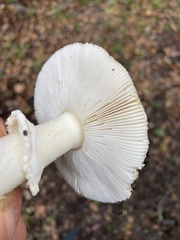
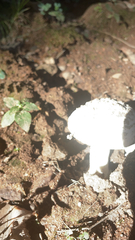
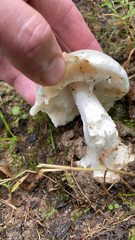
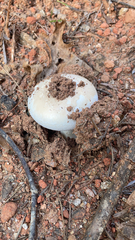
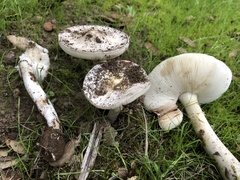
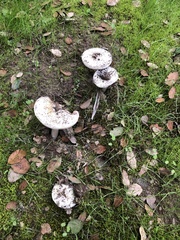
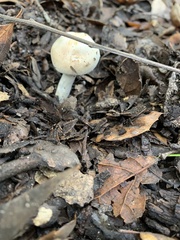
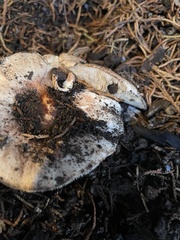
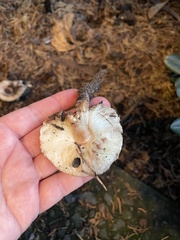
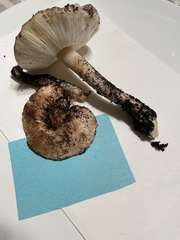
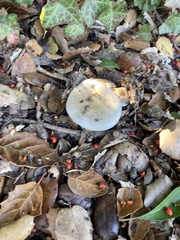
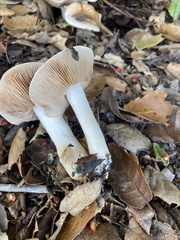
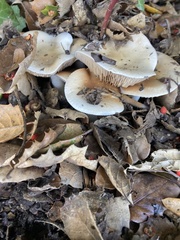
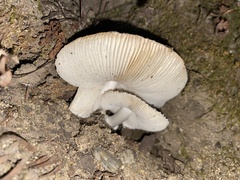
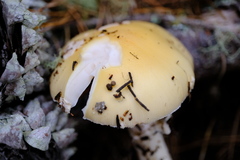
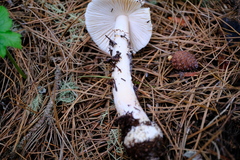
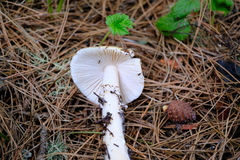
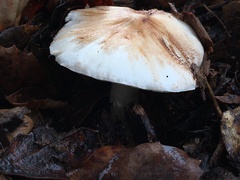
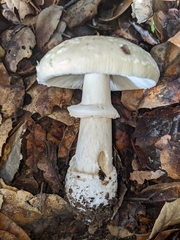
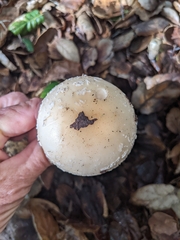
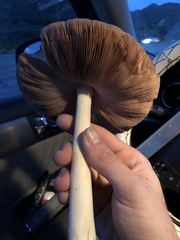
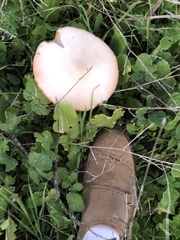
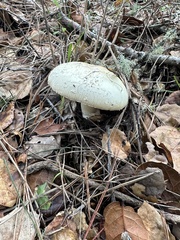
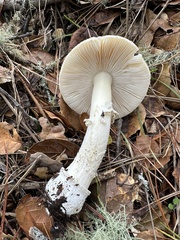
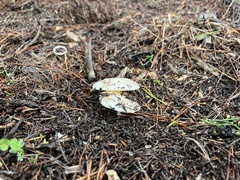
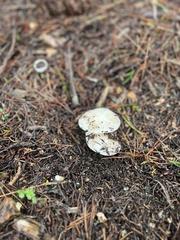
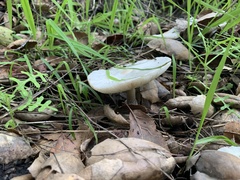
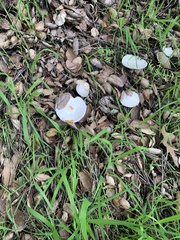
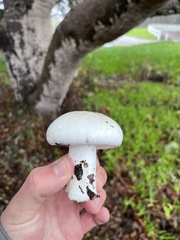
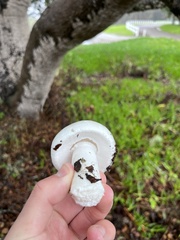
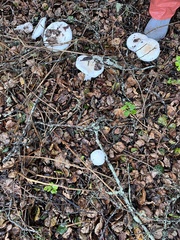
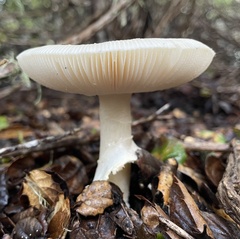
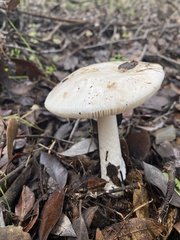
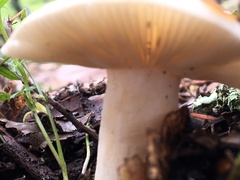
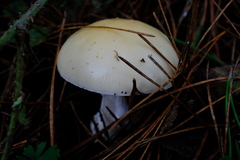
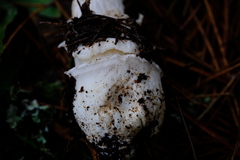
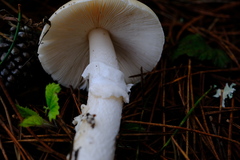
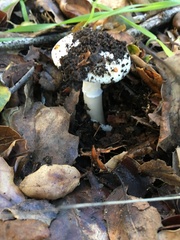
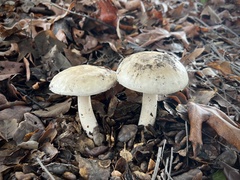
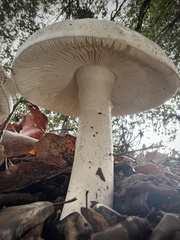
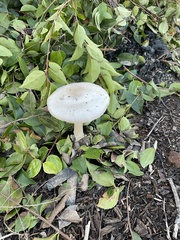
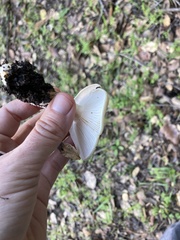
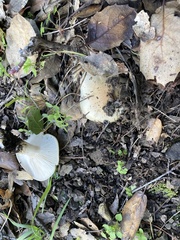
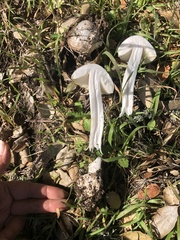
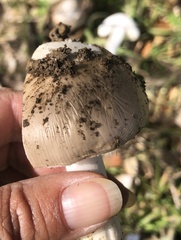
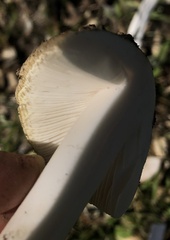
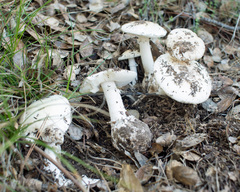
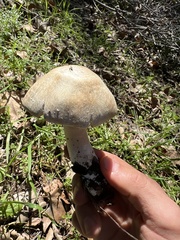
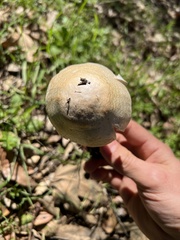
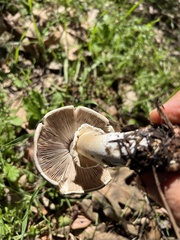
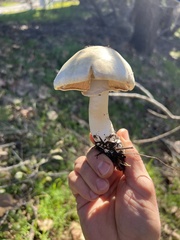
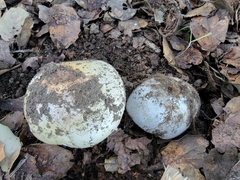
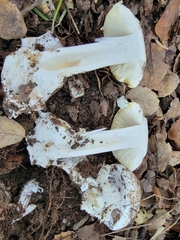
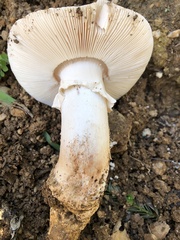
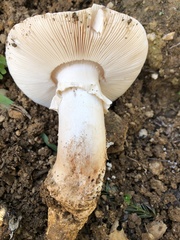
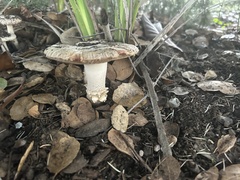
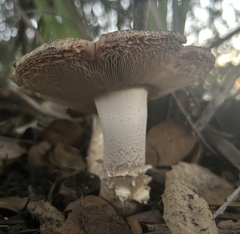
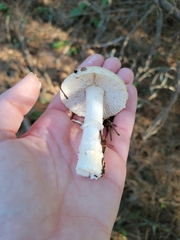
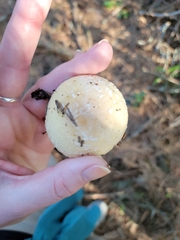
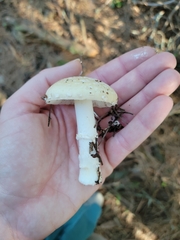
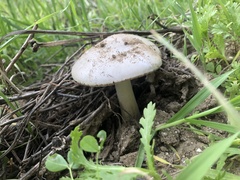
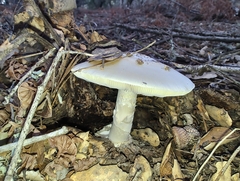
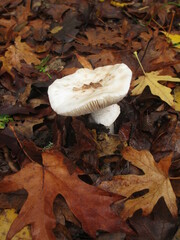
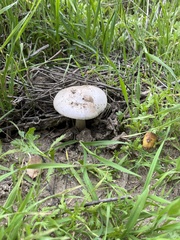
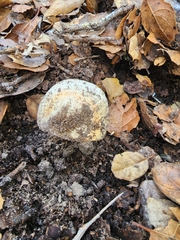
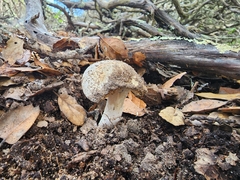
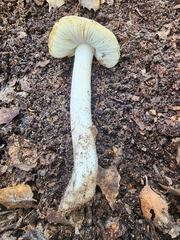
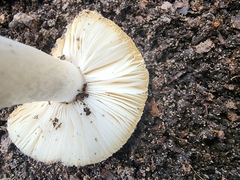
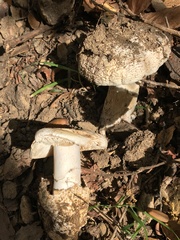
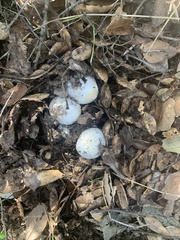
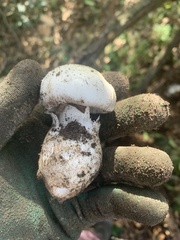
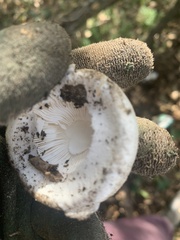
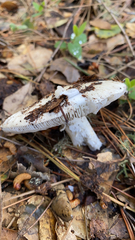
Parent Taxon
Sibling Taxa
- Amanita alliodora
- Amanita amerivirosa
- Amanita areolata
- Amanita arocheae
- Amanita aurantiobrunnea
- Amanita aureomonile
- Amanita ballerina
- Amanita ballerinoides
- Amanita bisporigera
- Amanita bulbulosa
- Amanita chuformis
- Amanita elliptosperma
- Amanita exitialis
- Amanita franzii
- Amanita fuliginea
- Amanita gayana
- Amanita griseorosea
- Amanita griseoturcosa
- Amanita gwyniana
- Amanita herrerae
- Amanita hesleri
- Amanita hygroscopica
- Amanita konajensis
- Amanita levistriata
- Amanita longitibiale
- Amanita magnivelaris
- Amanita marmorata
- Amanita molliuscula
- Amanita murinacea
- Amanita murinaster
- Amanita ocreata
- Amanita pallidorosea
- Amanita parviexitialis
- Amanita peltigera
- Amanita phalloides
- Amanita pseudogemmata
- Amanita sturgeonii
- Amanita suballiacea
- Amanita subfuliginea
- Amanita subjunquillea
- Amanita subpallidorosea
- Amanita tarda
- Amanita veldiei
- Amanita verna
- Amanita vidua
- Amanita virosa
- Amanita virosiformis
- Amanita zangii