Ciconiiformes: taxon details and analytics
- Domain
- Kingdom
- Animalia
- Phylum
- Chordata
- Class
- Aves
- Order
- Ciconiiformes
- Family
- Genus
- Species
- Scientific Name
- Ciconiiformes
Summary description from Wikipedia:
Ciconiiformes
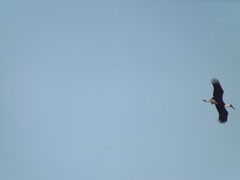
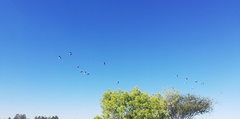
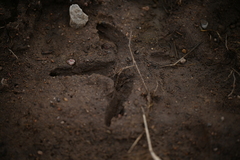
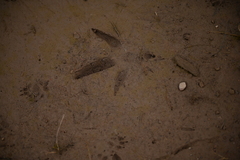
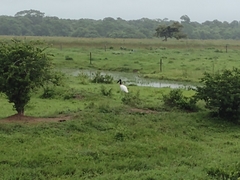
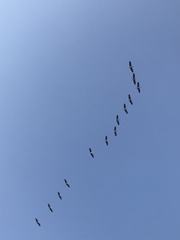
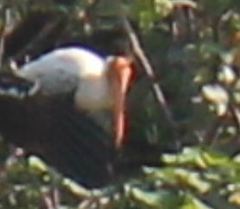
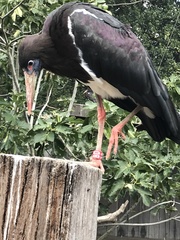
Storks are large, long-legged, long-necked wading birds with long, stout bills. They belong to the family Ciconiidae, and make up the order Ciconiiformes . Ciconiiformes previously included a number of other families, such as herons and ibises, but those families have been moved to the order Pelecaniformes.
Storks dwell in many regions and tend to live in drier habitats than the closely related herons, spoonbills and ibises; they also lack the powder down that those groups use to clean off fish slime. Bill-clattering is an important mode of communication at the nest. Many species are migratory. Most storks eat frogs, fish, insects, earthworms, small birds and small mammals. There are 20 living species of storks in six genera.
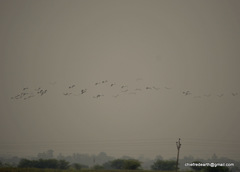
Various terms are used to refer to groups of storks, two frequently used ones being a muster of storks and a phalanx of storks.
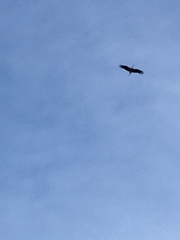
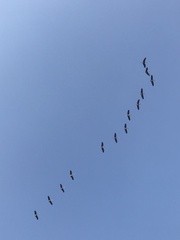
Storks tend to use soaring, gliding flight, which conserves energy. Soaring requires thermal air currents. Ottomar Anschütz's famous 1884 album of photographs of storks inspired the design of Otto Lilienthal's experimental gliders of the late nineteenth century. Storks are heavy, with wide wingspans: the marabou stork, with a wingspan of 3.2 m (10 ft 6 in) and weight up to 8 kg (18 lb), joins the Andean condor in having the widest wingspan of all living land birds.
Their nests are often very large and may be used for many years. Some nests have been known to grow to over 2 metres (6 ft 7 in) in diameter and about 3 metres (9.8 ft) in depth. All storks were once thought to be monogamous, but this is only partially true. While storks are generally socially monogamous, some species exhibit regular extra-pair breeding.
Popular conceptions of storks' fidelity, serial monogamy, and doting parental care contribute to their prominence in mythology and culture, especially in Western folklore as the deliverers of newborn humans.
All 20 stork species have been assessed by the IUCN and carry a confident Red List status. However, the assessments for several species were based on incorrect assumptions and a general lack of sound information on stork habits.
...Ciconiiformes in languages:
- Arabic
- لقلقيات الشكل
- Belarusian
- Буслападобныя
- Bokmål
- Storker
- Bulgarian
- Щъркелоподобни
- Chinese
- 鸛形目
- Czech
- brodiví
- Danish
- Storkefugle
- Dutch
- Ooievaarachtigen
- English
- Storks
- Estonian
- Toonekurelised
- Finnish
- Haikaralinnut
- French
- Cigognes & alliés
- German
- Schreitvögel
- Hebrew
- חסידאים
- Hungarian
- gólyaalakúak
- Italian
- Ciconiiformi
- Japanese
- コウノトリ目
- Korean
- 황새목
- Modern Greek
- Πελαργόμορφα
- Polish
- Bocianowe
- Portuguese
- Cegonhas
- Russian
- Аистообразные
- Swedish
- storkfåglar
- Thai
- นกกระสา
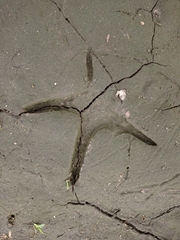
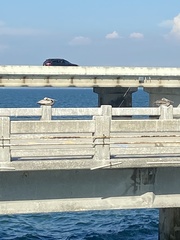
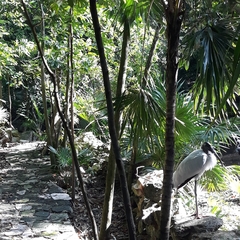
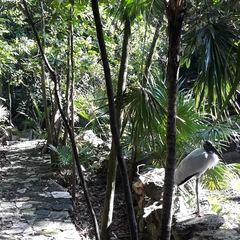
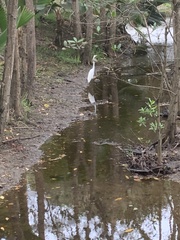
Images from inaturalist.org observations:
We recommend you sign up for this excellent, free service.





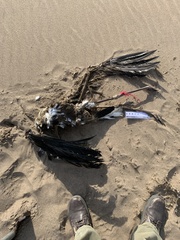


Parent Taxon
Sibling Taxa
- Accipitriformes
- Aepyornithiformes
- Anseriformes
- Apterygiformes
- Bucerotiformes
- Caprimulgiformes
- Cariamiformes
- Casuariiformes
- Cathartiformes
- Charadriiformes
- Ciconiiformes
- Coliiformes
- Columbiformes
- Confuciusornithiformes
- Coraciiformes
- Cuculiformes
- Dinornithiformes
- Eurypygiformes
- Falconiformes
- Galbuliformes
- Galliformes
- Gaviiformes
- Gruiformes
- Leptosomiformes
- Mesitornithiformes
- Musophagiformes
- Opisthocomiformes
- Otidiformes
- Passeriformes
- Pelecaniformes
- Phaethontiformes
- Phoenicopteriformes
- Piciformes
- Podicipediformes
- Procellariiformes
- Psittaciformes
- Pterocliformes
- Rheiformes
- Sphenisciformes
- Strigiformes
- Struthioniformes
- Suliformes
- Tinamiformes
- Trogoniformes