Pelecaniformes: taxon details and analytics
- Domain
- Kingdom
- Animalia
- Phylum
- Chordata
- Class
- Aves
- Order
- Pelecaniformes
- Family
- Genus
- Species
- Scientific Name
- Pelecaniformes
Summary description from Wikipedia:
Pelecaniformes
The Pelecaniformes are an order of medium-sized and large waterbirds found worldwide. As traditionally (but erroneously) defined, they encompass all birds that have feet with all four toes webbed. Hence, they were formerly also known by such names as totipalmates or steganopods. Under this obsolete definition, the Fregatidae (frigatebirds), Sulidae (gannets and boobies), Phalacrocoracidae (cormorants and shags), Anhingidae (darters), and Phaethontidae (tropicbirds) were included in the Pelecaniformes. Subsequent molecular and morphological studies indicate they are in fact not close relatives to "true" Pelecaniformes, and they are now placed in their own orders, Suliformes and Phaethontiformes, respectively.
Pelecaniformes as currently defined comprise the pelicans, shoebill and hamerkop, which form a clade within the order (suborder Pelecani), along with herons (Ardeidae) and ibises and spoonbills (Threskiornithidae); the relationships between Pelecani and the other two families are still being debated by taxonomists.
Most have a bare throat patch (gular skin), and the nostrils have evolved into dysfunctional slits, forcing them to breathe through their mouths. They also have a pectinate (comb-like) nail on their longest toe, which is used to brush out and separate their feathers. They feed on fish, squid, and other aquatic animals. Nesting is colonial, but the individual birds are monogamous, pairing up to rear their respective clutches. These birds lack a brood patch. The young are altricial, hatching from the egg helpless and naked in most species.
...Pelecaniformes in languages:
- Arabic
- بجعيات الشكل
- Bokmål
- Pelikan- & hegrefugler
- Bokmål
- Pelikanfugler
- Bulgarian
- Пеликаноподобни
- Catalan
- Pelicaniformes
- Chinese
- 鵜形目
- Croatian
- Pelikanke
- Czech
- veslonozí
- Danish
- Pelikanfugle
- Dutch
- Roeipotigen
- English
- Pelicans, Herons, Ibises, and Allies
- English
- Pelecaniforms
- Estonian
- Pelikanilised
- Finnish
- pelikaanilinnut
- German
- Pelecaniformes
- German
- Pelikanvögel
- Hungarian
- gödényalakúak
- Italian
- Pelecaniformi
- Japanese
- ペリカン目
- Korean
- 사다새목
- Modern Greek
- Πελεκανόμορφα
- Polish
- Pelikanowe
- Portuguese
- Pelicanos, Garças, Íbises e afins
- Russian
- Пеликанообразные
- Russian
- Веслоногие птицы
- Russian
- Веслоногие
- Swedish
- Pelikanfåglar
- Thai
- นกยาง นกกระทุง
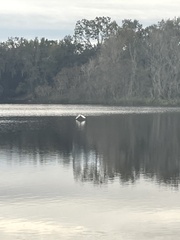
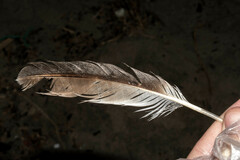
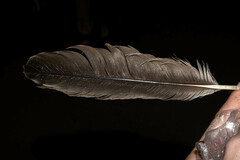
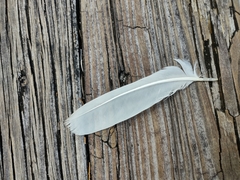
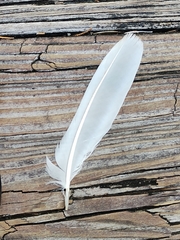
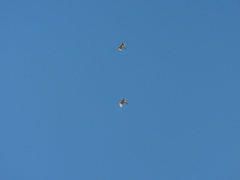
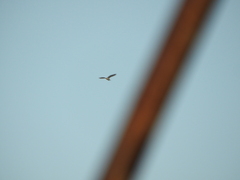
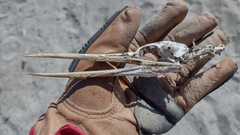
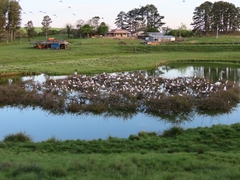
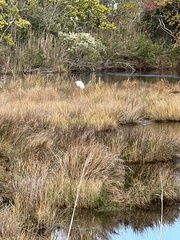
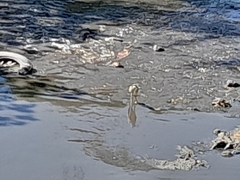
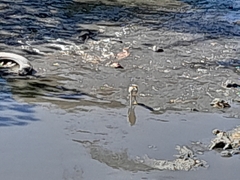
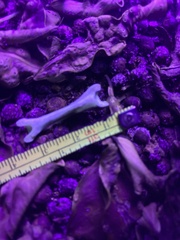
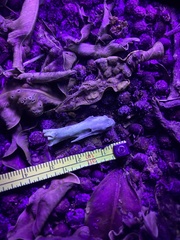
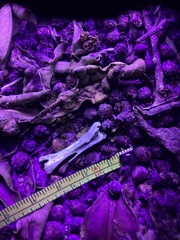
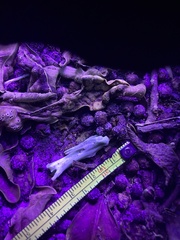
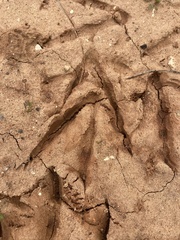
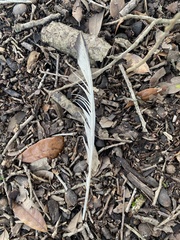
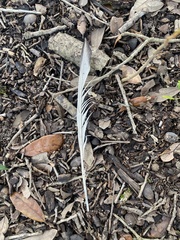
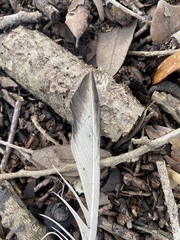
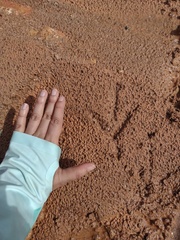
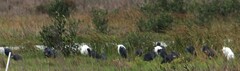
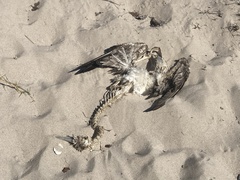
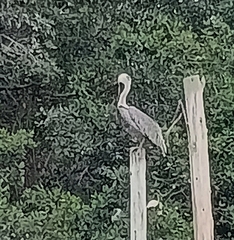
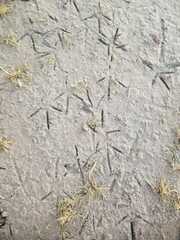
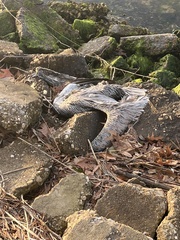
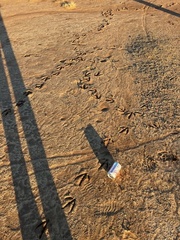
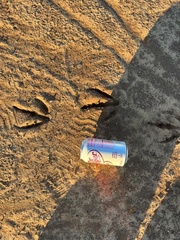
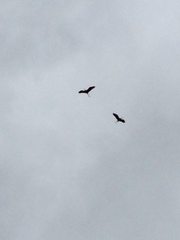
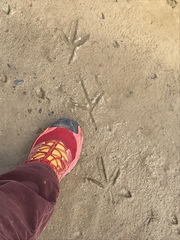
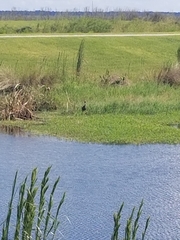
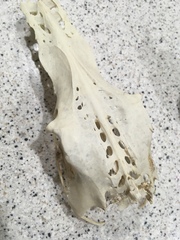
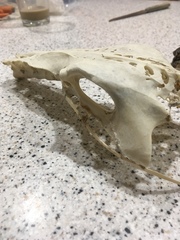
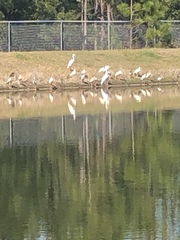
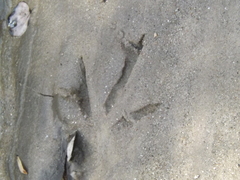
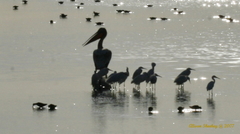
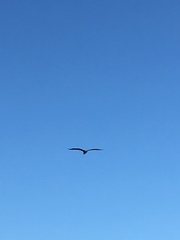
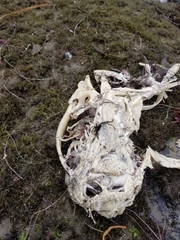
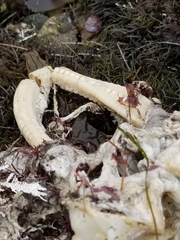
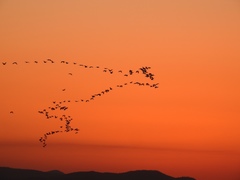
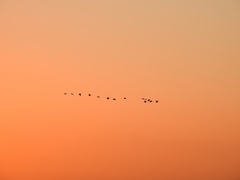
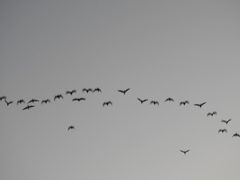
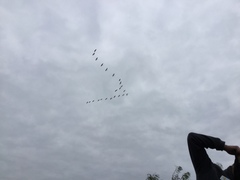
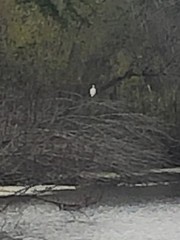
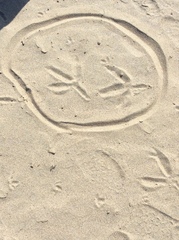
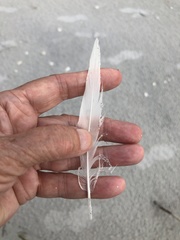
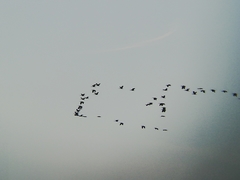
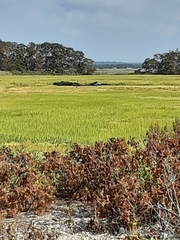
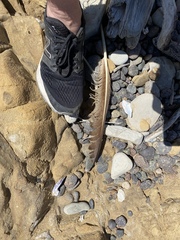
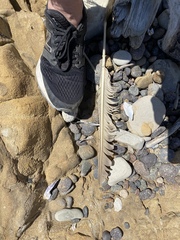
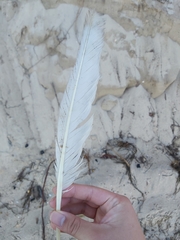
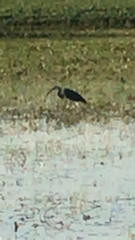
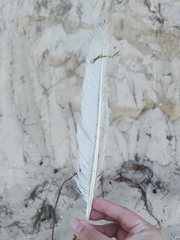
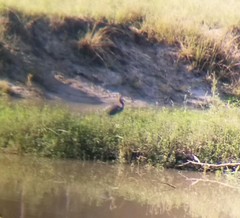
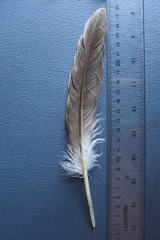
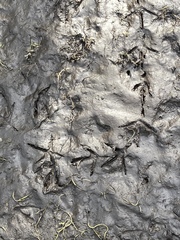
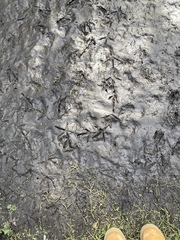
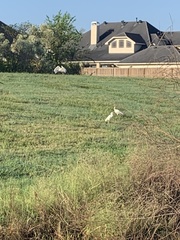
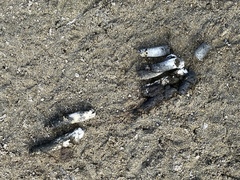
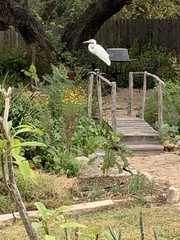
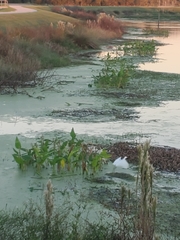
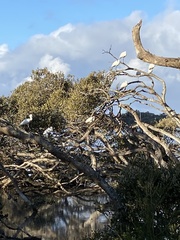
Images from inaturalist.org observations:
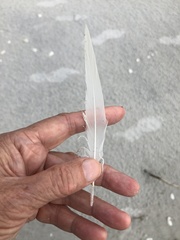
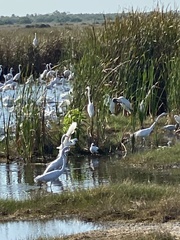
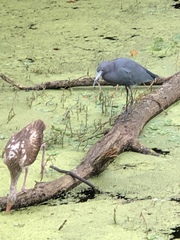
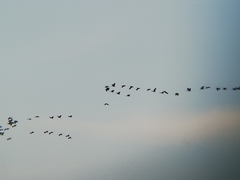
We recommend you sign up for this excellent, free service.






































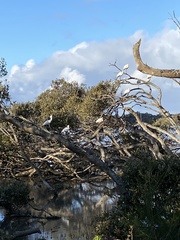

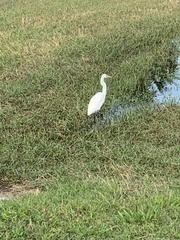
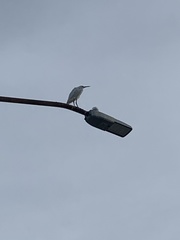
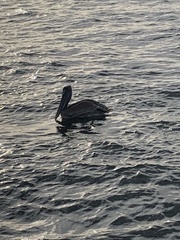


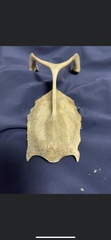
Parent Taxon
Sibling Taxa
- Accipitriformes
- Aepyornithiformes
- Anseriformes
- Apterygiformes
- Bucerotiformes
- Caprimulgiformes
- Cariamiformes
- Casuariiformes
- Cathartiformes
- Charadriiformes
- Ciconiiformes
- Coliiformes
- Columbiformes
- Confuciusornithiformes
- Coraciiformes
- Cuculiformes
- Dinornithiformes
- Eurypygiformes
- Falconiformes
- Galbuliformes
- Galliformes
- Gaviiformes
- Gruiformes
- Leptosomiformes
- Mesitornithiformes
- Musophagiformes
- Opisthocomiformes
- Otidiformes
- Passeriformes
- Pelecaniformes
- Phaethontiformes
- Phoenicopteriformes
- Piciformes
- Podicipediformes
- Procellariiformes
- Psittaciformes
- Pterocliformes
- Rheiformes
- Sphenisciformes
- Strigiformes
- Struthioniformes
- Suliformes
- Tinamiformes
- Trogoniformes