Coccoidea: taxon details and analytics
- Domain
- Kingdom
- Animalia
- Phylum
- Arthropoda
- Class
- Insecta
- Order
- Hemiptera
- Family
- Genus
- Species
- Scientific Name
- Coccoidea
Summary description from Wikipedia:
Scale insect
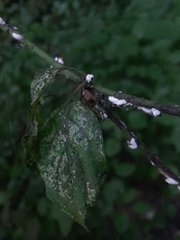
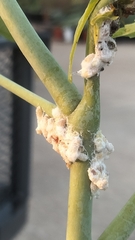
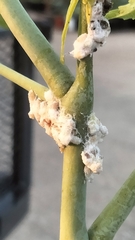
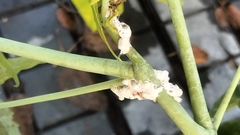
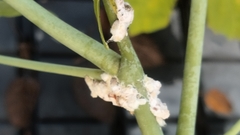
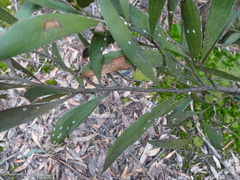
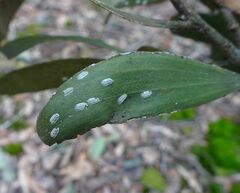
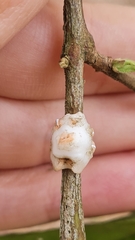
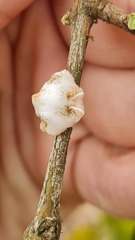
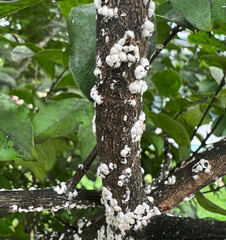
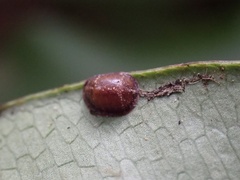
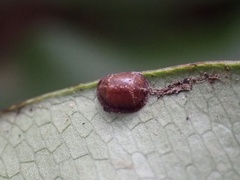
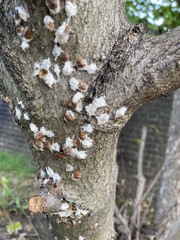
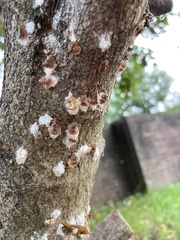
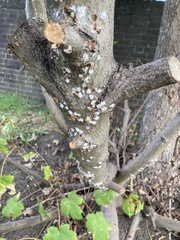
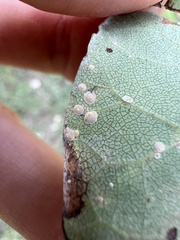
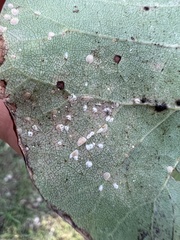
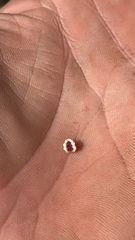
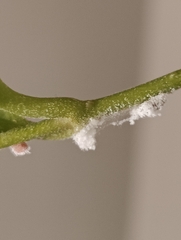
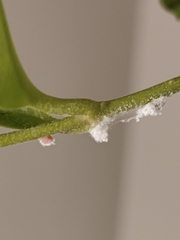
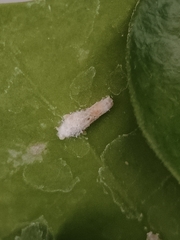
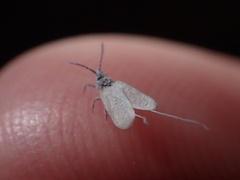
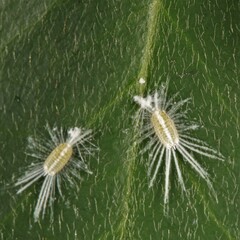
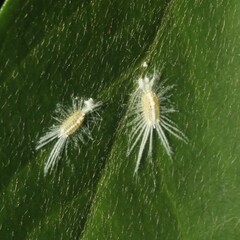
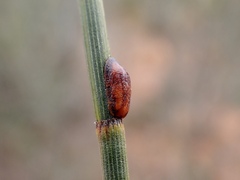
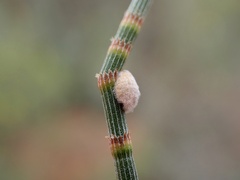
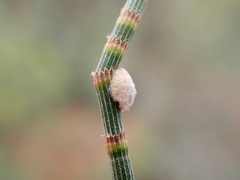
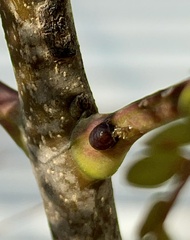
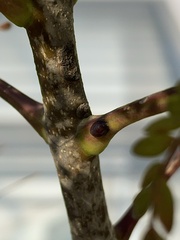
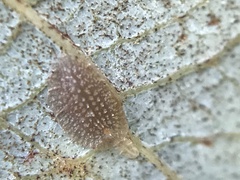
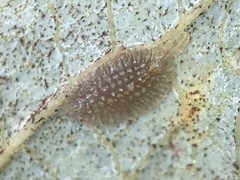
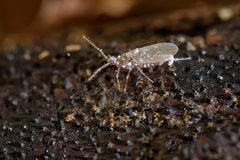
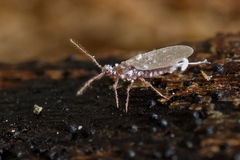
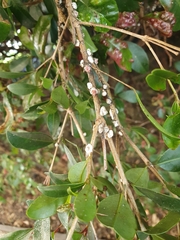
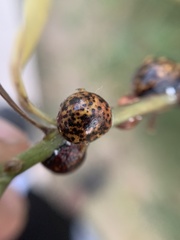
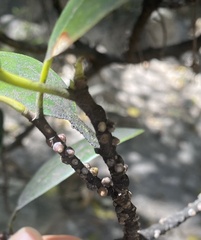
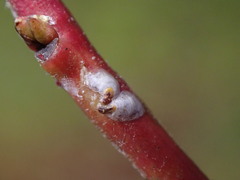
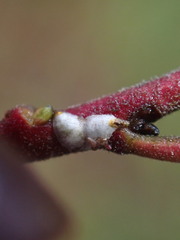
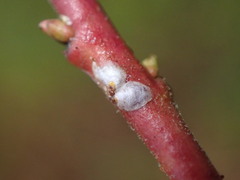
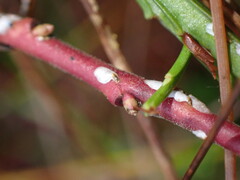
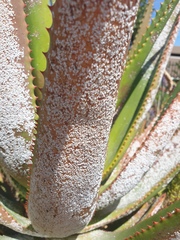
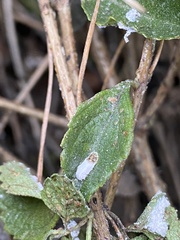
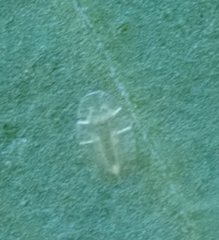
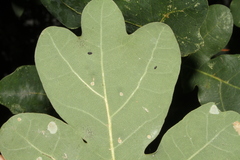
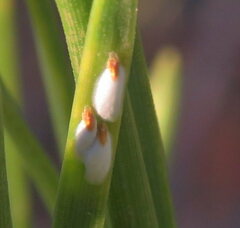
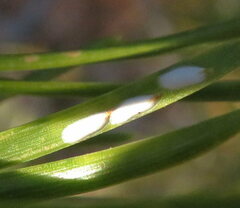
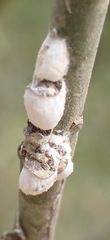
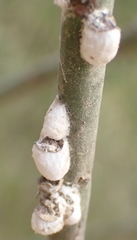
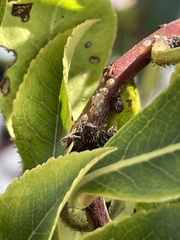
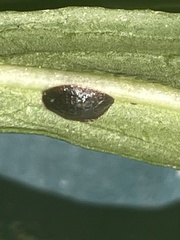
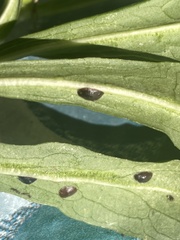
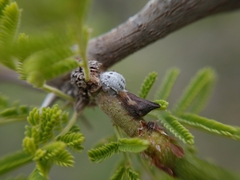
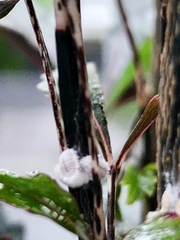
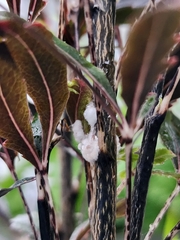
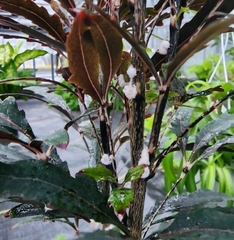
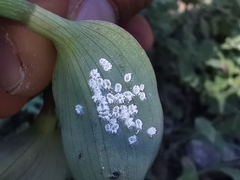
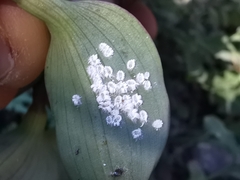
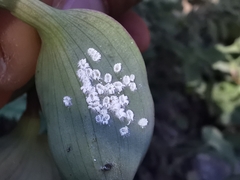
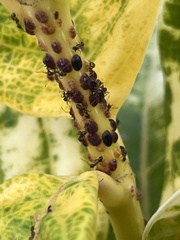
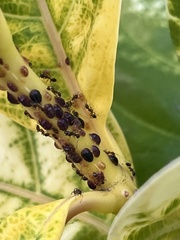
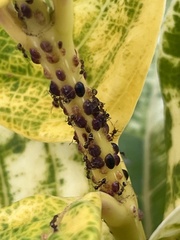
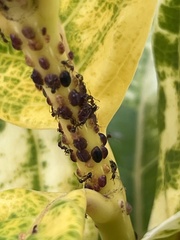
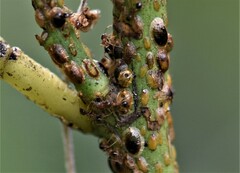
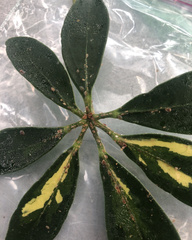
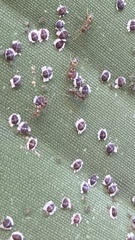
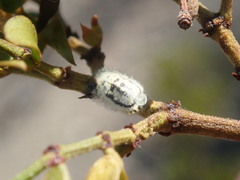
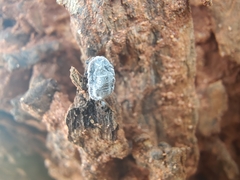
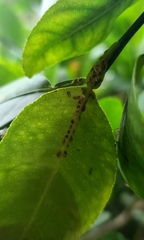
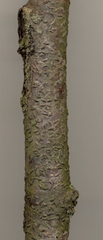
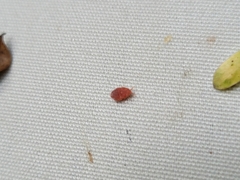
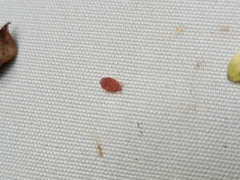
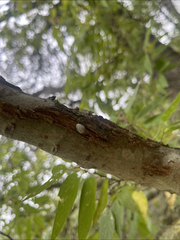
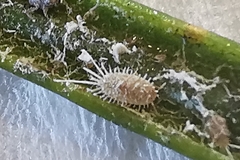
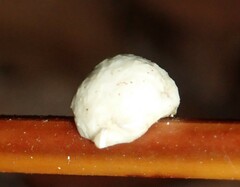
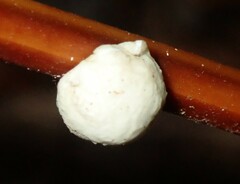
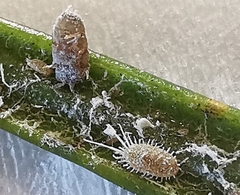
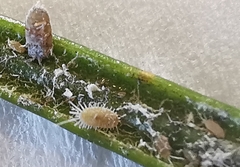
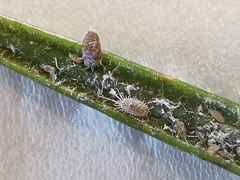
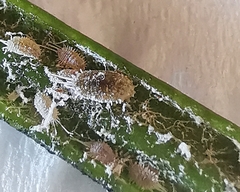
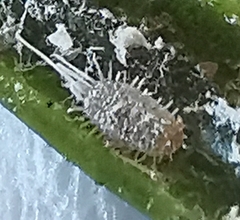
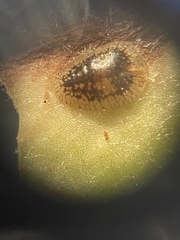
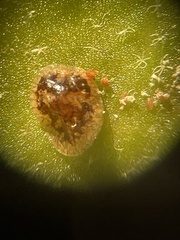
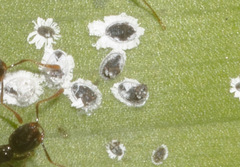
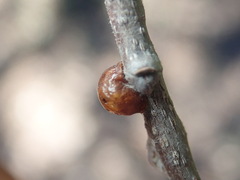
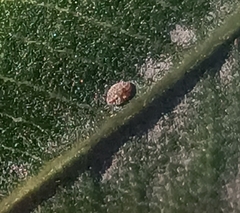
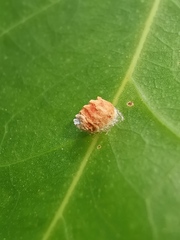
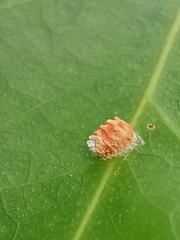
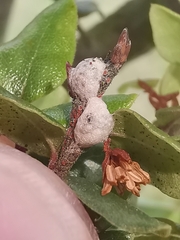
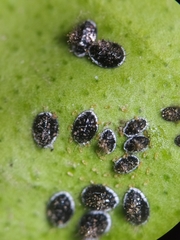
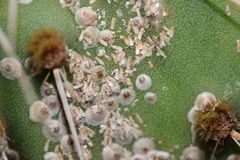
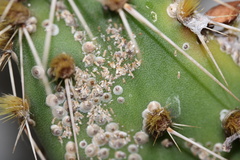
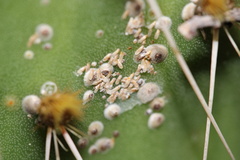
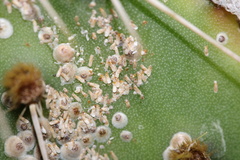
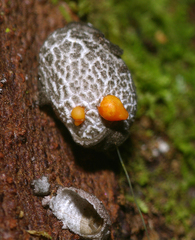
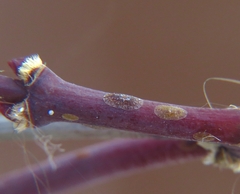
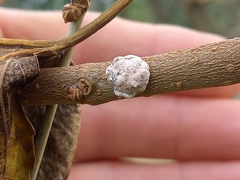
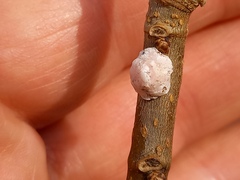
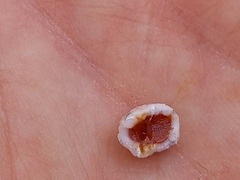
Scale insects are small insects of the order Hemiptera, suborder Sternorrhyncha. Of dramatically variable appearance and extreme sexual dimorphism, they comprise the infraorder Coccomorpha which is considered a more convenient grouping than the superfamily Coccoidea due to taxonomic uncertainties. Adult females typically have soft bodies and no limbs, and are concealed underneath domed scales, extruding quantities of wax for protection. Some species are hermaphroditic, with a combined ovotestis instead of separate ovaries and testes. Males, in the species where they occur, have legs and sometimes wings, and resemble small flies. Scale insects are herbivores, piercing plant tissues with their mouthparts and remaining in one place, feeding on sap. The excess fluid they imbibe is secreted as honeydew on which sooty mold tends to grow. The insects often have a mutualistic relationship with ants, which feed on the honeydew and protect them from predators. There are about 8,000 described species.
The oldest fossils of the group date to the Late Jurassic, preserved in amber. They were already substantially diversified by the Early Cretaceous suggesting an earlier origin during the Triassic or Jurassic. Their closest relatives are the jumping plant lice, whiteflies, phylloxera bugs and aphids. The majority of female scale insects remain in one place as adults, with newly hatched nymphs, known as "crawlers", being the only mobile life stage, apart from the short-lived males. The reproductive strategies of many species include at least some amount of asexual reproduction by parthenogenesis.
Some scale insects are serious commercial pests, notably the cottony cushion scale (Icerya purchasi) on Citrus fruit trees; they are difficult to control as the scale and waxy covering protect them effectively from contact insecticides. Some species are used for biological control of pest plants such as the prickly pear, Opuntia. Others produce commercially valuable substances including carmine and kermes dyes, and shellac lacquer. The two red colour-names crimson and scarlet both derive from the names of Kermes products in other languages.
...Coccoidea in languages:
- Afrikaans
- Dopluise
- Bulgarian
- Щитоносни въшки
- Catalan
- Coccoïdeus
- Catalan
- Cotxinilles
- Catalan
- Caparretes
- Chinese
- 介殼蟲總科
- Czech
- červci
- English
- Scale Insects
- German
- Schildläuse
- Hebrew
- כנימת מגן
- Italian
- Cocciniglie
- Japanese
- カイガラムシ上科
- Korean
- 깍지벌레상과
- Lithuanian
- Skydamariniai
- Modern Greek
- Κοκκοειδή
- Portuguese
- Cochonilhas
- Portuguese
- Cochonilhas-de-Escama
- Portuguese
- Insetos-Escama
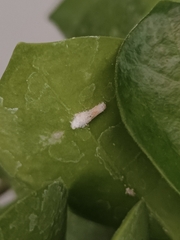
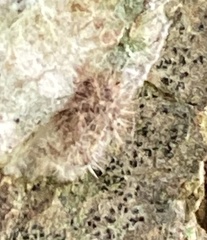
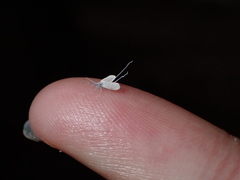
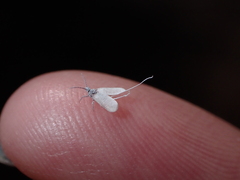
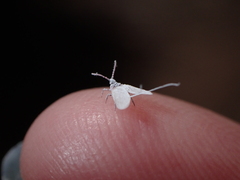
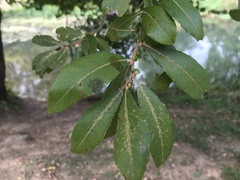
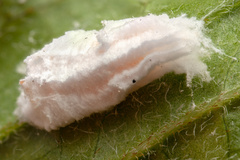
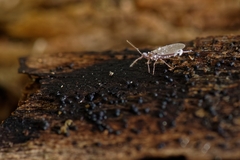
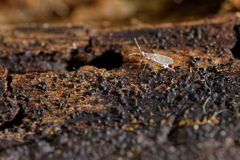
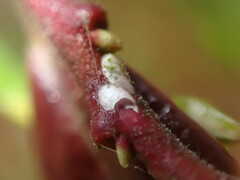
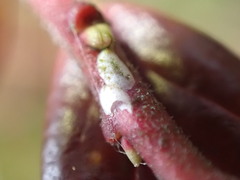
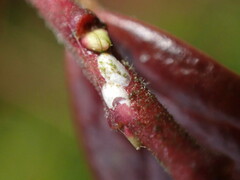
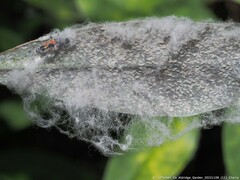
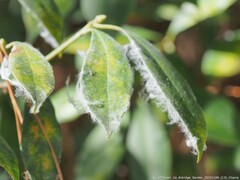
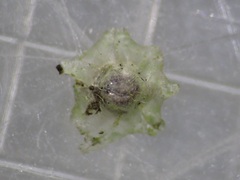
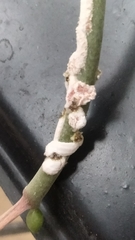
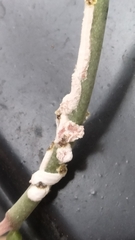
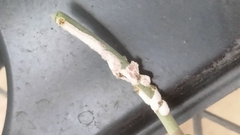
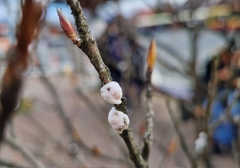
Images from inaturalist.org observations:
We recommend you sign up for this excellent, free service.


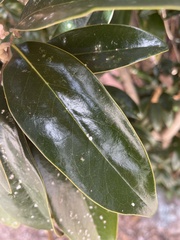
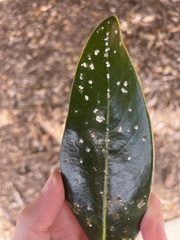
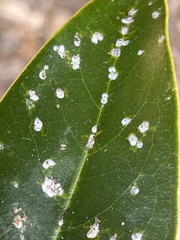
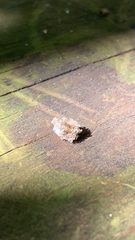
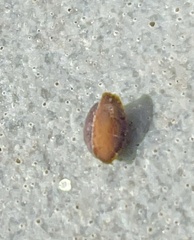
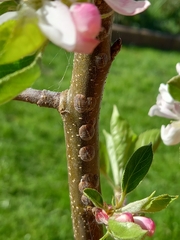
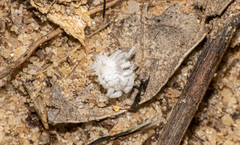
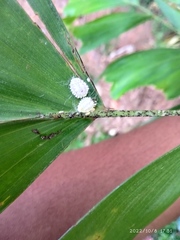
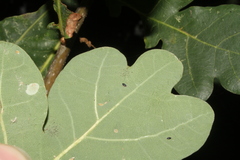
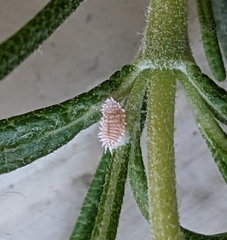

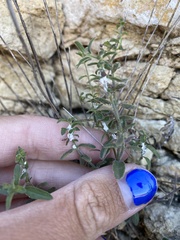
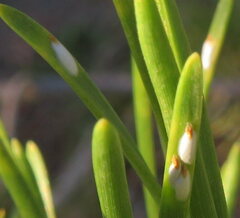


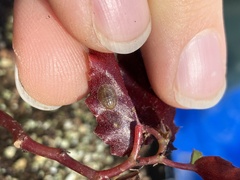
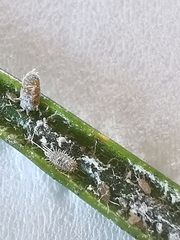
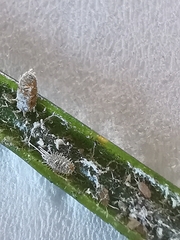
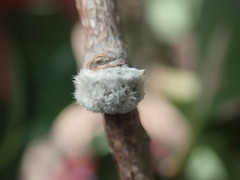
Parent Taxon
Child Taxa
- Aclerdidae
- Asterolecaniidae
- Beesoniidae
- Callipappidae
- Carayonemidae
- Cerococcidae
- Coccidae
- Coelostomidiidae
- Conchaspididae
- Dactylopiidae
- Diaspididae
- Eriococcidae
- Halimococcidae
- Kermesidae
- Kerriidae
- Kuwaniidae
- Lacciferidae
- Lecanodiaspididae
- Marchalinidae
- Margarodidae
- Matsucoccidae
- Micrococcidae
- Monophlebidae
- Ortheziidae
- Phenacoleachiidae
- Phoenicococcidae
- Pseudococcidae
- Putoidae
- Rhizoecidae
- Steingeliidae
- Stictococcidae
- Xylococcidae
Top Observation Places
- Launceston
- Stafford
- Boulder
- Bristol
- Lansing
- Nottingham
- Salt Lake City
- Townsville
- New Orleans
- Canberra
- Richmond
- Rancho Penasquitos
- Springfield
- New Plymouth
- Wheaton
- Lubbock
- Tel Aviv
- Bnei Brak
- Ramat Gan
- Givatayim
- Sant Martí
- Badalona
- Sant Andreu
- Sagrada Família
- Asheville
- Großzschocher
- Edinburgh
- Cathedral City
- West Town
- Logan Square
- Irving Park
- Albany Park
- Concord
- Toronto
- Willowdale
- Willowdale East
- Adelaide
- Yilan
- Baltimore
- Ellicott City
- Towson
- Cholula
- San Bernardino Tlaxcalancingo
- Cuernavaca
- Jiutepec
- Monterrey
- Guadalupe
- San Nicolás de los Garza
- Ciudad General Escobedo
- San Pedro Garza García