Euphorbia: taxon details and analytics
- Domain
- Kingdom
- Plantae
- Phylum
- Tracheophyta
- Class
- Magnoliopsida
- Order
- Malpighiales
- Family
- Euphorbiaceae
- Genus
- Euphorbia
- Species
- Scientific Name
- Euphorbia
Summary description from Wikipedia:
Euphorbia
Euphorbia is a large and diverse genus of flowering plants, commonly called spurge, in the family Euphorbiaceae.
Euphorbias range from tiny annual plants to large and long-lived trees, with perhaps the tallest being Euphorbia ampliphylla at 30 m (98 ft) or more. The genus has roughly 2,000 members, making it one of the largest genera of flowering plants. It also has one of the largest ranges of chromosome counts, along with Rumex and Senecio. Euphorbia antiquorum is the type species for the genus Euphorbia. It was first described by Carl Linnaeus in 1753 in Species Plantarum.
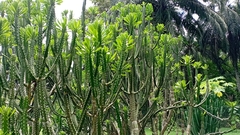
Some euphorbias are widely available commercially, such as poinsettias at Christmas. Some are commonly cultivated as ornamentals, or collected and highly valued for the aesthetic appearance of their unique floral structures, such as the crown of thorns plant (Euphorbia milii). Succulent euphorbias from the deserts of Southern Africa and Madagascar have evolved physical characteristics and forms similar to cacti of North and South America, so they are often incorrectly referred to as cacti. Some are used as ornamentals in landscaping, because of beautiful or striking overall forms, and drought and heat tolerance.
Euphorbia all share the feature of having a poisonous, latex-like sap and unique floral structures. When viewed as a whole, the head of flowers looks like a single flower (a pseudanthium). It has a unique kind of pseudanthium, called a cyathium, where each flower in the head is reduced to its barest essential part needed for sexual reproduction. The individual flowers are either male or female, with the male flowers reduced to only the stamen, and the females to the pistil. These flowers have no sepals, petals, or other parts that are typical of flowers in other kinds of plants. Structures supporting the flower head and other structures underneath have evolved to attract pollinators with nectar, and with shapes and colors that function in a way petals and other flower parts do in other flowers. It is the only genus of plants that has all three kinds of photosynthesis, CAM, C3 and C4.
...Euphorbia in languages:
- Afrikaans
- Melkbosse, Nabome, Noorsdorings & Vingerpolle
- Belarusian
- Малачай
- Bokmål
- vortemelk
- Bulgarian
- Млечка
- Catalan
- lleteresa
- Chinese
- 大戟屬
- Czech
- pryšec
- Danish
- Vortemælkslægten
- Dutch
- Wolfsmelk
- English
- spurges
- Estonian
- piimalilled
- Finnish
- Tyräkit
- French
- euphorbes
- Galician
- Leiteiriñas
- German
- Wolfsmilch
- Hebrew
- חלבלוב
- Hungarian
- Kutyatej
- Italian
- Euforbia
- Japanese
- トウダイグサ属
- Korean
- 대극속
- Lithuanian
- Karpažolė
- Modern Greek
- Ευφορβία
- Occitan
- Eufòrbia
- Polish
- Wilczomlecz
- Russian
- Молочай
- Slovene
- mleček
- Swedish
- törlar
- Thai
- สกุล หญ้ายาง
- Ukrainian
- Молочай
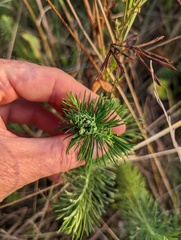
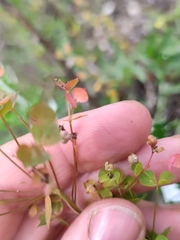
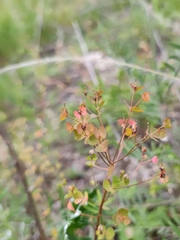
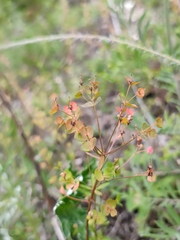
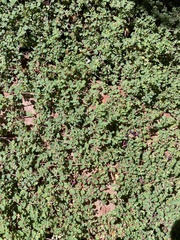
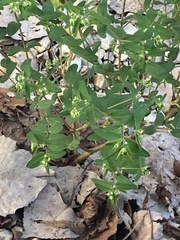
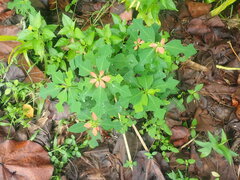
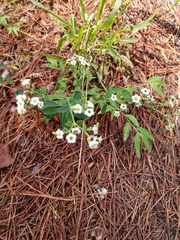
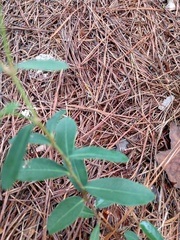
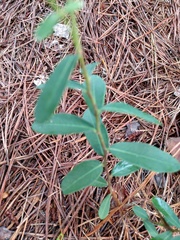
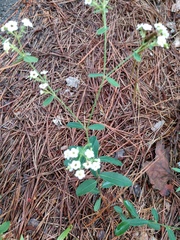
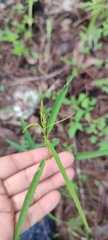
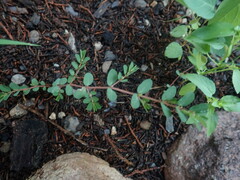
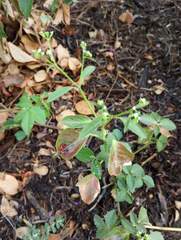
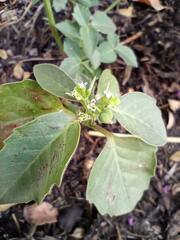
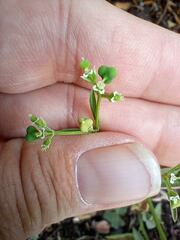
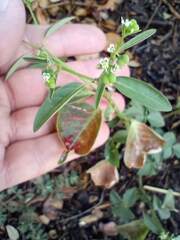
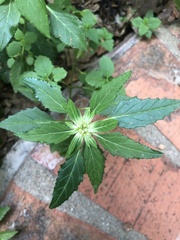
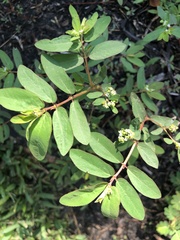
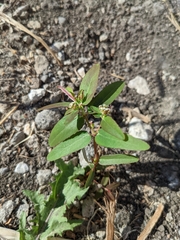
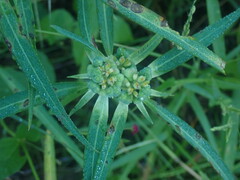
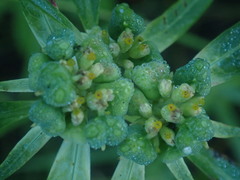
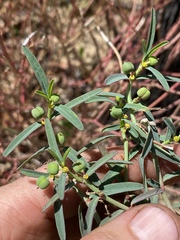
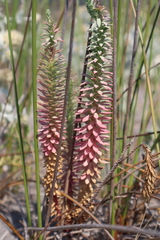
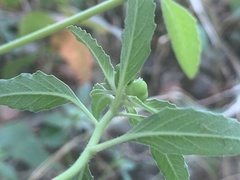
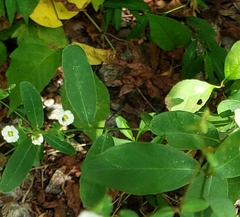
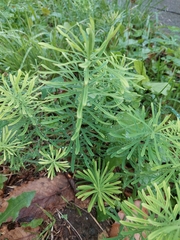
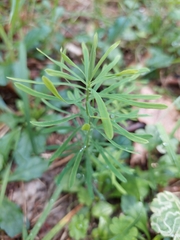
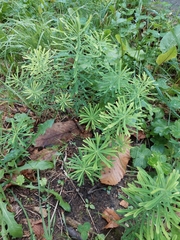
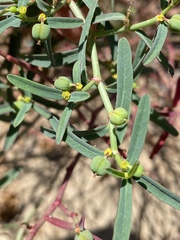
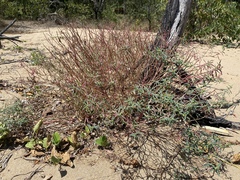
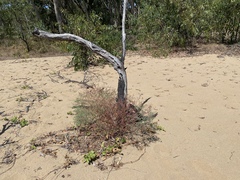
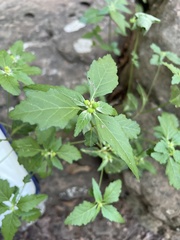
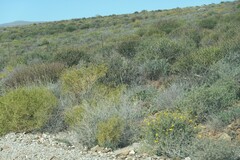
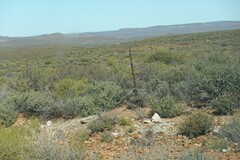
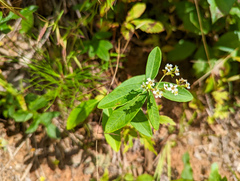
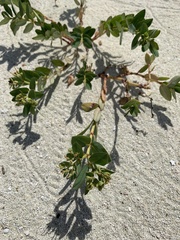
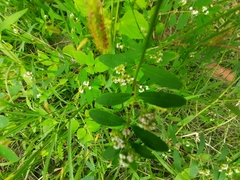
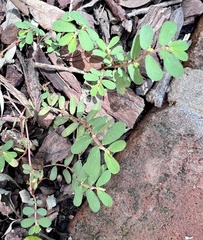
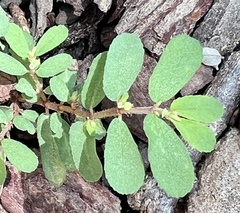
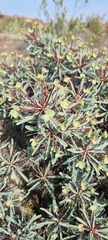
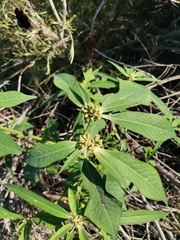
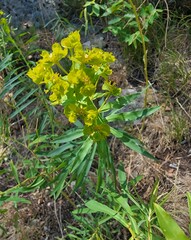
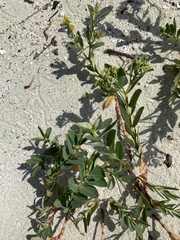
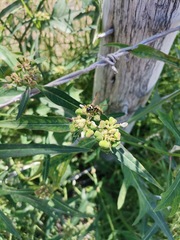
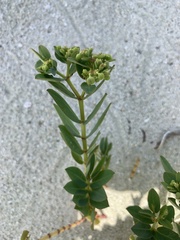
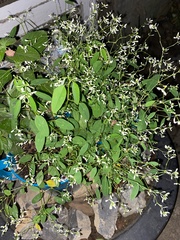
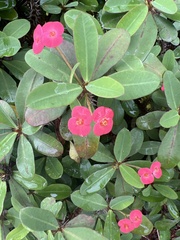
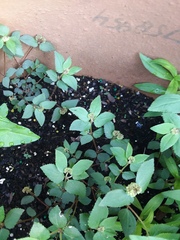
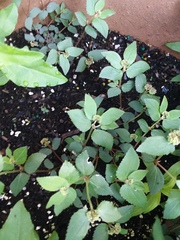
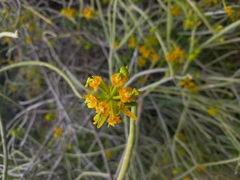
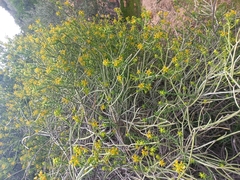
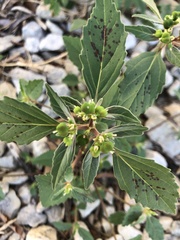
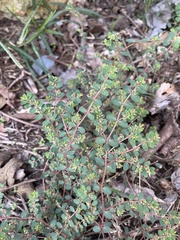
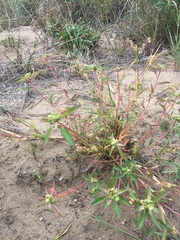
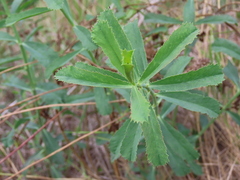
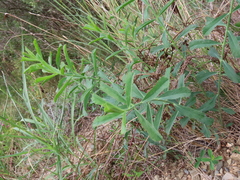
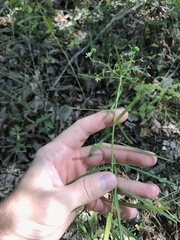
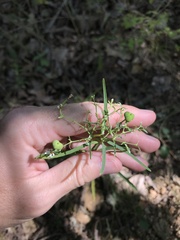
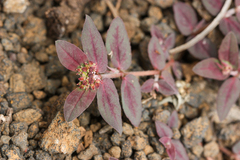
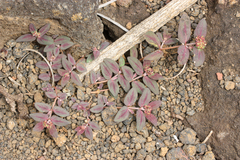
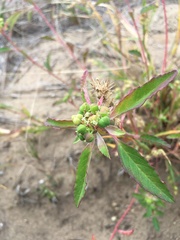
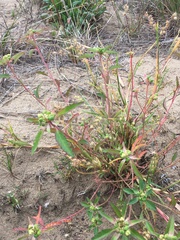
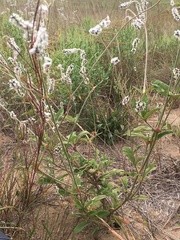
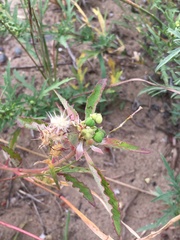
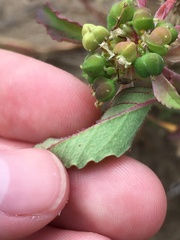
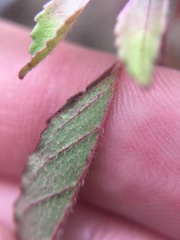
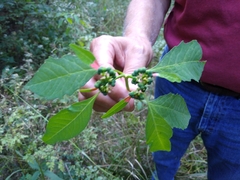
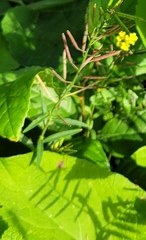
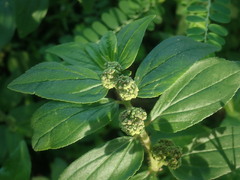
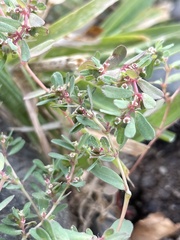
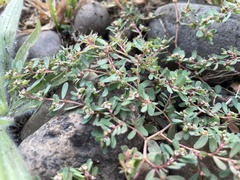
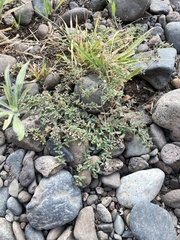
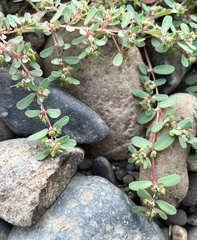
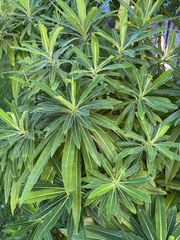
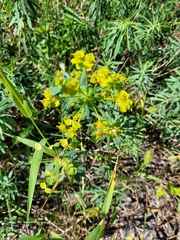
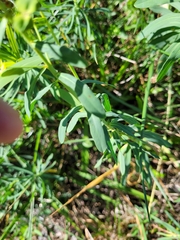
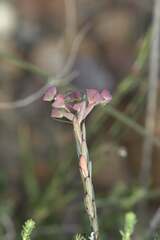
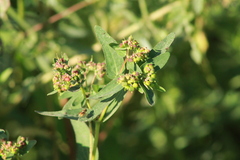
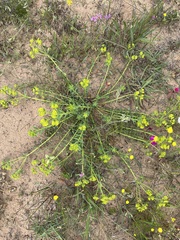
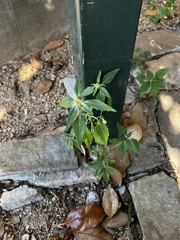
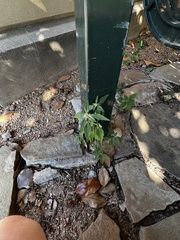
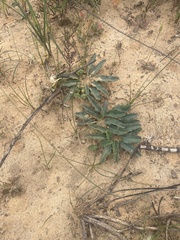
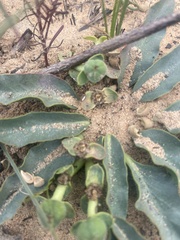
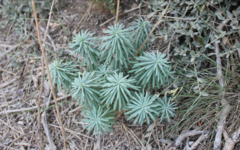
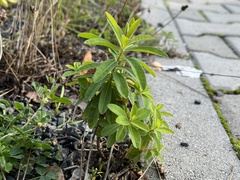
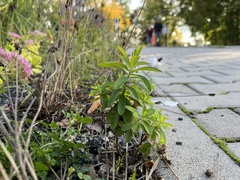
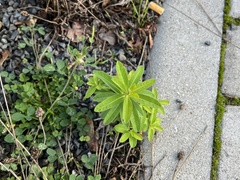
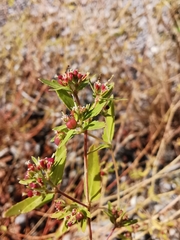
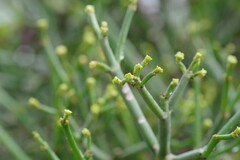
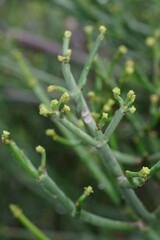
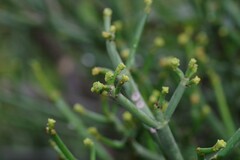
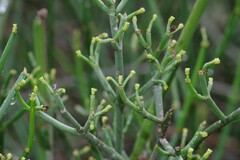
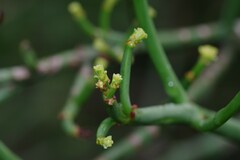
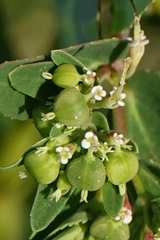
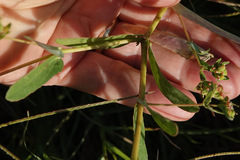
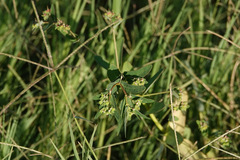
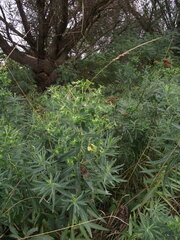
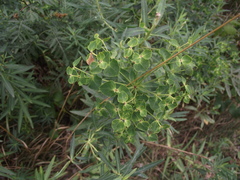
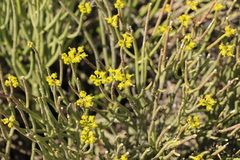
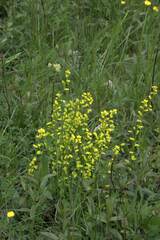
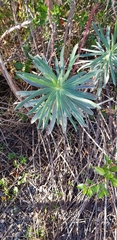
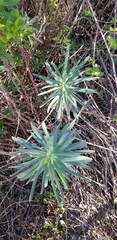
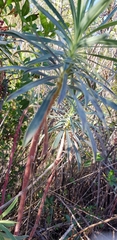
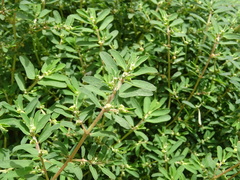
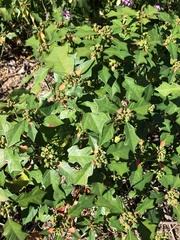
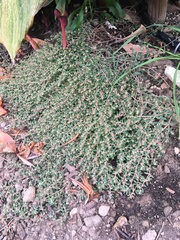
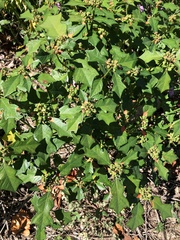
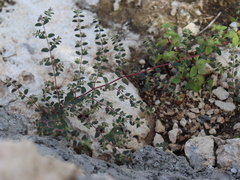
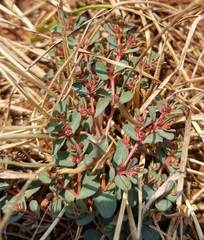
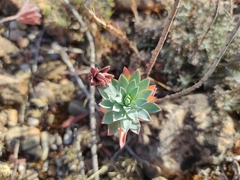
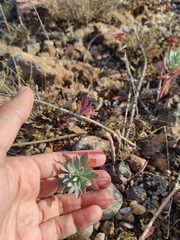
Images from inaturalist.org observations:
We recommend you sign up for this excellent, free service.
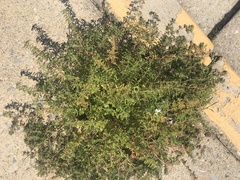
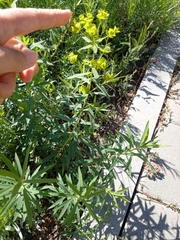
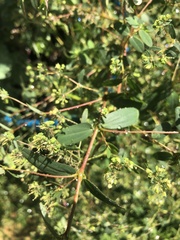
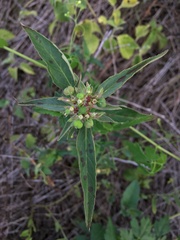
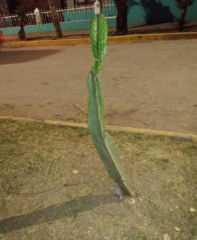
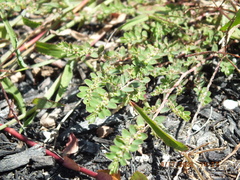
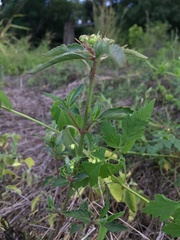
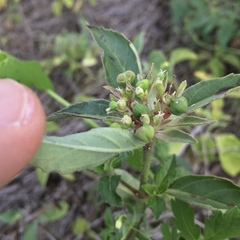
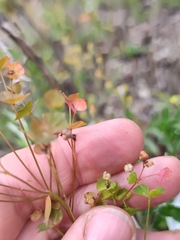
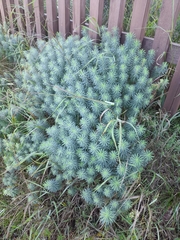
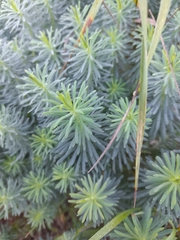
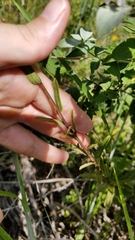
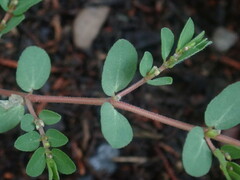
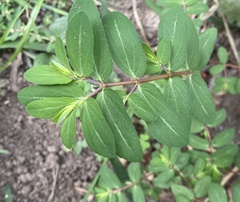
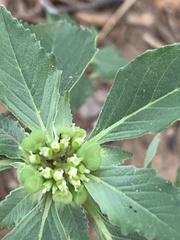
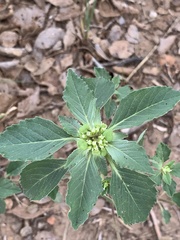
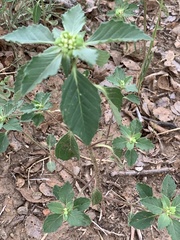
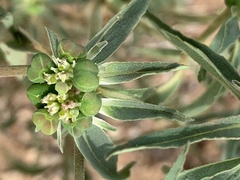
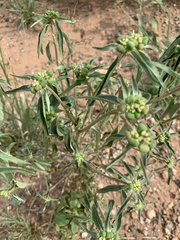
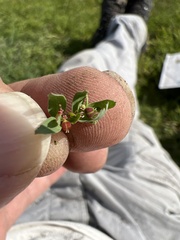
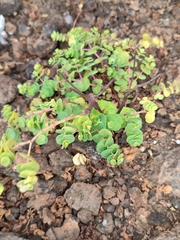
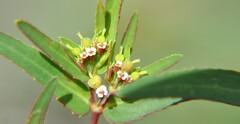
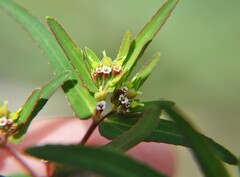
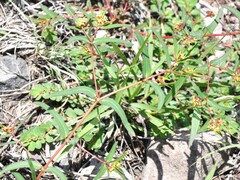
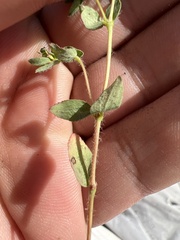
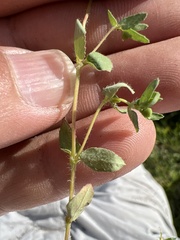
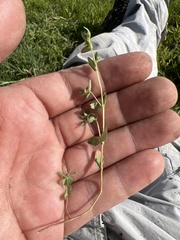
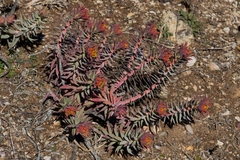
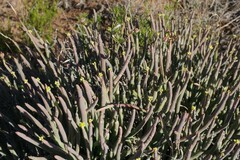
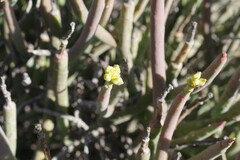
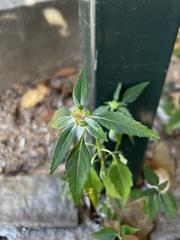
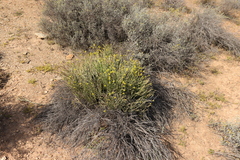
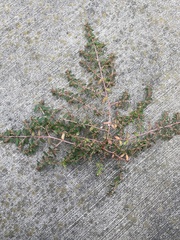
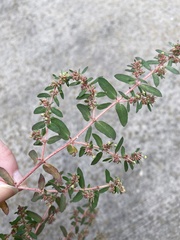
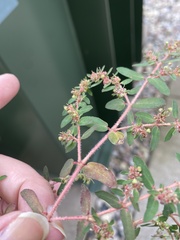
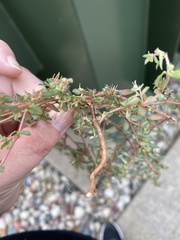
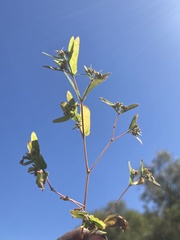
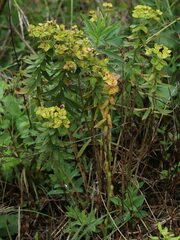
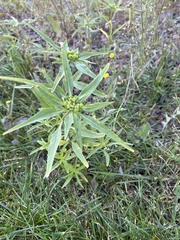
Parent Taxon
Sibling Taxa
Child Taxa
- Athymalus
- Chamaesyce
- Esula
- Euphorbia
- Euphorbia alsiniflora
- Euphorbia antonii
- Euphorbia apocynoides
- Euphorbia asclepiadea
- Euphorbia baga
- Euphorbia balbisii
- Euphorbia balfourii
- Euphorbia belgradica
- Euphorbia bokorensis
- Euphorbia bottae
- Euphorbia brownii
- Euphorbia budensis
- Euphorbia burgeri
- Euphorbia burmanni
- Euphorbia cameronii
- Euphorbia capansa
- Euphorbia carinifolia
- Euphorbia charleswilsoniana
- Euphorbia chiogenes
- Euphorbia commersonii
- Euphorbia consoquitlae
- Euphorbia cordatella
- Euphorbia crassinodis
- Euphorbia cruentata
- Euphorbia culminicola
- Euphorbia damasoi
- Euphorbia digestiva
- Euphorbia dilobadena
- Euphorbia diuretica
- Euphorbia elymaitica
- Euphorbia emetica
- Euphorbia eranthes
- Euphorbia erythrocephala
- Euphorbia excisa
- Euphorbia filicaulis
- Euphorbia fimbrilligera
- Euphorbia fleckii
- Euphorbia forskaolii
- Euphorbia fuscolanata
- Euphorbia garkeana
- Euphorbia gaubae
- Euphorbia gedrosiaca
- Euphorbia gorenflotii
- Euphorbia grandilobata
- Euphorbia grisea
- Euphorbia guineensis
- Euphorbia gulestanica
- Euphorbia gundlachii
- Euphorbia gypsicola
- Euphorbia hainanensis
- Euphorbia hararensis
- Euphorbia heraldiana
- Euphorbia herteri
- Euphorbia hockii
- Euphorbia hondurana
- Euphorbia huttoniae
- Euphorbia iloitaii
- Euphorbia ingezalahiana
- Euphorbia jablonskiana
- Euphorbia josei
- Euphorbia jubaeaphylla
- Euphorbia juvoklanti
- Euphorbia kalbaensis
- Euphorbia kopetdaghi
- Euphorbia laevigata
- Euphorbia larranagae
- Euphorbia latericolor
- Euphorbia limaensis
- Euphorbia linearibracteata
- Euphorbia lingiana
- Euphorbia lioui
- Euphorbia lorentzii
- Euphorbia lucii-smithii
- Euphorbia macinensis
- Euphorbia macroglypha
- Euphorbia malleata
- Euphorbia malurensis
- Euphorbia marreroi
- Euphorbia microsciadia
- Euphorbia mtolohensis
- Euphorbia musilii
- Euphorbia navae
- Euphorbia nudicaulis
- Euphorbia nyaradyana
- Euphorbia officinalis
- Euphorbia orphanidis
- Euphorbia oryctis
- Euphorbia osyridiformis
- Euphorbia panjutinii
- Euphorbia pantomalaca
- Euphorbia paradoxa
- Euphorbia parifolia
- Euphorbia parodii
- Euphorbia perfoliata
- Euphorbia pestalozzae
- Euphorbia petterssonii
- Euphorbia pisidica
- Euphorbia plebeia
- Euphorbia psammophila
- Euphorbia pseudovillosa
- Euphorbia pubicaulis
- Euphorbia pubiglans
- Euphorbia randrianijohanyi
- Euphorbia repanda
- Euphorbia rohlenae
- Euphorbia roschanica
- Euphorbia rothrockii
- Euphorbia sahendi
- Euphorbia sanctae-catharinae
- Euphorbia saxicola
- Euphorbia scordifolia
- Euphorbia senilis
- Euphorbia sepium
- Euphorbia sessei
- Euphorbia souliei
- Euphorbia spartiformis
- Euphorbia stenocalli
- Euphorbia submamillaris
- Euphorbia tarokoensis
- Euphorbia tavoyensis
- Euphorbia teheranica
- Euphorbia tessmannii
- Euphorbia tongchuanensis
- Euphorbia trichocardia
- Euphorbia triphylla
- Euphorbia uniflora
- Euphorbia urceolophora
- Euphorbia varians
- Euphorbia viatilis
- Euphorbia yanjinensis
- Euphorbia yemenica
- Euphorbia zeylana
Top Observation Places
- Marrakesh
- Logan
- New Plymouth
- Norman
- Syracuse
- Kleinzschocher
- Norwich
- Chilpancingo
- Little Rock
- North Little Rock
- Belgorod
- Olympia
- Muar
- Magnitogorsk
- Palmerston North
- La Línea de la Concepción
- Trento
- Plymouth
- Lubbock
- Lagos de Moreno
- Lakewood
- Hamburg
- Santa Cruz de la Sierra
- Tel Aviv
- Bnei Brak
- Ramat Gan
- Givatayim
- San Francisco de Macorís
- Quillacollo
- Colcapirhua
- San Miguel de Allende
- La Chorrera
- Manta
- Tarragona
- Manhattan
- Rheinhausen
- Fort Myers
- Birmingham
- Fuorigrotta
- Arenella
- Cancún
- Ibarra
- Lincoln
- Medina Estates
- Paranaque City
- Makati City
- Pasay
- Paco
- Curitiba
- Rioverde