Galphimia: taxon details and analytics
- Domain
- Kingdom
- Plantae
- Phylum
- Tracheophyta
- Class
- Magnoliopsida
- Order
- Malpighiales
- Family
- Malpighiaceae
- Genus
- Galphimia
- Species
- Scientific Name
- Galphimia
Summary description from Wikipedia:
Galphimia
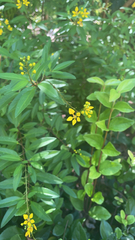
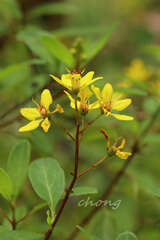
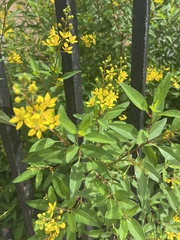
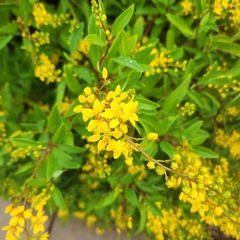
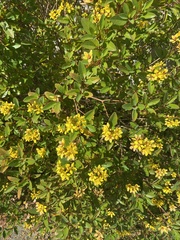
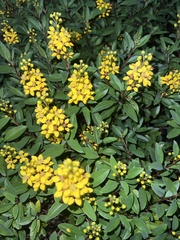
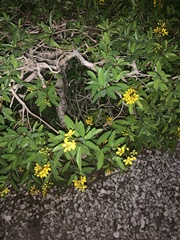
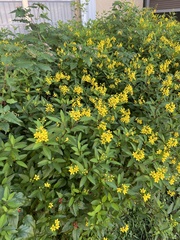
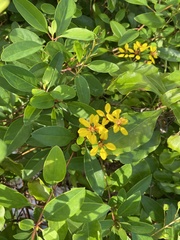
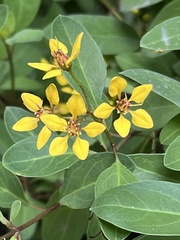
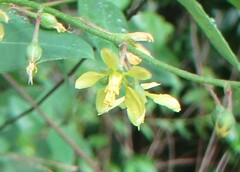
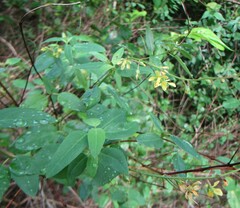
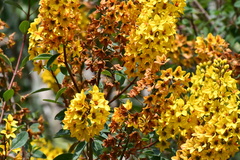
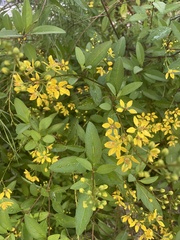
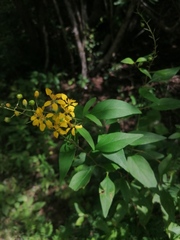
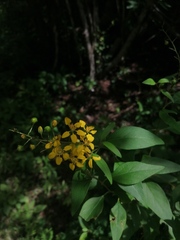
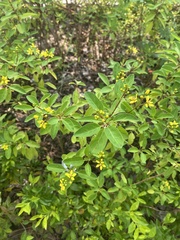
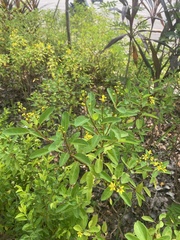
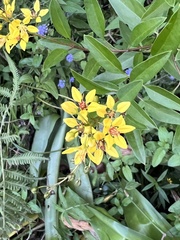
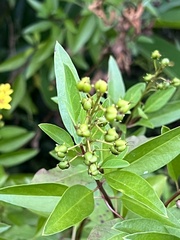
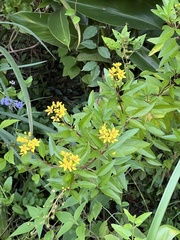
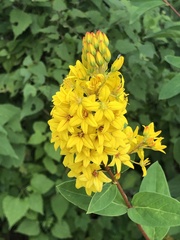
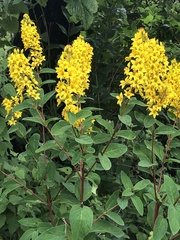
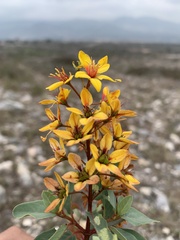
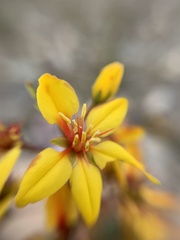
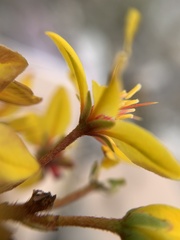
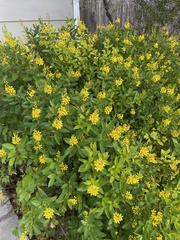
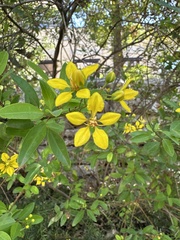
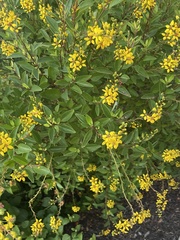
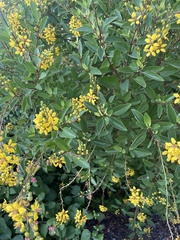
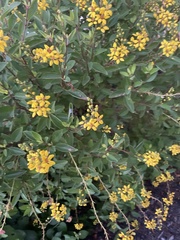
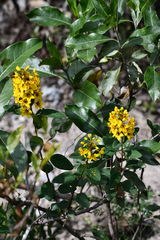
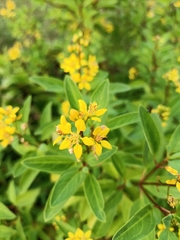
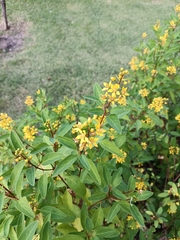
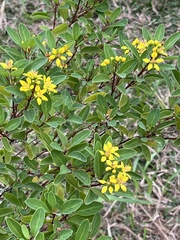
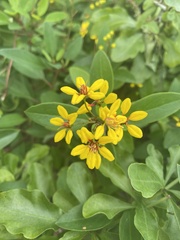
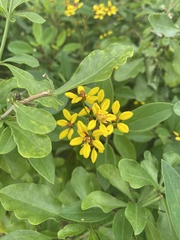
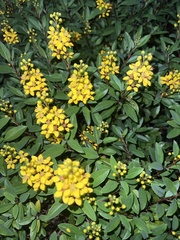
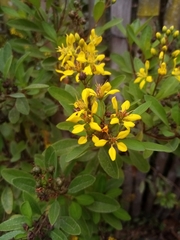
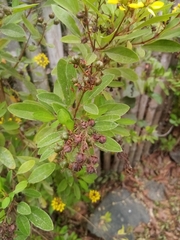
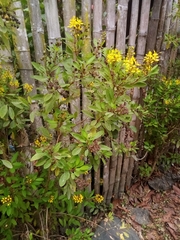
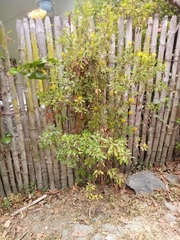
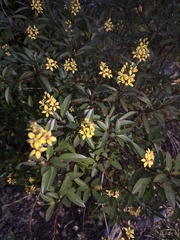
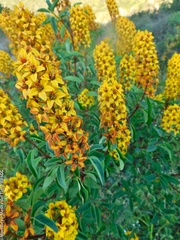
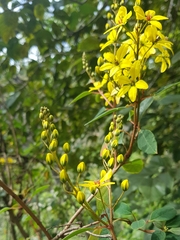
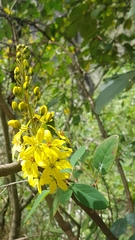
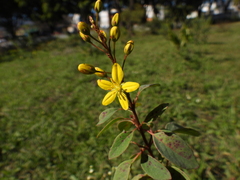
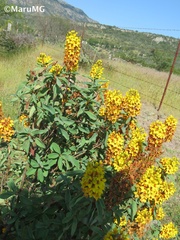
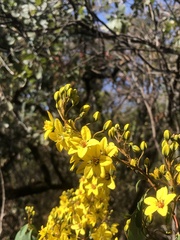
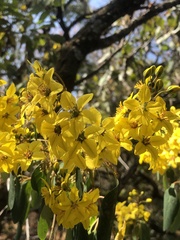
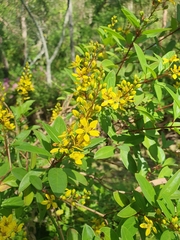
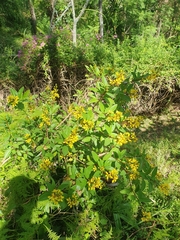
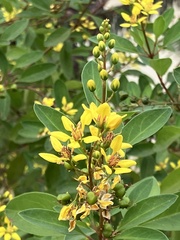
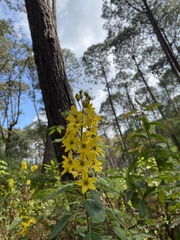
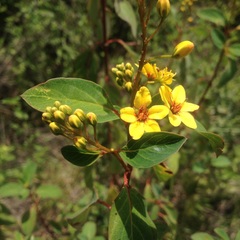
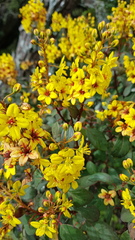
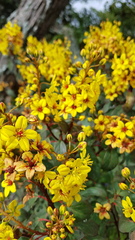
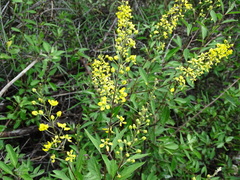
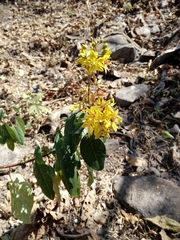
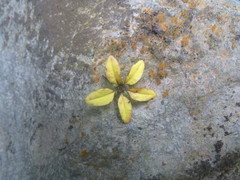
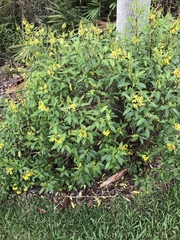
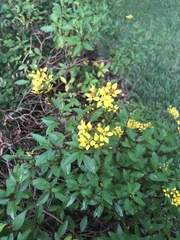
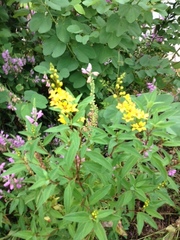
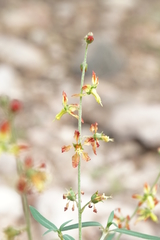
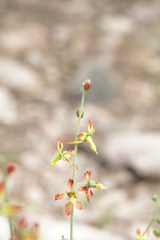
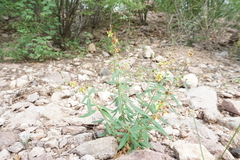
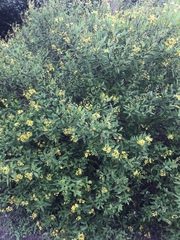
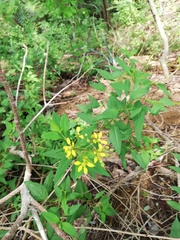
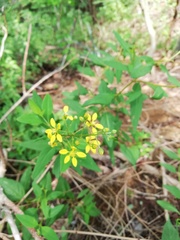
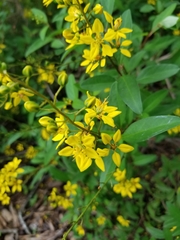
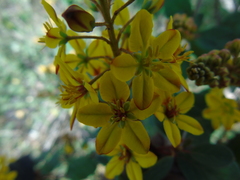
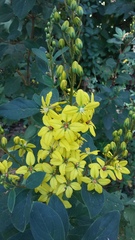
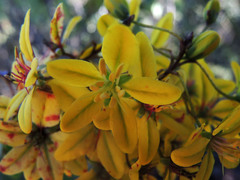
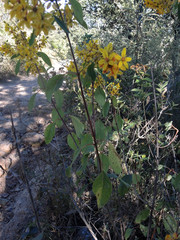
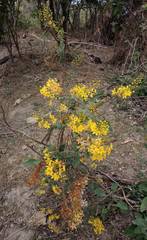
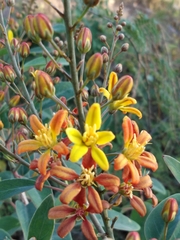
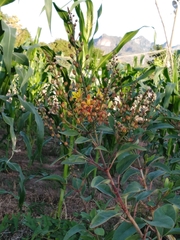
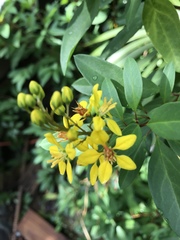
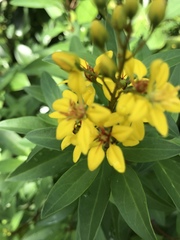
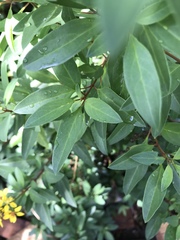
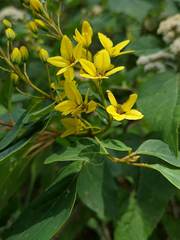
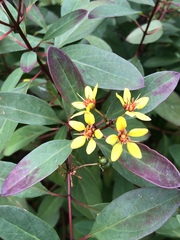
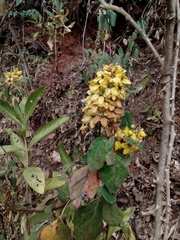
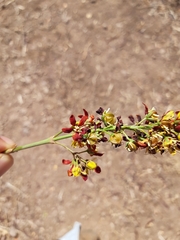
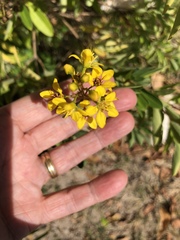
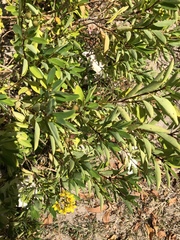
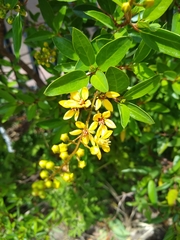
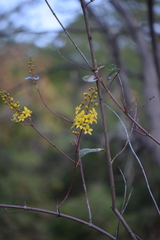
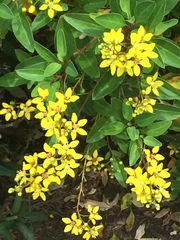
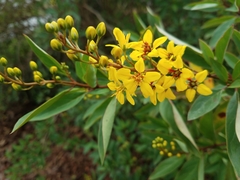
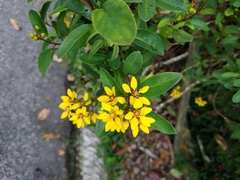
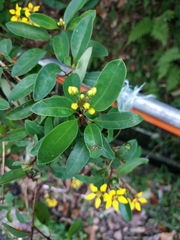
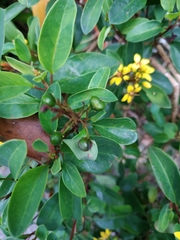
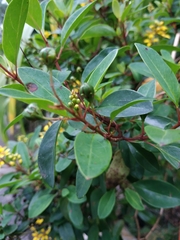
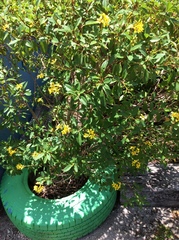
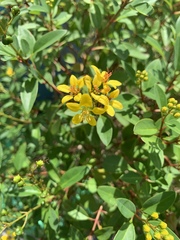
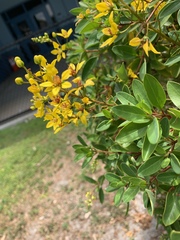
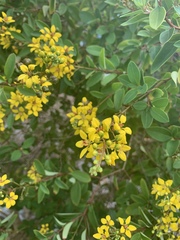
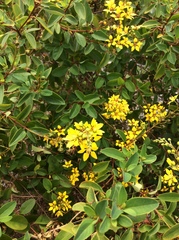
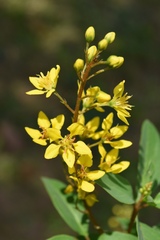
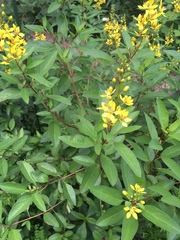
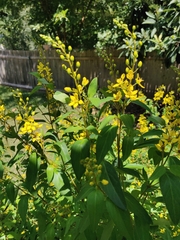
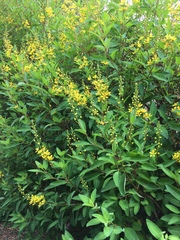
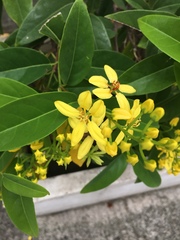
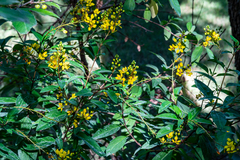
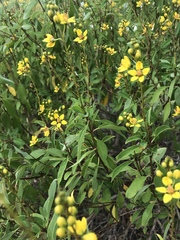
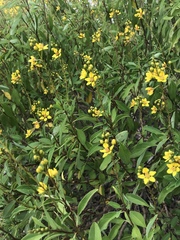
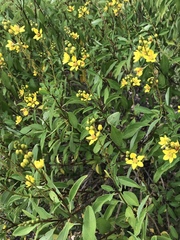
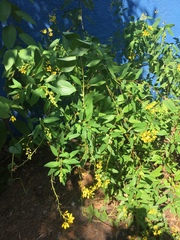
Galphimia is a genus in the Malpighiaceae, a family of about 75 genera of flowering plants in the order Malpighiales; the name is an anagram of Malpighia. Galphimia comprises 26 species of large herbs, shrubs, and treelets. Twenty-two species occur in Mexico, one (G. angustifolia) extending into Texas and one (G. speciosa) ranging to Nicaragua; four species (G. amambayensis, G. australis, G. brasiliensis, G. platyphylla) occur in South America, south of the Amazon Basin. Galphimia gracilis is widely cultivated in warm regions throughout the world (but often confused with G. glauca and also G. brasiliensis). Eight species (of Mexico and Central America) are distinctive in that the petals become stiff and papery, and persist past the stage of fruit maturation.
Galphimia is sometimes confused with Thryallis, a different genus of Malpighiaceae that occurs in Brazil and adjacent Paraguay and Bolivia. At one time, some species now assigned to Galphimia were referred to Thryallis, but the generic name Thryallis is now a conserved name according to the rules of the International Code of Botanical Nomenclature. The genus Thryallis is distinctive in the stellate hairs and scales found on the vegetative parts, and in that the limb of the petals is much wider than long, traits not found in Galphimia.
- Species
Galphimia in languages:
- Chinese
- 金英樹屬
- Russian
- Гальфимия
- Thai
- สกุล พวงทองต้น
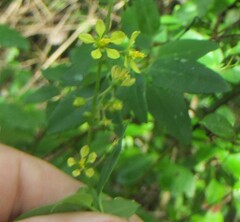
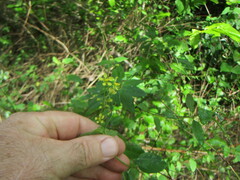
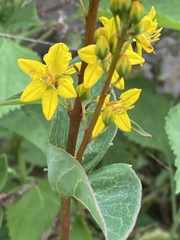
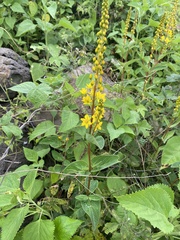
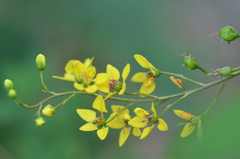
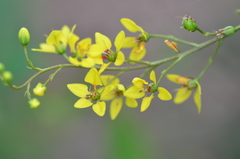
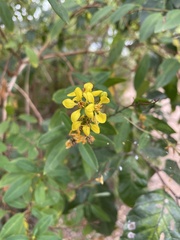
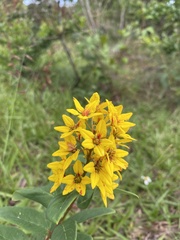
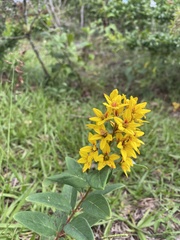
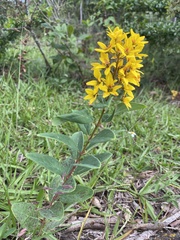
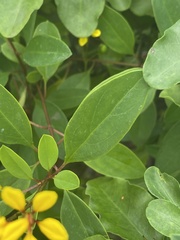
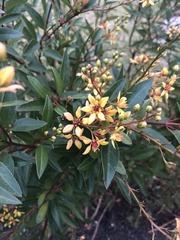
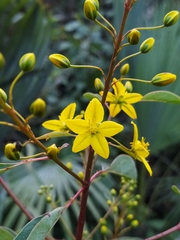
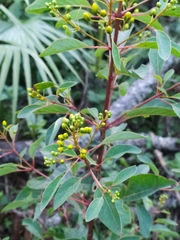
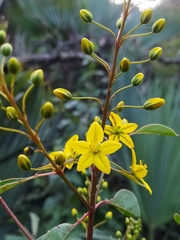
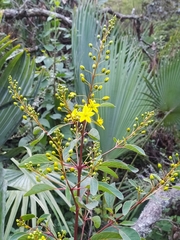
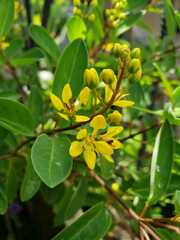
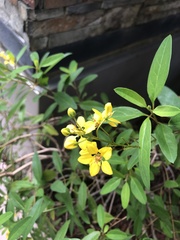
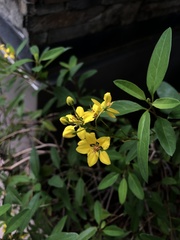
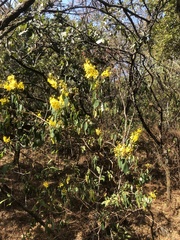
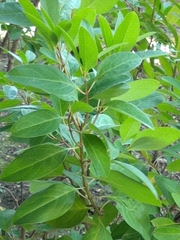
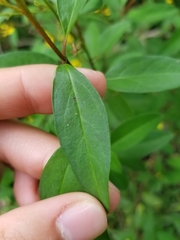
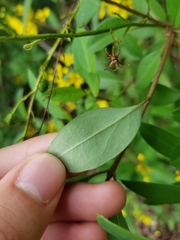
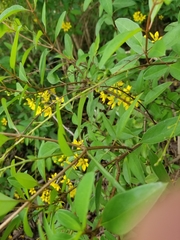
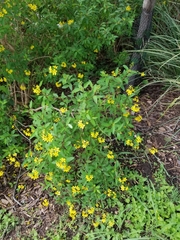
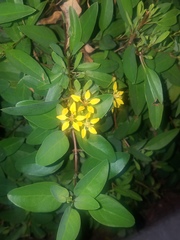
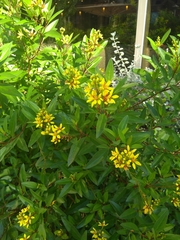
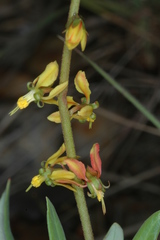
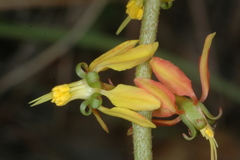
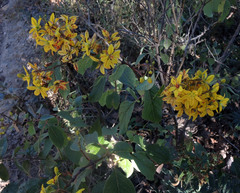
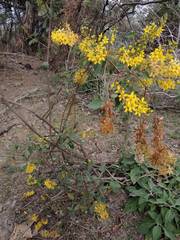
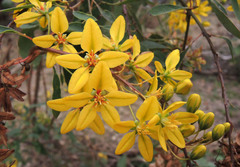
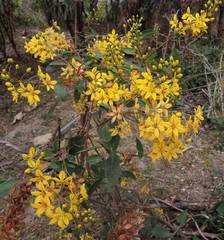
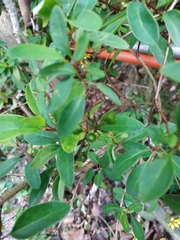
Images from inaturalist.org observations:
We recommend you sign up for this excellent, free service.
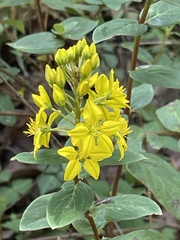
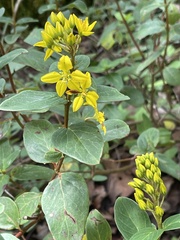
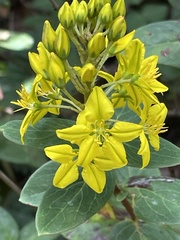
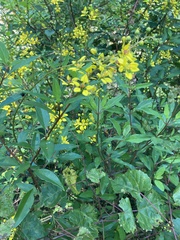
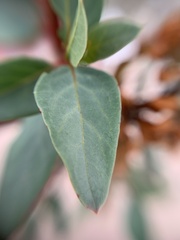
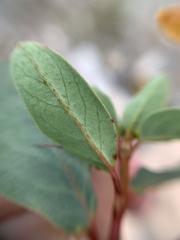
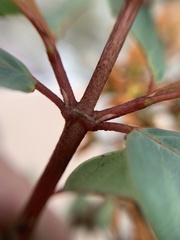
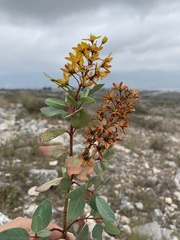
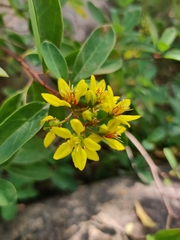
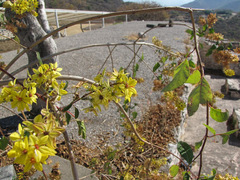
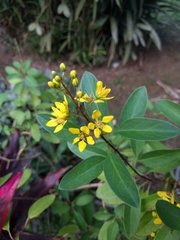
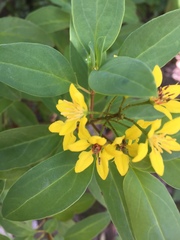
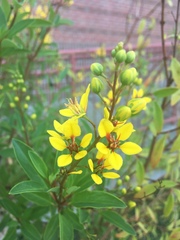
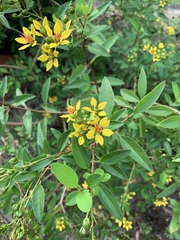
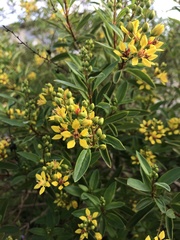
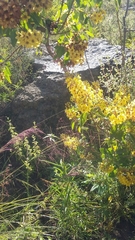
Parent Taxon
Sibling Taxa
- Acmanthera
- Acridocarpus
- Adelphia
- Aenigmatanthera
- Alicia
- Amorimia
- Aspicarpa
- Aspidopterys
- Banisteriopsis
- Barnebya
- Blepharandra
- Brachylophon
- Bronwenia
- Bunchosia
- Burdachia
- Byrsonima
- Calcicola
- Callaeum
- Calyptostylis
- Camarea
- Carolus
- Caucanthus
- Christianella
- Coleostachys
- Cordobia
- Cottsia
- Diacidia
- Dicella
- Digoniopterys
- Dinemagonum
- Dinemandra
- Diplopterys
- Echinopterys
- Ectopopterys
- Excentradenia
- Flabellaria
- Flabellariopsis
- Gallardoa
- Galphimia
- Gaudichaudia
- Glandonia
- Glicophyllum
- Heladena
- Henleophytum
- Heteropterys
- Hiptage
- Hiraea
- Janusia
- Jubelina
- Lasiocarpus
- Lophanthera
- Lophopterys
- Madagasikaria
- Malpighia
- Malpighiodes
- Mascagnia
- Mcvaughia
- Mezia
- Microsteira
- Mionandra
- Niedenzuella
- Peixotoa
- Peregrina
- Philgamia
- Psychopterys
- Pterandra
- Ptilochaeta
- Rhynchophora
- Ryssopterys
- Spachea
- Sphedamnocarpus
- Stigmaphyllon
- Tetrapterys
- Thryallis
- Triaspis
- Tricomaria
- Tristellateia
- Verrucularina
Child Taxa
- Galphimia angustifolia
- Galphimia arenicola
- Galphimia australis
- Galphimia brasiliensis
- Galphimia calliantha
- Galphimia elegans
- Galphimia floribunda
- Galphimia glandulosa
- Galphimia glauca
- Galphimia gracilis
- Galphimia grandiflora
- Galphimia hirsuta
- Galphimia langlassei
- Galphimia mexiae
- Galphimia mirandae
- Galphimia montana
- Galphimia multicaulis
- Galphimia oaxacana
- Galphimia paniculata
- Galphimia platyphylla
- Galphimia radialis
- Galphimia sessilifolia
- Galphimia speciosa
- Galphimia tuberculata
- Galphimia vestita
Top Observation Places
- Taichung
- Queenstown Estate
- Sarasota
- Bang Kruai
- Alief
- Sugar Land
- Taipei
- Neihu
- New Braunfels
- St. Petersburg
- Pinellas Park
- Kendall
- Coral Gables
- Flagami
- Hong Kong
- Kowloon
- Sha Tin
- Tseung Kwan O
- Kwai Chung
- McAllen
- Pharr
- Austin
- Round Rock
- Pflugerville
- San Antonio
- Fort Lauderdale
- Coral Springs
- Pompano Beach
- West Palm Beach
- Boca Raton
- Plantation
- Deerfield Beach
- Boynton Beach
- Lauderhill
- Delray Beach
- Tamarac
- Coconut Creek
- Margate