Glomeromycota: taxon details and analytics
- Domain
- Kingdom
- Fungi
- Phylum
- Glomeromycota
- Class
- Order
- Family
- Genus
- Species
- Scientific Name
- Glomeromycota
Summary description from Wikipedia:
Glomeromycota
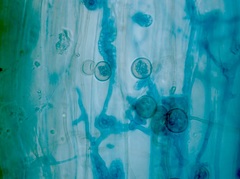
Glomeromycota (often referred to as glomeromycetes, as they include only one class, Glomeromycetes) are one of eight currently recognized divisions within the kingdom Fungi, with approximately 230 described species. Members of the Glomeromycota form arbuscular mycorrhizas (AMs) with the thalli of bryophytes and the roots of vascular land plants. Not all species have been shown to form AMs, and one, Geosiphon pyriformis, is known not to do so. Instead, it forms an endocytobiotic association with Nostoc cyanobacteria. The majority of evidence shows that the Glomeromycota are dependent on land plants (Nostoc in the case of Geosiphon) for carbon and energy, but there is recent circumstantial evidence that some species may be able to lead an independent existence. The arbuscular mycorrhizal species are terrestrial and widely distributed in soils worldwide where they form symbioses with the roots of the majority of plant species (>80%). They can also be found in wetlands, including salt-marshes, and associated with epiphytic plants.
According to multigene phylogenetic analyses, this taxon is located as a member of the phylum Mucoromycota. Currently, the phylum name Glomeromycota is invalid, and the subphylum Glomeromycotina should be used to describe this taxon.
...Glomeromycota in languages:
- Chinese
- 球囊菌門
- English
- Glomeromycetes
- English
- arbuscular mycorrhizal fungi and allies
- Korean
- 취균문
- Swedish
- arbuskulära mykorrhizasvampar
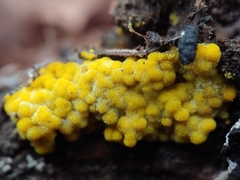
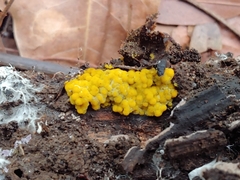
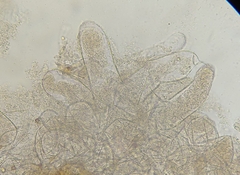
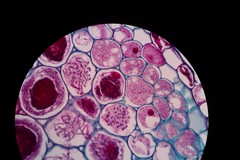
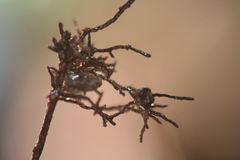
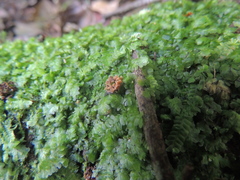
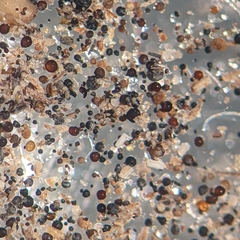
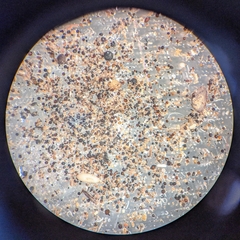
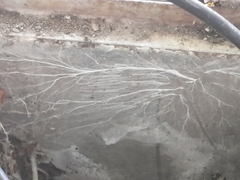
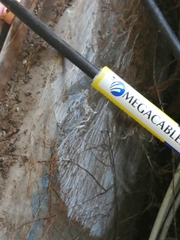
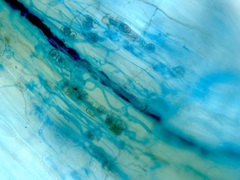
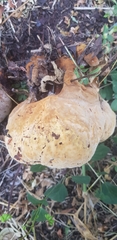
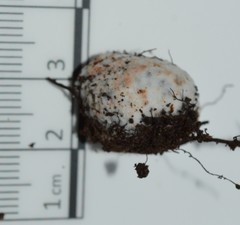
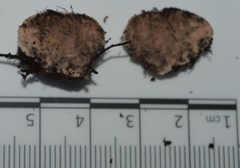
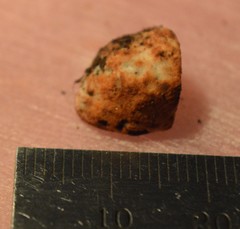
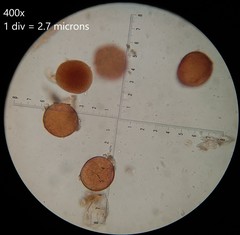
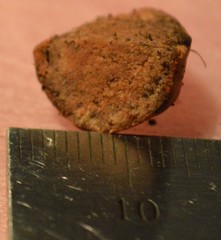
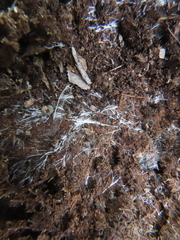
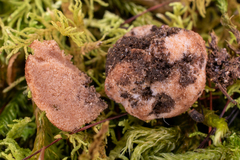
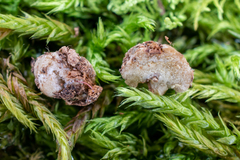
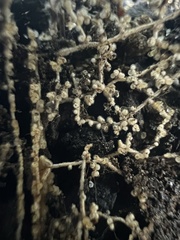
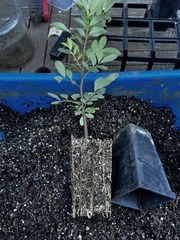
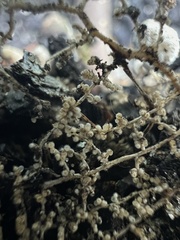
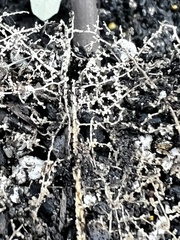
Images from inaturalist.org observations:
We recommend you sign up for this excellent, free service.

Parent Taxon
Sibling Taxa
- Aphelida
- Aphelidiomycota
- Ascomycota
- Basidiobolomycota
- Basidiomycota
- Blastocladiomycota
- Calcarisporiellomycota
- Caulochytriomycota
- Chytridiomycota
- Entomophthoromycota
- Entorrhizomycota
- Glomeromycota
- Kickxellomycota
- Monoblepharomycota
- Mortierellomycota
- Mucoromycota
- Neocallimastigomycota
- Olpidiomycota
- Prototaxites
- Rozellomycota
- Zoopagomycota
- Zygomycota