Ascomycota: taxon details and analytics
- Domain
- Kingdom
- Fungi
- Phylum
- Ascomycota
- Class
- Order
- Family
- Genus
- Species
- Scientific Name
- Ascomycota
Summary description from Wikipedia:
Ascomycota
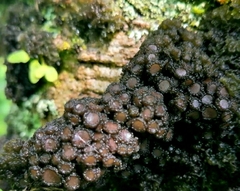
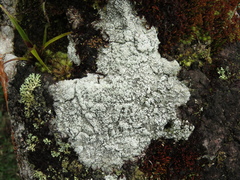
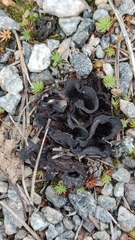
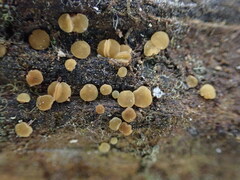
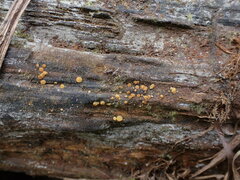
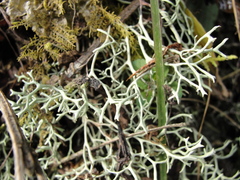
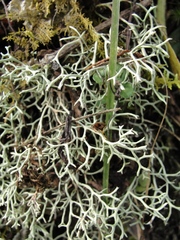
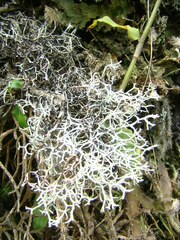
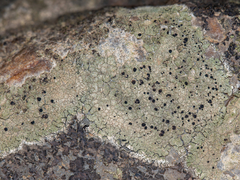
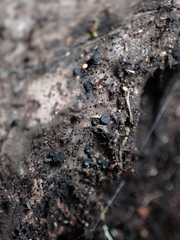
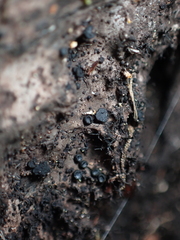
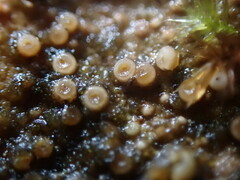
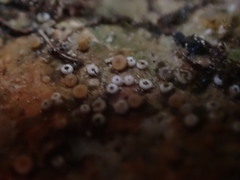
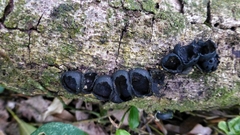
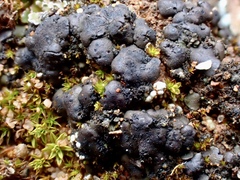
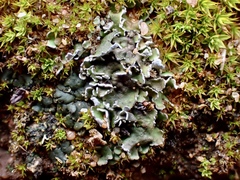
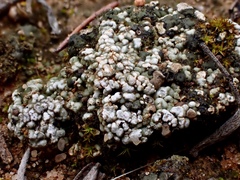
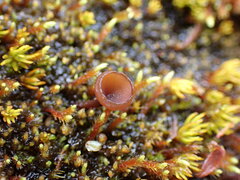
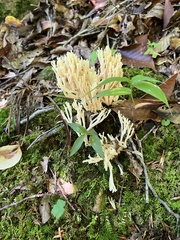
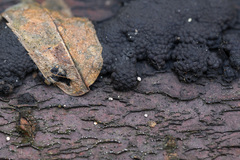
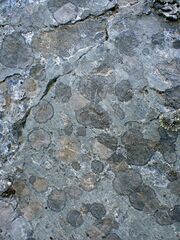
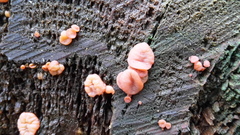
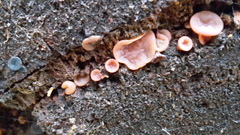
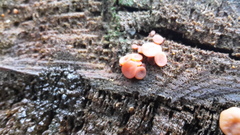
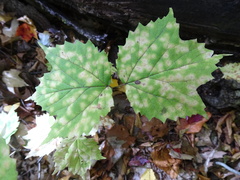
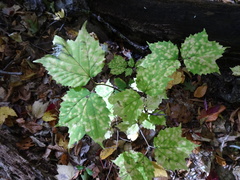
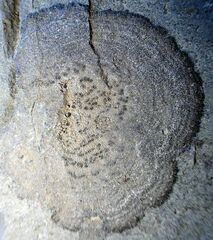
The Ascomycota are a phylum in the kingdom Fungi that, together with the Basidiomycota, form the subkingdom Dikarya. Members of Ascomycota are commonly known as the sac fungi or ascomycetes. It is the largest phylum of Fungi, with over 64,000 species. The defining feature of this fungal group is the ascus (from Ancient Greek ἀσκός (askós) 'sac, wineskin'), a microscopic sexual structure in which nonmotile spores, called ascospores, are formed. However, some species of Ascomycota are asexual and thus do not form asci or ascospores. Familiar examples of sac fungi include morels, truffles, brewers' and bakers' yeast, dead man's fingers, and cup fungi. The fungal symbionts in the majority of lichens (loosely termed "ascolichens") such as Cladonia belong to the Ascomycota.
Ascomycota are a monophyletic group (containing all of the descendants of a common ancestor). Previously placed in the Basidiomycota along with asexual species from other fungal taxa, asexual (or anamorphic) ascomycetes are now identified and classified based on morphological or physiological similarities to ascus-bearing taxa, and by phylogenetic analyses of DNA sequences.
Ascomycetes are of particular use to humans as sources of medicinally important compounds such as antibiotics, as well as for fermenting bread, alcoholic beverages, and cheese. Examples of ascomycetes include Penicillium species on cheeses and those producing antibiotics for treating bacterial infectious diseases.
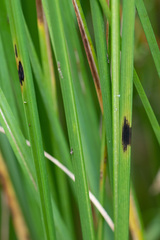
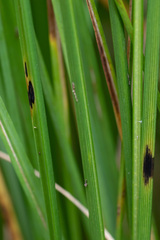
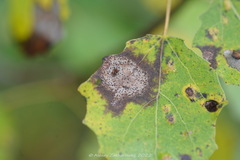
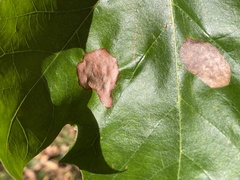
Many ascomycetes are pathogens, both of animals, including humans, and of plants. Examples of ascomycetes that can cause infections in humans include Candida albicans, Aspergillus niger and several tens of species that cause skin infections. The many plant-pathogenic ascomycetes include apple scab, rice blast, the ergot fungi, black knot, and the powdery mildews. The members of the genus Cordyceps are entomopathogenic fungi, meaning that they parasitise and kill insects. Other entomopathogenic ascomycetes have been used successfully in biological pest control, such as Beauveria.
Several species of ascomycetes are biological model organisms in laboratory research. Most famously, Neurospora crassa, several species of yeasts, and Aspergillus species are used in many genetics and cell biology studies.
...Ascomycota in languages:
- Bokmål
- sekksporesopper
- Catalan
- Ascomicots
- Chinese
- 子囊菌門
- Czech
- houby vřeckovýtrusé
- Danish
- Sæksvampe
- English
- sac fungi
- English
- Ascomycetes
- English
- Ascomycete Fungi
- Estonian
- kottseened
- Finnish
- kotelosienet
- French
- ascomycètes
- German
- Schlauchpilze
- Hungarian
- tömlősgombák
- Italian
- Ascomiceti
- Japanese
- 子嚢菌門
- Korean
- 자낭균문
- Lithuanian
- Aukšliagrybūnai
- Modern Greek
- Ασκομύκητες
- Polish
- Workowce
- Portuguese
- Ascomicetos
- Russian
- Аскомицеты
- Russian
- Аскомикота
- Swedish
- sporsäcksvampar
- Thai
- ราถุง
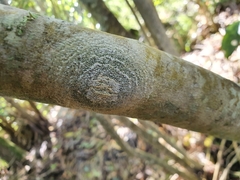
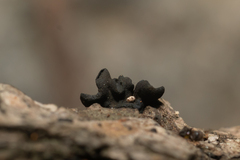
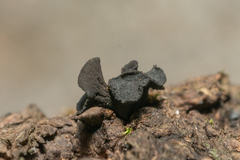
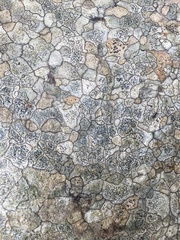
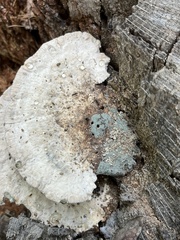
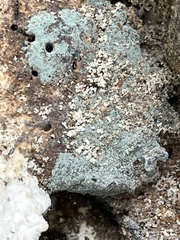
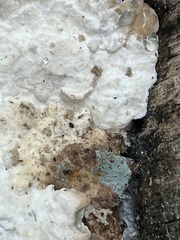
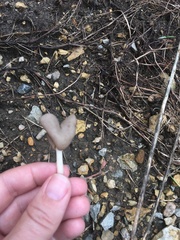
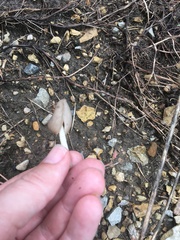
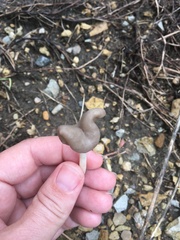
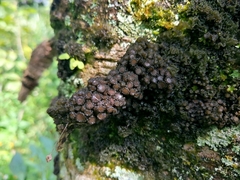
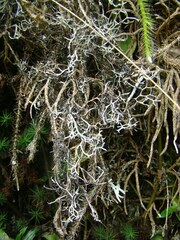
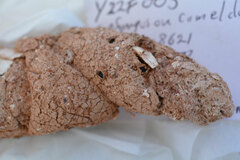
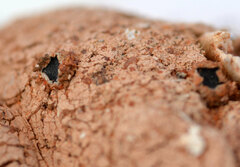
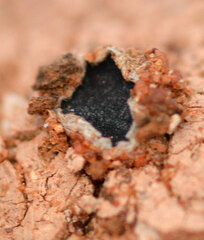
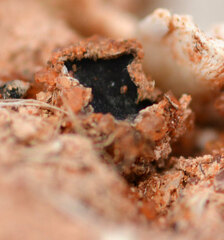
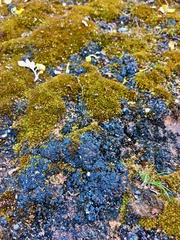
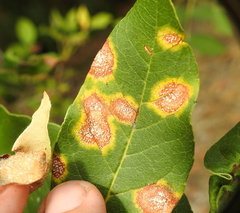
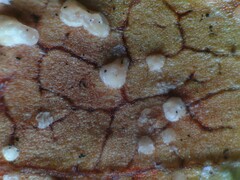
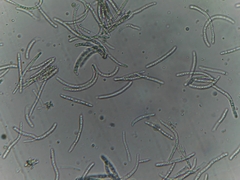
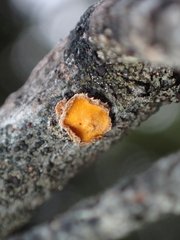
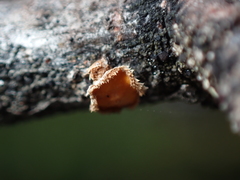
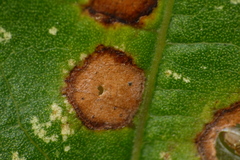
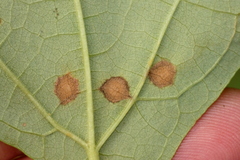
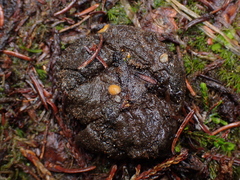
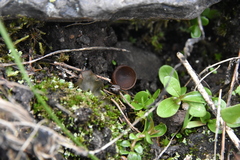
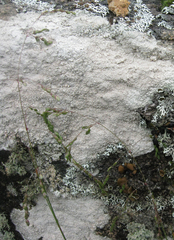
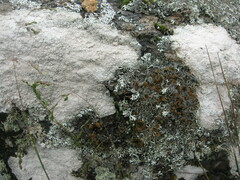
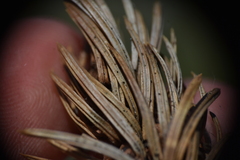
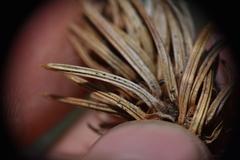
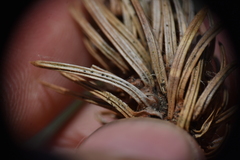
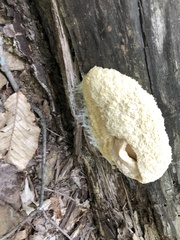
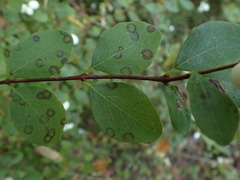
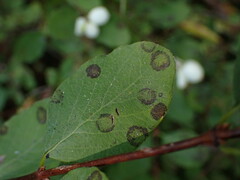
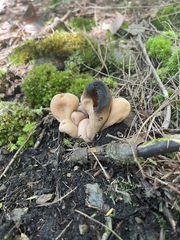
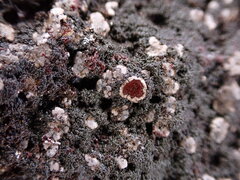
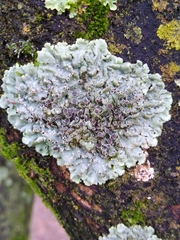
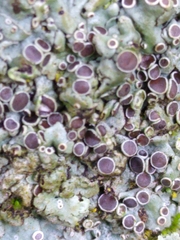
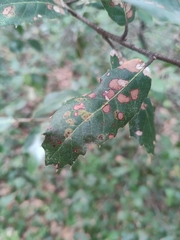
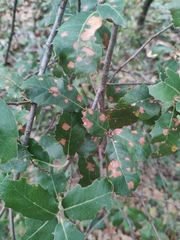
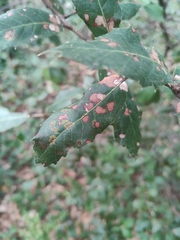
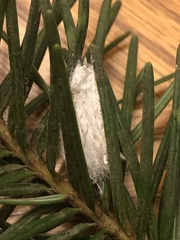
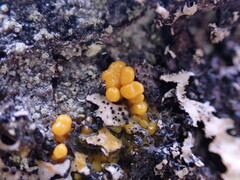
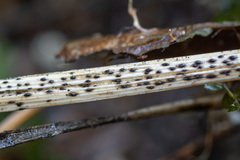
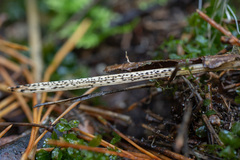
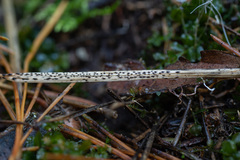
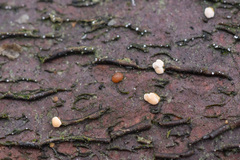
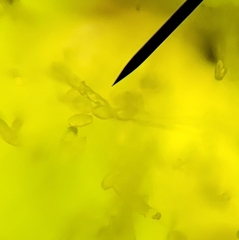
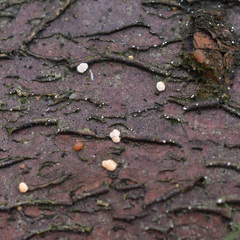
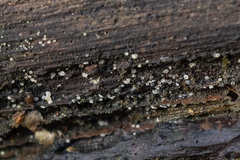
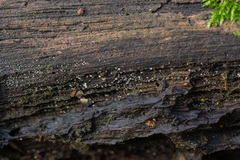
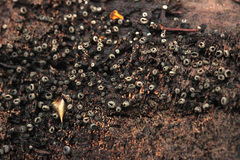
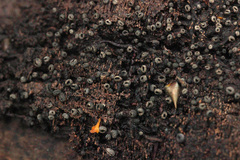
Images from inaturalist.org observations:
We recommend you sign up for this excellent, free service.
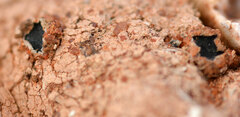
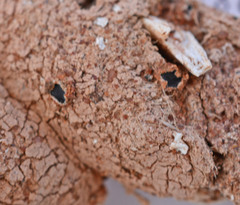
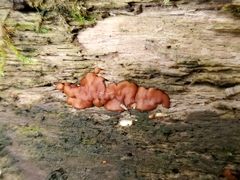
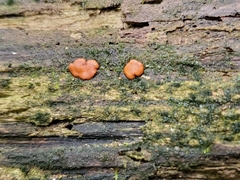
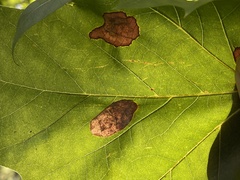
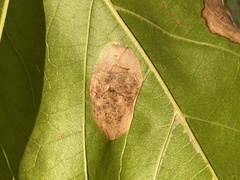
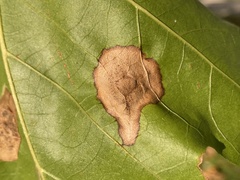
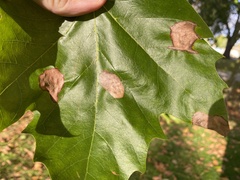
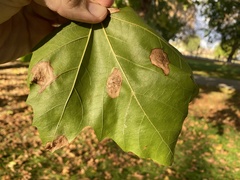
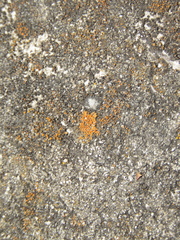
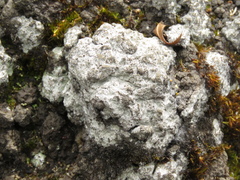
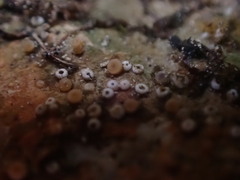
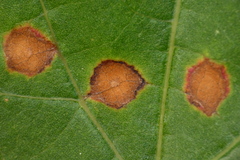
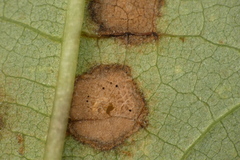
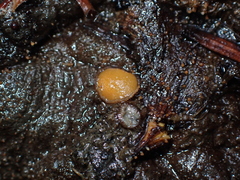
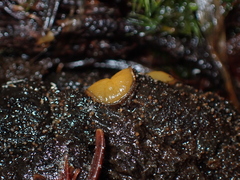
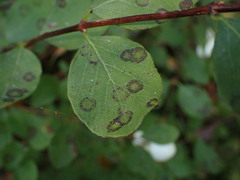
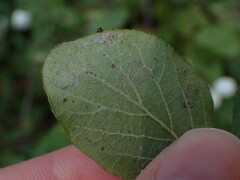
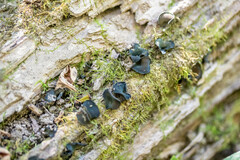
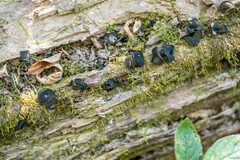
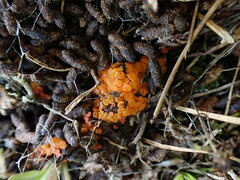
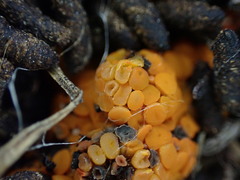
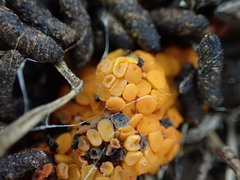
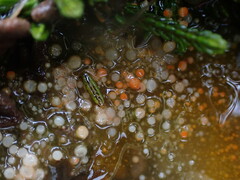
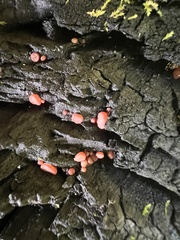
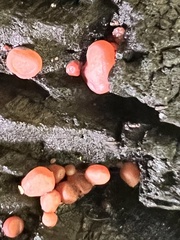
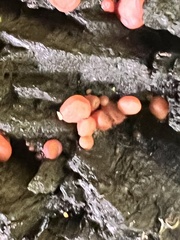
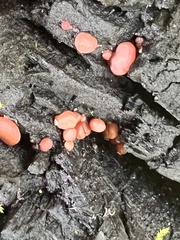
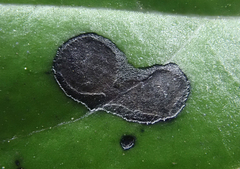
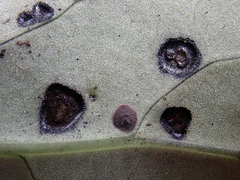
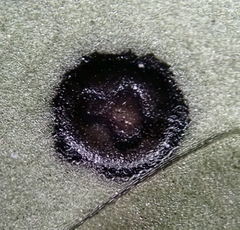
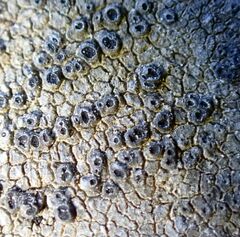
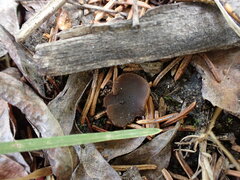
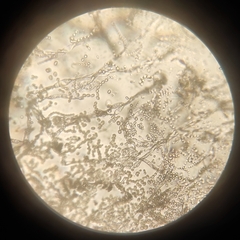
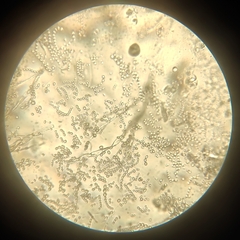
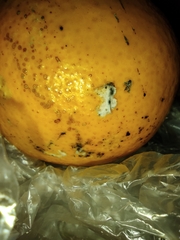
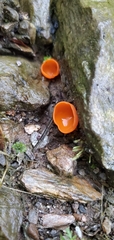
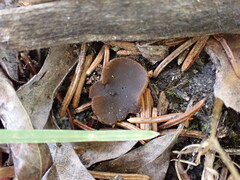
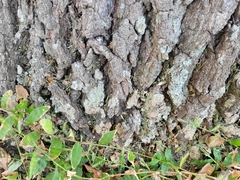
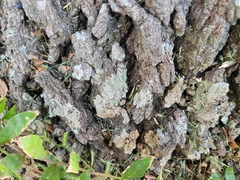
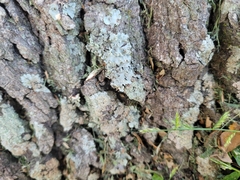
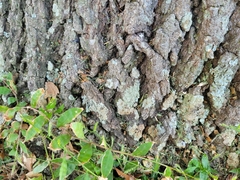
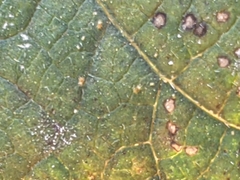
Parent Taxon
Sibling Taxa
- Aphelida
- Aphelidiomycota
- Ascomycota
- Basidiobolomycota
- Basidiomycota
- Blastocladiomycota
- Calcarisporiellomycota
- Caulochytriomycota
- Chytridiomycota
- Entomophthoromycota
- Entorrhizomycota
- Glomeromycota
- Kickxellomycota
- Monoblepharomycota
- Mortierellomycota
- Mucoromycota
- Neocallimastigomycota
- Olpidiomycota
- Prototaxites
- Rozellomycota
- Zoopagomycota
- Zygomycota
Child Taxa
- Actinocladium
- Acumispora
- Alysidiopsis
- Amblyosporium
- Ameroconium
- Anaselenosporella
- Anaseptoidium
- Angulospora
- Anthina
- Arachnophora
- Arborillus
- Ardhachandra
- Aristastoma
- Arthrobotryella
- Arthrobotryum
- Arthrosporium
- Arthrowallemia
- Articularia
- Ascochytulina
- Asteromyces
- Bactrodesmiella
- Basramyces
- Belemnospora
- Beniowskia
- Biflua
- Brachydesmiella
- Briansuttonia
- Camarographium
- Candelabrum
- Carrismyces
- Ceratocladium
- Ceratophorum
- Ceratosporella
- Chaetendophragmia
- Chaetopsis
- Chaetoseptoria
- Chalarodes
- Cheilaria
- Chromosporium
- Chuppia
- Ciliophora
- Cladoniicola
- Clypeopycnis
- Colletosporium
- Coniambigua
- Coniomela
- Coniothecium
- Coniothyrina
- Coremiella
- Cornucopiella
- Cornutispora
- Corynesporopsis
- Cryptophialoidea
- Cryptosporium
- Culicidospora
- Cumulospora
- Cylindrophora
- Cytonaema
- Cytosporella
- Cytosporina
- Davisiella
- Dearnessia
- Delortia
- Delphinella
- Dendrographium
- Dendrospora
- Dendrosporium
- Dendryphiosphaera
- Denticularia
- Diaphanium
- Dichotomophthora
- Dichotomophthoropsis
- Dicoccum
- Didymochaeta
- Diplocladiella
- Diplodiella
- Diplosporonema
- Discogloeum
- Discosporium
- Drepanospora
- Dwayabeeja
- Ectostroma
- Elotespora
- Enthallopycnidium
- Epaphroconidia
- Everhartia
- Everniicola
- Fairmaniella
- Flabellospora
- Flosculomyces
- Fumago
- Fusella
- Fusichalara
- Fusidium
- Fusoma
- Geohypha
- Gloeodes
- Gloiosphaera
- Gonatobotryum
- Goniopila
- Grallomyces
- Guedea
- Gyrophthorus
- Gyrothrix
- Hadrosporium
- Hansfordia
- Haplobasidion
- Harpographium
- Hawksworthiana
- Helicoceras
- Helicorhoidion
- Helicostilbe
- Henicospora
- Hormiactella
- Hormiactis
- Hyalosynnema
- Hyalothyridium
- Hyalotrochophora
- Hymenella
- Hymenopsis
- Hymenula
- Hypha
- Hyphodiscosia
- Hypodermium
- Janetia
- Kalchbrenneriella
- Karsteniomyces
- Ketubakia
- Lacellina
- Lateriramulosa
- Lawalreea
- Leightoniomyces
- Leptothyrina
- Leptothyrium
- Lichenohendersonia
- Lichenopuccinia
- Linkosia
- Linodochium
- Lylea
- Magdalaenaea
- Mauginiella
- Melanocephala
- Metadiplodia
- Minutoexcipula
- Miricatena
- Mixtoconidium
- Monodidymaria
- Monosporium
- Monotospora
- Moorella
- Morrisographium
- Mycoenterolobium
- Myriellina
- Mystrosporium
- Myxosporium
- Naemosphaera
- Naemospora
- Nematogonum
- Nematographium
- Neophoma
- Neottiospora
- Neta
- Nigropuncta
- Olpitrichum
- Oncopodium
- Orphanocoela
- Paliphora
- Parabeltrania
- Paradiscula
- Patriciomyces
- Penzigomyces
- Perelegamyces
- Periola
- Pestalozziella
- Pezizomycotina
- Phaeocandelabrum
- Phaeostalagmus
- Phaeotrichoconis
- Phragmospathula
- Physalidiella
- Piggotia
- Piricaudilium
- Pirostoma
- Plenozythia
- Pleurodomus
- Pleurotheciopsis
- Pleurothyrium
- Pleurovularia
- Polycladium
- Pseudoacrodictys
- Pseudocenangium
- Pseudoclathrosphaerina
- Pseudodiplodia
- Pseudohansfordia
- Pseudopetrakia
- Pseudostilbella
- Pseudostracoderma
- Pseudotorula
- Refractohilum
- Rhexoacrodictys
- Rhinotrichella
- Rhinotrichum
- Roscoepoundia
- Saccharomycotina
- Sadasivania
- Schroeteria
- Septocyta
- Septogloeum
- Septopatella
- Septosporium
- Septotrullula
- Solicorynespora
- Solosympodiella
- Spermospora
- Spermosporella
- Sphaeronaema
- Spiropes
- Spondylocladiopsis
- Stegilla
- Stenocephalopsis
- Stigmatea
- Subulispora
- Synnematomyces
- Taeniolina
- Talpapellis
- Taphrinomycotina
- Teratosperma
- Tetracoccosporium
- Tetranacrium
- Tompetchia
- Tretospeira
- Tricellula
- Trichoconis
- Tridentaria
- Triramulispora
- Triscelophorus
- Trisulcosporium
- Ulocoryphus
- Vanakripa
- Veramycella
- Virgariella
- Vouauxiella
- Weissia
- Weufia
- Xylohypha
- Zebrospora
- Zelandiocoela
Top Observation Places
- Canberra
- Québec
- Norman
- Geelong
- Torrance
- West Hollywood
- Admiralteisky
- Krefeld
- Tuxtla
- Meidling
- Melbourne City Centre
- Brussels
- Jette
- Notre-Dame-de-Grâce
- Newark
- East Orange
- Irvington
- Tel Aviv
- Orland Park
- New Plymouth
- Burnaby
- Orem
- Dartmouth
- St. Petersburg
- Largo
- Pinellas Park
- Quilpué
- Irondequoit
- Huntsville
- Coconut Creek
- Adelaide Hills
- Corroios
- Staten Island
- Richmond
- São Bernardo do Campo
- Nanaimo
- Palm Desert
- Yucaipa
- Vilnius
- Boulder
- Kendall
- Fountainebleau
- Coral Gables
- Flagami
- Pittsburgh
- Vancouver
- Richmond
- Chicago
- West Town
- Near North Side