Helotiales: taxon details and analytics
- Domain
- Kingdom
- Fungi
- Phylum
- Ascomycota
- Class
- Leotiomycetes
- Order
- Helotiales
- Family
- Genus
- Species
- Scientific Name
- Helotiales
Summary description from Wikipedia:
Helotiales
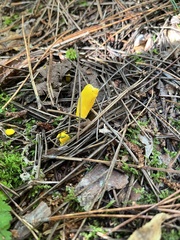
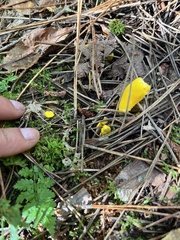
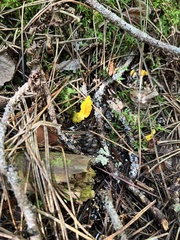
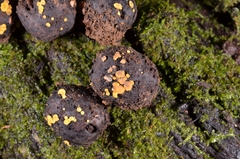
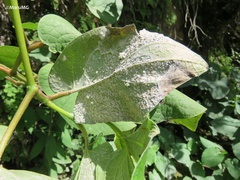
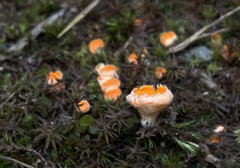
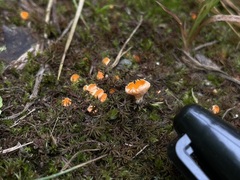
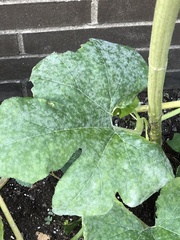
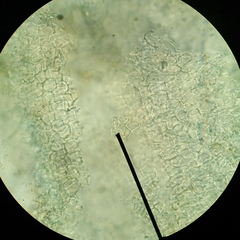
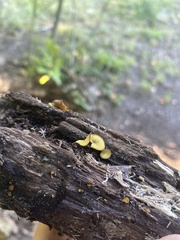
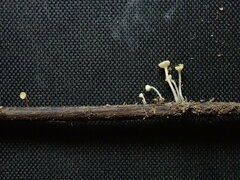
Helotiales is an order of the class Leotiomycetes within the division Ascomycota. The taxonomy within Helotiales has been debated. It has expanded significantly as genomic techniques for taxonomical identification have become more commonly used. As of February 2020, the order is estimated to contain 30 accepted families, 519 genera, and 6266 species.
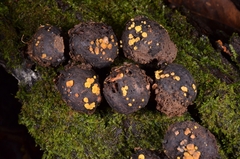
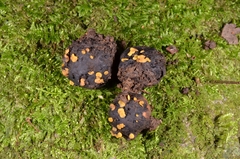
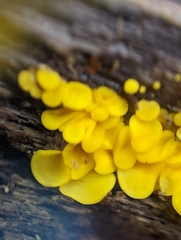
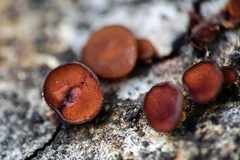
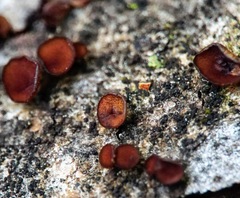
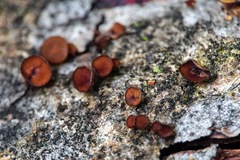
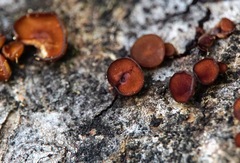
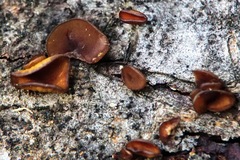
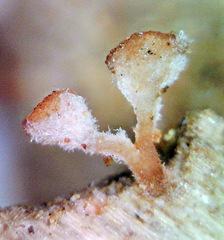
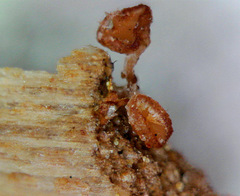
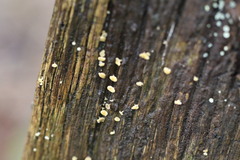
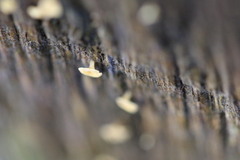
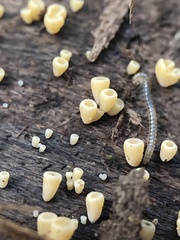
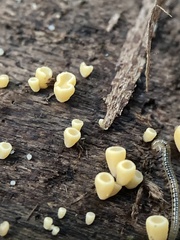
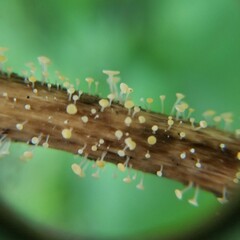
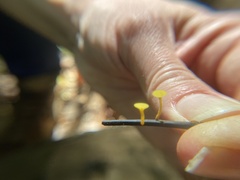
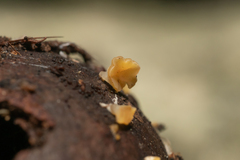
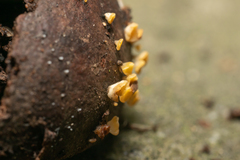
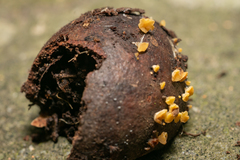
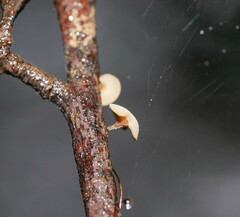
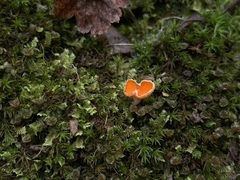
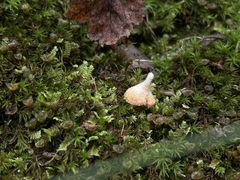
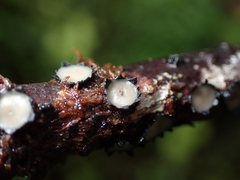
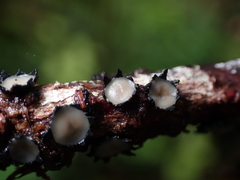
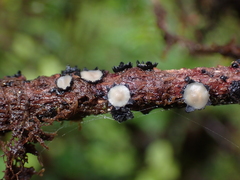
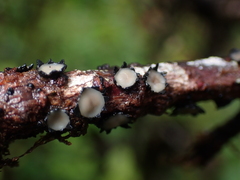
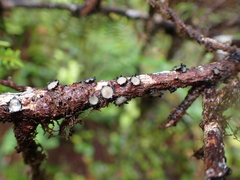
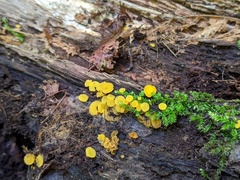
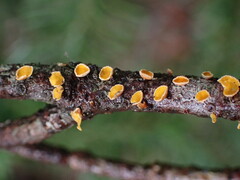
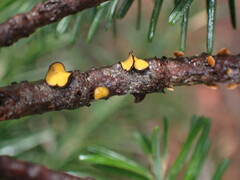
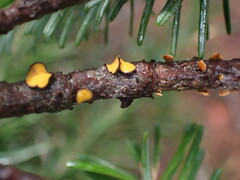
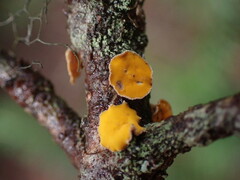
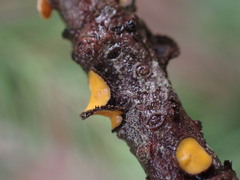
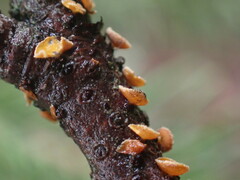
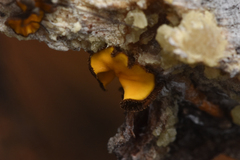
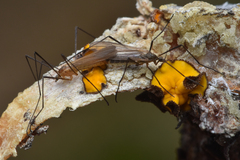
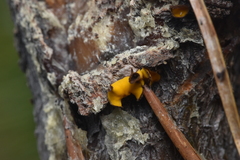
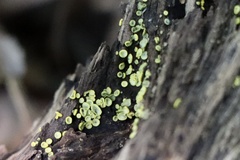
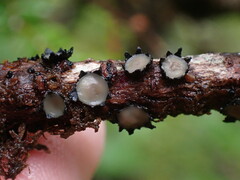
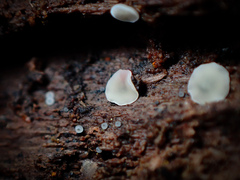
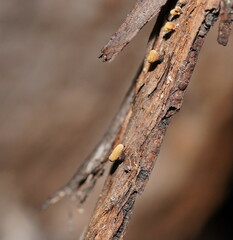
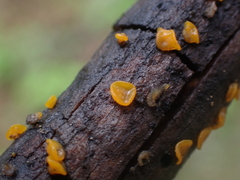
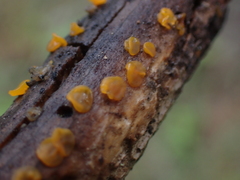
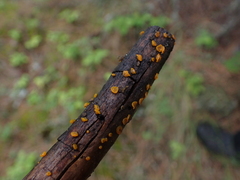
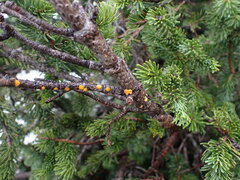
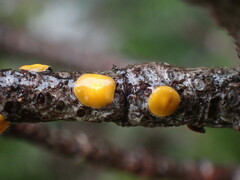
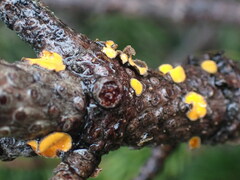
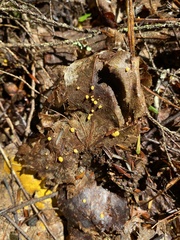
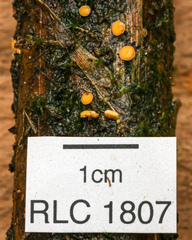
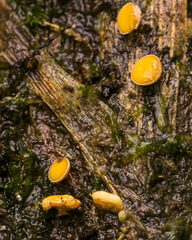
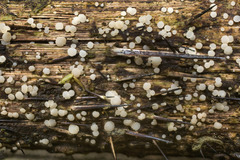
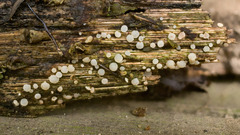
Helotiales is the largest order of non-stromatic discomycetes that usually, but not always, have brightly coloured apothecia. Many members of the family have obviously cup-shaped ascomata with little or no stipes. They are usually found fruiting on coarse or large wood debris as well as on other organic matter. Part of these discomycetes are limited to a specific host range, this goes as far as to not just being limited to one particular plant, additionally some species need a particular part of that plant.
...Helotiales in languages:
- Bokmål
- småbegerordenen
- Chinese
- 柔膜菌目
- Chinese
- 白粉菌目
- Czech
- voskovičkotvaré
- Danish
- Stilkskiveordenen
- Estonian
- jahukasteliselaadsed
- Japanese
- ビョウタケ目
- Korean
- 고무버섯목
- Korean
- 흰가루병균목
- Lithuanian
- Helotiečiai
- Polish
- Tocznikowce
- Russian
- Гелоциевые
- Swedish
- disksvampar
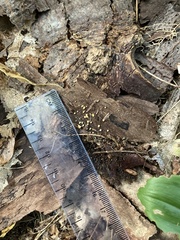
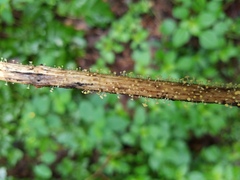
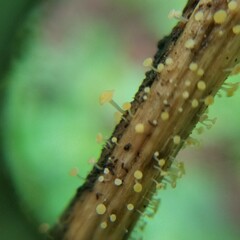
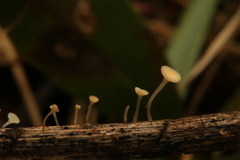
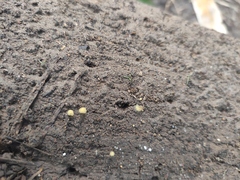
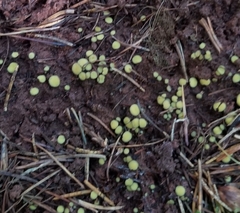
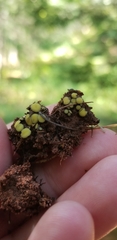
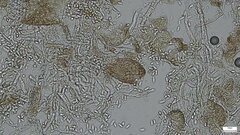
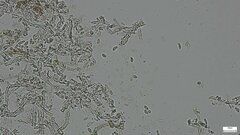
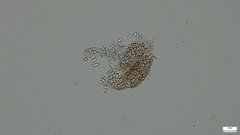
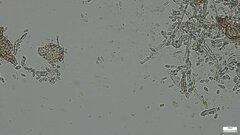
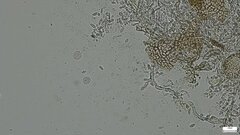
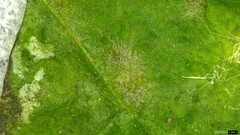
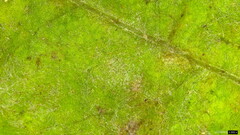
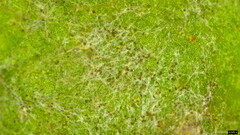
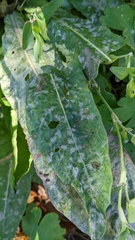
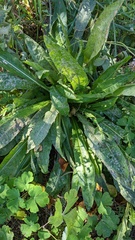
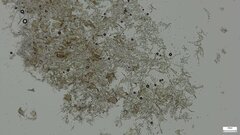
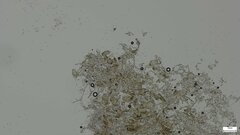
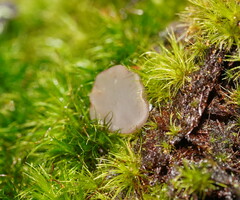
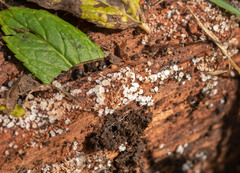
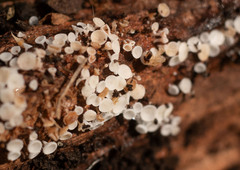
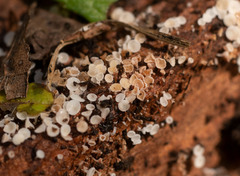
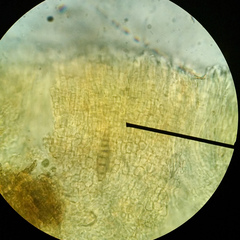
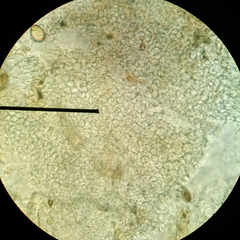
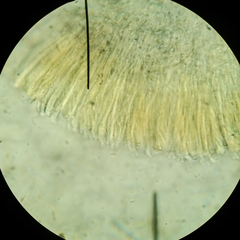
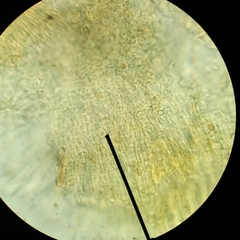
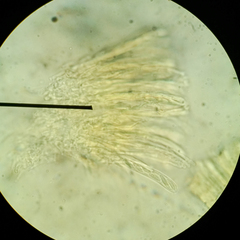
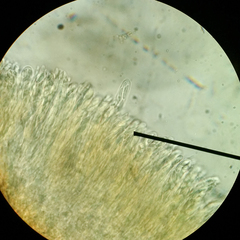
Images from inaturalist.org observations:
We recommend you sign up for this excellent, free service.
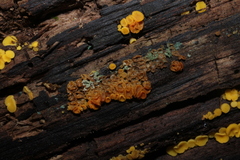
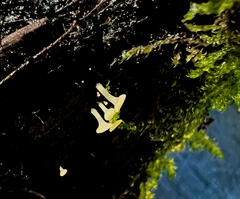
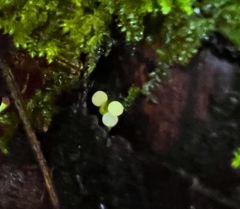
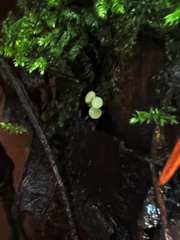
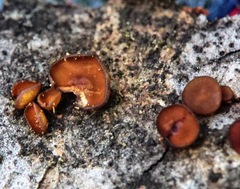
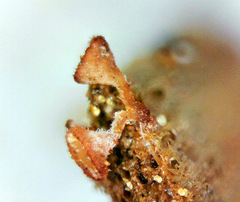
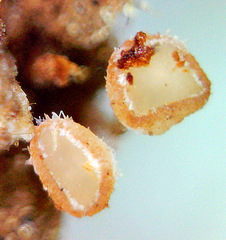
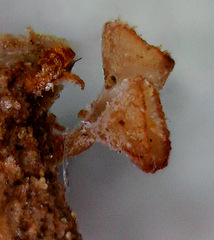
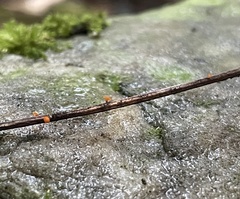
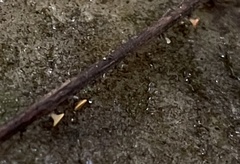
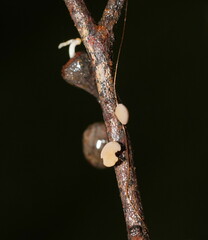
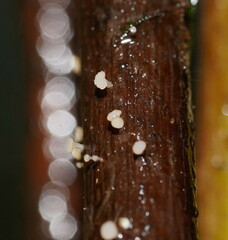
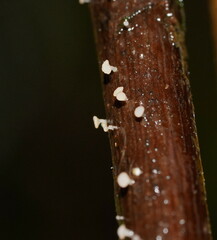
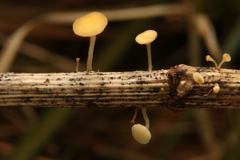
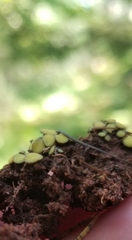
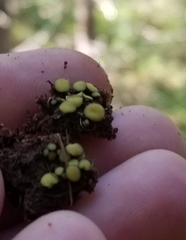
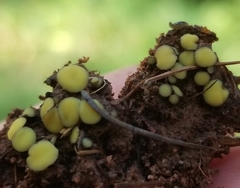
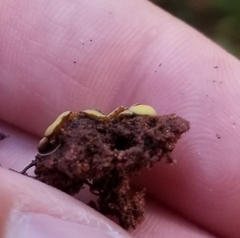
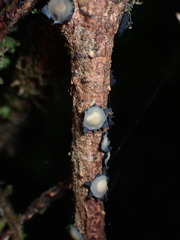
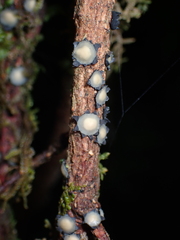
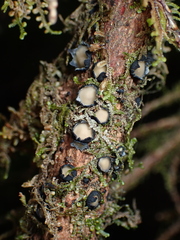
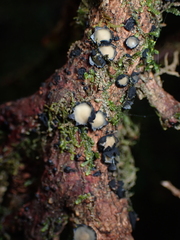
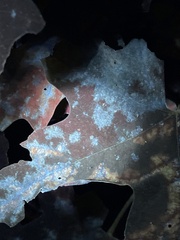
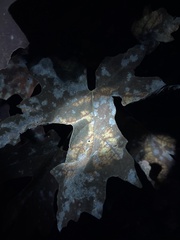
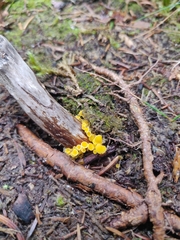
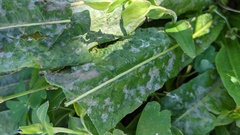
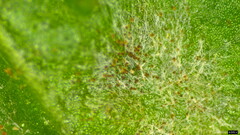
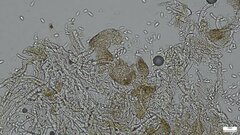
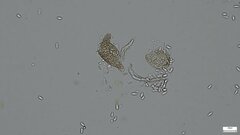
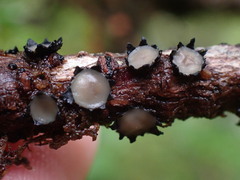
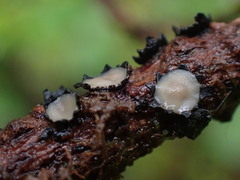
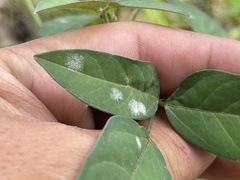
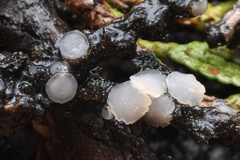
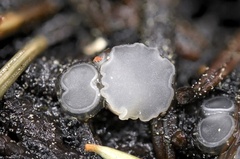
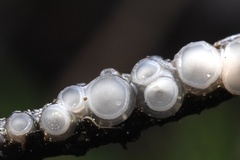
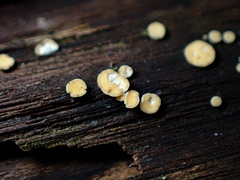
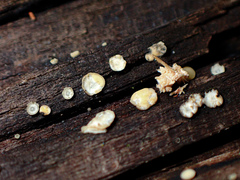
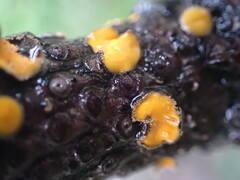
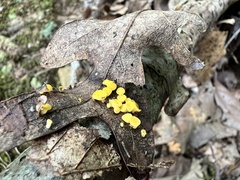
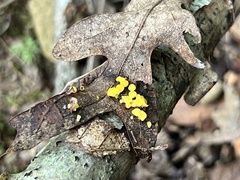
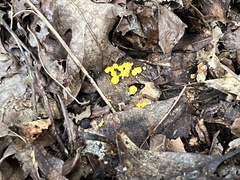
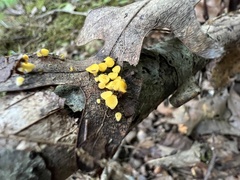
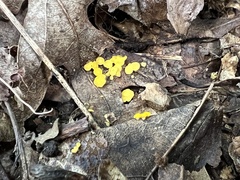
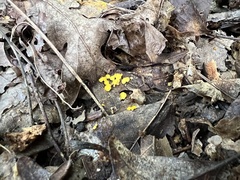
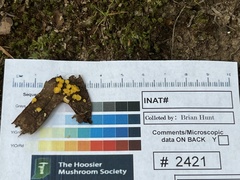
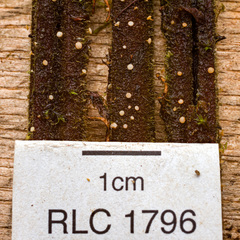
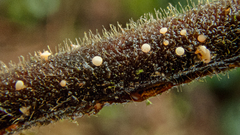
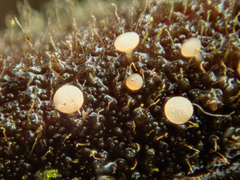
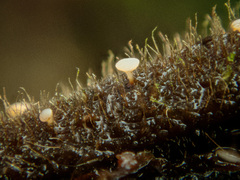
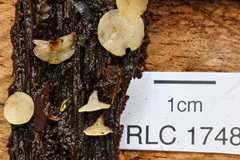
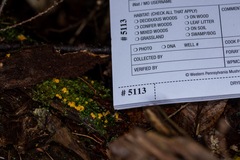
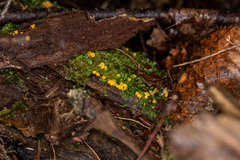
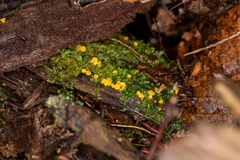

Parent Taxon
Sibling Taxa
Child Taxa
- Amorphothecaceae
- Amylocarpus
- Aquadiscula
- Arachnopezizaceae
- Arachnoscypha
- Ascoclavulina
- Ascocorticiaceae
- Ascodichaenaceae
- Asterocalycella
- Banksiamyces
- Bryoglossaceae
- Calloriaceae
- Cashiella
- Cenangiaceae
- Chlorociboriaceae
- Chlorospleniaceae
- Chlorospleniella
- Cistella
- Cladotrichum
- Cordieritidaceae
- Crocicreas
- Cryptocline
- Cryptohymenium
- Cyttariaceae
- Dactylaria
- Dematioscypha
- Dermateaceae
- Discinellaceae
- Drepanopezizaceae
- Durella
- Echinodiscus
- Encoeliopsis
- Episclerotium
- Erysiphaceae
- Eustilbum
- Gelatinodiscaceae
- Gloeotinia
- Godroniaceae
- Gremmenia
- Helotiaceae
- Heterosphaeriaceae
- Hyaloscyphaceae
- Hyphodiscaceae
- Hysteropezizella
- Jacobsonia
- Lachnaceae
- Leptodontidiaceae
- Margaritispora
- Mirandina
- Mitrulaceae
- Mollisiaceae
- Mollisiopsis
- Monostichella
- Muscia
- Myxotrichaceae
- Neocrinulaceae
- Neoechinodiscus
- Neozythia
- Orbiliopsis
- Parthenope
- Patellariopsis
- Patinellaria
- Peltigeromyces
- Pezizellaceae
- Phacidiella
- Phialea
- Ploettnerulaceae
- Podophacidium
- Polydesmia
- Rhexocercosporidium
- Rhizothyrium
- Rhymbocarpus
- Roseodiscus
- Rutstroemiaceae
- Sclerocrana
- Sclerotiniaceae
- Scytalidium
- Solenopeziaceae
- Sorokina
- Stamnaria
- Strossmayeria
- Tetracladium
- Trichobelonium
- Trichotheca
- Tricladiaceae
- Triposporiaceae
- Vibrisseaceae
Top Observation Places
- Kalininskiy
- Svetlanovskiy
- Finlyandskiy
- Fremont
- Solntsevo
- Portland
- Runcorn
- Widnes
- Encinitas
- Corvallis
- South Hill
- Rotorua
- Guelph
- Göteborg
- Auckland
- North Shore
- Ottawa
- Nepean
- San Rafael
- Frankfurt am Main
- Orël
- Akron
- Ann Arbor
- Santa Rosa
- Wellington
- Lower Hutt
- Rennes
- Edison
- New Brunswick
- Piscataway
- Christchurch
- Charlottenburg
- Wilmersdorf
- Vaughan
- Richmond Hill
- Boston
- South Boston
- Cambridge
- Lynn
- Newton
- Somerville
- Malden
- Brookline
- Medford
- Revere
- Washington
- Arlington
- Silver Spring
- Rockville
- Bethesda