Phallus hadriani: taxon details and analytics
- Domain
- Kingdom
- Fungi
- Phylum
- Basidiomycota
- Class
- Agaricomycetes
- Order
- Phallales
- Family
- Phallaceae
- Genus
- Phallus
- Species
- Phallus hadriani
- Scientific Name
- Phallus hadriani
Summary description from Wikipedia:
Phallus hadriani
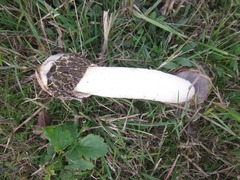
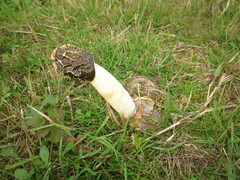
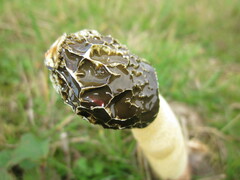
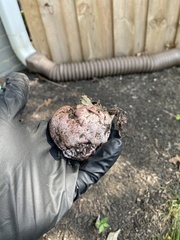
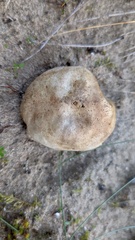
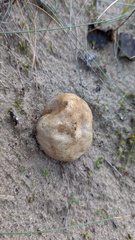
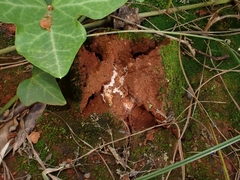
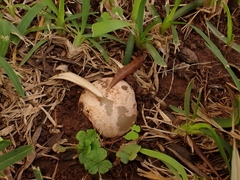
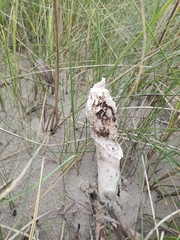
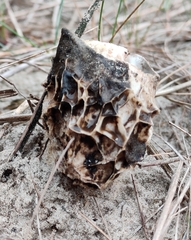
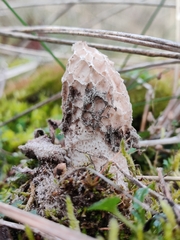
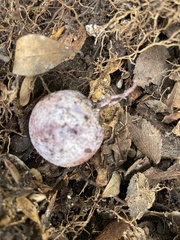
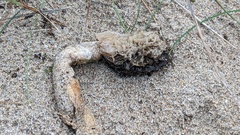
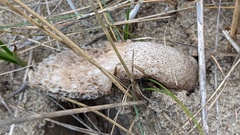
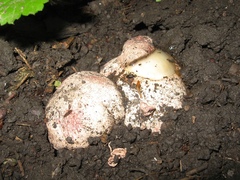
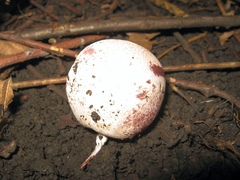
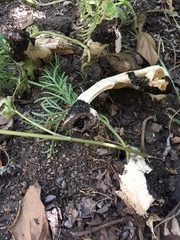
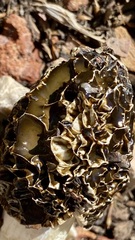
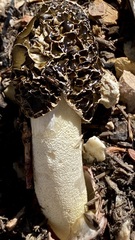
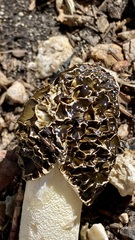
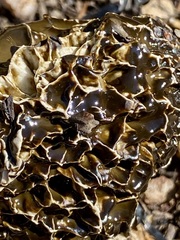
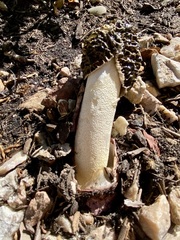
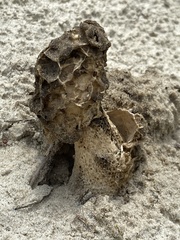
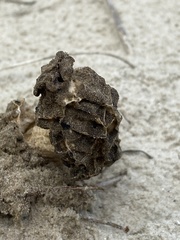
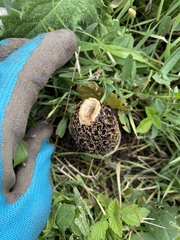
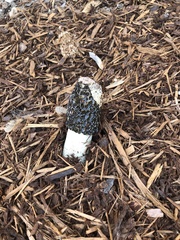
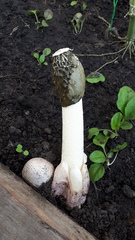
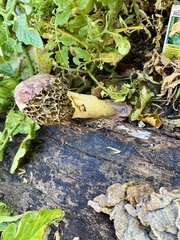
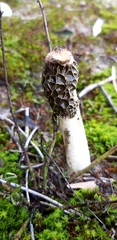
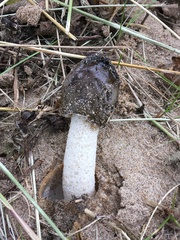
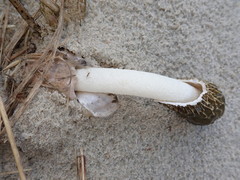
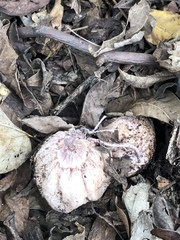
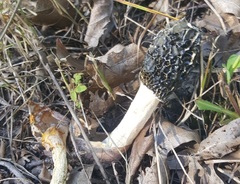
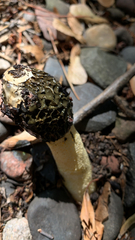
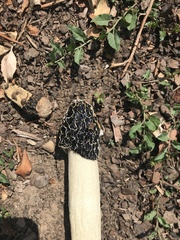
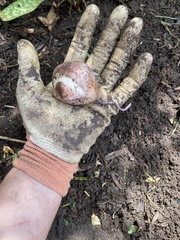
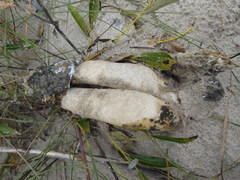
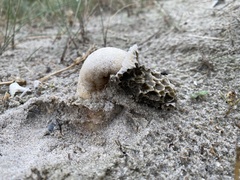
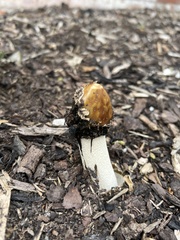
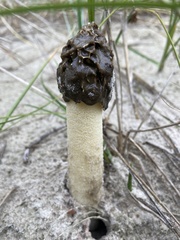
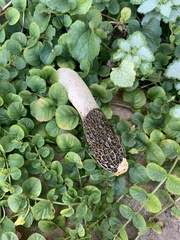
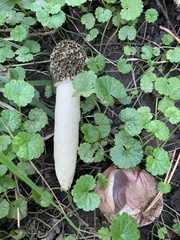
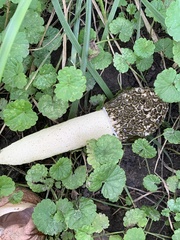
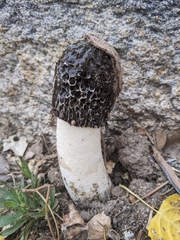
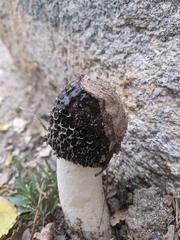
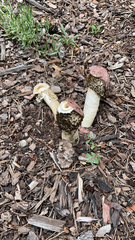
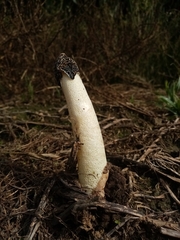
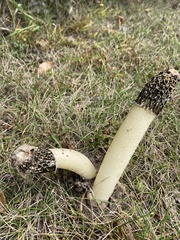
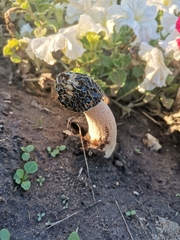
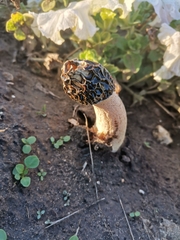
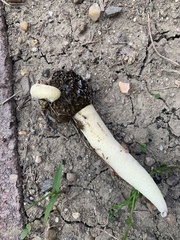
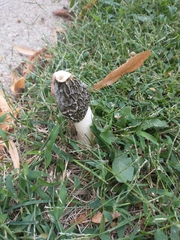
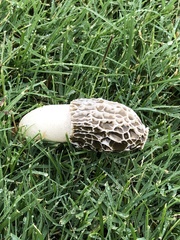
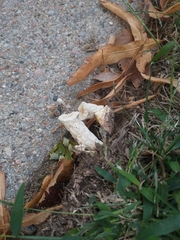
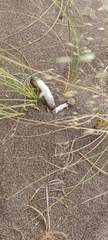
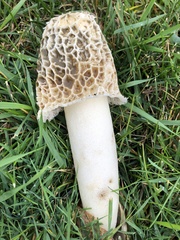
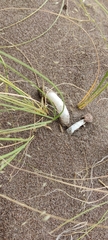
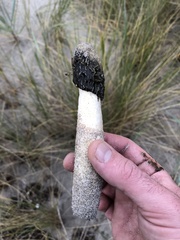
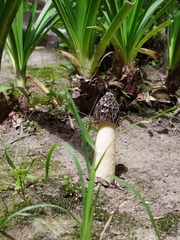
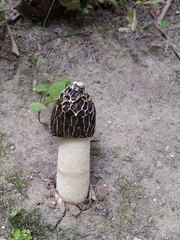
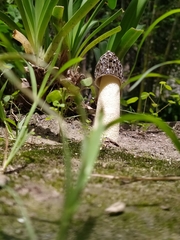
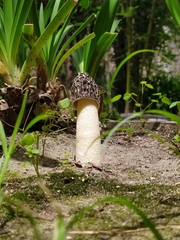
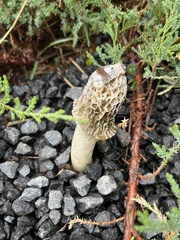
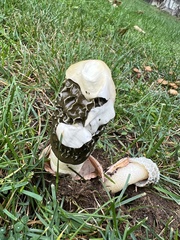
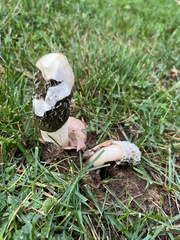
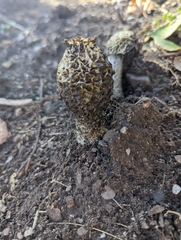
Phallus hadriani, commonly known as the dune stinkhorn or the sand stinkhorn, is a species of fungus in the Phallaceae (stinkhorn) family. The stalk of the fruit body reaches up to 20 cm (8 in) tall by 4 cm (1+1⁄2 in) thick, and is spongy, fragile, and hollow. At the top of the stem is a ridged and pitted, thimble-like cap over which is spread olive-colored spore slime (gleba). Shortly after emerging, the gleba liquefies and releases a fetid odor that attracts insects, which help disperse the spores. P. hadriani may be distinguished from the similar P. impudicus (the common stinkhorn) by the presence of a pink or violet-colored volva at the base of the stem, and by differences in odor.
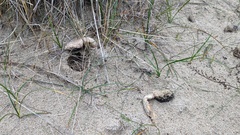
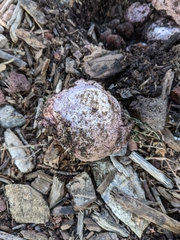
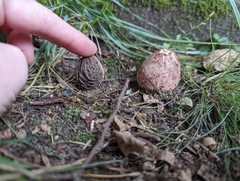
It is a widely distributed species, and is native to Eurasia and North America. In Australia, it is probably an introduced species. It typically grows in public lawns, yards and gardens, usually in sandy soils. It is said to be edible in its immature egg-like stage.
...Phallus hadriani in languages:
- Bokmål
- sandstanksopp
- Czech
- hadovka valčická
- Danish
- Sand-stinksvamp
- Dutch
- Duinstinkzwam
- English
- dune stinkhorn
- English
- sand stinkhorn
- English
- Purple-egg Stinkhorn
- French
- Satyre des dunes
- German
- Dünen-Stinkmorchel
- Hebrew
- פִּינִית וְרֻדָּה
- Hungarian
- homoki szömörcsög
- Lithuanian
- Hadriano poniabudė
- Russian
- Весёлка Адриана
- Swedish
- dynstinksvamp
- Ukrainian
- Веселка Адріана
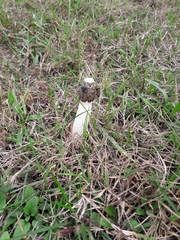
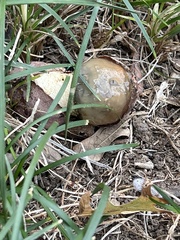
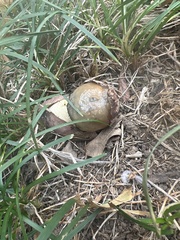
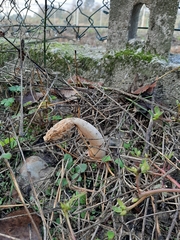
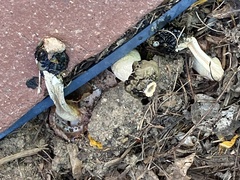
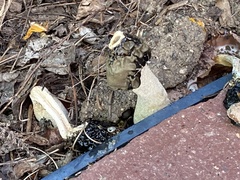
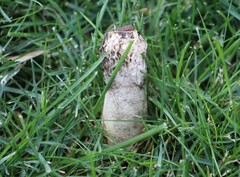
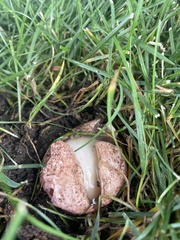
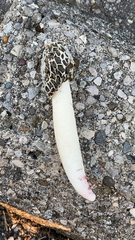
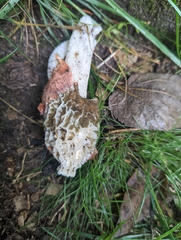
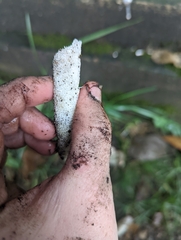
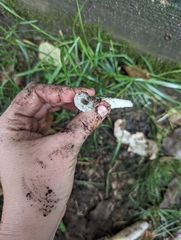
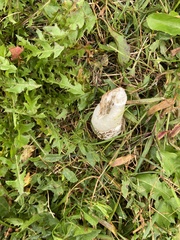
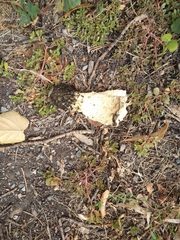
Images from inaturalist.org observations:
We recommend you sign up for this excellent, free service.
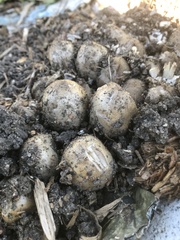
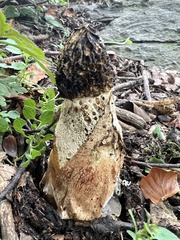
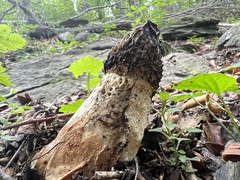
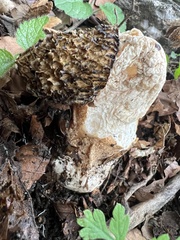
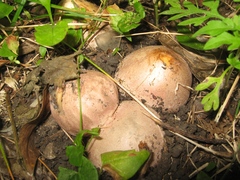
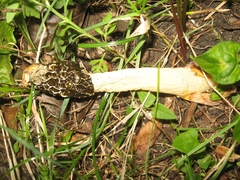
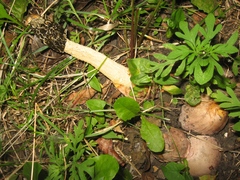
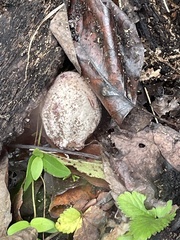
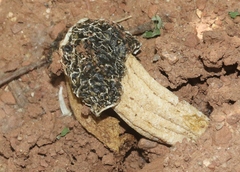
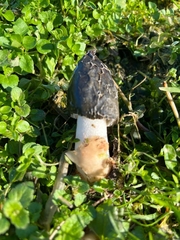
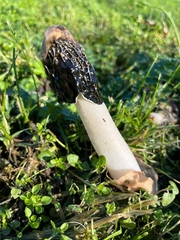
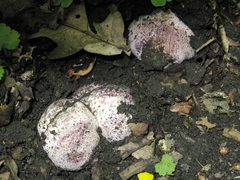
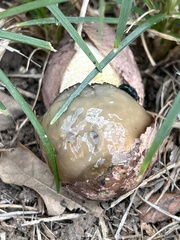
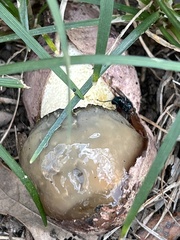
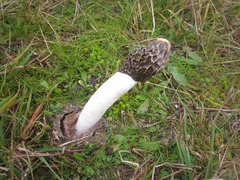
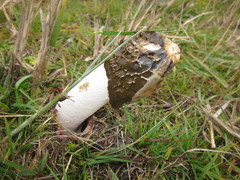
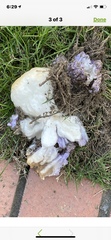
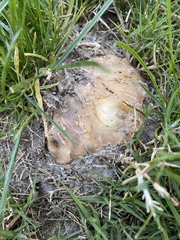
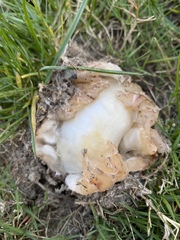
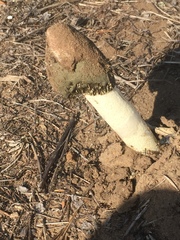
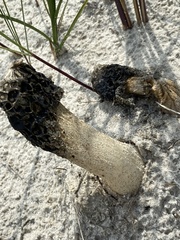
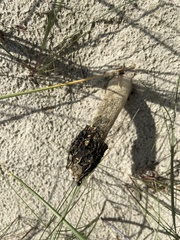
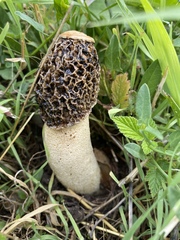
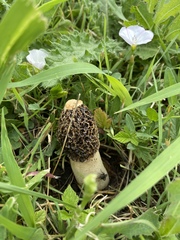
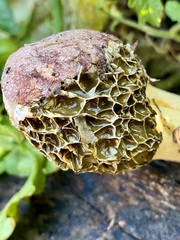
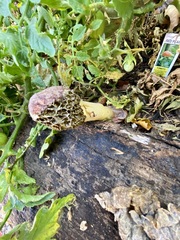
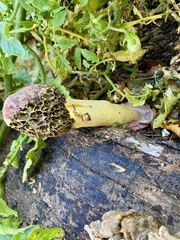
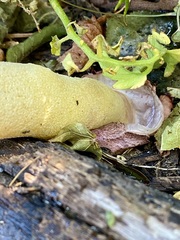
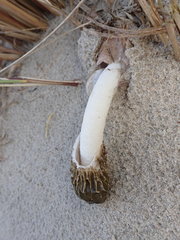
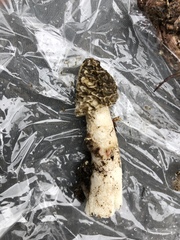
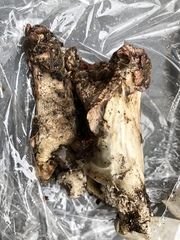
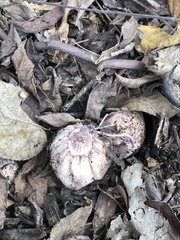
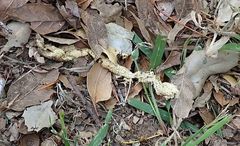
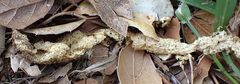
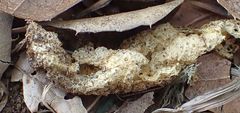
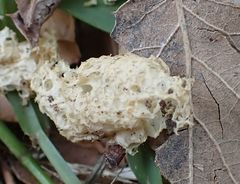
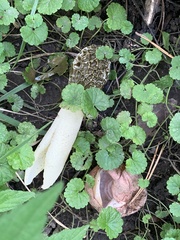
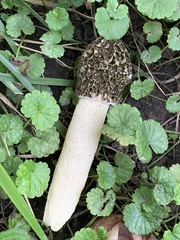
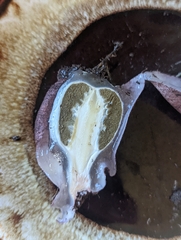
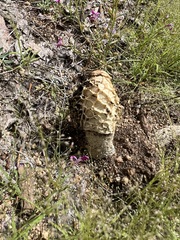
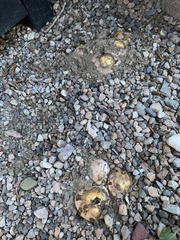
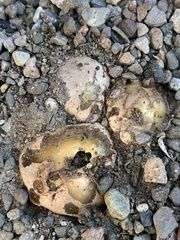
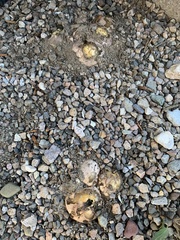
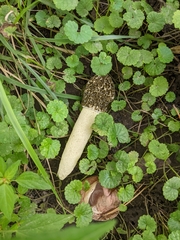
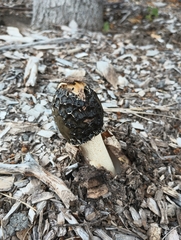
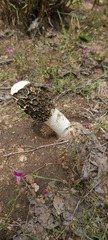
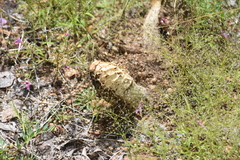
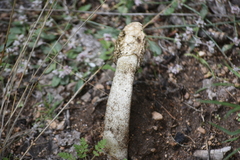
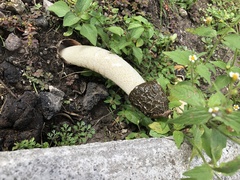
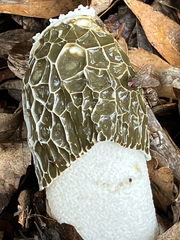
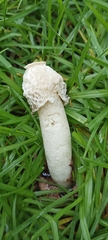
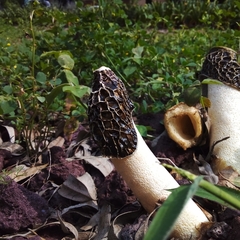
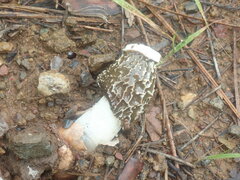
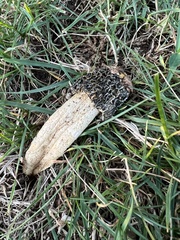
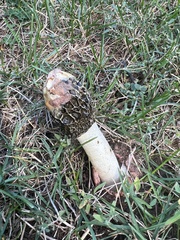
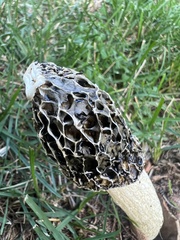
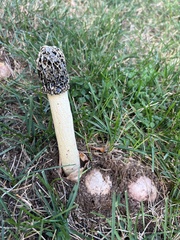
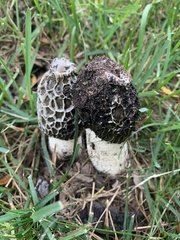
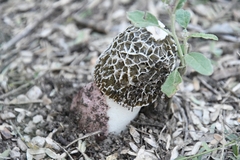
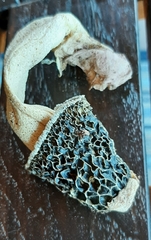
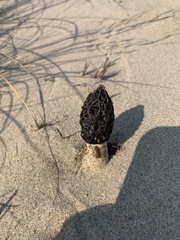
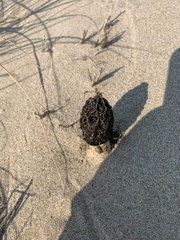
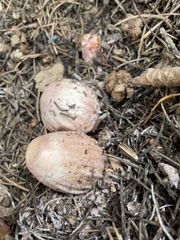
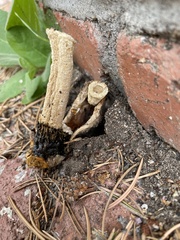
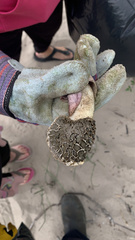
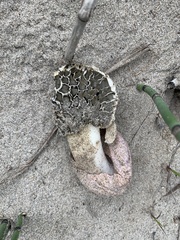
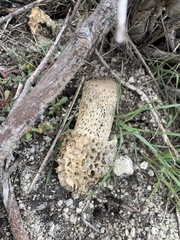
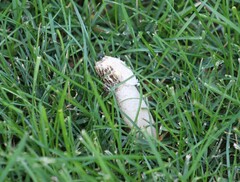
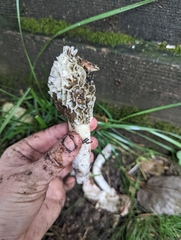
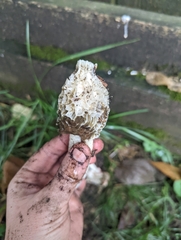
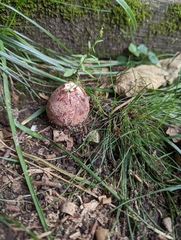
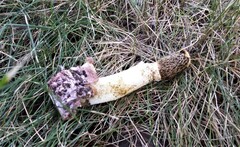
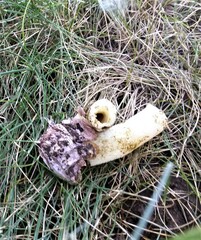
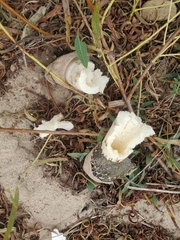
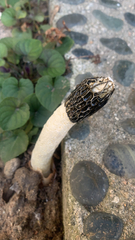
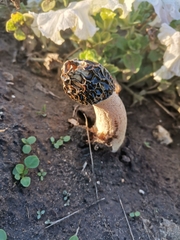
Parent Taxon
Sibling Taxa
- Dictyophora bicampanulata
- Dictyophora braunii
- Phallus acaulis
- Phallus amurensis
- Phallus anastomosis
- Phallus annulatus
- Phallus armeniacus
- Phallus atrovolvatus
- Phallus aurantiacus
- Phallus aureolatus
- Phallus aureus
- Phallus brasiliensis
- Phallus callichrous
- Phallus calongei
- Phallus campanulatus
- Phallus chiangmaiensis
- Phallus cinnabarinus
- Phallus coronatus
- Phallus cremeo-ochraceus
- Phallus daemonum
- Phallus denigricans
- Phallus dongsun
- Phallus drewesii
- Phallus duplicatus
- Phallus echinovolvatus
- Phallus flavocostatus
- Phallus formosanus
- Phallus fuscoechinovolvatus
- Phallus glutinolens
- Phallus granulosodenticulatus
- Phallus hadriani
- Phallus haitangensis
- Phallus impudicus
- Phallus indusiatus
- Phallus lutescens
- Phallus luteus
- Phallus mengsongensis
- Phallus merulinus
- Phallus minusculus
- Phallus multicolor
- Phallus purpurascens
- Phallus pygmaeus
- Phallus ravenelii
- Phallus rigidiindusiatus
- Phallus rubicundus
- Phallus rubrovolvatus
- Phallus rugulosus
- Phallus serratus
- Phallus squamulosus
- Phallus tenuissimus
- Phallus ultraduplicatus
Top Observation Places
- Torrance
- Longmont
- San Mateo
- Mountain View
- Shchukino
- Santa Fe
- Daly City
- Minneapolis
- Boise
- Santa Cruz
- Oakland
- San Leandro
- Alameda
- Austin
- San Diego
- Carlsbad
- El Cajon
- Mira Mesa
- Encinitas
- La Mesa
- Rancho Penasquitos
- Naucalpan de Juárez
- Álvaro Obregón
- Coyoacán
- Tlalpan
- Azcapotzalco
- Benito Juárez
- Miguel Hidalgo
- Colonia del Valle
- Magdalena Contreras
- Denver
- Lakewood
- Westminster
- Arvada
- Boulder
- Highlands Ranch
- Broomfield
- Commerce City
- Los Angeles
- Glendale
- Hollywood
- Pasadena
- Van Nuys
- East Los Angeles
- Koreatown
- El Monte
- Inglewood
- Burbank
- Universal City
- Santa Monica