Rhinogobiops: taxon details and analytics
- Domain
- Kingdom
- Animalia
- Phylum
- Chordata
- Class
- Actinopterygii
- Order
- Gobiiformes
- Family
- Gobiidae
- Genus
- Rhinogobiops
- Species
- Scientific Name
- Rhinogobiops
Summary description from Wikipedia:
Rhinogobiops
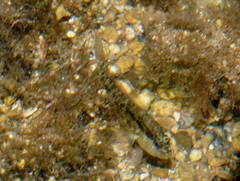
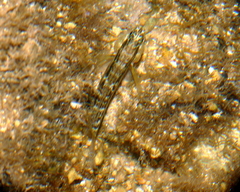
Rhinogobiops is a genus of true gobies in the family Gobiidae. It is monotypic, being represented by the single species, Rhinogobiops nicholsii, also known as the blackeye goby, bluespot goby, and crested goby. They are common inhabitants of coral reefs and rocky habitats along the eastern Pacific Ocean coasts of Mexico, the United States, and Canada, although they are hardly noticed, as they often rest motionless near their shelters.
Blackeye gobies range in color from creamy white to a mottled dark purple-brown, but can easily be recognized by the distinctive black spot on their first dorsal fins and an iridescent blue spot beneath their eyes. They are capable of rapidly changing their color in response to social situations or threats. They are also protogynous hermaphrodites, starting out in life as females. They are highly territorial and each male usually maintains a harem of two to eight females.
...Images from inaturalist.org observations:
We recommend you sign up for this excellent, free service.
Parent Taxon
Sibling Taxa
- Aboma
- Acentrogobius
- Afurcagobius
- Akko
- Amblyeleotris
- Amblygobius
- Anatirostrum
- Ancistrogobius
- Antilligobius
- Aphia
- Arcygobius
- Arenigobius
- Aruma
- Asterropteryx
- Aulopareia
- Austrolethops
- Babka
- Barbulifer
- Barbuligobius
- Bathygobius
- Benthophiloides
- Benthophilus
- Birdsongichthys
- Bollmannia
- Bryaninops
- Cabillus
- Caffrogobius
- Callogobius
- Carrigobius
- Caspiosoma
- Cerogobius
- Chriolepis
- Chromogobius
- Corcyrogobius
- Coryogalops
- Coryphopterus
- Cristatogobius
- Croilia
- Cryptocentroides
- Cryptocentrus
- Cryptopsilotris
- Ctenogobiops
- Didogobius
- Discordipinna
- Dotsugobius
- Drombus
- Ebomegobius
- Echinogobius
- Egglestonichthys
- Ego
- Elacatinus
- Eleotrica
- Evermannichthys
- Eviota
- Exyrias
- Favonigobius
- Feia
- Fusigobius
- Gammogobius
- Ginsburgellus
- Gladiogobius
- Glossogobius
- Gobiodon
- Gobiopsis
- Gobiosoma
- Gobius
- Gobulus
- Gorogobius
- Grallenia
- Gymneleotris
- Gymnesigobius
- Hazeus
- Hetereleotris
- Heterogobius
- Heteroplopomus
- Istigobius
- Kelloggella
- Koumansetta
- Larsonella
- Lesueurigobius
- Lobulogobius
- Lophogobius
- Lotilia
- Lubricogobius
- Luposicya
- Lythrypnus
- Macrodontogobius
- Mahidolia
- Mangarinus
- Mauligobius
- Mesogobius
- Microgobius
- Millerigobius
- Minysicya
- Mizogobius
- Myersina
- Nematogobius
- Neogobius
- Nes
- Obliquogobius
- Odondebuenia
- Ophiogobius
- Oplopomops
- Oplopomus
- Opua
- Padogobius
- Paedovaricus
- Palatogobius
- Palutrus
- Parachaeturichthys
- Paragobiodon
- Paratrimma
- Pariah
- Parkraemeria
- Parrella
- Pascua
- Phoxacromion
- Phyllogobius
- Pinnichthys
- Platygobiopsis
- Pleurosicya
- Ponticola
- Porogobius
- Priolepis
- Proterorhinus
- Psammogobius
- Psilogobius
- Psilotris
- Rhinogobiops
- Risor
- Robinsichthys
- Signigobius
- Silhouettea
- Stonogobiops
- Sueviota
- Sufflogobius
- Thorogobius
- Tigrigobius
- Tomiyamichthys
- Trimma
- Trimmatom
- Tryssogobius
- Valenciennea
- Vanderhorstia
- Vanneaugobius
- Varicus
- Vomerogobius
- Wheelerigobius
- Yoga
- Yongeichthys
- Zebrus