Vitex negundo: taxon details and analytics
- Domain
- Kingdom
- Plantae
- Phylum
- Tracheophyta
- Class
- Magnoliopsida
- Order
- Lamiales
- Family
- Lamiaceae
- Genus
- Vitex
- Species
- Vitex negundo
- Scientific Name
- Vitex negundo
Summary description from Wikipedia:
Vitex negundo
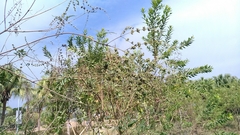
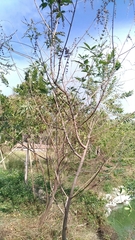
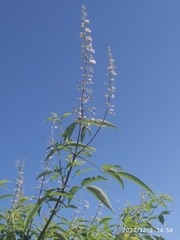
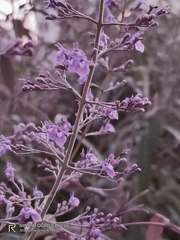
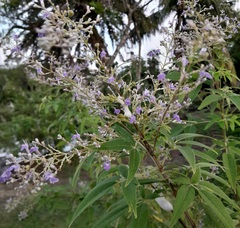
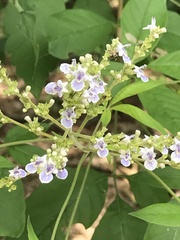
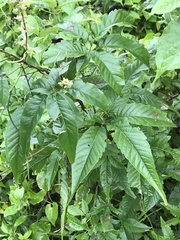
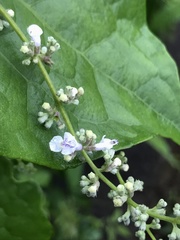
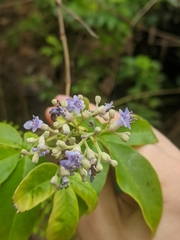
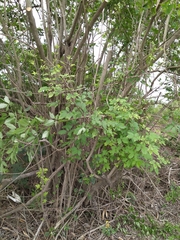
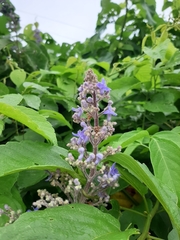
Vitex negundo, commonly known as the Chinese chaste tree, five-leaved chaste tree, or horseshoe vitex, or nisinda is a large aromatic shrub with quadrangular, densely whitish, tomentose branchlets. It is widely used in folk medicine, particularly in South and Southeast Asia.
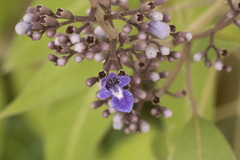
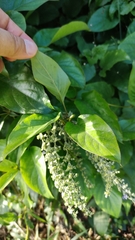
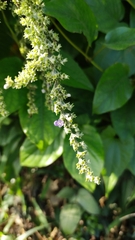
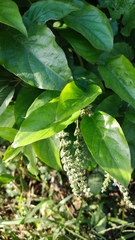
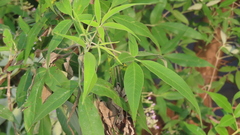
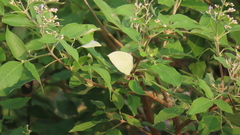
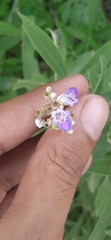
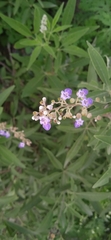
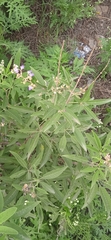
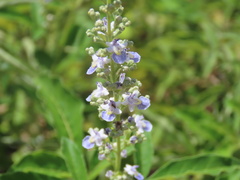
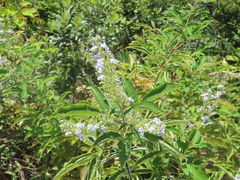
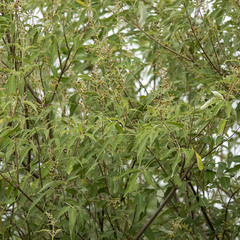
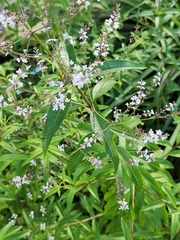
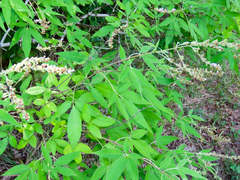
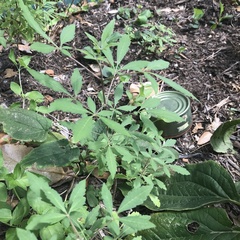
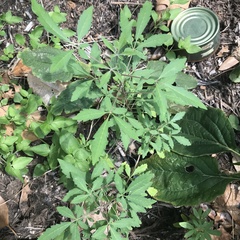
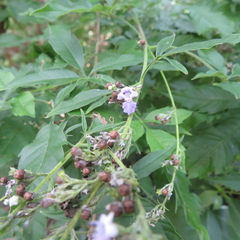
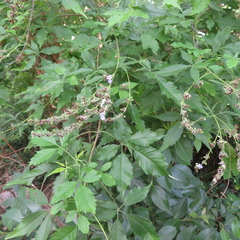
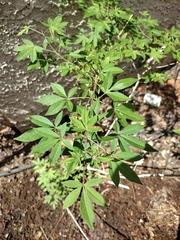
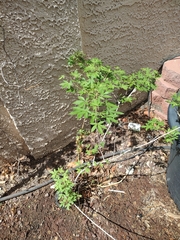
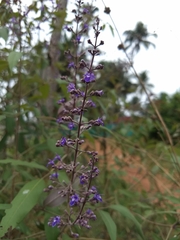
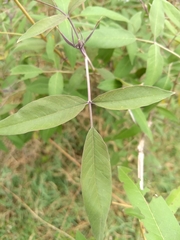
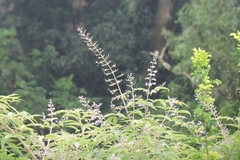
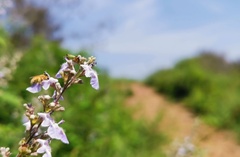
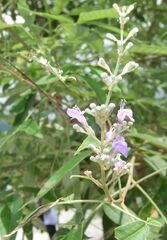
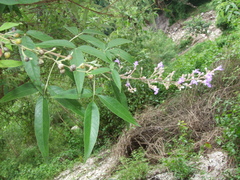
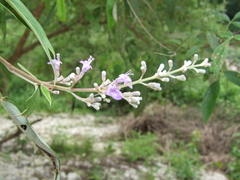
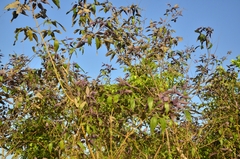
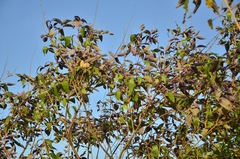
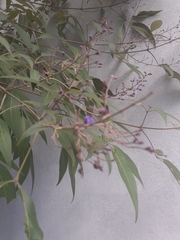
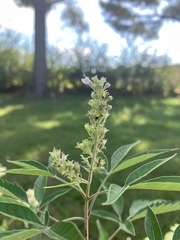
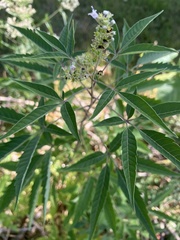
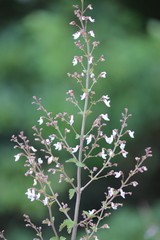
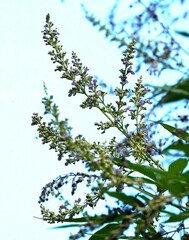
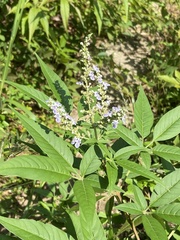
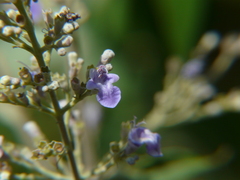
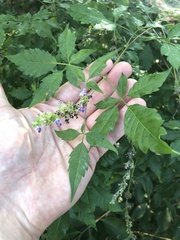
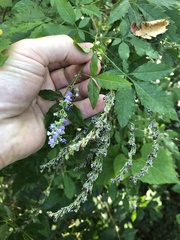
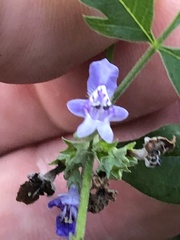
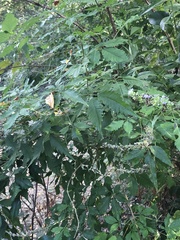
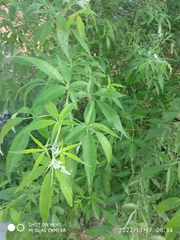
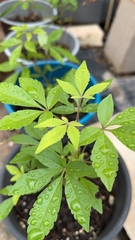
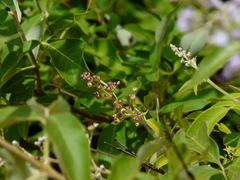
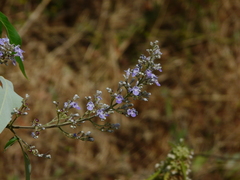
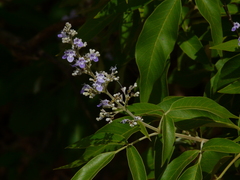
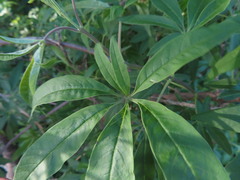
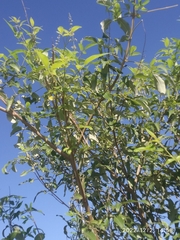
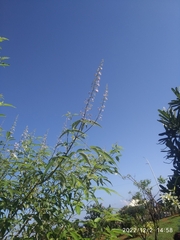
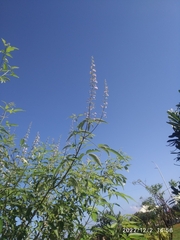
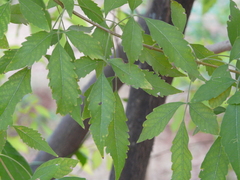
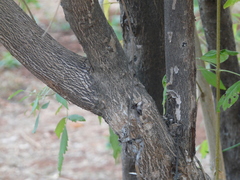
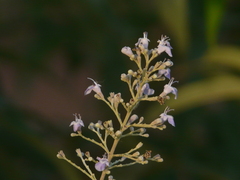
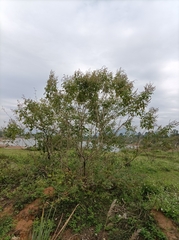
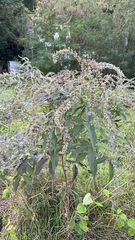
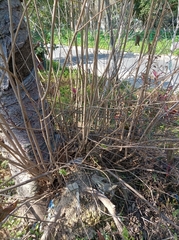
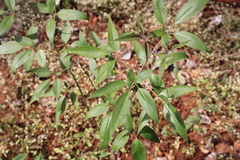
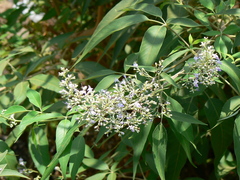
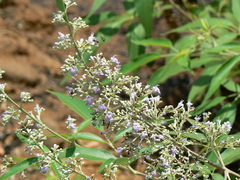
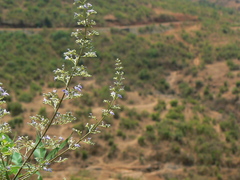
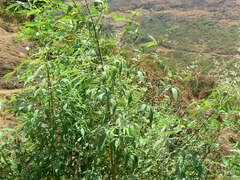
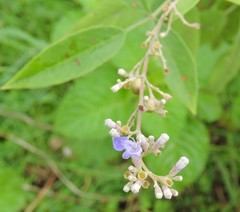
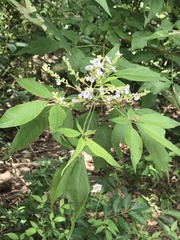
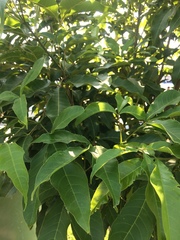
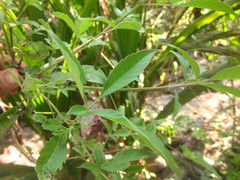
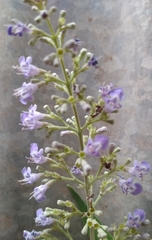
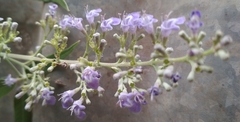
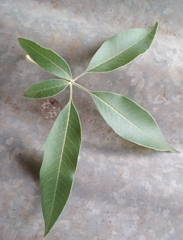
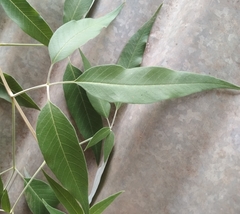
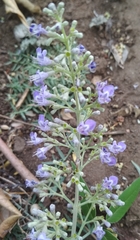
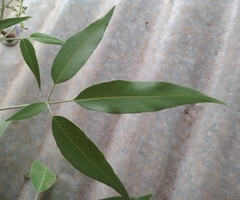
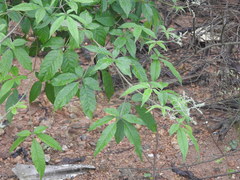
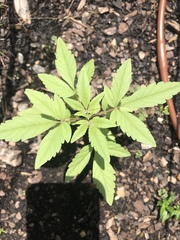
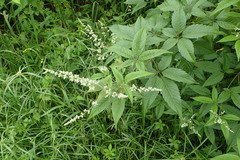
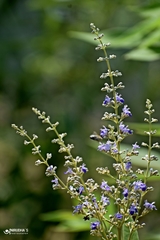
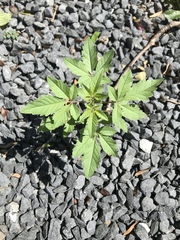
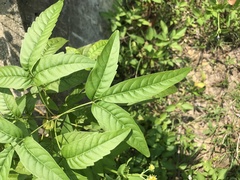
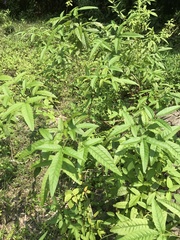
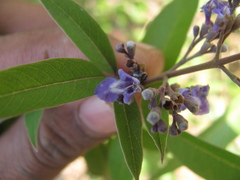
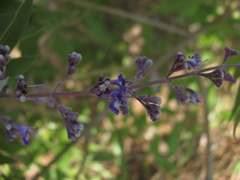
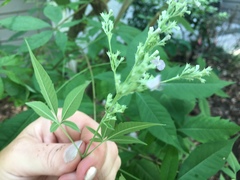
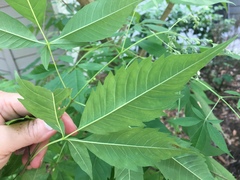
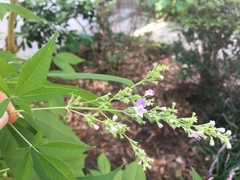
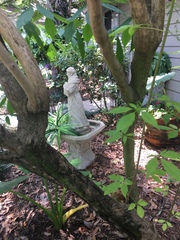
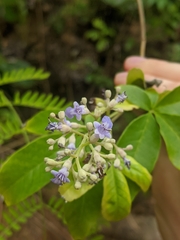
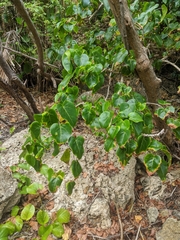
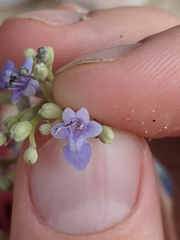
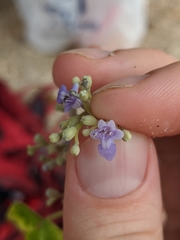
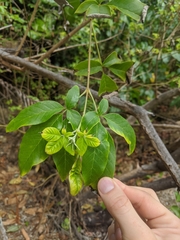
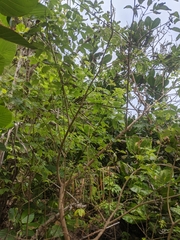
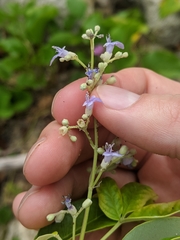
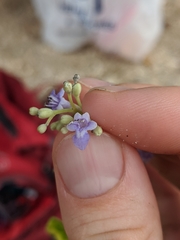
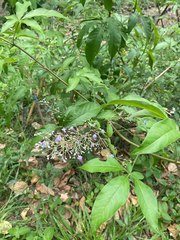
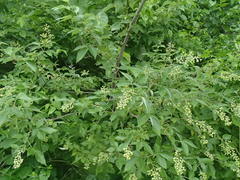
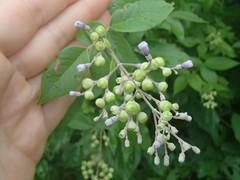
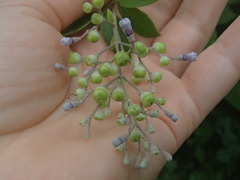
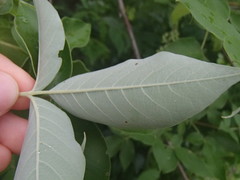
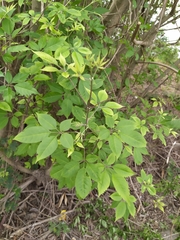
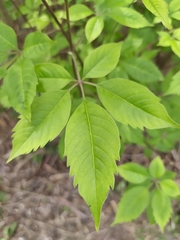
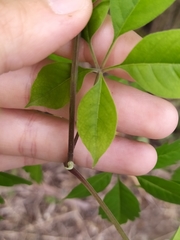
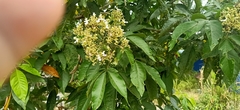
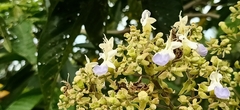
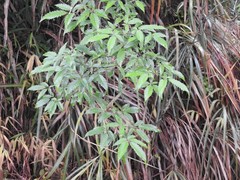
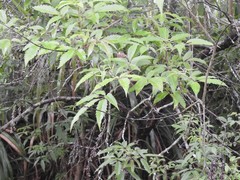
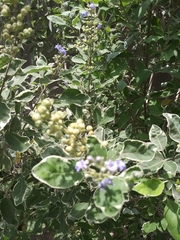
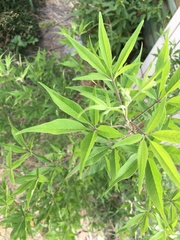
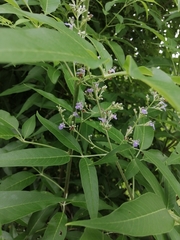
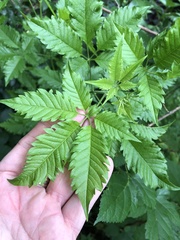
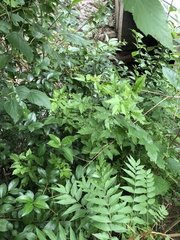
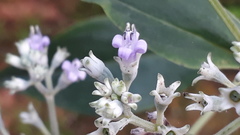
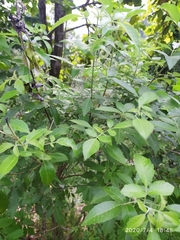
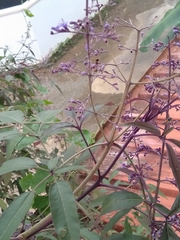
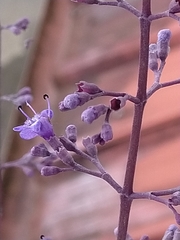
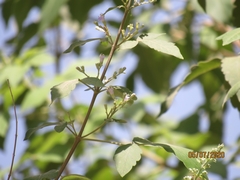
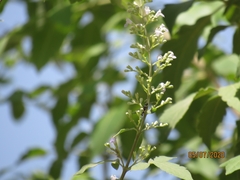
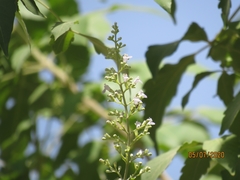
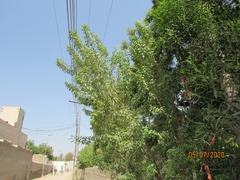
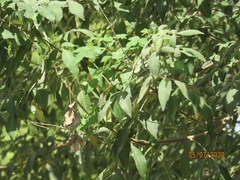
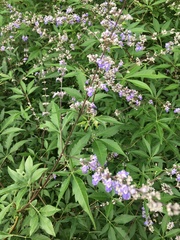
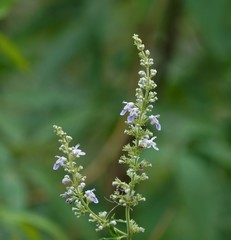
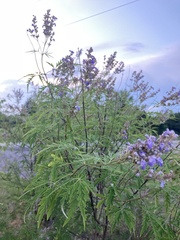
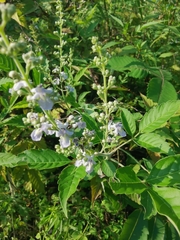
Vitex negundo is an erect shrub or small tree growing from 2 to 8 m (6.6 to 26.2 ft) in height. The bark is reddish brown. Its leaves are digitate, with five lanceolate leaflets, sometimes three. Each leaflet is around 4 to 10 cm (1.6 to 3.9 in) in length, with the central leaflet being the largest and possessing a stalk. The leaf edges are toothed or serrated and the bottom surface is covered in hair. The numerous flowers are borne in panicles 10 to 20 cm (3.9 to 7.9 in) in length. Each is around 6 to 7 cm (2.4 to 2.8 in) long and are white to blue in color. The petals are of different lengths, with the middle lower lobe being the longest. Both the corolla and calyx are covered in dense hairs.
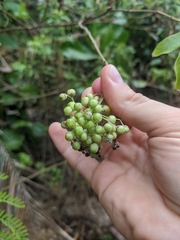
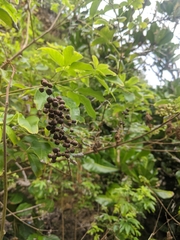
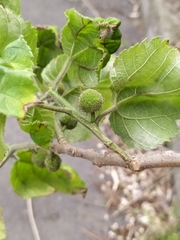
The fruit is a succulent drupe, 4 mm (0.16 in) in diameter, rounded to egg-shaped. It is black or purple when ripe.
...Vitex negundo in languages:
- Chinese
- 黃荊
- Chinese
- 埔姜
- Chinese
- 臺灣牡荊
- Czech
- drmek čínský
- English
- Five-leaved chaste tree
- English
- Yellow Bramble
- Hebrew
- שיח-אברהם נגונדו
- Japanese
- ニンジンボク(広義)
- Russian
- Прутняк китайский
Images from inaturalist.org observations:
We recommend you sign up for this excellent, free service.




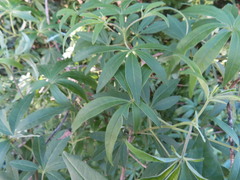
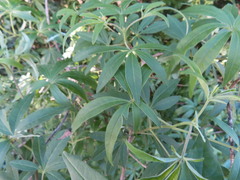

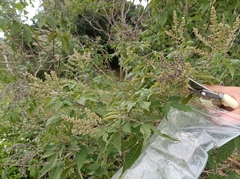
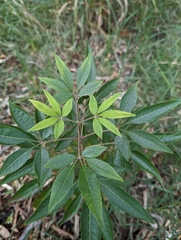
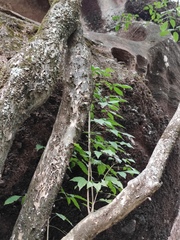
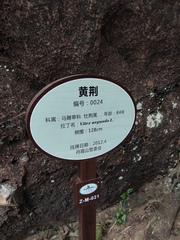
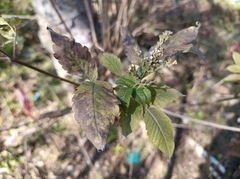
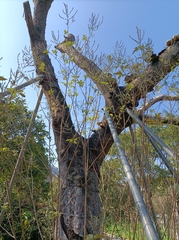
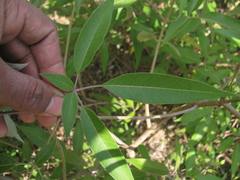
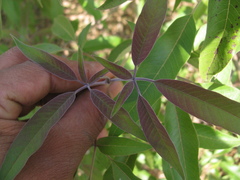
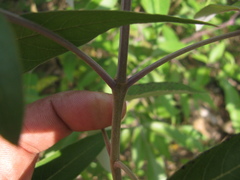
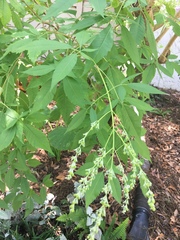
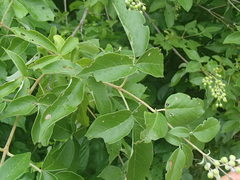
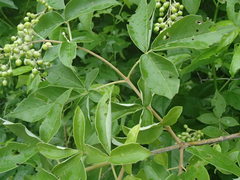
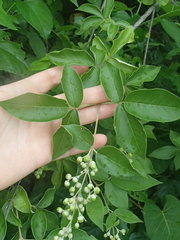
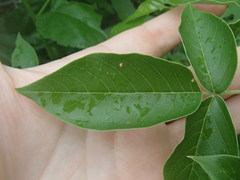


Parent Taxon
Sibling Taxa
- Vitex acuminata
- Vitex acunae
- Vitex agnus-castus
- Vitex altissima
- Vitex amaniensis
- Vitex angolensis
- Vitex aurea
- Vitex befotakensis
- Vitex beraviensis
- Vitex betsiliensis
- Vitex bicolor
- Vitex buchananii
- Vitex canescens
- Vitex capitata
- Vitex cauliflora
- Vitex chrysocarpa
- Vitex chrysomallum
- Vitex cofassus
- Vitex collina
- Vitex columbiensis
- Vitex compressa
- Vitex congolensis
- Vitex cooperi
- Vitex cymosa
- Vitex divaricata
- Vitex doniana
- Vitex elakelakensis
- Vitex ferruginea
- Vitex fischeri
- Vitex gamosepala
- Vitex gardneriana
- Vitex gaumeri
- Vitex gigantea
- Vitex glabrata
- Vitex grandidiana
- Vitex grandifolia
- Vitex guanahacabibensis
- Vitex harveyana
- Vitex hemsleyi
- Vitex heptaphylla
- Vitex hirsutissima
- Vitex humbertii
- Vitex iraquensis
- Vitex lanigera
- Vitex lastellei
- Vitex leucoxylon
- Vitex lignum-vitae
- Vitex limonifolia
- Vitex lindenii
- Vitex longisepala
- Vitex lowryi
- Vitex lucens
- Vitex madagascariensis
- Vitex madiensis
- Vitex martii
- Vitex masoalensis
- Vitex megapotamica
- Vitex melicopea
- Vitex mollis
- Vitex mombassae
- Vitex mossambicensis
- Vitex negundo
- Vitex novae-pommeraniae
- Vitex obovata
- Vitex orinocensis
- Vitex oscitans
- Vitex pachyclada
- Vitex panshiniana
- Vitex parviflora
- Vitex patula
- Vitex payos
- Vitex peduncularis
- Vitex perrieri
- Vitex pervillei
- Vitex petersiana
- Vitex phillyreifolia
- Vitex pinnata
- Vitex polygama
- Vitex pooara
- Vitex pseudolea
- Vitex pyramidata
- Vitex queenslandica
- Vitex quinata
- Vitex rehmannii
- Vitex rotundifolia
- Vitex rubra
- Vitex rubroaurantiaca
- Vitex rufescens
- Vitex sampsonii
- Vitex schaueriana
- Vitex schliebenii
- Vitex sellowiana
- Vitex stahelii
- Vitex stellata
- Vitex teloravina
- Vitex thyrsiflora
- Vitex trichantha
- Vitex triflora
- Vitex trifolia
- Vitex tripinnata
- Vitex tristis
- Vitex uniflora
- Vitex vestita
- Vitex vondrozensis
- Vitex waterlotii
- Vitex yaundensis
- Vitex zanzibarensis
- Vitex zeyheri